







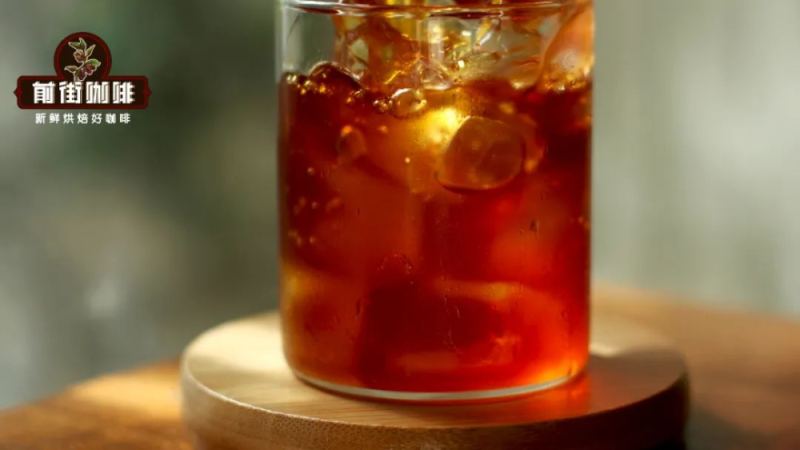
How do cold brew, ice drip and iced coffee differ?
Cold brew is the broad category: any black coffee extracted with cold water, whether immersion, drip or infusion. Long-steeping immersion cold brew is what most people mean by the term, while ice drip is the slow drip style also known as Dutch or Kyoto coffee. Ice-aged brew adds a resting stage in a sealed container, from several hours to a day or two, so flavors keep blending.
That resting step matters for taste, so how to fix sour cold brew often comes down to grind, ratio and steep time rather than the method alone. Lightly roasted beans and a wide choice of origins suit immersion brewing; Front Street Coffee's Mozart cold brew parameters and steps cover the full process for consistent results.
In the family of low-temperature extracted black coffee, the three names cold brew, ice drip, and ice-aged brew often confuse people. What exactly are the differences between them? Why is ice drip also called Dutch coffee or Kyoto coffee? How can you make cold brew coffee in a way that is consistently delicious? From the perspective of Front Street, this article sorts out the definitions, historical context, and production logic of these three coffees, and includes the complete parameters and operating steps for Front Street Mozart cold brew, helping you understand the ins and outs of low-temperature extracted coffee in one go.
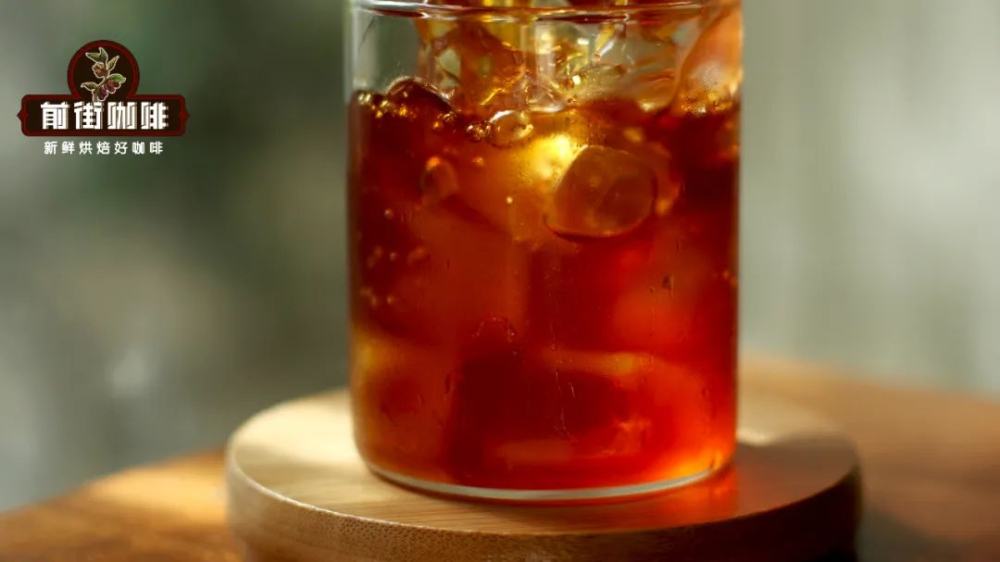
For more specialty coffee knowledge, please follow: Front Street Coffee (Frontsteet Coffee)
In Front Street's understanding, the essence of ice-aged brew coffee lies in the word "brew" - this word originally referred to brewing alcohol, and is closely related to liquor. In the coffee field, whether it is ice drip or cold brew, after extraction is completed, it must be put into a sealed container and enter a "brewing" stage. After several hours or even one or two days of aging, the soluble flavor substances continue to blend with the water, gradually presenting a fermented texture similar to fine wine.
Everyone knows that "cold brew coffee" is a direct translation of "Cold brew coffee." Its widespread recognition is inseparable from Starbucks' promotion and market education. If we look at this name a little more broadly, in fact all black coffee obtained by extraction with cold water can be classified under the broad category of "cold brew coffee." In other words, immersion-style, drip-style, and infusion-style - as long as the liquid is obtained by bringing low-temperature cold water into contact with coffee grounds, theoretically it all falls within the scope of cold brew coffee.
However, because the term cold brew tea has long existed in the Chinese context, most of the time when people say "cold brew coffee," they actually mean coffee made by soaking in cold water for a long time, that is, cold brew coffee - the common method is to soak coffee grounds in room-temperature water, put it in the refrigerator for several hours, and then separate out the coffee grounds.
As a typical representative of immersion extraction, cold brew coffee has a low operational threshold, is convenient and hassle-free, allows a wide choice of coffee beans, and has a low failure rate, so it is both a "fixed menu item" in coffee shops and a popular option for homemade coffee at home.
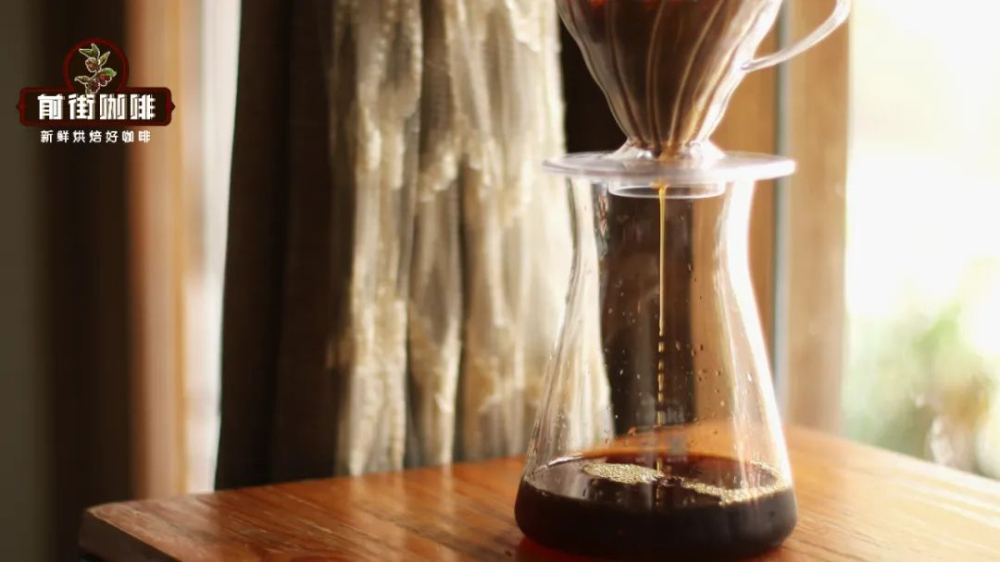
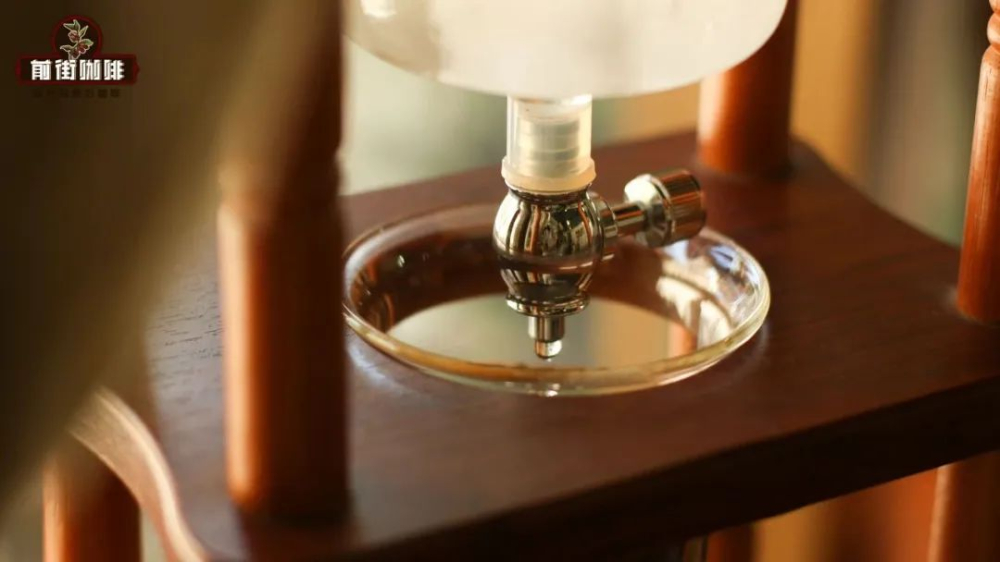
Another common low-temperature extraction method follows the drip route: allowing continuously melting ice water to drip through coffee grounds one drop at a time for long-term extraction - this is ice drip. In many English textbooks, ice drip is not called "Ice Drip Coffee," but is written as Dutch Coffee, so it is often translated as "Dutch coffee."
It is said that around the 17th century, Dutch sailors tried soaking coffee grounds in cold water during long ocean voyages, and found that the coffee made this way was neither bitter nor astringent, and was also convenient for long-term storage and transportation. Later, the Dutch brought this cold drink method to Japan during the Edo period through trade, where it became very popular, and thus the name Dutch Coffee came about.
Although the authenticity of this story is difficult to verify, what can be confirmed is that the cool-looking, multi-layered drip devices in today's coffee shops were invented by the Japanese, and the ice drip coffee made with them also became popular from Japan.
Hana Fusa
In the 1850s, the owner of a Kyoto shop called Hana Fusa encountered this cold brew process by chance and, together with several chemistry students, developed a tall tower-style ice drip pot with a three-layer structure and a valve, using low-temperature cold water to drip-extract coffee grounds at a slow and uniform speed. At the time, this device was also called one of the most artistic coffee brewing methods.
Later, well-known Japanese equipment brands such as HARIO, KINTO, and Kalita successively launched the cold brew bottles and ice drip pots familiar to everyone today, spreading this type of low-temperature extracted black coffee widely in Japan. It was not until the rise of the third wave of coffee that this eye-catching coffee device spread to Europe, where Westerners also called it Kyoto Coffee.
Compared with cold brew and ice drip, the term "ice-aged brew" appears very rarely in domestic coffee shops, and Front Street has not been able to find a clear source for it, with different parties explaining it differently. As for ice-aged brew coffee, it can be understood as an elegant translation of "Cold Brew," basically equivalent to cold brew coffee.
How do you make cold brew coffee?
The first step is to choose a coffee bean that suits your taste. If you want your cold brew coffee to taste full of fruity juice, with bright sweetness and acidity, you can choose lightly roasted beans; if you want the flavor to be very specific and very prominent, then you can choose beans with a deeper degree of fermentation during processing; if you prefer a heavier mouthfeel, you can choose medium-dark or dark roasted coffee beans (when making cold brew with dark roasted beans, you might as well add a little osmanthus, and the result will have an unexpectedly good flavor).
When Front Street makes this kind of low-temperature extracted coffee, it gives priority to beans with floral and fruity flavors. For friends who like floral aromas, Front Street Huakui Coffee, Front Street Red Cherry Coffee, and Front Street Fruit Ding Ding Coffee are recommended; if you prefer a pronounced juicy feel, it is recommended to choose fruit-forward beans such as Front Street Strawberry Candy Coffee, Front Street Little Tomato Coffee, and Front Street Mozart Coffee. All of the above can be ordered from the Front Street Tmall flagship store or Front Street Taobao store.
The production parameters for Mozart cold brew are as follows:
Coffee dose: 80g (everyone can adjust according to their own consumption) Grind setting: Ek43 setting 9, 85% pass-through rate on a No. 20 sieve, caster sugar grind Coffee-to-water ratio: 1:10 Steeping time: 12 hours Remember to prepare a sealable container! After we grind the coffee beans into powder, the first thing to do is pour the coffee grounds into the container!
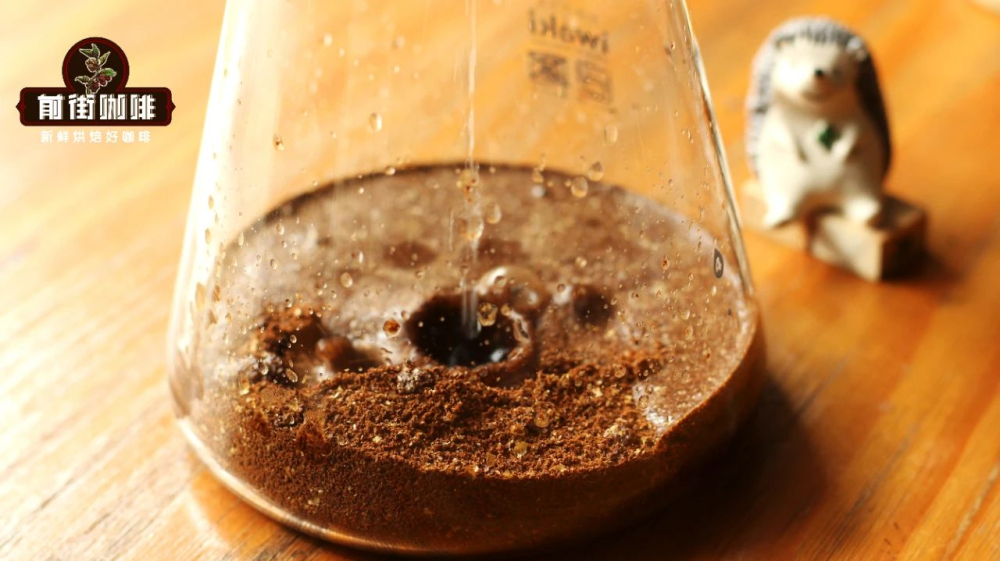
Then pour in the target amount of water! Because Front Street uses 80g of coffee grounds, 800ml of room-temperature water will be poured in.
After pouring the water, stir it to speed up the wetting of the coffee grounds!
Then the bottle can be sealed and placed in the refrigerator to chill.
When the steeping time is up, we can take the coffee out, filter out the coffee grounds with filter paper, and enjoy delicious cold brew coffee! (If it is brewed relatively strong, remember to add ice to dilute it~)
The above content is compiled by CoffeeHunters, a coffee news website.


