







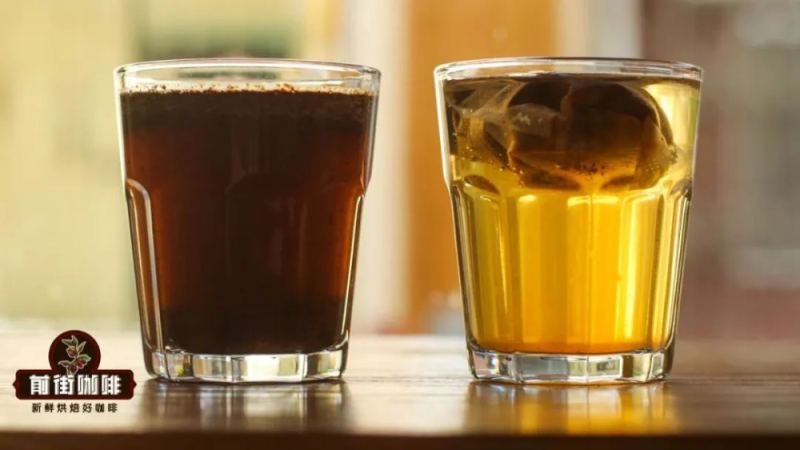
How Do Grind Size and Ratio Shape Cold Brew Coffee Aroma?
Cold brew calls for coarser grounds than hot brewing, a coffee-to-water ratio in the range of 1:8 to 1:15, and a steep of at least eight hours in cold water before filtering. Grind size, ratio, and time each change the final cup. Front Street Coffee recommends medium-light roasted beans to keep the coffee aroma clean and the flavor lively rather than muddy.
The guide names three beans suited to cold brew, including a Panama washed lot with 70% Geisha and an Ethiopia Yirgacheffe Red Cherry Project coffee, giving citrus, floral, and tea-like notes over ice. Extraction temperature and steeping time are compared alongside common home mistakes. Types of coffee spain, such as the country's café solo and cortado culture, follow different brewing logic and are not covered in this cold brew method.
Cold brew coffee, with its refreshing and clean taste, has become one of the most popular coffee categories in summer. Its brewing method seems simple—just soak coffee grounds in cold water and then filter—but parameters such as grind size, coffee-to-water ratio, and steeping time all directly affect the final flavor. This article starts with coffee bean selection, introduces in detail three beans recommended by Front Street Coffee that are suitable for cold brew, and analyzes key parameters one by one, including grind coarseness, coffee-to-water ratio, extraction temperature, and time. At the same time, Front Street Coffee also combines experimental data to summarize the most common mistakes and self-check points when making cold brew at home, helping you make a cup of iced coffee with rich aroma and full-bodied flavor.
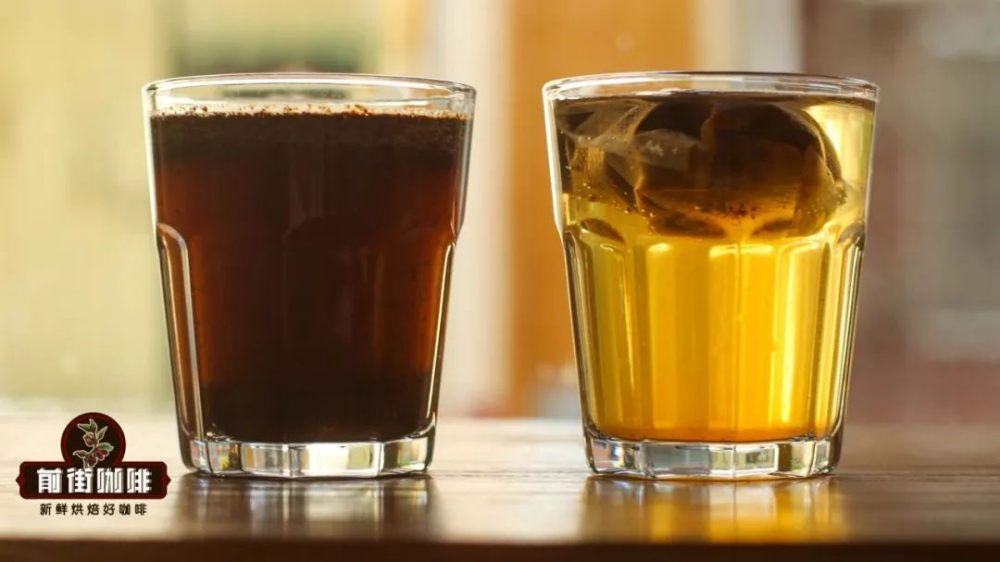
Nowadays, many coffee chain brands launch their own iced coffee products in summer, such as affogato, which combines coffee with ice cream; ice drip coffee, made by filtering ice water drop by drop; and cold brew coffee, made by directly soaking coffee grounds in cold water and then filtering.
The English term for cold brew coffee is ColdBrewCoffee. The method is to soak ground coffee beans in cold water for more than eight hours, then use a filtering tool to separate out the coffee grounds. This drink is not complicated to make. You only need to choose a fresh coffee bean that suits your taste and adjust the parameters properly, and you can easily get a delicious cup of iced coffee. So how exactly should the grind size, coffee-to-water ratio, and other parameters for cold brew coffee be set?
Coffee Bean Selection Suggestions for Cold Brew Coffee
Cold brew pursues a refreshing, clean, and transparent drinking experience, so Front Street Coffee recommends choosing medium-light roasted coffee beans, as this makes it easier to bring out floral and fruity acidity notes.
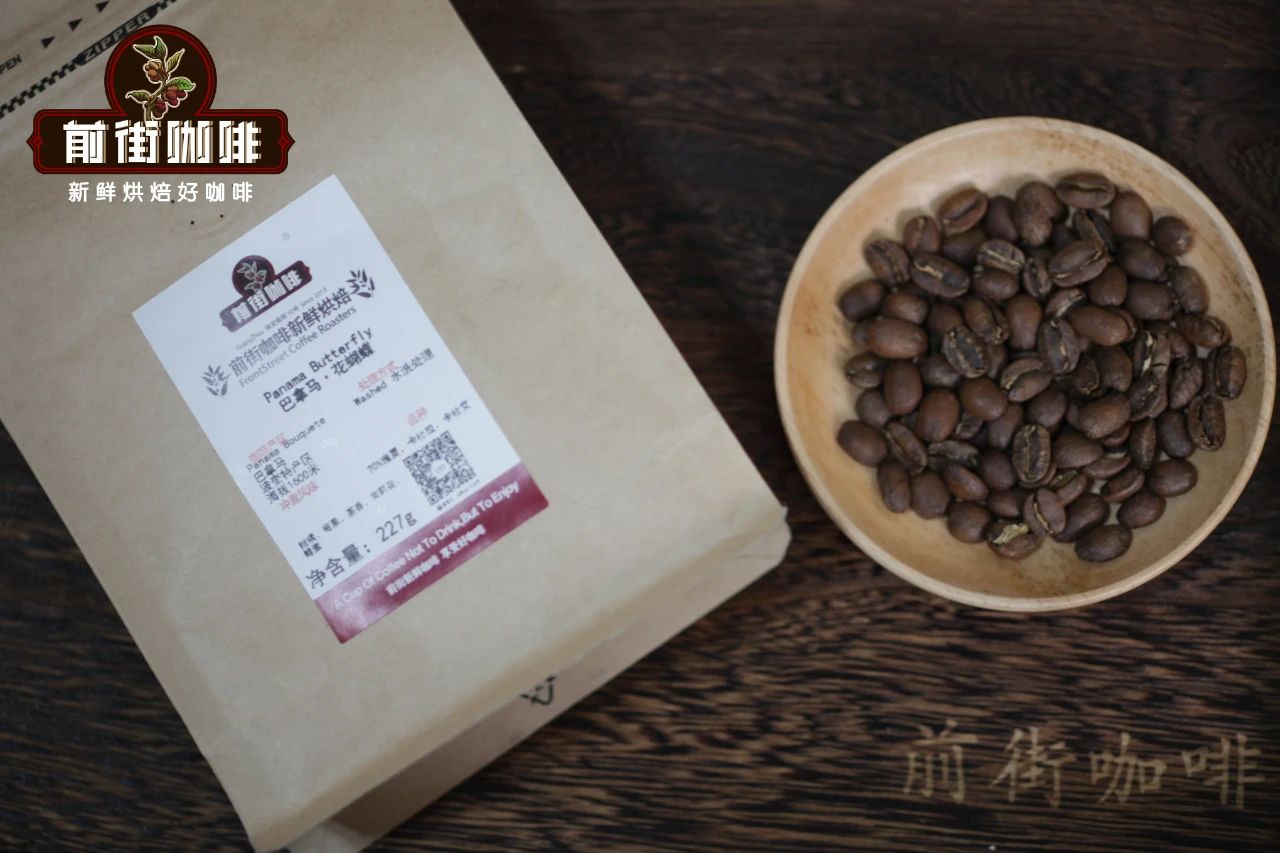
① Front Street Coffee Panama Butterfly. This washed bean contains 70% Geisha, making it quite cost-effective. When used to make cold brew coffee, it presents clean and refreshing floral notes, citrus, and oolong tea-like flavors.
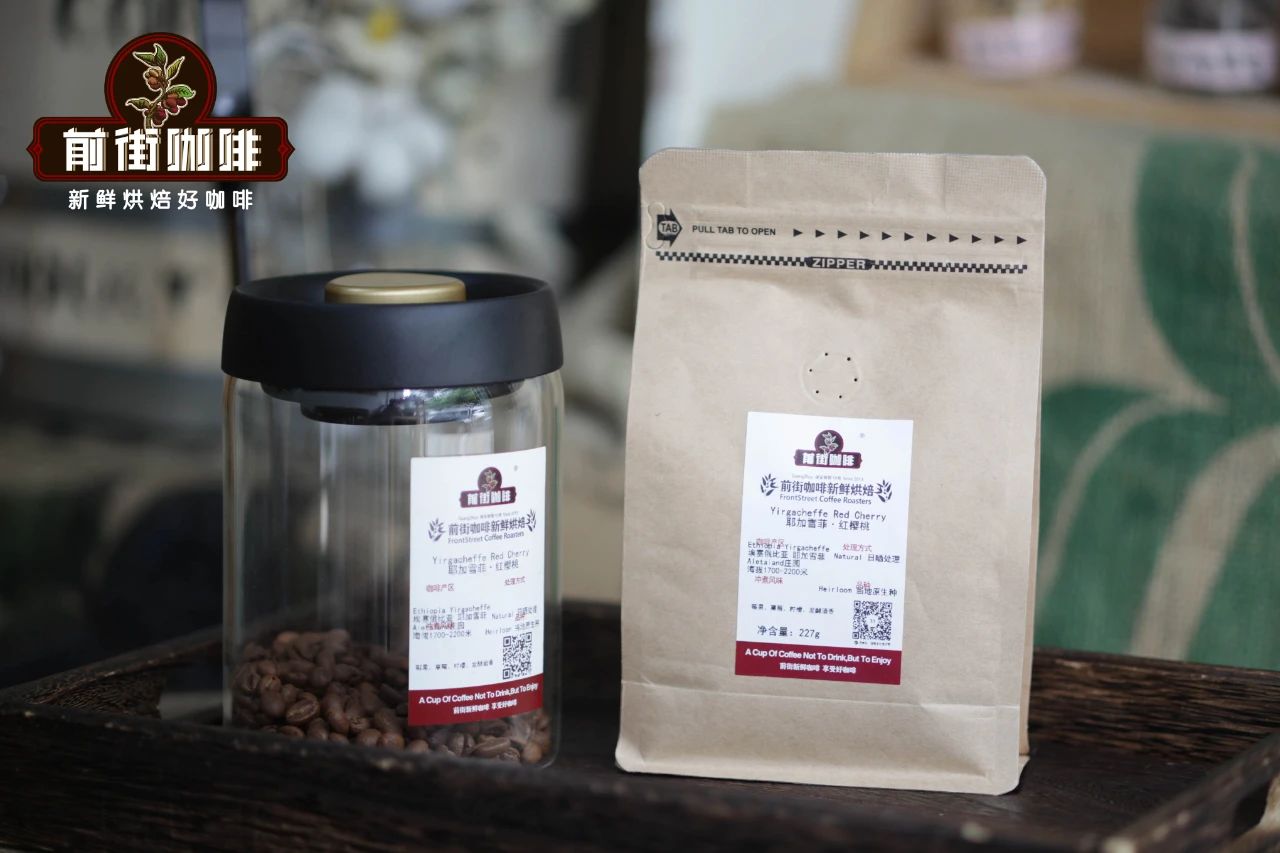
② Front Street Coffee Ethiopia Yirgacheffe Red Cherry Project. Yirgacheffe is one of the most representative types of African coffee beans, and its rich floral and fruity character has attracted a large number of coffee lovers. The Red Cherry Project is outstanding in quality among natural Ethiopian beans and is also very suitable for cold brew. When used to make cold brew coffee, you can taste sweet berry notes, rich layers, and honey-like sweetness.
③ Front Street Coffee Costa Rica Musician Series Mozart. The Musician Series has always been known for its highly recognizable flavors. Front Street Coffee Mozart uses anaerobic honey processing and has charming osmanthus fragrance, grape notes, and fermented wine aroma. It performs brilliantly in iced coffee, with both flavor and body.
Grind Size
Cold brew coffee relies on soaking in ice water for extraction, and the efficiency is very low. In other words, there is no need to worry about over-extraction at all. If using pour-over grind size as a reference, it can be ground slightly finer. It is recommended to use an 85% pass rate through a No. 20 standard sieve as the benchmark, while trying to control the amount of fines.
During testing, Front Street Coffee found that too many fines not only prolongs the filtering time, but even after filtration is complete, more oils and fines float on the surface of the coffee liquid, thereby affecting the mouthfeel.
Coffee-to-Water Ratio
So how much water is actually appropriate for steeping? Front Street Coffee’s production standard is a ratio of coffee grounds, water, and ice cubes of 1:8:4, which converted into an actual coffee-to-water ratio is 1:12. The purpose of adding ice cubes is to keep the water temperature low enough so that extraction efficiency remains stable within a controllable range.
Temperature
Usually, cold brew coffee should be extracted at low temperature in the refrigerator, and in a low-temperature environment it needs to steep for 24 hours. So can cold brew coffee be extracted at room temperature? Of course it can, but the corresponding extraction time should be shortened. Front Street Coffee suggests controlling the time between 8 and 12 hours when extracting at room temperature.
Front Street Coffee’s Cold Brew Method
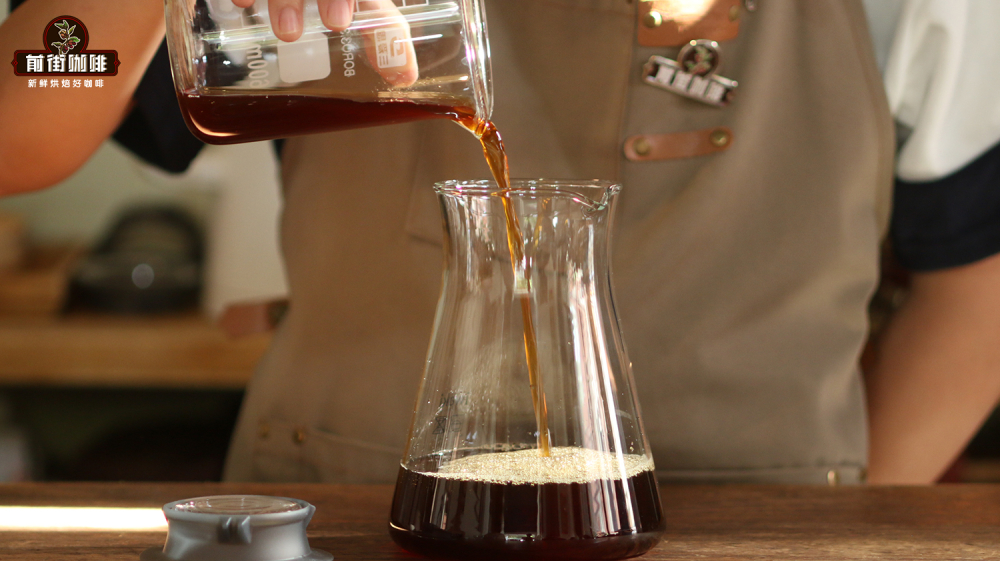
Cold brew coffee is a very easy method to get started with. Taking Front Street Coffee’s method as an example, use 50 grams of coffee grounds as the benchmark, with a grind size of 85% passing through a No. 20 standard sieve. Put the coffee grounds into a glass jar, pour in 400 milliliters of room-temperature water and 200 grams of hard ice cubes (the ice-water mixture totals 600 grams), for a coffee-to-water ratio of 1:12. Then use a stirring rod to mix the coffee grounds and water evenly, seal it, and place it in the refrigerator.
After letting it sit in the refrigerator for 12 to 24 hours, use filter paper to filter out the coffee grounds and obtain a clean coffee liquid. Then pour the coffee liquid into a clean sealed bottle and refrigerate it for about 4 hours before drinking.
In fact, compared with the strict parameter requirements of other extraction methods, cold brew is quite forgiving. From the choice of coffee beans to the sealed container, and then to the coffee-to-water ratio, grind size, and steeping time, there is a lot of room for adjustment. In other words, as long as the parameter combination is not especially extreme, you can make a good cup of iced coffee.
However, some friends also encounter problems when trying it: clearly using the same bean and copying the same parameters, the cold brew they make is not as rich and sweet as what they drink in the shop. What is going on? Front Street Coffee has summarized several key details. Those making it at home can check them one by one to see whether the problem lies in these areas.
Steeping time should not be less than 8 hours, nor exceed 18 hours
In pour-over, we pay special attention to water temperature and time, because water is the main medium for brewing, and temperature directly determines extraction efficiency. Too high or too low will change the taste of the coffee. Cold brew, however, is in contact with low-temperature water of 4 to 10°C throughout the entire process, so the extraction speed is very slow. Therefore, the steeping time needs to be appropriately extended to allow more aromatic substances to be released, so that compounds such as sugars and organic acids are extracted more fully, and the final coffee is more balanced in acidity, sweetness, and body. Generally speaking, the steeping time for cold brew coffee is recommended to be controlled between 8 and 18 hours.
Front Street Coffee once conducted a cold brew experiment with time as the variable, steeping the same coffee for 6 hours, 10 hours, 16 hours, and 24 hours respectively. The results found that the cup steeped for 6 hours had a thin body and weak aroma; the cold brew steeped for 24 hours was noticeably bitter, showing signs of over-extraction; while the 10-hour and 16-hour groups performed best, with full aroma and a rich body.
For more specialty coffee knowledge, please follow: Front Street Coffee ( Frontsteet Coffee )
The above content is compiled by CoffeeHunters, a coffee news website.


