







What Coffee Knowledge Do You Need for Cold Brew Parameters?
Cold brew coffee is made by steeping coffee grounds in cold water for more than eight hours, then filtering the grounds out, and the final flavor depends mainly on grind size, coffee-to-water ratio, and steeping time. Finer grinds work better here because cold water extracts slowly, so over-extraction is rarely a concern.
A practical starting point is a coffee-to-water ratio near 1:12, achieved with grounds, water, and ice at roughly 1:8:4, with grind sized a little finer than pour-over and fines kept low. Too many fines lengthen filtration and leave oils floating in the finished liquid, which dulls the mouthfeel.
As June arrives and temperatures climb, a refreshing glass of cold brew coffee becomes the go-to choice for many coffee lovers seeking relief from the heat. Cold brew is made by steeping coffee grounds in cold water for an extended period, then filtering to obtain a clean liquid. It seems simple, but in reality, details such as grind size, coffee-to-water ratio, and steeping time all influence the final flavor. This article draws on Front Street Coffee's hands-on experience to systematically break down cold brew parameter selection, brewing process, and common pitfalls, helping you consistently reproduce a cup of aromatic, clean-tasting iced coffee at home.
For more specialty coffee knowledge, please follow: Front Street Coffee (Frontsteet Coffee)
June has arrived, and temperatures are rising day by day. Friends in the south even say they can barely stand being outdoors for more than two minutes. Whenever the summer heat hits, it always makes you crave a cold, refreshing cup of coffee. Among all the iced coffees, the one you can't avoid every summer is cold brew.
What Is Cold Brew Coffee?
Cold brew coffee, written as ColdBrewCoffee in English, is made by placing ground coffee beans into cold water to steep for more than eight hours, then using a filtering device to separate out the coffee grounds. This brewing method has a very low barrier to entry—as long as you get the parameters right, you can easily make a delicious cup of iced coffee. So how exactly should you determine key parameters like grind size and coffee-to-water ratio?
Grind Size
Cold brew relies on ice water steeping to complete extraction, which is very inefficient. In other words, you hardly need to worry about over-extraction. Using pour-over grind size as a reference, you can go slightly finer. It's recommended to aim for an 85% pass rate through a No. 20 standard sieve, while trying to control the amount of fines.
Front Street's testing found that too many fines not only prolongs filtration time, but even after filtration is complete, the oils and fines floating on the surface of the coffee liquid increase noticeably, which in turn affects the mouthfeel.
Coffee-to-Water Ratio
So how much water should you use for steeping? Front Street's standard ratio is coffee grounds : water : ice at 1:8:4, which works out to an actual coffee-to-water ratio of 1:12. The purpose of adding ice is to keep the water temperature low enough so that extraction efficiency stays within a controllable range.
Temperature
Cold brew coffee is typically extracted at low temperature in the refrigerator, requiring 24 hours of steeping in a low-temperature environment. So can cold brew be made at room temperature? Of course it can—you just need to shorten the time accordingly. Front Street Coffee (FrontStreet Coffee) recommends compressing the steeping time to 8 to 12 hours when extracting at room temperature.
How Front Street Coffee (FrontStreet Coffee) Makes Cold Brew Coffee
Cold brew coffee is a very easy brewing method to get started with. Taking Front Street Coffee (FrontStreet Coffee)'s approach as an example, use 50 grams of coffee grounds as the base, with grind size controlled to an 85% pass rate through a No. 20 standard sieve. Put the coffee grounds into a glass bottle, pour in 400 milliliters of room-temperature water and 200 grams of hard ice cubes (totaling 600 grams of ice-water mixture), giving a coffee-to-water ratio of 1:12. Then use a stirring rod to mix the coffee grounds and water evenly, seal it, and place it in the refrigerator.
After letting it sit in the refrigerator for 12 to 24 hours, use filter paper to remove the coffee grounds and obtain a clean coffee liquid. Then pour it into a clean sealed bottle and refrigerate for about 4 more hours before drinking.
In fact, compared to the strict parameter requirements of other extraction methods, cold brew is quite forgiving. From bean selection and the sealed container used, to coffee-to-water ratio, grind size, and steeping time, there's a lot of room for adjustment. That is to say, as long as the parameter combination isn't particularly extreme, you can make a decent cup of iced coffee.
However, some friends have encountered confusion when trying it: they used the same beans and copied the same parameters, yet the cold brew they made wasn't as rich and sweet as what they had in the shop. Where's the problem? Front Street has summarized a few key details that those brewing at home can check one by one.
Steeping Time Should Not Be Less Than 8 Hours or More Than 18 Hours
With pour-over, we pay special attention to water temperature and time because water is the primary brewing medium, and temperature directly affects extraction efficiency—too high or too low will change the coffee's flavor. Cold brew, however, only comes into contact with low-temperature water at 4 to 10°C throughout, so extraction is very slow. This means you need to extend the steeping time to let more aromatic compounds be released, allowing sugars and organic acids to extract more fully, and ultimately giving the coffee a more balanced acidity, sweetness, and body. Generally speaking, cold brew coffee steeping time is recommended to be controlled between 8 and 18 hours.
Front Street once conducted a cold brew experiment using time as a variable, steeping the same coffee for 6 hours, 10 hours, 16 hours, and 24 hours respectively. The results showed that the 6-hour cup was thin in body and flat in aroma; the 24-hour cold brew was noticeably bitter with signs of over-extraction; while the 10-hour and 16-hour batches performed best, with rich aroma and a full-bodied mouthfeel.
Beans That Are Too Fresh Can Also Affect Extraction
In most high-temperature brewing scenarios, freshness of the roast is often the primary consideration. For one, beans outside their peak flavor window will have greatly diminished aroma—this is already common knowledge. For another, degassing allows us to intuitively judge whether beans are fresh, such as the crema on espresso or the bubbling during blooming, which also indicates the coffee is at its aromatic peak.
Coffee beans are constantly heated in the roaster, and freshly roasted beans contain a large amount of carbon dioxide inside. To extract the aromatic compounds within, you first need to let these gases escape. Cold brew itself is a relatively static extraction state, and low-temperature water also inhibits gas release to some extent, so the resulting coffee can easily taste bland. Therefore, Front Street recommends choosing coffee beans with a roast date more than 10 days prior to making cold brew, as this is more conducive to producing an aromatic cup.
Stir Thoroughly Both Before and After Extraction
Many beginners, looking to save effort, just add water, seal the lid, and put it straight into the refrigerator. The coffee grounds may look wet on the surface, but some areas haven't actually come into contact with water, and those dry grounds naturally don't participate in extraction. Additionally, after sitting overnight, the vast majority of particulate matter sinks to the bottom of the container. If you pour it out for filtration at this point, you'll most likely only get the lighter-colored liquid from the top layer, and the taste naturally won't be great.
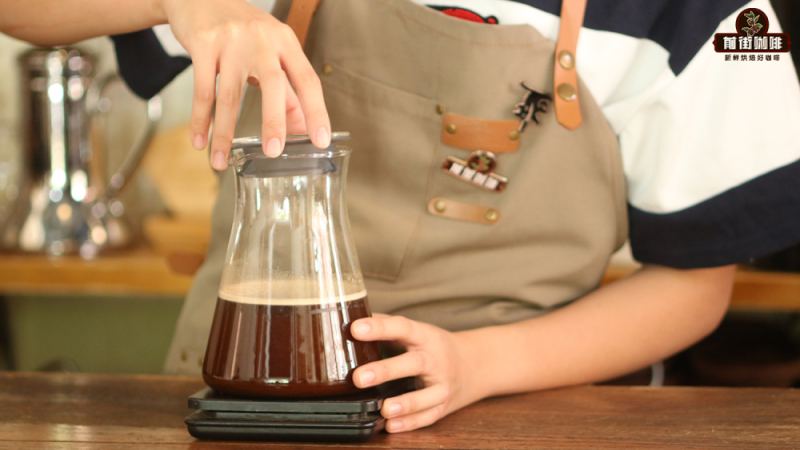
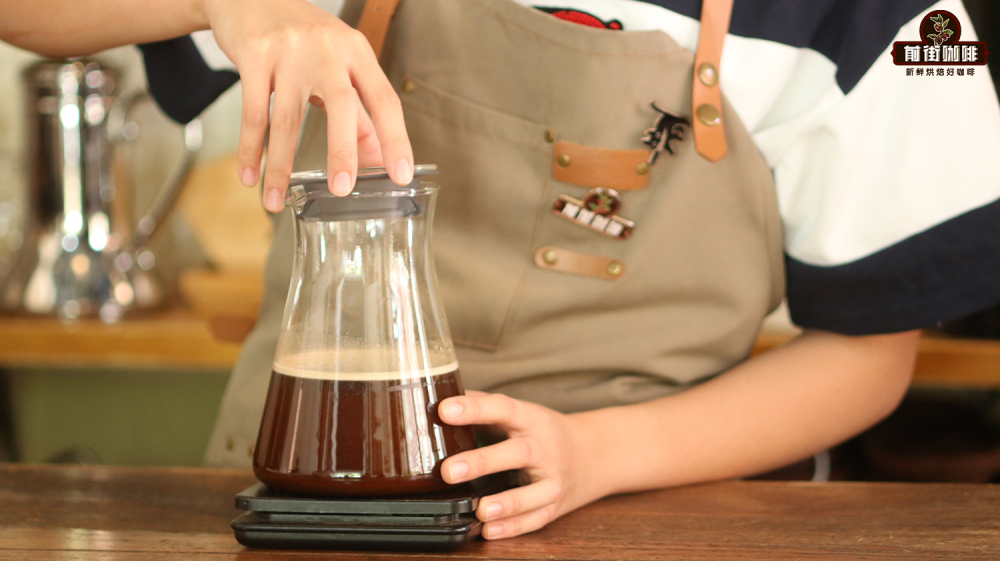
Based on Front Street's experience, if you're using a larger pitcher, you can use a stirring rod or long spoon to mix the coffee grounds and water evenly before putting it in the refrigerator, and after taking it out, stir it a few more times before filtering. If you're using a sealed water bottle, just gently shake it up and down after sealing the lid.
Filter Out the Grounds Thoroughly for Better Cold Brew Taste
There are many equipment options for filtering out coffee grounds, such as the built-in filter mesh of a cold brew pitcher, metal mesh filters, filter paper, and flannel cloth. Different pore structures naturally intercept different sizes of particulate matter.
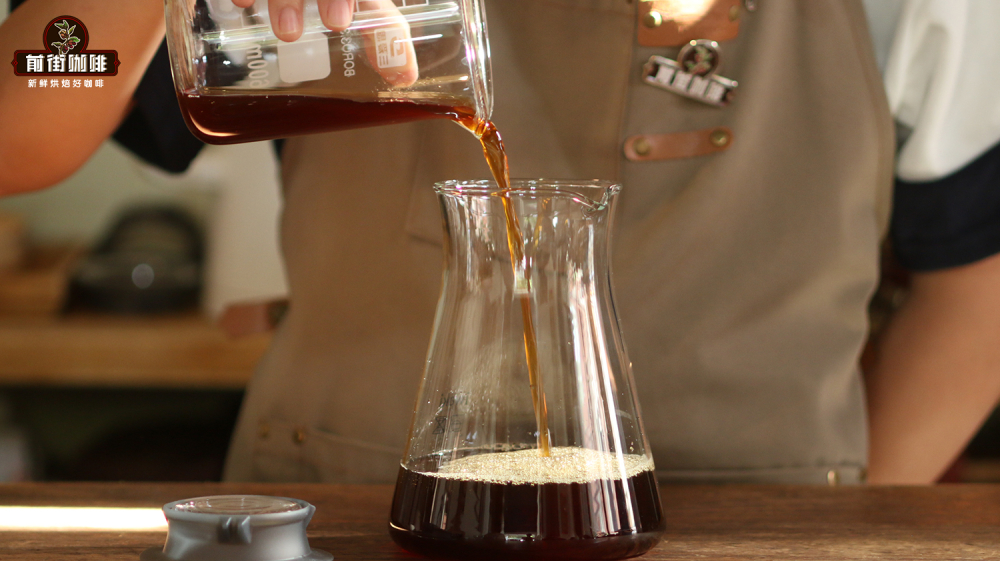
Taking the cold brew pitcher Front Street uses as an example, the filter mesh has a pore size of 245 mesh, which is already quite fine, but fines and ultra-fines still pass through. Without a second filtration, a layer of flocculent oil slick floats on the surface. The flavor when drinking isn't much different from after filtering, but the rough sensation left on the tongue when swallowing is quite noticeable, and after finishing, some visible grounds settle at the bottom of the cup.
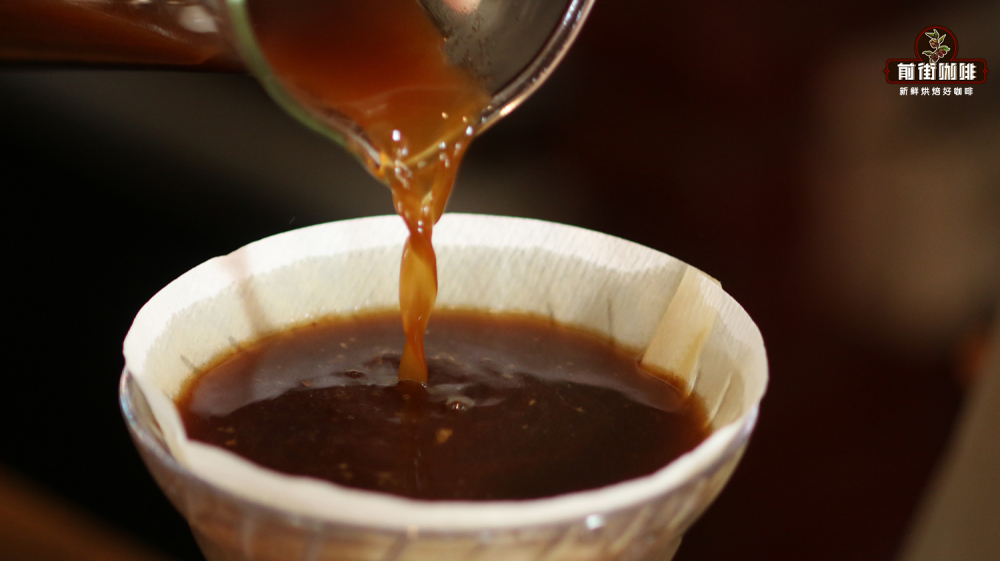
To achieve a better drinking experience, Front Street filters it again with higher-density filter paper. This not only effectively removes ultra-fines but also blocks over 80% of the oils. After filtering out the grounds, Front Street also seals the cold brew liquid and refrigerates it for 3 to 4 hours, allowing flavor compounds to further settle and mature. After this treatment, the cold brew tastes very full in flavor, with a clearer mouthfeel and more transparent acidity.
The above content is compiled by CoffeeHunters, a coffee news website.


