







Search Results for: cold air effects
Causes and Countermeasures for the Decline in Extraction Yield of Winter Pour-Over Coffee: How Should Water Temperature Be Adjusted?
After the weather turns cold, many coffee enthusiasts find that coffee brewed with the same parameters and technique doesn't taste as good in flavor and mouthfeel as it did before the temperature dropped. The problem isn't with the beans or the technique—it's that the cold air quietly changes the actual brewing water temperature. As hot water flows from the kettle and travels through the air before contacting the coffee grounds, the lower the air temperature and the higher the pouring height, the more severe the heat loss. Drawing on observations from Front Street Coffee, this article explains the relationship between water temperature and extraction efficiency, and offers a simple and effective solution: raise the brewing water temperature by 1 to 2°C to compensate for the heat carried away by cold air, bringing winter pour-over coffee back to its ideal state. [more…]

How Does Water Temperature Variation in Pour-Over Coffee Affect Flavor? What Temperature Is Suitable for Brewing in Winter?
Same beans, same technique—why does the coffee brewed after the temperature drops just not taste as good as before? Many people overlook a key variable—the water temperature has already quietly lost heat before it even reaches the coffee grounds. Hot water flows from the spout, passes through the air, and then contacts the coffee bed; this process carries away some of the heat, causing the actual extraction temperature to be lower than the set value. Cold winter air in particular intensifies the heat loss, extraction efficiency declines, and the flavor naturally shrinks. This article will break down the mechanism by which water temperature affects extraction and provide a simple and effective adjustment plan: just raise the brewing water temperature by one or two degrees to make up for the heat stolen by the air, allowing the coffee to return to its proper performance. Front Street Coffee's brewing recommendations will also be shared. [more…]
How to Keep Pour-Over Coffee Quality Stable as Temperatures Drop? A Full Guide to Water Temperature, Equipment Preheating, and Static Control
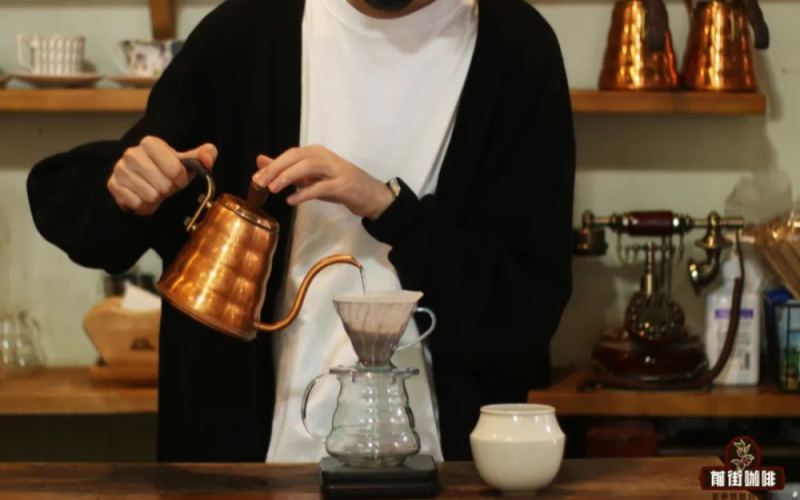
When cold air arrives, the extraction rhythm of pour-over coffee often gets thrown off. The originally set water temperature of 92°C may drop to only 87°C by the time it reaches the coffee bed, and a sudden drop in ambient temperature causes hot water to lose even more heat in the air, leading to under-extraction and a weak, flat flavor. In addition to raising the water temperature by 1–2°C or lowering the height of the pour, preheating the server and dripper can also significantly slow heat loss—an unheated server will cause the coffee liquid to drop to around 69°C, while after preheating it can be maintained at around 75°C. In addition, the static electricity generated during grinding in cold weather cannot be ignored either; coffee grounds tend to clump or stick to the grinder, which can be effectively solved with a distribution needle and a blower. This article starts with three key details to help you keep every cup of pour-over performing steadily. [more…]
How long is the enjoyable drinking window for hot coffee | How to maintain coffee temperature for a long time? Why is the method of greatly increasing water temperature to make hot coffee not advisable?
Finally! Under the wash of cold air, Front Street Coffee has at last felt the chill that autumn should bring in Guangzhou. Although it's said to be short-lived, it's still better than nothing. And as Front Street Coffee has often shared, a drop in temperature does have a certain effect on coffee. This effect isn't just on extraction, but also on what is made. [more…]

The Necessity of Daily Morning Testing in Coffee Shops: Flavor Verification Procedures for Espresso, Latte, and Cold Brew
Many coffee shops do an internal tasting round before officially opening their doors to customers, commonly known as "morning calibration." The core purpose of this step is to confirm whether the coffee being served that day still tastes consistent, and if any abnormalities or negative changes in flavor are detected, adjustments must be made promptly. Some people wonder: if the equipment, water quality, parameters, and beans haven't changed, how could the taste change? In fact, espresso is particularly susceptible to the effects of coffee bean degassing and air humidity, so morning calibration is not superfluous. In addition to espresso, lattes and cold brew also need to be included in the testing. This article will explain one by one the reasons for morning calibration in coffee shops, what gets tested, and its significance at the food safety level. [more…]

Can iced lattes achieve latte art effects? Analyzing why hot milk is the key to latte art
The delicate latte art patterns on a hot latte are always a pleasure to behold, but why is it that an iced latte, made from the same espresso and milk, almost never features latte art? Behind this lies the science of milk foam formation, the effect of temperature on blending, and various practical limitations. Front Street Coffee has made multiple attempts at making iced milk foam, from handheld frothers to French presses, in an effort to replicate latte art on cold drinks, but the results were less than satisfactory. This article will delve into the scientific principles of latte art, compare the differences between making hot and iced lattes, and share Front Street's real experiences and final results from iced milk foam experiments. If you've ever wondered why iced lattes can't have latte art, or want to understand the challenges of making cold milk foam, this article will reveal it all. [more…]
Hot Coffee Beats Iced Coffee for Beating the Heat? A Scientific Look at the Temperature Debate in Summer Coffee Drinking
On a scorching summer day, with temperatures approaching 40 degrees Celsius, would you rather pick up a glass of iced coffee or a hot coffee? Most people's instinct would be to choose a cold drink to dispel the heat, yet scientific research gives the exact opposite answer: a hot beverage may actually be the truly effective way to cool down. This article explores in depth the pros and cons of iced coffee versus hot coffee in summer from the perspectives of taste perception, the principle of ice dilution, and the body's sweating and evaporation mechanisms, and analyzes why some people insist on drinking hot coffee in the sweltering heat. Whether you are a loyal fan of iced coffee or a staunch supporter of hot coffee, this discussion about temperature and how it feels to the body is worth a read. [more…]
Pour-Over Coffee Heat Retention and Hot Milk Coffee Temperature Control Guide: How to Slow Cooling Without Ruining Flavor
When the temperature drops, coffee cools down noticeably faster, and its enjoyable drinking window shortens accordingly. Once hot coffee goes cold, it often no longer tastes good—for example, Front Street PWN Golden Mandheling tends to turn bitter, while Front Street Yirgacheffe becomes more sharply acidic. This article addresses three questions: whether pour-over coffee can be kept warm in a thermos, why coffee's flavor deteriorates after it cools, and what temperature milk in a latte should be steamed to. It also offers practical tips, including moderately raising the water temperature and milk temperature, preheating equipment, covering and sealing, and using a thermos for short-term storage of pour-over coffee, to help you extend the time your coffee stays tasty without ruining the extraction or mouthfeel. [more…]
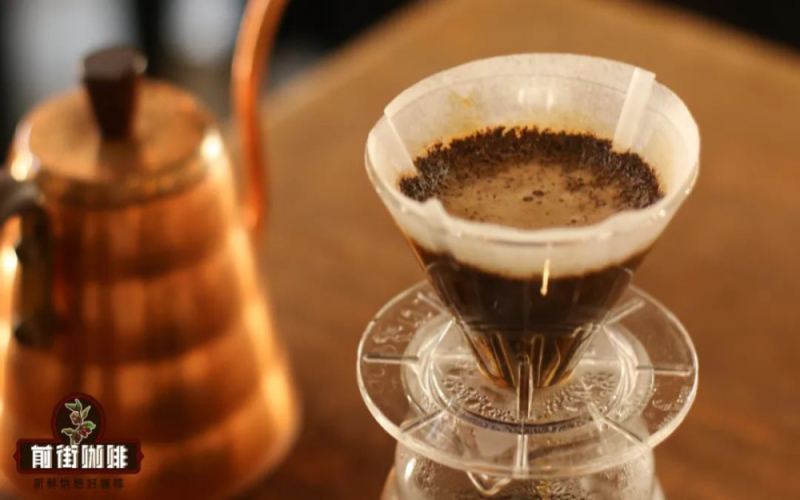
Why Does Pour-Over Coffee Taste Weaker When Temperatures Drop? Water Temperature Adjustments and Four Practical Tips
When the weather turns cold, many coffee enthusiasts notice that even with the same beans and the same technique, the coffee they brew comes out weak and lacking in flavor. This is not a problem with the bean roasting, but rather the low-temperature environment changes the rate at which the hot water loses heat, which in turn affects extraction efficiency. Starting from the principle of heat loss, this article explains in detail how cooling leads to under-extraction, and offers four actionable improvements: preheating the kettle spout, raising the water temperature, increasing the water volume, and lowering the pouring height. Finally, it includes Front Street Coffee's store information to help you consistently produce a delicious pour-over even in the cold season. [more…]
The Flavor Window of Cold Brew Coffee Beans: Opening the Bag and Drinking Rhythm
For cold brew, there's no need to rush to use beans straight out of the roaster. After coffee beans finish roasting, they continue to slowly release carbon dioxide internally, and the aroma and flavors need time to rebalance. Cold extraction is inherently slower in pace, and if the beans are still in an unstable state, the cup may end up with only sharp acidity or thin aroma. Wait until the flavors open up, [more…]
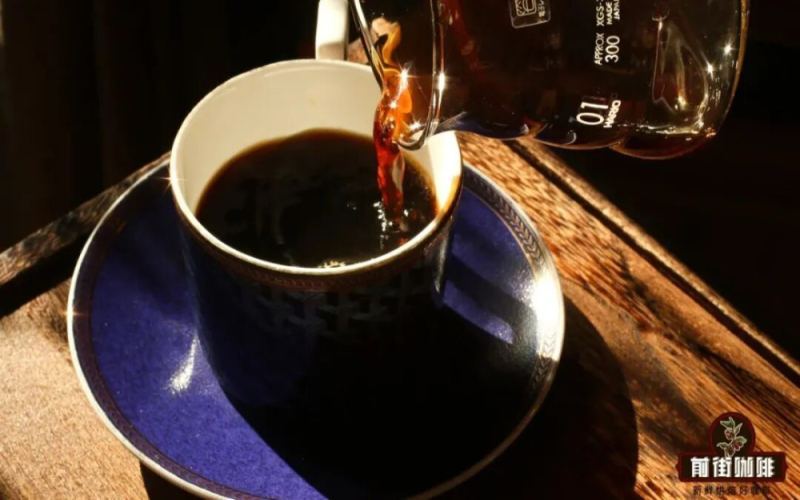
How Does the Flavor of Pour-Over Coffee Change After It Cools? Can You Reheat It and Keep Drinking? A Professional Analysis of Temperature's Effect on Taste
Drinking coffee while it's hot is the only way to enjoy it—this is the consensus among many coffee lovers. But when a pour-over goes from scalding hot to lukewarm, or even completely cold, what exactly happens to the flavor? When coffee goes cold, some people try to rescue it by reheating it—is this approach viable? From the professional perspective of Front Street, this article breaks down in detail the differences in how taste buds perceive sweetness, acidity, and bitterness across different temperature ranges, analyzes the deterioration in mouthfeel caused by aroma loss, oil oxidation, and precipitation of soluble compounds after coffee cools, and uses a tasting example of Sidamo Alo to illustrate the concrete flavor expression at each stage—high temperature, medium temperature, and low temperature. At the same time, the article offers practical advice on reheating, providing reference temperature ranges for warming back up according to the different characteristics of medium-light roasts and medium-dark roasts, helping readers minimize waste as much as possible while preserving the pleasant experience a cup of coffee should have. [more…]
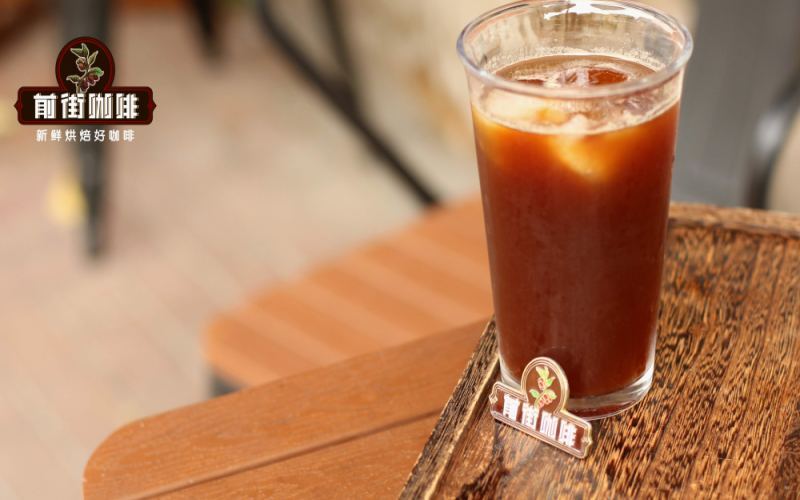
Cold Brew, Ice Drip, Nitro Coffee, and Molten Ice Americano: A Complete Analysis of the Methods and Taste Differences of Four Types of Iced Coffee
On a scorching summer day, a glass of iced coffee always perks you up. Besides the familiar iced Americano, cold brew, and iced drip, there is also a "flowing sand" iced Americano derived from the iced Americano, whose creative inspiration comes from nitro cold coffee. This article will compare these types of iced coffee in detail, from the beer-like mouthfeel of nitro coffee, to the dense foam production of the flowing sand iced Americano, and then to the extraction parameters of cold brew and iced drip—Front Street Coffee provides specific methods for all of them. If you want to know how to get a boozy taste without alcohol, or want to recreate a layered iced coffee at home, read on. [more…]
Analysis of Three Common Issues in Winter Pour-Over Coffee: Water Temperature Control, Equipment Heat Retention, and Static Clumping Management
In the depths of winter, the consistency of pour-over coffee often faces more challenges. Lower room temperatures cause water to lose heat faster, chilly equipment quietly alters the extraction rhythm, and static electricity from dry air makes coffee grounds clump and causes frequent issues with grinders retaining grounds. As Front Street Coffee, deeply rooted in the coffee field, we've combined in-store experience with customer feedback to identify the three most common situations encountered in winter brewing, and provide practical, actionable solutions—including how to adjust water temperature, how to keep equipment warm, and simple tips for dealing with static clumping—to help you brew consistently good flavor even in the cold season. [more…]
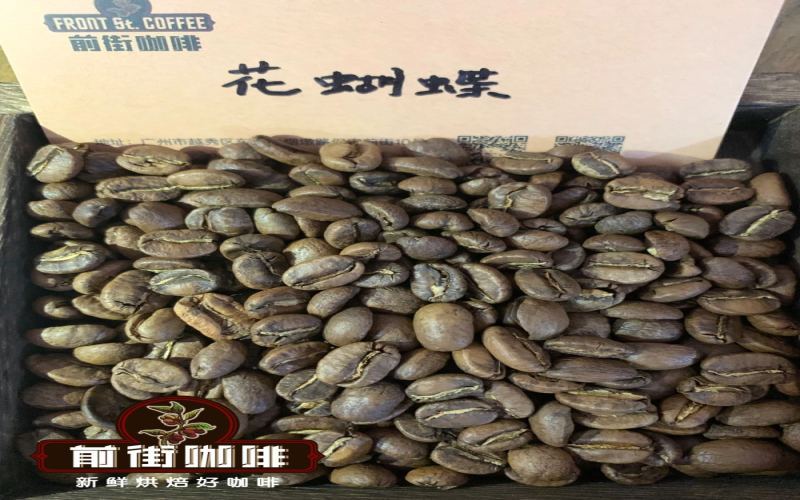
Panama Butterfly Coffee Beans: Flavor Analysis and Brewing Parameters of a Geisha Blend from the Boquete Region
Panama Butterfly coffee beans come from the Boquete Baru Volcano region and consist of three varieties: Geisha, Caturra, and Catuai. After washed processing, they present clean flavors of peach, nuts, honey, and green tea. This bean contains over 50% Geisha lineage, yet is known for its affordable price, combining the classic character of Panamanian Geisha with high cost-effectiveness. Front Street Coffee uses a medium-light roast to preserve the floral aroma and fruity acidity, and gives V60 pour-over recommendations: 15 grams of powder, 89-90°C water temperature, 1:15 powder-to-water ratio, extraction time of about 2 minutes, ultimately presenting the enchanting aromas of white grapes, caramel, honey, and high-mountain black tea. [more…]
Panama Boquete Butterfly Coffee Beans: A Geisha-Lineage Blend or Single Origin? Full Analysis of Region, Flavor, and Brewing
Panama Butterfly coffee beans have attracted much attention for combining Geisha flavor with an affordable price. This bean comes from the Boquete Baru Volcano region and is a blend of three varieties: Geisha, Caturra, and Catuai. After washed processing, it presents notes of peach, nuts, honey, and green tea. Is it actually a blend or a single origin? Why can it have more than 50% Geisha lineage while maintaining high cost-effectiveness? Front Street Coffee will guide you through Butterfly's estate background, variety composition, roasting approach, and pour-over recipe, and share cupping flavors and brewing details to help you gain a more comprehensive understanding of this Panamanian bean that combines floral aromas and sweetness. [more…]
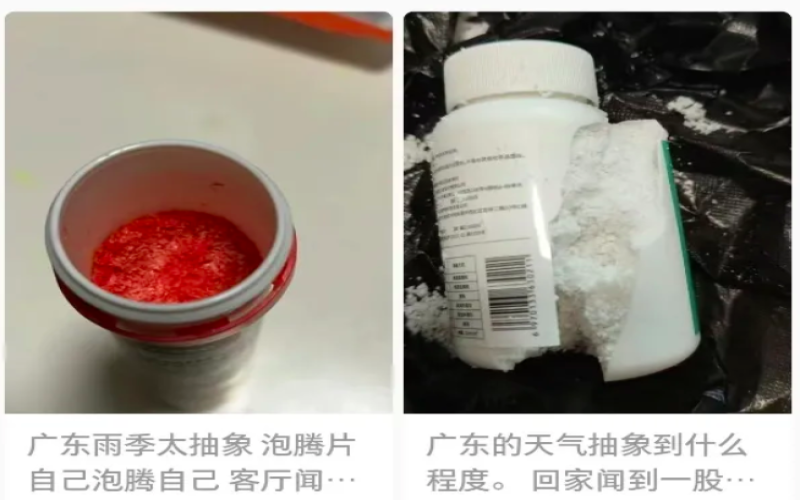
What to Do When There's Excessive Dampness in the Body? Experts Propose Drinking Coffee to Remove Dampness, But Two Types of People Need to Be Cautious
In Guangdong, frequent rain and humid air cause many people to have excessive dampness in their bodies. Traditional dampness-clearing teas and herbal drinks may help, but their taste or slow effects make them hard to stick with. Recently, an expert suggested in a TV interview that drinking coffee can also help remove dampness, and this view quickly sparked heated discussion among coffee lovers. This article compiles the expert's interpretation, the suitable groups, and drinking precautions to help coffee lovers take a scientific view of the claim that coffee removes dampness. [more…]
Cold Brew Coffee via Low-Temperature Slow Extraction: Principles, Grind Size Selection, and the Suitability of Mandheling
The most delightful thing in summer is nothing more than staying at home with the air conditioning on and drinking a cup of homemade cold brew coffee. Cold brew uses low-temperature extraction throughout, which is completely different from iced pour-over or iced Americano, where hot water is used first and ice is added afterward. Low temperatures suppress the release of bitter compounds, but they also lengthen the extraction time, generally requiring 6 to 12 hours. This article will explain the relationship between the extraction principles of cold brew and the flavor composition of coffee beans, explain why increasing concentration actually requires coarsening the grind, provide a specific method using 30g of coffee, a 1:13 coffee-to-water ratio, and 8-12 hours of refrigeration, and sort out three types of beans suitable for cold brew: light roast, fermented flavor, and dark roast, with a key response to whether Mandheling is suitable, while also noting that choosing coffee beans rested for more than 10 days is better for aroma expression. [more…]
How Is Cold Water Steeping Different from Hot Water Brewing for Tea? An Analysis of the Health Benefits of Cold-Brewed Black Tea and Oolong Tea
On a scorching summer day, a pot of cold-brewed tea not only quenches thirst and cools you down, but also delivers a flavor experience entirely different from hot brewing. Steeping tea leaves in cold water for an extended period avoids the heavy release of theophylline and tannic acid, making the tea liquor smoother and sweeter; low-temperature cold extraction also draws out more of the sweet-tasting compounds such as amino acids. So what exactly is the essential difference between cold brewing and hot brewing? And what effects do cold-brewed black tea and oolong tea have on the body? This article will give you a complete analysis of the unique appeal of cold-brewed tea, from the underlying principles to brewing methods and ways of drinking it. [more…]
A Complete Guide to Steaming Milk for Coffee Beginners: Principles, Tools, Steps, and Blending Techniques
To make a velvety, smooth latte or cappuccino at home, steaming milk is an unavoidable fundamental skill. This article starts with the principles of milk foam, first explaining the roles of the two stages—"aeration" and "texturing"—then compares the pros and cons of tools such as electric handheld frothers, manual frothing pitchers, hot/cold electric milk frothers, and espresso machine steam wands, with a key breakdown of the complete steam frothing process. The content covers the effects of milk fat and temperature, the choice of steam wand hole count and dryness, the considerations for pitcher size and shape, as well as practical tips on insertion angle, judging by sound, controlling aeration volume, and testing integration. The article also incorporates recommendations from Front Street Coffee, offering practice suggestions suitable for beginners. [more…]
Where is Indonesian Kopi Luwak produced? A full analysis of its origin story and pour-over and cold brew parameters
Kopi Luwak is one of the rarest and most expensive coffees in the world, with an annual production of less than 120 pounds. Its unique in-vivo fermentation process gives it a thick, rich, and mellow flavor. This article will guide you through the origin of Front Street Kopi Luwak—the Gayo highlands of Sumatra, Indonesia—review the story of this specialty coffee from the 16th century to the present, and share detailed parameters for low-temperature pour-over and cold-drip brewing. In addition, the article includes tasting tips and clever uses for coffee grounds in skincare, allowing you to fully experience the unique charm of this rare coffee from brewing to tasting. [more…]