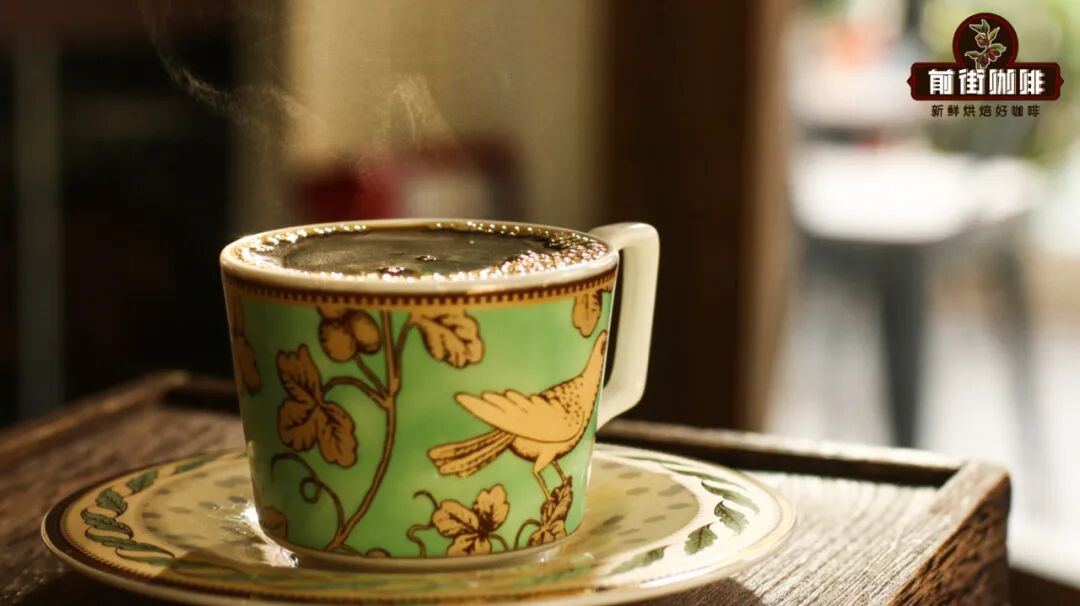
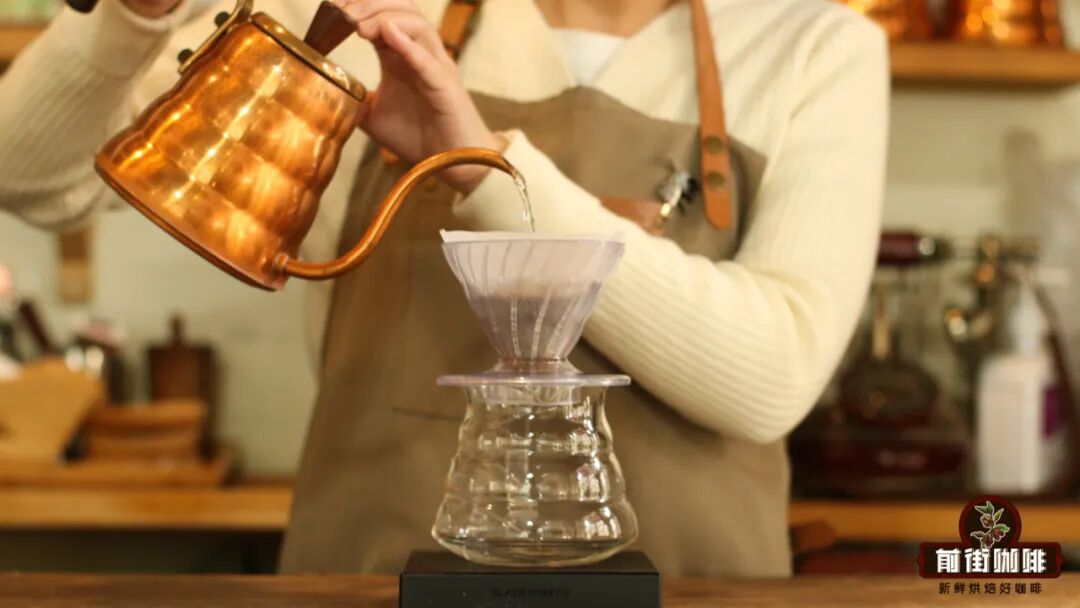
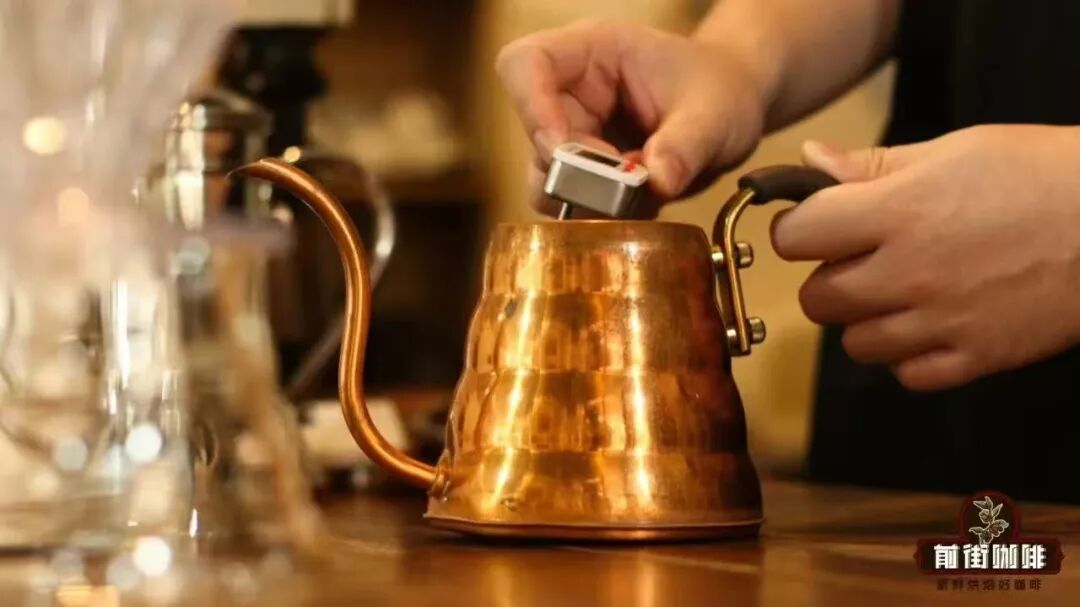
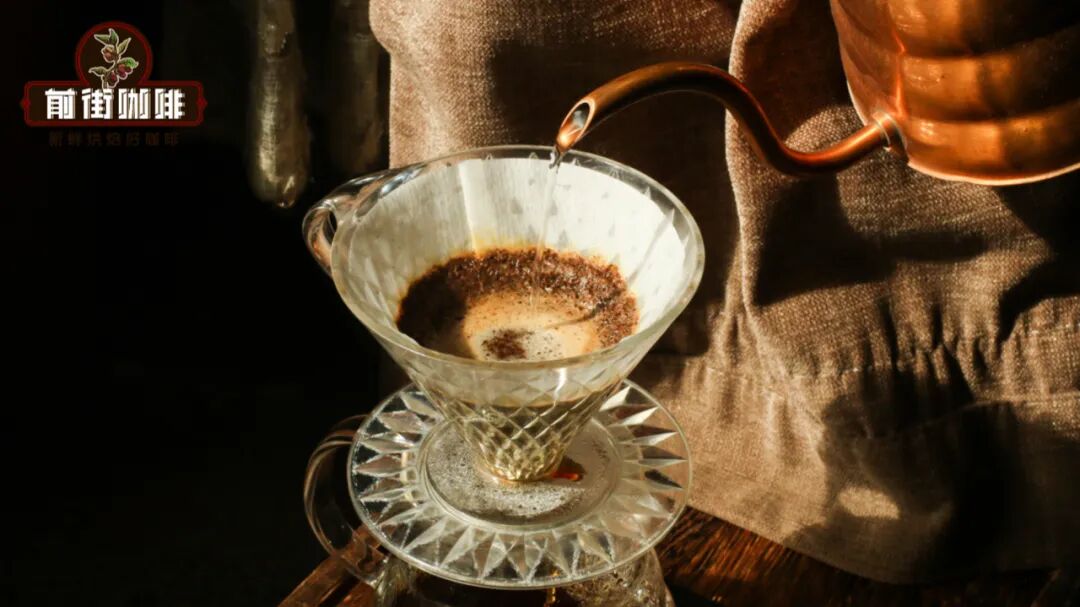
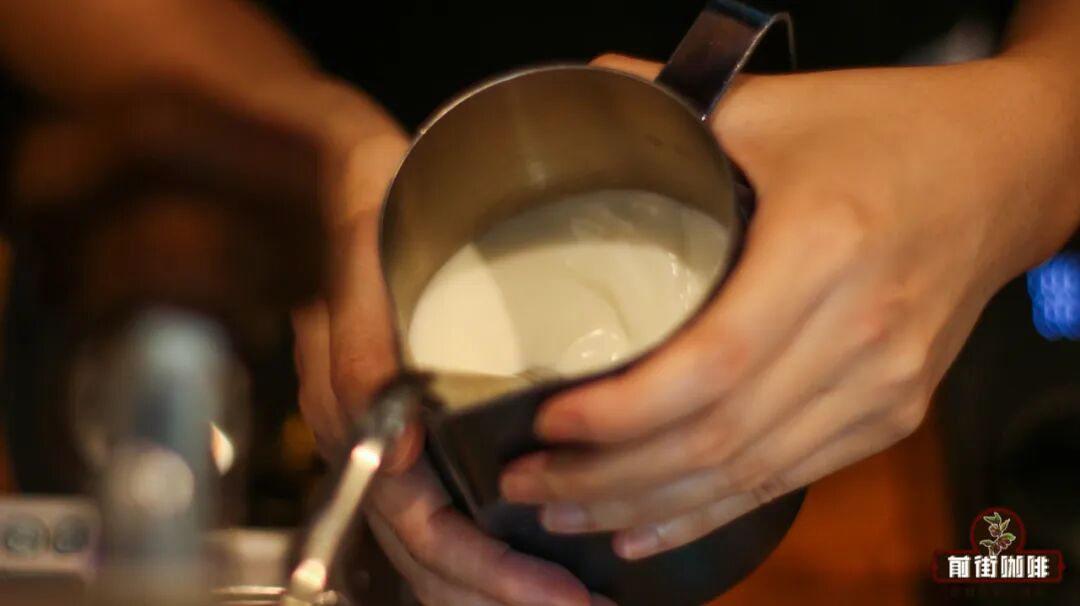
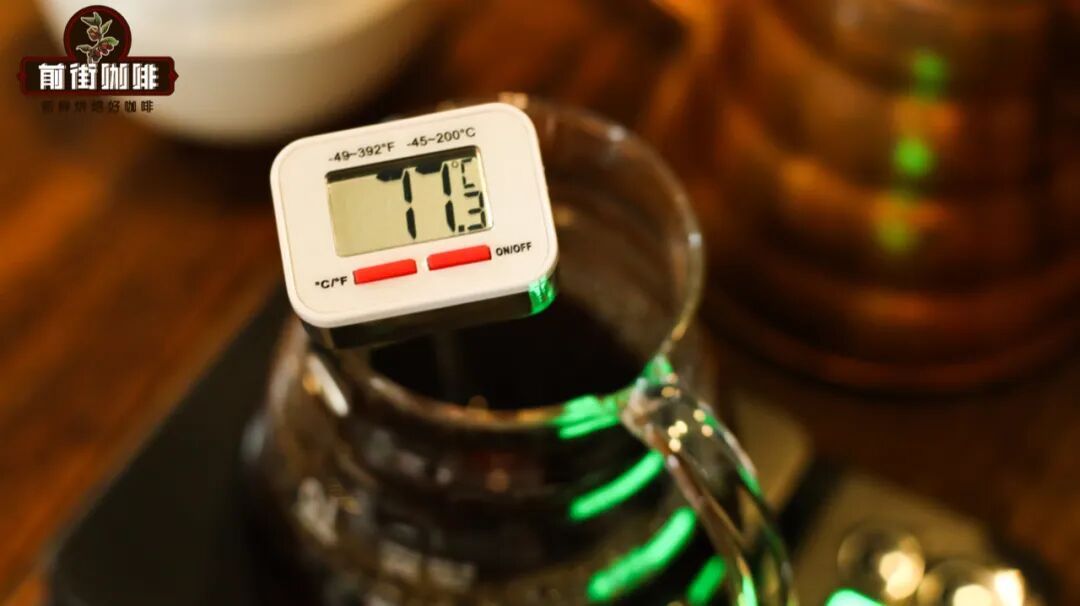
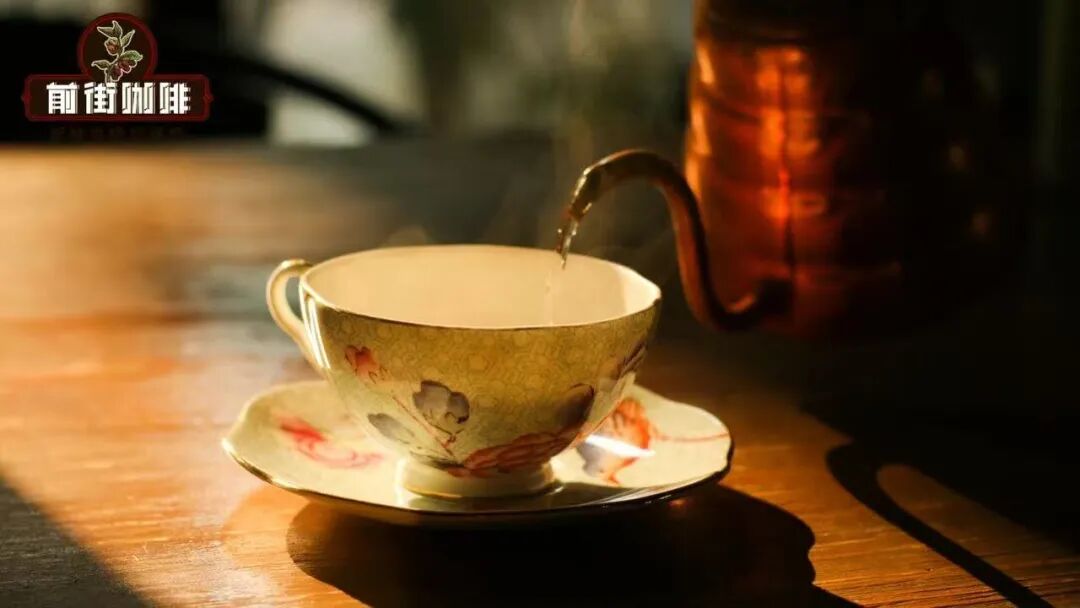
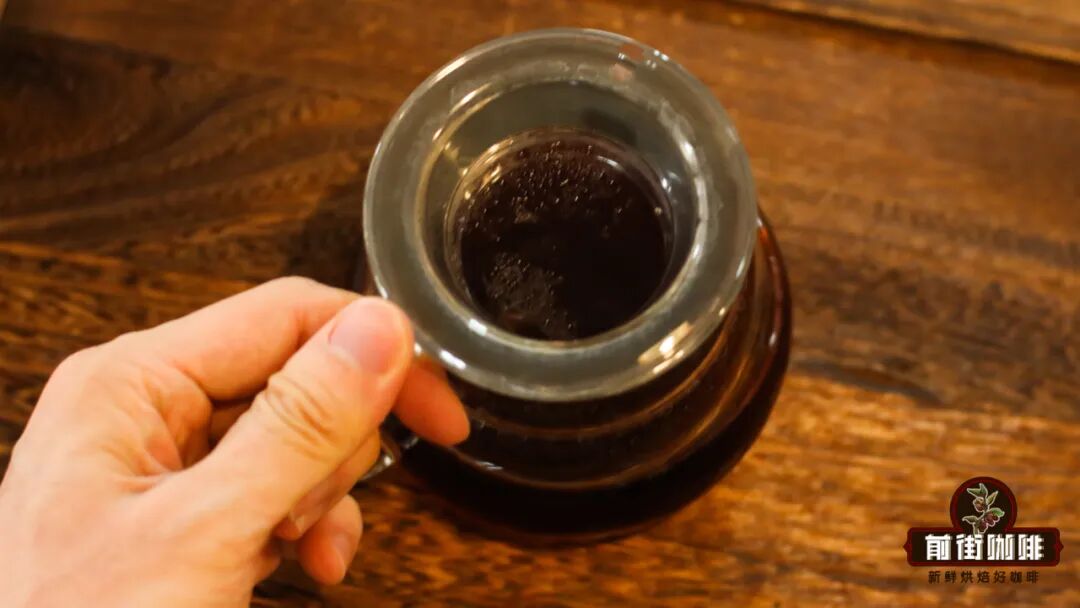
Finally! Under the sweep of the cold air, Front Street has at last felt the chill that autumn should bring in Guangzhou. Although it's said to be short-lived, it's better than nothing.And as Front Street often shares, a drop in temperature has a certain effect on coffee. This effect isn't just on extraction, but also on the coffee that's made. Once the coffee is brewed, its temperature drops faster than at room temperature, because the greater the temperature difference, the faster heat is lost.Cooling too quickly shortens the coffee's peak-flavor window, because as everyone knows, hot coffee doesn't taste as good once it cools down. And many people can't finish a cup of coffee in a short time, so this has led quite a few businesses to research how to extend coffee's "peak-flavor window"—that is, how to make coffee cool down more slowly.Obviously, raising the coffee's temperature is a good method! As long as we appropriately raise the temperature of the liquid when making coffee—for example, using hotter water to make a hotter hot Americano, or hotter milk to make a hotter hot latte—the coffee can have a higher temperature, and the peak-flavor window is thus extended.Not only that, but this can also reduce the cold air's effect on the extraction of certain coffees. For example, the pour-over coffee that Front Street often shares.Because pour-over coffee is extracted by manually controlling the kettle to pour water, the hot water comes into contact with a certain amount of air before it extracts the coffee, and this causes the hot water's temperature to drop to a certain degree. Especially in colder weather, the temperature drops even more, so the brewed coffee often lacks a full flavor due to reduced extraction efficiency. In such cases, we can appropriately raise the water temperature used during brewing to offset the effect of the cold air and bring the deliciousness back to the brewed coffee.But some people misunderstand this approach, because in order to keep the coffee they make at a high temperature for longer, they raise the temperature by a large margin. For most coffees, this approach is inadvisable—especially the pour-over coffee and the espresso milk coffee that Front Street mentioned earlier.Without adjusting other parameters, a large increase in water temperature easily produces a cup of coffee with obvious bitterness and off-flavors. Because the water temperature is directly linked to extraction efficiency—the higher the extraction efficiency, the faster the coffee's flavor compounds dissolve during brewing. Not all the soluble substances in coffee are pleasant flavor compounds; some are impurities that make the coffee taste less good. So without adjusting other parameters, rashly raising the water temperature by a large margin easily over-extracts the coffee.Next is milk coffee! Front Street often shares that when making hot milk coffee, the milk temperature is best controlled at around 65°C. This is both because this temperature range can activate the lactose sweetness of the milk, making the milk taste better, and because once it exceeds 70°C, some substances in the milk begin to denature, the sweetness is thereby reduced, and the mouthfeel becomes thin.So when making hot milk coffee, the milk temperature is usually controlled at around 65°C, at most a little above 70°C. If the temperature rises any further, it will cause obvious, irreversible negative effects on the coffee.So for these two types of coffee, Front Street recommends making only a small increase in temperature on top of the original. This way it won't affect the coffee's extraction or the coffee's body. For example, for pour-over coffee, raise the water temperature by 1–2°C above the original; for espresso milk coffee, raise the milk by 3–4°C above the original.In addition, we can also use some other methods to keep the coffee at a high temperature for a long time.1. Preheat the containersThe temperature of the containers themselves also affects the coffee's temperature. By the same principle, heat transfers from a high-temperature place to a low-temperature area. If the vessels in contact with the coffee haven't been preheated, they will draw a large amount of heat from the coffee to warm themselves.Take Front Street as an example! Front Street once experimented: when brewing coffee without preheating the dripper and the coffee pot, the coffee that ended up in the lower pot was at around 65°C. But if these vessels were preheated, the final coffee temperature was around 75°C.So preheating the vessels is a good way to keep coffee warm! You can preheat the vessels you're going to use on the coffee machine, or just rinse them with hot water before serving the coffee~2. Put a lid on the coffeeFor containers equipped with a lid, such as a sharing pot, we can use the physical method of putting on the lid to reduce air circulation, so the coffee's temperature won't be lost too quickly. At the same time, this can also help the coffee's aroma linger longer.Front Street once did an experiment like this, using a thermos to store hot pour-over coffee. The results proved that the better the container's seal, the longer the coffee's temperature and aroma could be retained. So if you're a home user, you can choose to use a thermos to hold pour-over coffee, screwing on the lid to seal it when you're not drinking, and the coffee's temperature and aroma will be preserved for a long time.But it can't be kept for too long—after all, coffee isn't pure water, and there's a risk of bacteria growth. It's best to finish it within about 2–3 hours. The above content is compiled by CoffeeHunters, a coffee news website.