








What Does Cold Brew Coffee Need From Grind and Roast?
Cold brew coffee is extracted entirely at low temperature, usually for 6 to 12 hours. Cold water suppresses bitter compound release but slows extraction, so a coarser grind is used, not a finer one: a finer bed stalls the flow and traps water, while a coarse grind lets the liquid drain evenly and keeps the concentrate clean rather than muddy.
A workable starting recipe is 30g of grounds at a 1:13 coffee-to-water ratio, refrigerated 8 to 12 hours. Beans rested more than 10 days express aroma better. Light roasts, fermented profiles, and dark roasts all work; Mandheling, with its low acidity and heavy body, suits cold brew but tastes flatter than brighter beans. Roast choice matters as much as equipment, whether a small drum unit or an industrial coffee roaster.
Nothing beats the comfort of drinking a homemade cold brew at home with the air conditioning on in summer. Cold brew uses low-temperature extraction throughout, which is completely different from the method for iced pour-over or iced Americano, where hot water is used first and ice is added afterward. Low temperatures suppress the release of bitter compounds, but they also lengthen the extraction time, generally requiring 6 to 12 hours. This article will clarify the relationship between the extraction principles of cold brew and the flavor composition of coffee beans, explain why increasing concentration actually requires a coarser grind, provide a specific method using 30g of grounds, a 1:13 coffee-to-water ratio, and 8-12 hours of refrigeration, and sort out the three types of beans suitable for cold brew: light roasts, fermented profiles, and dark roasts, with a key response on whether Mandheling is suitable, while also noting that choosing coffee beans rested for more than 10 days is better for aroma expression.
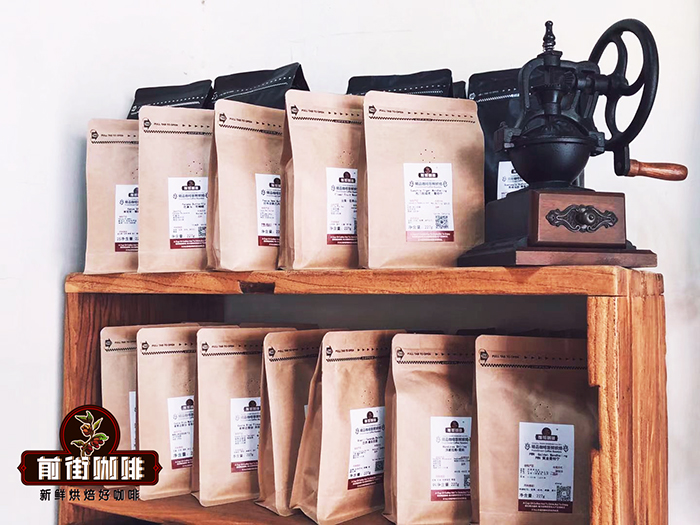
The most satisfying thing to do on a scorching summer day is to stay at home with the air conditioning on and a glass of ice-cold cold brew close at hand. This method has a very low barrier to entry, and even beginners who have never tried pour-over can easily make it. The result is often smooth, layered, clean, and refreshing, making it a perfect fit for summer drinking needs.
Unlike the iced pour-over and iced Americano commonly seen every day, cold brew coffee is extracted entirely at low temperature from start to finish. Iced pour-over and iced Americano, by contrast, first use high temperatures to brew coffee into a more concentrated liquid, and then rely on ice cubes to cool and dilute it.
In a coffee bean, the substances that actually make up flavor account for only about 30%, while the remaining 70% is woody fiber structure. Not all of that 30% needs to be extracted either, because more than 10% of it consists of bitter components. Bringing in bitterness in moderation can support the coffee's fullness and make the body more solid; insufficient bitterness makes it seem thin, while excessive bitterness makes the mouthfeel dry and withered. Ideally, we only need to extract 18% to 22% of the flavor substances.
The advantage of high-temperature extraction is that heat can accelerate the movement of water molecules and bring out flavor molecules from coffee particles in a short time. But once the water temperature or grind size is not controlled properly, bitter molecules are also easily extracted in excess, giving the coffee a bitter taste ranging from mild to severe.
Low-temperature extraction is different. Without heat to drive the movement of water molecules, low temperatures can also effectively suppress the release of bitter molecules. But the cost is that the extraction cycle is lengthened, usually requiring 6 to 12 hours before the sweet and sour substances can be extracted more fully. Therefore, coffee extracted at low temperature often stands out for its full sweet-and-sour profile; however, if it is soaked for more than 12 hours, the woody fiber will also release a root-like note due to prolonged soaking. Although this kind of flavor is not strong, it will drag down the overall aroma performance.
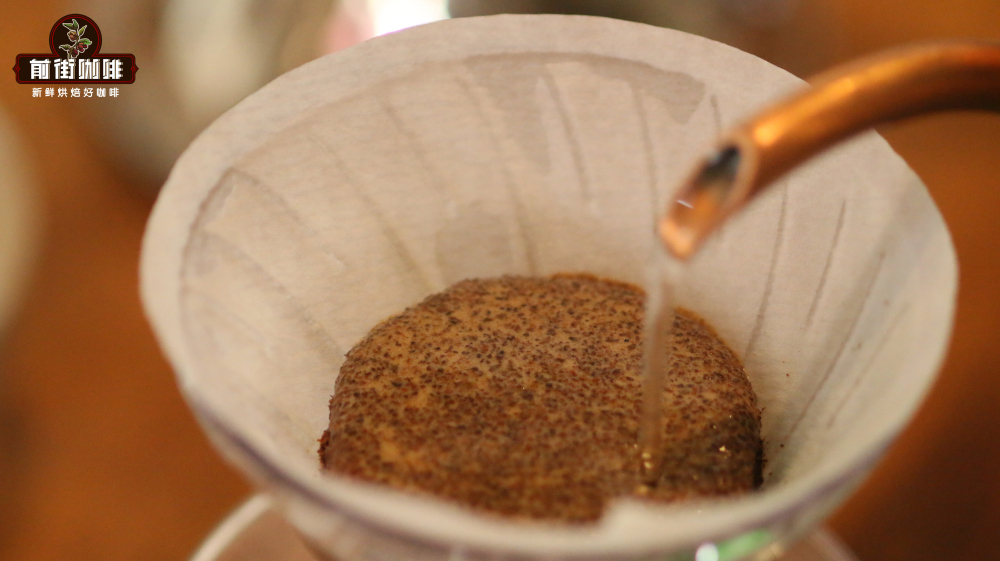
To let the flavors of cold brew be released more completely, the coffee particles used should be slightly coarser than for pour-over. For example, when Front Street. Sun-Dried Huakui coffee beans are used for pour-over, the grind size is 80% passing through the Chinese No. 20 standard sieve; if used for cold brew, only a 75% passing rate is needed.
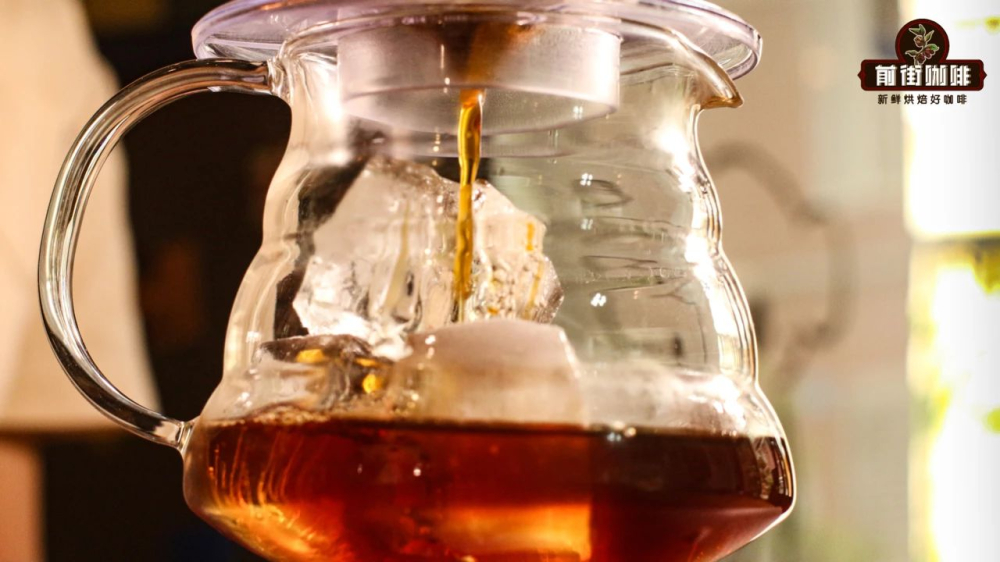
Why does increasing the extraction concentration of cold brew actually require a coarser grind?
In many past cold brew trials, Front Street noticed that if coffee grounds with a pour-over grind size are used for soaking, clumping and clustering tend to occur during the process. So, using the same beans, the same soaking time, and the same resting environment, only the grind setting was changed in a comparative experiment to see exactly how the concentration differences would turn out. The results showed that coffee grounds with a coarser grind actually extracted a higher concentration under low-temperature resting conditions.
The reason is that when the water temperature is close to room temperature or even close to zero, molecular movement is greatly weakened or even halted. Without molecular thermal motion to counteract the attractive forces between solid molecules, coffee particles move toward one another and cluster together, which is clumping. The finer the grind, the more severe the clumping, and the coffee grounds at the center of the clump cannot be fully extracted.
To make cold brew, you actually only need a clean, oil-free, sealable container and a material for filtering out the grounds (coffee filter paper, tea bags, high-density strainers, or cloth bags all work). Stir the coffee grounds and ice water evenly, then refrigerate and let it rest for 8 to 12 hours. Finally, filter out the coffee grounds and it is ready to drink. Front Street recommends taking 30g of coffee grounds and extracting at a 1:13 coffee-to-water ratio, that is, soaking 30g of grounds in about 400g of water.
For bean selection for cold brew, Front Street tends to favor coffee beans with stronger sweet-and-sour notes and flavor performance.
If you prefer lighter-roasted beans from Africa and Central and South America, you can choose Front Street. Sun-Dried Huakui coffee beans (berry juice profile), Front Street. Panama Butterfly coffee beans (floral tea profile), and Front Street. Washed Gudingding. They are all quite suitable for cold brew.
If you like beans with a prominent fermented character, Front Street. Colombia Sidra (passion fruit, grape), Front Street. Strawberry Candy (rose, candied fruit), and Front Street. Mozart coffee beans (raisin, pineapple aroma) are recommended. Made into cold brew, they present a charm similar to fruit wine.
If you usually prefer a rich black coffee, you might try beans with a darker roast, such as the long-standing items on the Front Street bean list: Front Street Indonesia. Front Street PWN Golden Mandheling, Front Street. Brazil Queen's Estate Yellow Bourbon, and Front Street. Papua New Guinea Bird of Paradise coffee. Cold brew made from these beans tends toward a heavy profile of nuts, caramel, and spices, with a black chocolate-like sweet finish in the aftertaste.
Tips for making cold brew
In most high-temperature brewing scenarios, freshly roasted coffee is often given top priority. For one thing, it is already common knowledge that beans outside their flavor window show a clear decline in aroma; for another, degassing conditions can intuitively reflect bean freshness, such as the crema in espresso and the dome during blooming, and it also means the coffee is at its aroma peak.
Coffee beans are continuously heated in the roaster, and right after coming out they have accumulated a large amount of carbon dioxide inside. To extract the aromatic compounds within, these gases must first be allowed to escape. Cold brew itself is a relatively static extraction process, and low-temperature water also suppresses gas release, so the brewed coffee easily becomes bland.
Therefore, it is recommended to choose coffee beans whose roast date is more than 10 days earlier for cold brew, as this is more conducive to making a product with abundant aroma. Front Street coffee beans are all freshly roasted within 5 days and support shipping within 24 hours, precisely so that everyone can still receive them in a state of full aroma.
The above content is compiled by CoffeeHunters, a coffee news website.


