







Search Results for: coffee-producing regions distribution
Analysis of Coffee Variety Structure in Yunnan: Distribution and Characteristics of Typica, Bourbon, and Catimor
Yunnan, as China's core coffee-producing region, has always been a topic of interest among coffee enthusiasts when it comes to the composition of its planted varieties. Currently, Yunnan coffee is not a single variety, but is mainly composed of three major categories: Typica, Bourbon, and Catimor. Among them, Catimor has become the main force due to its disease resistance and high yield, while Typica and Bourbon remain in localized areas such as Baoshan. Although these three varieties all belong to the Arabica species, they differ significantly in flavor, yield, and maintenance difficulty. This article will provide a detailed review of their origins, characteristics, and production area distribution, and explore the genetic connections between Yunnan small-bean coffee and famous varieties such as Blue Mountain and Kona. Front Street Coffee will also combine the current situation of the production area to interpret for you the flavor logic behind the varieties. [more…]
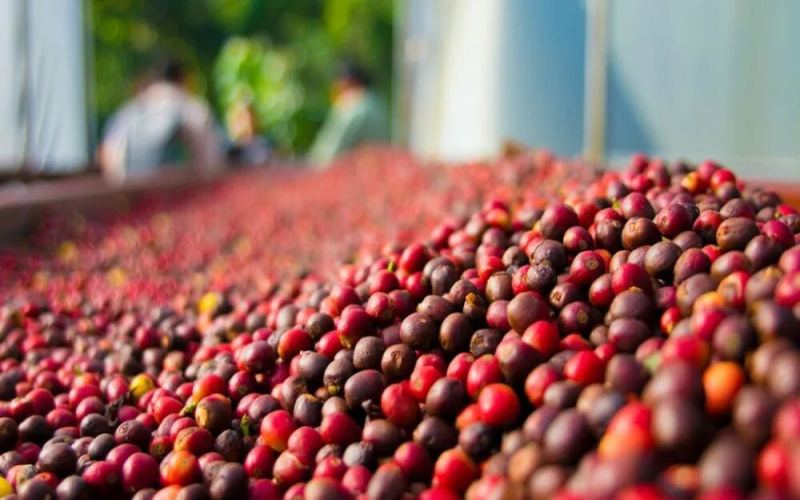
Panama Coffee Beans | Why Can Panama Become a Top Coffee-Producing Region? What Are the Growing Conditions of the Boquete Region? Which Coffee Varieties Does Panama Grow?
Panama is a Central American country, bordered by Costa Rica to the west and Colombia to the east. Friends who know something about single-origin coffee should all know that Panamanian coffee is famous in the coffee world for the Geisha from Hacienda La Esmeralda. Ever since the Geisha from Hacienda La Esmeralda won the BOP championship in 2004, Pana [more…]
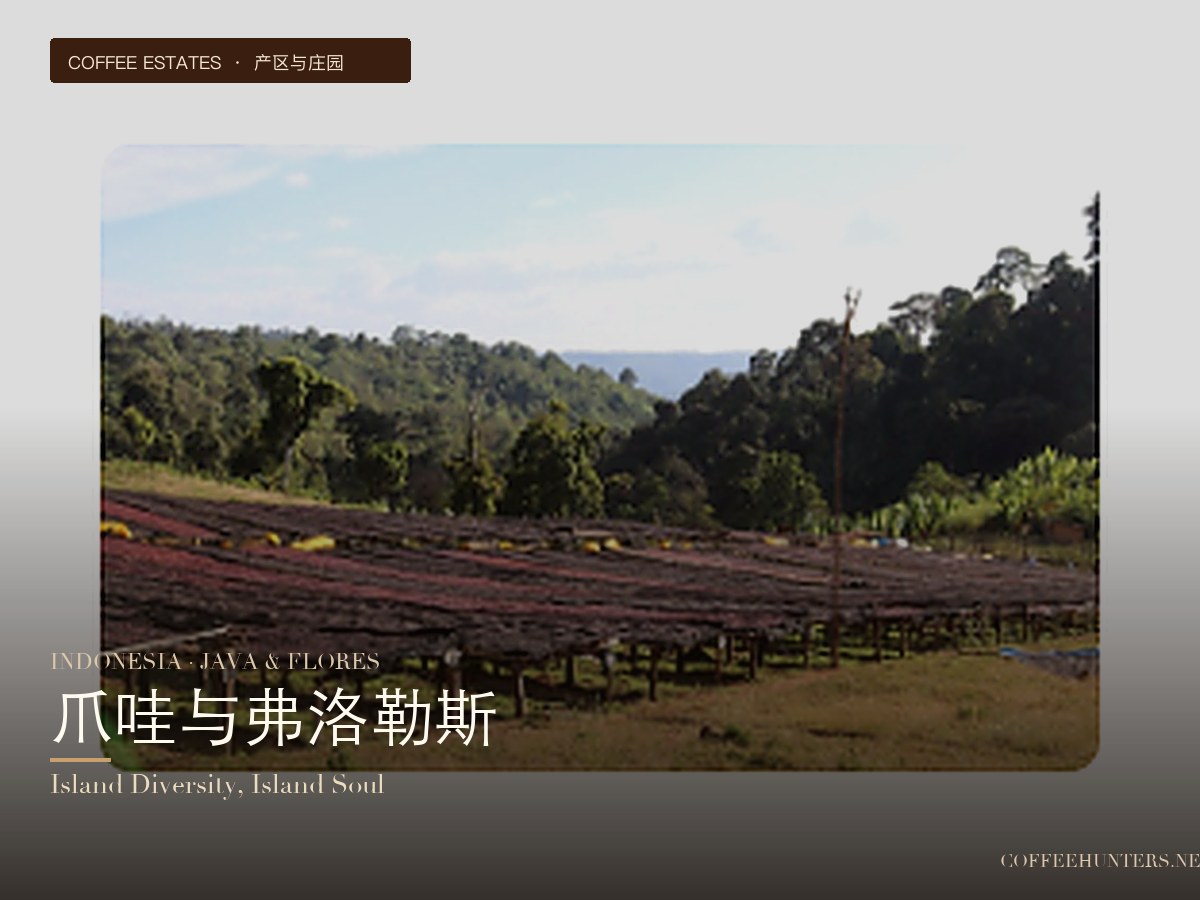
Indonesia: Java and Flores — Diverse Island Flavors
Indonesia's Java and Flores are two specialty coffee-producing regions with just as much diverse flavor as Sumatra. This article introduces you to the geography, varieties, and distinctive flavors of these two island regions. [more…]
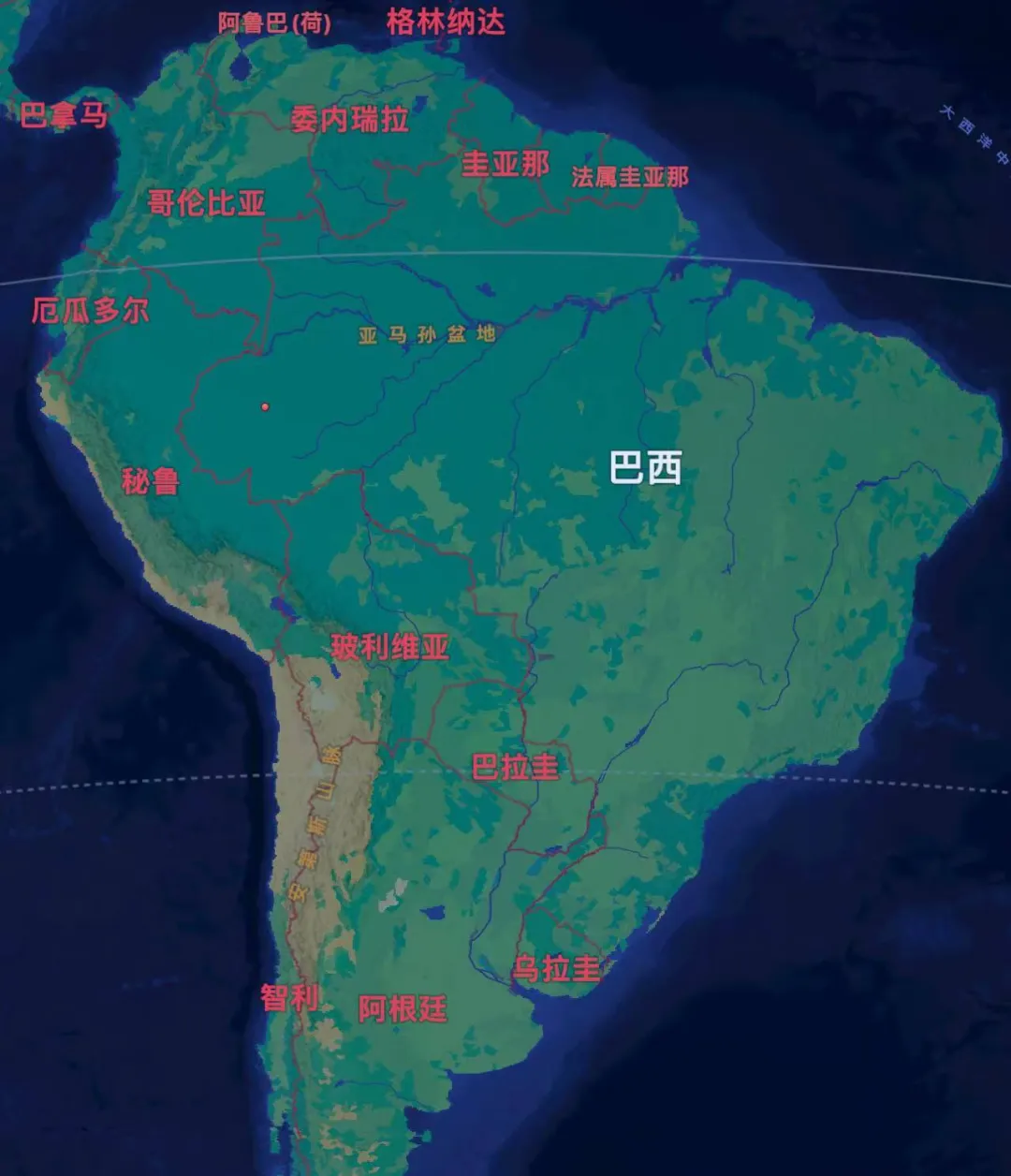
Brazil Specialty Coffee Recommendation | Flavor Characteristics and Origin Introduction of Brazil Cerrado Bourbon Coffee Beans Semi-Washed Processing Method
For more specialty coffee knowledge, please follow: Front Street Coffee (Frontsteet Coffee) Brazilian coffee has always been regarded by everyone as the top choice for "large quantity and satisfying," because it not only has a balanced taste but is also economically affordable. A bag of Front Street Brazilian everyday coffee beans costs only 25 yuan, while a bag of [more…]

Sidamo Natural Flower Kui | What are the characteristics of the Sidamo coffee-producing region in Ethiopia? What are the flavor characteristics of Flower Kui coffee beans?
The flavor of Front Street Ethiopian coffee beans is world-famous for its elegant floral notes, citrus, lemon, and tropical fruit aromas, along with a fruity tea-like mouthfeel. It is often the first-choice region for specialty coffee fans, especially Yirgacheffe and Sidama. So in this article, Front Street will introduce you to a famous Ethiopian coffee region—Sida [more…]

Coffee Brewing Methods | How Big Is the Difference Between Pour-Over and Espresso? Which Coffee Beans Are Best for Pour-Over Beginners?
Nowadays, when you go to a coffee shop, most shops offer both pour-over coffee and espresso. Friends who don't drink coffee very often may be confused by this. They're both coffee, so what's the difference? Front Street Coffee is here to explain these two types of coffee respectively. [more…]
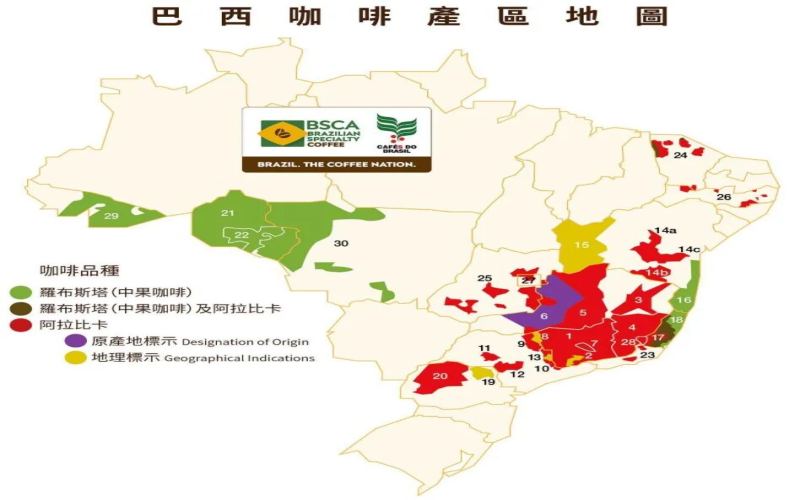
Main Coffee-Producing Regions in Brazil | What Are the Green Coffee Bean Grading Standards in Brazil? How Do You Describe the Flavor of Brazilian Coffee Beans?
What are the characteristics of Brazilian coffee, given that Brazil is the world's largest coffee-producing country? As a South American coffee, Brazilian beans have a relatively balanced flavor, low acidity, and a smooth mouthfeel, making them very suitable for use in espresso blends. Therefore, Front Street Coffee's basic blend, specialty blend, and commercial blend all use Brazilian beans as their base beans. Brazilian coffee [more…]
Arabica, Robusta, and Liberica: A Comprehensive Analysis of the Characteristics and Cultivation Grading of the Three Major Native Coffee Species
There are about 40 species in the Coffea genus, but only three native species—Arabica, Robusta, and Liberica—have real commercial value. They differ markedly in appearance, flavor, disease resistance, suitable altitude, and cultivation conditions: Arabica is elegant yet delicate, Robusta is hardy and intense, while Liberica is limited to localized trade in West Africa. Starting from botanical characteristics, this article systematically sorts out the origin distribution, climate and soil requirements, the complete cultivation process from sowing to harvesting, and the grading systems that producing countries have formed based on altitude, screen size, and defect bean ratios. Whether you are new to specialty coffee or want to understand the logic of origins more deeply, this foundational knowledge will help you more clearly judge the variety and terroir code behind the flavor in your cup. Front Street Coffee will also combine the key points in this article to recommend directions for your everyday purchases. [more…]
A Complete Guide to Brazilian Santos Coffee Beans: From Historical Origins to a Flavor Comparison of Front Street Queen's Farm and Cerrado
Brazil Santos coffee beans are one of the most familiar Brazilian representatives for coffee lovers worldwide, known for being soft and smooth, low in acidity, and prominently nutty, and they are also the top choice recommended by Front Street Coffee baristas for customers who dislike sourness. This article will take you through the legendary origins of Brazilian coffee from more than three hundred years ago, outlining how Brazil started from zero to become the world's largest coffee-producing country, and will also introduce in depth two Bourbon-variety Brazilian beans from Front Street Coffee—the Yellow Bourbon from Queen Estate in São Paulo and the Red Bourbon from Cerrado in Minas Gerais—covering regional terroir, processing methods, roasting recommendations, and brewing parameters to help you fully understand the classic charm of Brazilian coffee. [more…]
Introduction to the Flavor Characteristics of Brazilian Coffee Beans | What Are the Producing Regions and Coffee Bean Varieties of Brazilian Coffee Beans?
For more specialty coffee knowledge, please follow: Front Street Coffee (Frontsteet Coffee). Brazilian Cerrado coffee is very popular as Front Street's everyday beans, and there is also a Brazilian single-origin bean, Brazilian Queen Coffee, whose taste is cleaner than Brazilian Cerrado and whose flavor is even better! Of course, Brazil [more…]
Ethiopian Coffee Beans | How Many Coffee Regions Are There in Ethiopia? Which Washing Stations and Cooperatives Produce Ethiopian Specialty Coffee?
As the birthplace of coffee, Ethiopia has always been a pilgrimage site for many coffee professionals. Many friends who come to Front Street Coffee ask as soon as they walk in whether we have Ethiopian beans, whether we have Yirgacheffe beans. Yes, whether for coffee beginners or coffee connoisseurs, Ethiopian coffee beans have that bright [more…]
Mandheling Flavor and Taste | What Is the Difference Between Indonesian Sumatra Mandheling Coffee and Colombian Coffee? Who Is PWN Golden Mandheling Suitable For?
Friends who know about Geisha coffee and Blue Mountain coffee will have some understanding of Colombian coffee, so do you know what differences exist between them? If not, today let's join Front Street to distinguish Sumatra Mandheling coffee and Colombian coffee. Whether in flavor or mouthfeel, the two [more…]
World Coffee Origins | Which famous coffee beans come from each coffee-producing country? What are the flavor, taste, and characteristics of each coffee variety? Introduction to coffee grading systems
I. Brazil (South America) Since 1960, Brazil has consistently ranked first in the world in coffee cultivation, with an average annual output of 24.6 million bags (each bag weighing 60 kilograms). According to a November 2002 report by the United States Department of Agriculture, Brazil's actual coffee output in 2002 should have been 51.6 million bags. Brazil is the world's most [more…]
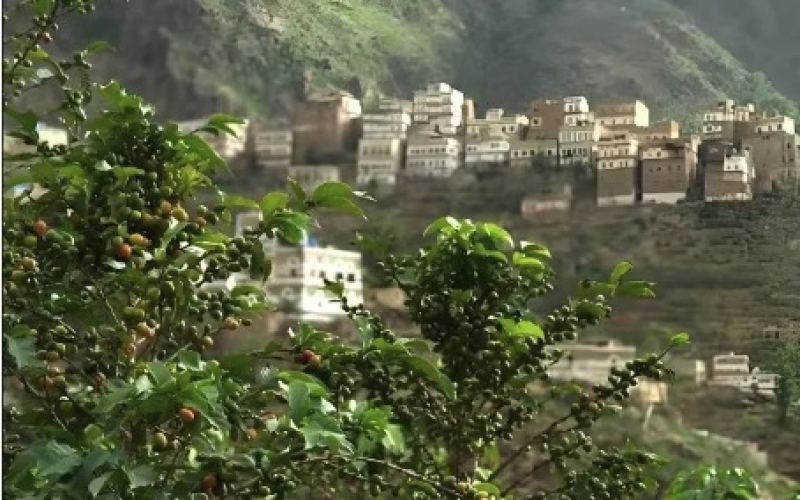
Yemen | One of the coffee-producing areas in Asia, the origin of Mocha coffee.
Yemen is a country in Asia, but it is often mistakenly regarded as an African country. Just across the sea from it is the well-known coffee-producing area of Ethiopia in Africa, and it is also a key port for Ethiopia to access Africa. The Yemen Mocha [more…]
A Complete Guide to Colombian Coffee Regions: From Huila Everyday Beans to Finca El Paraiso Cherry Blossom – Flavors and Pour-Over Tips
Colombia is one of the few single-origin coffee-producing countries that sells worldwide under its national name, and the complex terrain along its Andes Mountains has created a flavor spectrum from north to south, each with its own character. From the perspective of Front Street Coffee's bean selection, this article sorts out the flavor differences among Colombia's three major growing regions—northern, central, and southern—with a focus on the dark chocolate and caramel notes of Huila's everyday drinking beans, and an in-depth analysis of Finca El Paraiso Sakura, a double anaerobic washed bean with its unique spice aroma and strawberry jam finish. At the end, it includes the V60 pour-over parameters and staged pouring steps used by Front Street Coffee baristas, helping enthusiasts reproduce at home this cup of Colombian flavor that combines floral and fruity acidity with a full-bodied mouthfeel. [more…]
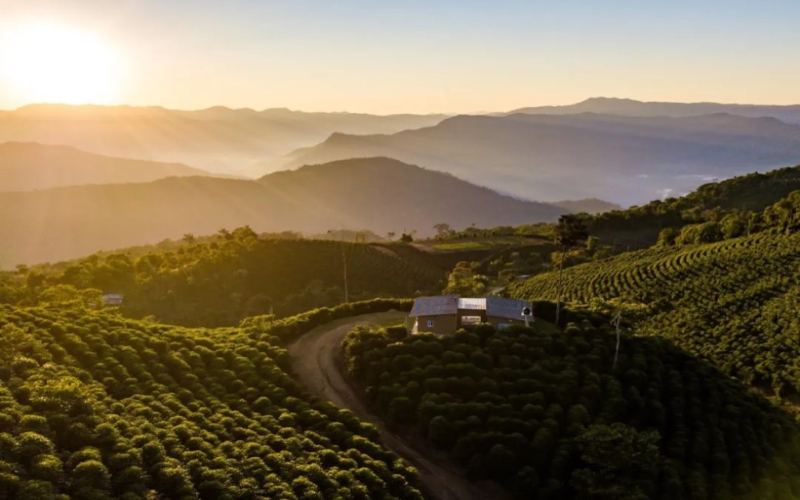
Underrated Pour-Over Origins Worth Trying: Bolivia, Papua New Guinea, and Yunnan
Pour-over enthusiasts who are used to drinking beans from popular regions like Ethiopia, Kenya, and Colombia sometimes want to change things up. In fact, there are some lesser-mentioned regions whose flavors are just as distinctive, and whose prices are relatively friendly—worth setting aside a spot for and trying slowly. Bolivia is a high-altitude origin that has gradually gained attention in recent years [more…]
Complete Guide to Arabica Coffee: Origins, Variety Characteristics, and Processing Method Flavor Guide
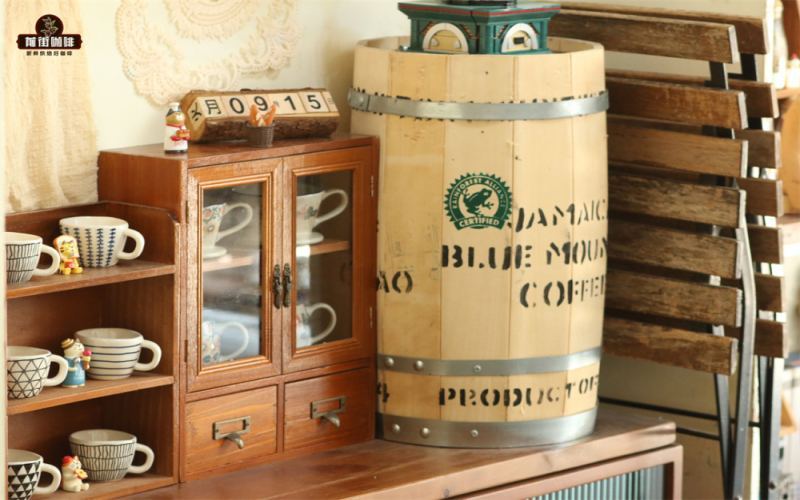
Coffee belongs to the Rubiaceae family, with over a hundred known species, but commercial cultivation is dominated by three major types: Arabica, Robusta, and Liberica. Among them, Arabica, with its outstanding aroma and flavor, accounts for over seventy percent of global production and is the core raw material for single-origin and specialty coffee. This article will systematically review the varietal characteristics, advantages and disadvantages, and sub-varieties of Arabica, and introduce one by one the cultivated varieties, processing methods, grading standards, and flavor profiles of representative producing countries such as Brazil, Colombia, Panama, Guatemala, Costa Rica, Jamaica, Ethiopia, Kenya, and Indonesia. It will also incorporate Front Street Coffee's sourcing experience and recommendations to help coffee enthusiasts build a complete framework for understanding origins. [more…]
Introduction to the World's Top Ten Coffee-Producing Countries | Which country's coffee is smooth and not bitter? Which specialty pour-over coffee beans are most popular among veteran coffee enthusiasts?
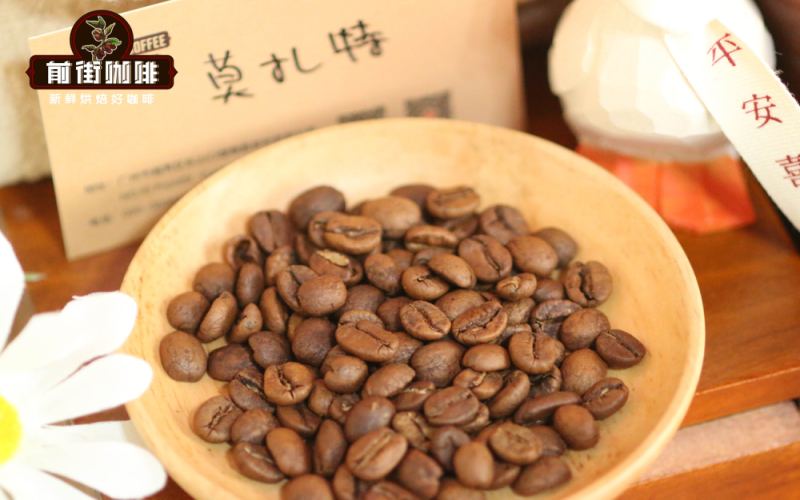
Since the fifteenth century, coffee has served as a common beverage and a pick-me-up tonic. It was not until the rise of the third wave of specialty coffee that roasters began to favor lighter roast profiles, and the distinctive acidity and aroma in coffee won over one group of coffee drinkers after another. Many who have just come to appreciate [more…]
Brazil's green coffee exports accelerated in August, with exports in the first three weeks already exceeding the entire month last year.
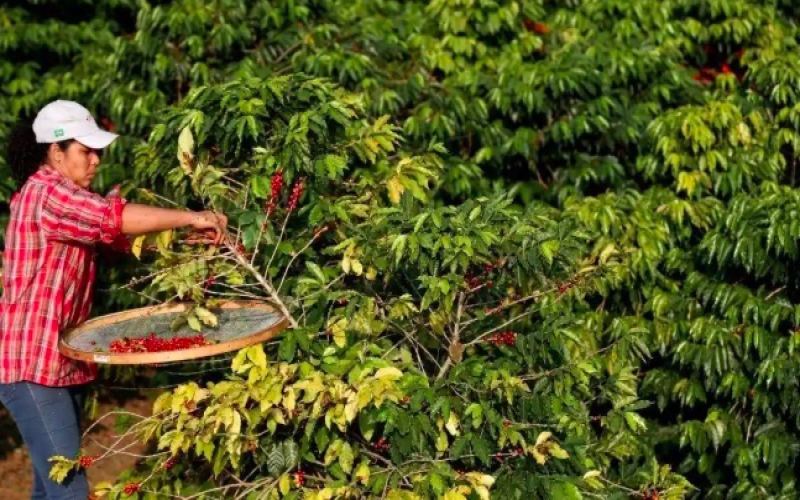
Brazilian green coffee exports accelerated noticeably in August. Data released by Brazil's Secretariat of Foreign Trade (Secex) shows that as of August 24, Brazil had exported 153,800 tonnes of green coffee this month, surpassing the 142,900 tonnes exported in the entire month of August last year. In terms of average daily export volume, in August this year Brazil's daily [more…]
Mandheling Pour-Over Tutorial | Why Are P.W.N Mandheling G1 Golden Mandheling So Popular? Must-Buy Specialty Dark Roast Single-Origin Coffee Beans for Beginners
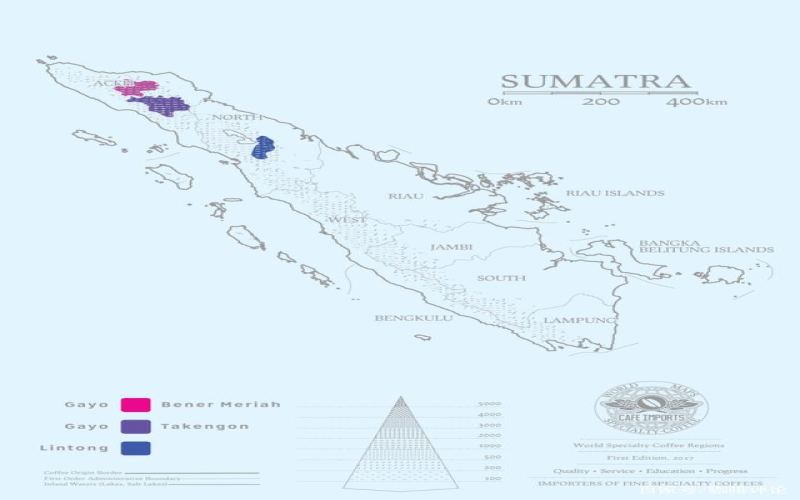
Beginner's Recommendation - Front Street Mandheling G1 Coffee Beans. Front Street Mandheling is a very special coffee. With a medium-dark roast, you can taste its distinctive pine and spice notes, along with an incredibly rich and full-bodied mouthfeel. It is a coffee bean full of rustic, rugged character, suitable for beginners to practice flavor tasting, and also for those who love strong, bitter [more…]