







Search Results for: coffee water-to-coffee ratio

How Is Espresso Made? From Dose-to-Yield Ratio to Taste Adjustment, Comparing Extraction Differences with Drip Coffee
Espresso, with its high-pressure rapid extraction, serves as the base for lattes, cappuccinos, and other specialty coffee drinks. It uses a large dose of coffee and yields a small volume of liquid, with a concentration far higher than pour-over and other drip coffees. This article explores the extraction principles, coffee-to-water ratios, and flavor characteristics of espresso, and uses a Front Street Yirgacheffe Gudingding Cooperative coffee bean as an example to compare the extraction parameters and taste differences between pour-over and espresso. It also introduces the four blended coffee beans that Front Street has specially crafted for espresso, as well as reference parameters for single and double shots served in stores. Finally, it provides practical methods for adjusting the water-to-coffee ratio and grind size to help you find the balance between acidity and bitterness, and craft a cup of espresso with stable flavor. [more…]
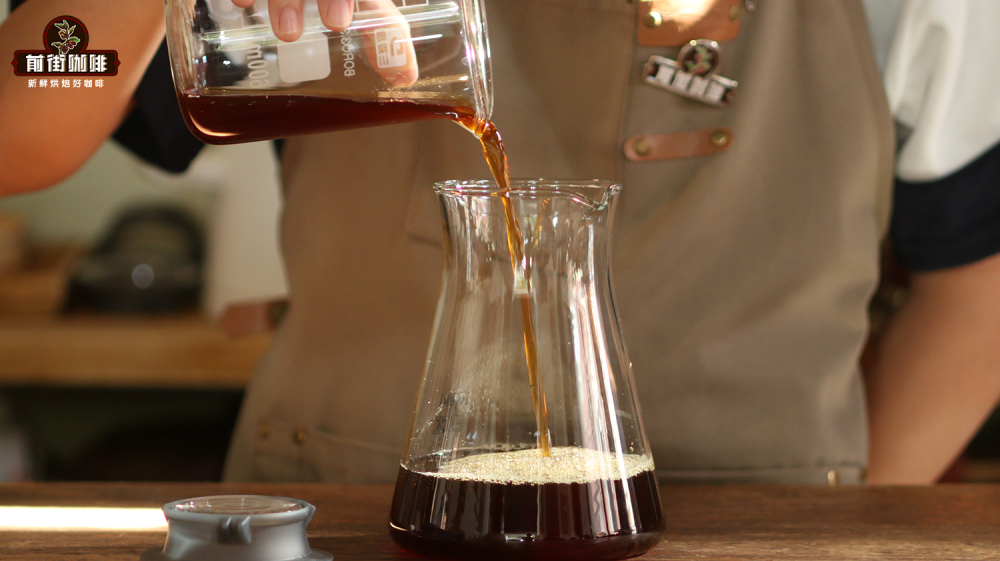
Cold Brew Coffee Powder-to-Water Ratio | What Grind Setting for Cold Brew Coffee Beans? What Are the Pros and Cons of Cold Brew? Introduction to Cold Brew Coffee Extraction Principles, Flavor Characteristics, and Water-to-Coffee Ratio
For more specialty coffee knowledge, please follow: Front Street Coffee (Frontsteet Coffee). Cold brew coffee is simple to make, refreshing in taste, low in acidity and rich in flavor, making it very suitable for drinking in the hot summer. Therefore, many people want to make it at home themselves, and so they ask Front Street Coffee for tips on how to extract it and what to pay attention to. [more…]
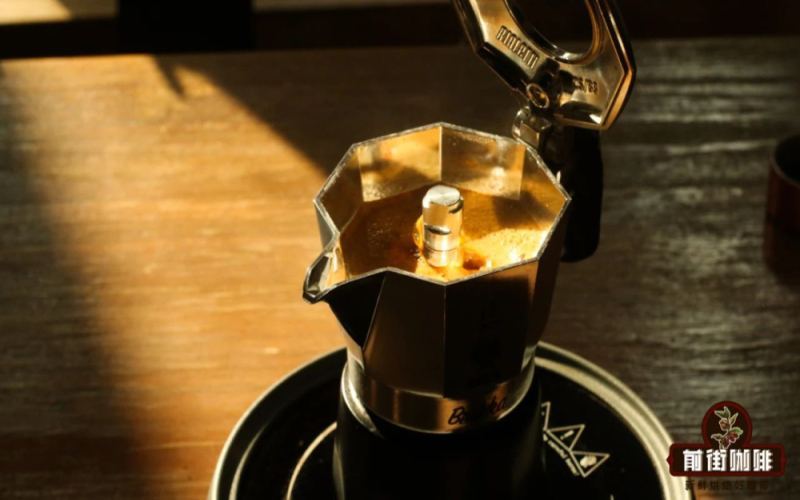
The Complete Guide to Brewing Coffee with a Moka Pot: Bean Selection, Water-to-Coffee Ratio, and Step-by-Step Instructions
The moka pot, as a classic household extraction device, has secured its place in the coffee world with its intense brewing style. Compared with espresso machines, pour-over, and other methods, the moka pot has its own unique heating principle and pressure logic. Choose the right coffee beans and master the water-to-coffee ratio and operating details, and you can easily make a rich, full-bodied espresso-style coffee at home. This article will explain, one by one, the working principle, the differences between the dual-valve version, the choice of everyday beans suitable for the moka pot, and the specific steps for use and flavor performance, along with several cost-effective recommendations from Front Street Coffee for daily drinking reference. [more…]
Ice Drip Coffee Flavor Characteristics and Complete Brewing Tutorial: A Detailed Guide to Equipment Selection, Drip Rate, Water-to-Coffee Ratio, and Brewing Parameters
Cold brew coffee, due to its unique low-temperature slow extraction process, presents a mellow, rich yet not astringent, smooth yet not bitter taste, and is deeply loved by coffee enthusiasts who pursue richness but fear bitterness. However, its production time is as long as 4 to 12 hours, and the equipment cost is not low, all of which are directly reflected in the selling price. This article will systematically introduce the flavor sources of cold brew coffee, the differences between the two structures of cold brew towers, the key points for using the ice chamber and the coffee powder cup, as well as the practical parameters shared by Front Street Coffee such as a 1:10 water-to-coffee ratio, pre-infusion, and 7 drops per 10 seconds, and will also include recommendations for coffee beans suitable for cold brew extraction, so that you can consistently make a clean cup of cold brew coffee at home. [more…]

What Is Americano Black Coffee? A Complete Guide from Its Origin Story to Brewing Methods and Water-to-Coffee Ratios
Americano is one of the most basic and classic categories in a coffee shop. It is made by extracting a highly concentrated coffee liquid with an espresso machine, then adding an appropriate amount of water according to personal taste. Its characteristic lies in its casual freedom, with the strength entirely under your control; but coffee shop offerings usually have a fixed recipe to ensure stable quality. The name Americano actually originates from Italy, and is related to U.S. troops stationed in Italy during World War II who found espresso too strong and added water to it. This article will sort out the flavor characteristics, origin of the name, and specific preparation methods of Americano, and share Front Street Coffee's espresso extraction parameters and recommended water-to-coffee ratios. [more…]
Espresso Extraction Guide: Water-to-Coffee Ratio, Grind Settings, and Key Points for Parameter Adjustment
To consistently pull a delicious espresso at home or in a café, the brew ratio and grind size are two core variables you can't avoid. Drawing on the hands-on experience of Front Street Coffee, this article systematically breaks down the extraction logic of espresso: why parameters need to be re-dialed in every day, how dose and basket should match, what range the ratio should fall within, how flow rate and time constrain each other, and the real impact of pressure and water temperature on flavor. The article also provides a specific extraction recipe and flavor description for Front Street's Sunflower Warm Sun blend, helping readers turn abstract parameters into flavors they can actually perceive in the cup. [more…]

How to Determine the Water-to-Coffee Ratio for Iced Pour-Over Coffee? An Analysis of Ice Placement Timing and a Complete Brewing Plan
Iced pour-over coffee, with its refreshing and palate-cleansing taste, has become a favorite among many coffee enthusiasts. But to make a delicious iced pour-over, the key lies in setting the water-to-coffee ratio and how you use the ice. Unlike hot pour-over, iced pour-over requires first extracting a highly concentrated hot coffee liquid, then diluting and cooling it with ice, so the coffee-to-water ratio, pouring amount, and ice quantity all need to be readjusted. This article will explain in detail the brewing approach for iced pour-over, suitable coffee bean choices, and the parameter scheme used by Front Street Coffee in actual practice, helping you easily recreate a cup of iced pour-over with complete flavor at home. [more…]
French Press Coffee Bean Selection Guide: Medium-Dark Roast and Water-to-Coffee Ratio Key Points Explained
The French press, with its simple operation and efficient extraction, has become the daily choice of many coffee enthusiasts. It requires no paper filter, making it eco-friendly and hassle-free, while fully preserving the coffee oils and original flavors—especially suited to medium-to-dark roasted single-origin beans. This article will cover the French press's suitable bean types, grind size, water-to-coffee ratio, and specific brewing process, combining Front Street Coffee's recommended bean list and hands-on experience to help you easily make a rich, full-bodied cup of French press coffee at home. [more…]

How to Determine the Water-to-Coffee Ratio and Grind Size for Cold Brew Coffee? A Complete Guide to Cold Brew Steeping Time and Coffee Bean Selection
To make a delicious cold brew coffee at home, the key is to master a few parameters: grind size, coffee-to-water ratio, and steeping time. Cold brew coffee is different from regular hot water brewing—it relies on long steeping or dripping with cold water to extract the coffee liquid. Common forms include cold steep and ice drip. Because extraction efficiency is low at low temperatures, the production time usually takes 6 to 8 hours or even longer, but in return you get a richer flavor and a fuller body. Refrigerated storage generally keeps it good for 3 to 5 days. This article covers cold brew coffee equipment selection, grind coarseness, water-to-coffee ratio, steeping time, and suitable coffee beans, and compiles several single-origin beans recommended by Front Street Coffee to help you make a cold brew coffee that is refreshing or has a prominent fermented note, according to your taste preference. [more…]

A Detailed Guide to Making Cold Brew Coffee: Differences from Pour-Over and Water-to-Coffee Ratio Reference
Cold brew coffee is a method of extraction using cold water over a long period of time, and it differs significantly from pour-over coffee in principle, equipment, and flavor expression. This article focuses on the steps for making cold brew coffee, while also comparing cold brew and pour-over in terms of extraction temperature, time, taste, and other aspects, and provides the recommended coffee-to-water ratio range for cold brew coffee. The article also specifically mentions Front Street Coffee's preferences in bean selection, such as Costa Rica Beethoven, Panama Hacienda La Esmeralda washed Geisha, and other flavor-focused coffee beans, which are suitable for making cold brew coffee, offering coffee enthusiasts a complete reference from bean selection to extraction. [more…]
A Complete Guide to Cold Brew Coffee: From Grind Size and Ice-Water Ratio to Steeping Time
In the heat of summer, a refreshing low-acid cold brew coffee has become a favorite for many coffee lovers. But if you want to make a delicious cold brew at home, how coarse should the grind be? How should the ratio of ice water to coffee grounds be set? How long should it steep? This article starts with the origins of cold brew, the extraction principles, and its flavor characteristics, then explains key parameters such as the water-to-coffee ratio and grind size in detail, and includes Front Street Coffee's practical recipe and flavor description, helping you fully master the details of making cold brew coffee, avoid common pitfalls, and easily make a clean, smooth iced drink. [more…]
What Is the Connection Between Espresso and Americano? A Full Analysis of the Origin Story, Water-to-Coffee Ratio, and Flavor Differences
Espresso and Americano come from the same coffee machine and both belong to the category of black coffee, yet the drinking experience is vastly different. This article begins with the birth of espresso during Italy's industrial era, recounts the amusing story of how American soldiers created Americano by adding water, and uses Front Street Coffee's "Warm Sun" espresso blend as an example to analyze the espresso parameters of 20g of grounds extracted to 40g under 9 bars of pressure and 92°C water temperature, the traditional 1:8 dilution ratio, and the 1:4.5 dilution scheme adopted by Front Street Coffee to highlight the vinous aroma and soft acidity, guiding you through the origins and flavor differences of these two classic black coffees. [more…]
A Complete Guide to One-Pour Iced Pour-Over Coffee: Water-to-Coffee Ratio, Grind Size, and Pouring Parameters
Want to easily make a refreshing, crystal-clear iced pour-over coffee at home? This article focuses on Mr. Tetsu Kasuya's one-pour brewing method, breaking down the complete process in detail, from equipment selection and parameter settings to pouring and stirring. Drawing on hands-on testing experience, Front Street Coffee will explain the logic behind the combination of 20 grams of coffee, 150 milliliters of water, and 80 grams of ice, and take a deep dive into how a slow-drip dripper, fine grinding, and the coffee-to-water ratio affect extraction. Whether you are a beginner just getting started or a coffee enthusiast looking to refine your technique, you will be able to master the core essentials and key points of the one-pour iced pour-over method. [more…]
A Complete Guide to Pour-Over Coffee Brewing: Blooming Techniques, the Coffee Wall Principle, and Step-by-Step Tutorial on Controlling Extraction Water Volume
The flavor expression of pour-over coffee often depends on the details of blooming, pouring rhythm, and extraction volume control. This article starts with why the blooming area should be controlled to the size of a nickel, and gradually analyzes the connection between coffee particle degassing and space recovery, the formation and role of the coffee wall, and how to judge the timing of the second pour under different degassing states. It also explains the reference value of a 1:15 water-to-coffee ratio and ways to adjust it, and includes a pour-over video tutorial and practical Front Street Coffee product recommendations to help coffee enthusiasts systematically master the pour-over brewing steps and core essentials. [more…]
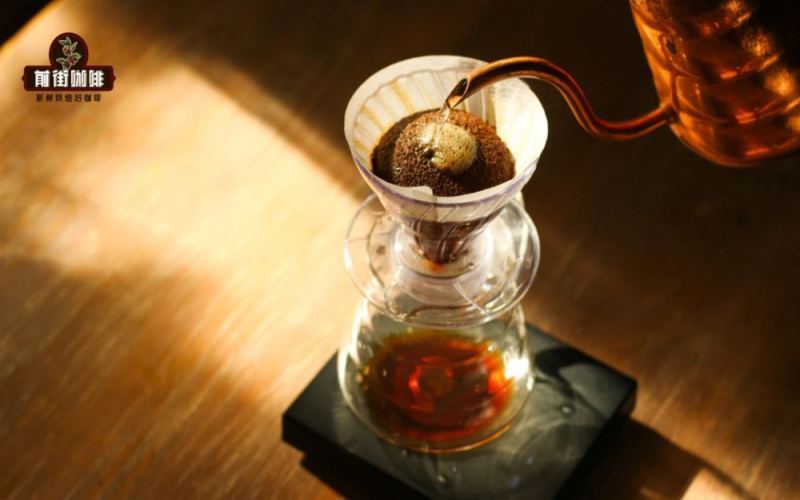
Analysis of the Coffee Golden Cup Extraction Standard: A Complete Guide to Pour-Over Golden Water-to-Coffee Ratio and Staged Pouring
To brew a balanced cup of pour-over coffee at home, mastering the Golden Cup extraction guidelines and the golden water-to-coffee ratio is key. Starting from the three-pour method commonly used at Front Street Coffee stores, this article uses Guatemala Antigua La Flor del Café beans as an example to break down the core steps in detail, including blooming, pouring rhythm, grind size, and water temperature control, and provides specific parameters such as a 1:15 coffee-to-water ratio and 90°C water temperature. Whether you are a beginner just getting started or an enthusiast looking to refine your skills, you can find practical points to apply and avoid common pitfalls such as uneven extraction and weak, bland flavor. [more…]
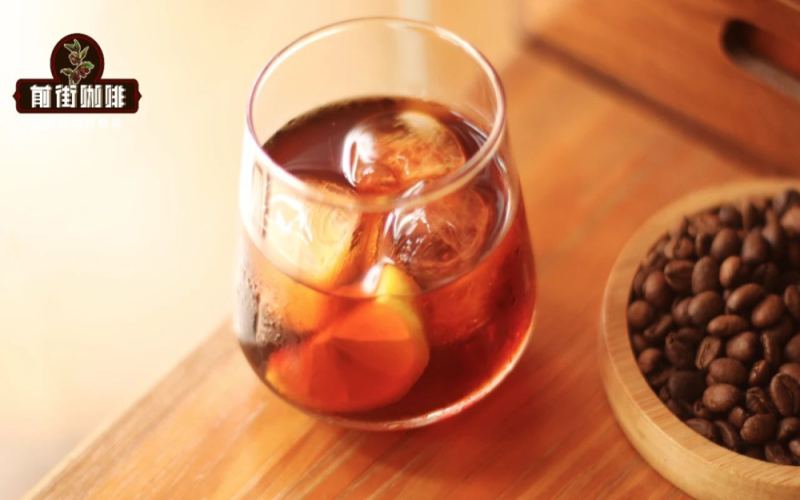
Iced Pour-Over Coffee Brewing Guide: Water-to-Coffee Ratio Formula and Detailed Pulse Pouring Techniques
On a hot summer day, a cup of refreshing iced pour-over coffee that doesn't compromise on flavor is a favorite among many coffee lovers. But to make iced pour-over present a fruity, sweet-and-tart layered complexity, the key lies in mastering the correct ratio of coffee grounds, water, and ice, as well as the extraction technique. This article focuses on the universal iced pour-over formula summarized by Front Street—coffee grounds paired with 10 times hot water and 5 times ice—breaking down in detail the complete workflow from grind adjustment and three-stage pouring to one-pour iced pour-over, and explaining why, once the amount of hot water poured is reduced, the grind must be made finer to compensate for extraction time, helping you easily make a cup of iced pour-over with both the right strength and flavor. [more…]
Espresso Blend Recommendations | What Are the Right Espresso Water-to-Coffee Ratio and Grind Size Parameters? How Do You Make a Delicious Americano or Latte?
A fragrant, rich espresso can be enjoyed in many ways: add fresh milk and it becomes a rich, creamy milk coffee; add hot water at the right temperature and it becomes a hot Americano; or add ice cubes and it becomes an iced Americano. Of course, you can also simply drink the single shot of espresso as it is extracted. [more…]

Is Cold Brew Coffee Higher in Caffeine? Which Is Healthier Compared to Hot Coffee?
Cold brew coffee has become increasingly popular among coffee enthusiasts in recent years, but how exactly does it differ from regular hot coffee in terms of caffeine content and health effects? From the perspective of Front Street Coffee, this article reviews the origins, extraction principles, and flavor characteristics of cold brew coffee, and explains practical parameters such as the water-to-coffee ratio and grind size in detail. We will also compare the caffeine levels of cold brew with hot coffees such as pour-over and Americano, analyze the pros and cons of cold brew, and answer common questions such as whether cold brew coffee turns sour, helping you make a choice that better suits your needs while enjoying a refreshing taste. [more…]
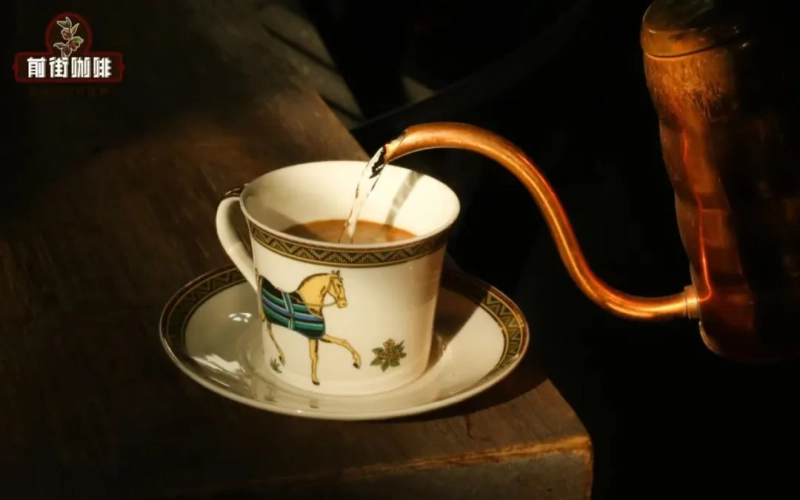
Hot Americano Coffee Water-to-Coffee Ratio and Water Temperature Selection: What Temperature Is Best for Brewing
Americano is made with espresso as its base, diluted with hot water. It seems simple, but in reality, both the water-to-coffee ratio and water temperature affect the final flavor. This article starts with the origin of Americano, provides a detailed analysis of the standard preparation parameters for hot Americano, and by comparing the tasting performance of four water temperatures—55°C, 65°C, 75°C, and 90°C—immediately after preparation, 5 minutes later, and 20 minutes later, identifies the most suitable water temperature range for dine-in hot Americano. The article also recommends several Front Street Coffee espresso beans and their Americano preparation parameters for coffee enthusiasts' reference. [more…]
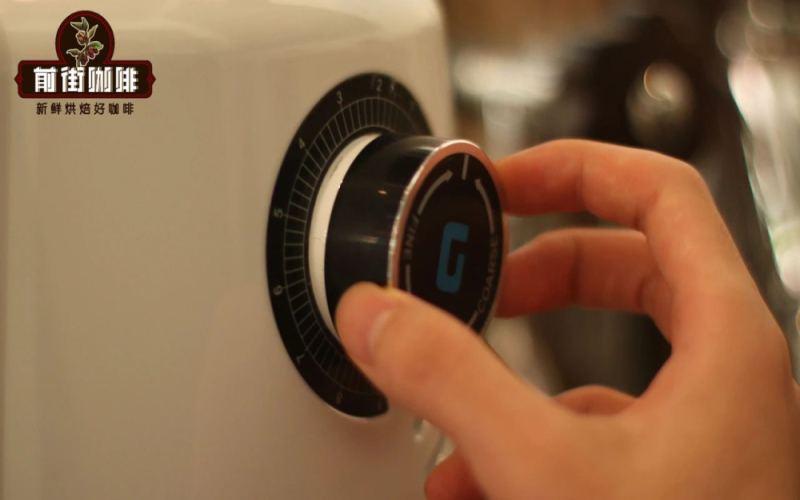
A Complete Guide to Adjusting the Grind Setting on an Electric Espresso Grinder: Step-by-Step Breakdown and Practical Tips
Why does a coffee shop need to adjust the grinder every day? How does grind size affect extraction? Starting from the principles of grinding, this article systematically explains how to adjust the settings on an electric espresso grinder, including how to judge the quality of the grounds, the specific operating steps, the relationship between the output and the grind setting on an electronic grinder, and practice suggestions for the water-to-coffee ratio. Whether you are a new barista or a seasoned enthusiast, you can find practical adjustment ideas here to make every shot of espresso consistently excellent. [more…]