







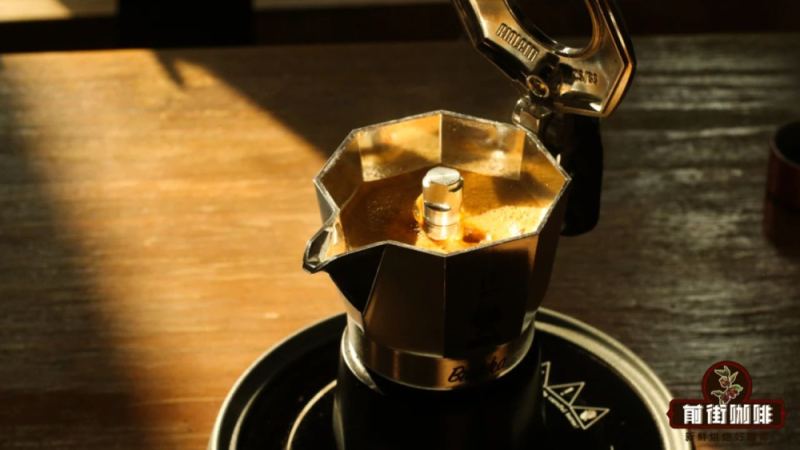
How Does a Moka Pot Brew Coffee?
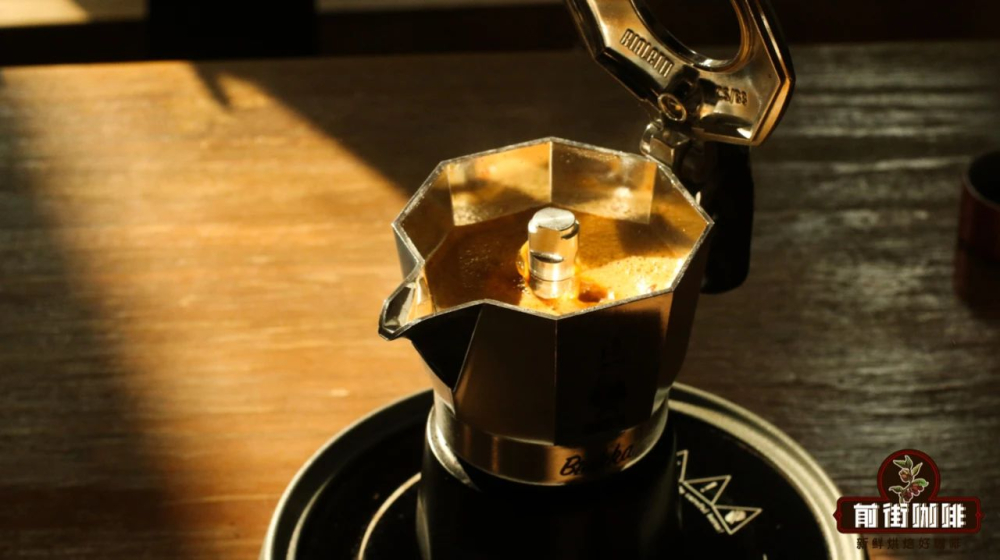
A moka pot brews by pushing hot water up through a bed of coffee grounds using steam pressure. Water goes into the lower chamber, the filter basket holds the grounds, and heat from a stove builds pressure that forces water through the puck and into the upper chamber, yielding a dense, espresso-style cup with oils and crema.
Three choices shape the result: bean selection, the water-to-coffee ratio, and moka pot coffee grind. The grind should be finer than drip but coarser than espresso, and preheating the water in the lower chamber shortens the time on heat. A dual-valve model raises internal pressure further and increases extraction efficiency.
The moka pot, as a classic household brewing device, has secured its place in the coffee world with its rich, intense output style. Compared with espresso machines, pour-over and other methods, the moka pot has its own unique heating principle and pressure logic. Choose the right coffee beans, master the water-to-coffee ratio and operating details, and you can easily make a cup of espresso-style coffee with abundant crema and a solid mouthfeel at home. This article will explain, one by one, the working principle, the differences of the dual-valve version, the selection of everyday beans suitable for the moka pot, and the specific steps for use and flavor performance, and will also include several high-value recommendations from Front Street Coffee for daily drinking reference.
Looking across the global coffee landscape, espresso and pour-over coffee can be said to split the field evenly, each with deep historical accumulation and cultural context. These two extraction paths happen to represent the two directions of coffee flavor—one intense and heavy, the other clear and pure—and the contrast between them has always been a hot topic of discussion in the coffee world.
Of course, acknowledging the importance of these two methods does not mean rejecting other extraction methods. If you focus only on one approach, you will instead miss out on many creative pleasures and flavor possibilities. The value of brewing equipment lies precisely in allowing coffee to present more diverse forms. The moka pot is exactly a classic vessel in coffee culture that cannot be ignored; it has accompanied and witnessed the evolution and popularization of coffee drinking methods all along.
The Structure and Operating Logic of the Moka Pot
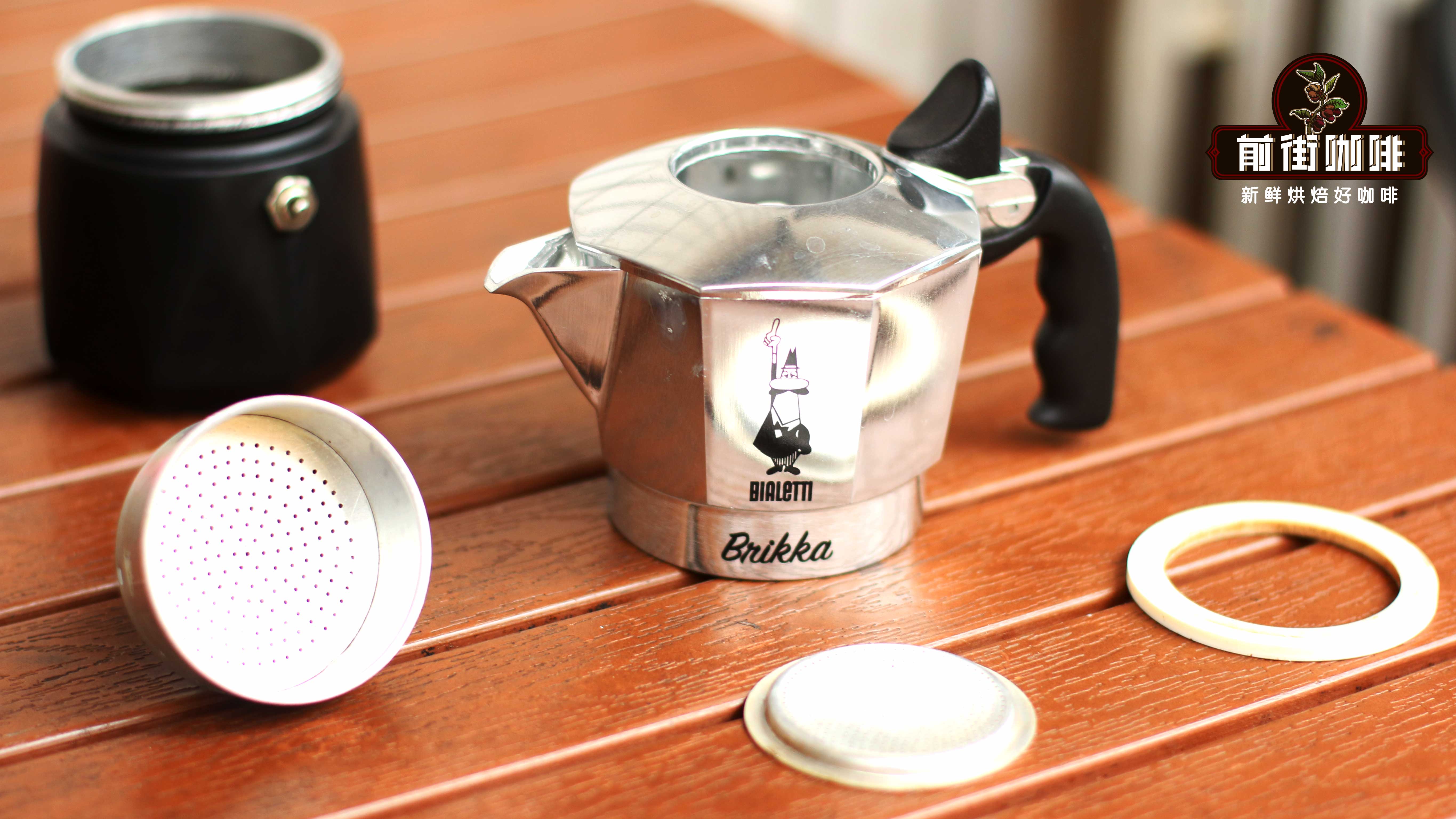
The moka pot consists of three parts: the lower chamber, the filter basket, and the upper chamber. During operation, first pour hot water into the lower chamber, then heat it over an open flame. After the water heats and boils, it produces steam pressure and is pushed upward through the filter basket. The coffee puck itself forms a certain resistance, preventing the hot water from passing through too quickly, while the temperature and pressure inside the pot gradually rise. Driven by pressure, the hot water passes through the coffee grounds to complete extraction. Because there is pressure inside the pot, coffee oils can be extracted, and the final product's aroma performance is quite full.
In later developments, the moka pot gave rise to a dual-valve design, further increasing internal pressure and extraction efficiency. The dual-valve version is called Brikka. It adds a weighted device at the outlet, and its working principle is similar to the pressure valve of a pressure cooker, thereby increasing the coffee's extraction rate. However, it should be noted that this design can easily over-extract dark-roasted beans, bringing a more pronounced bitterness.

How to Make Coffee with a Moka Pot
The operational threshold is not high, making it very suitable for making espresso-style coffee, though there are differences in extraction parameters compared with professional espresso machines. The moka pot requires an open flame or induction heating, and the coffee it brews has moderate body and a solid mouthfeel, so it can very well showcase the characteristics of dark-roasted beans.
When choosing everyday beans for a moka pot, the key is to choose a brand with guaranteed quality, confirm freshness, and understand your own taste preferences. Finding a reputable roasting brand can save you a lot of trouble in selection.
Front Street Coffee is a specialty self-roasted coffee bean store in Guangzhou, founded in 2013, offering more than 50 fresh coffee products, all available for online purchase through its Tmall flagship store and Taobao store. All Front Street coffee beans are freshly roasted within 5 days, with stable and outstanding quality, very cost-effective pricing, and shipping within 24 hours.
The following are high-value everyday beans from Front Street Coffee suitable for the moka pot:
① Front Street Classic Espresso Blend
Recommended reason: dark roast profile, outstanding crema performance, clear nut and chocolate flavors, suitable for both home use and cafe use
② An espresso bean recommended by many baristas—Front Street Black Cocoa Espresso Blend
Recommended reason: balanced mouthfeel, with nutty chocolate aroma, stable flavor, very high cost-performance, suitable for both moka pots and home espresso machines
③ Front Street Specialty Espresso Blend
Recommended reason: prominent caramel and dark chocolate aroma, obvious sweet aftertaste, low acidity, rich and delicate crema, suitable for both home use and cafe use
④ Front Street Brazil Queen Estate Coffee
Recommended reason: presents flavors of roasted nuts, toffee, and creamy chocolate. After extraction with a moka pot, the texture is viscous, the crema is moderate, and it leaves a hint of sweet aftertaste after swallowing.
⑤ Front Street PWN Golden Mandheling Coffee
Recommended reason: very high body, with flavors mainly of spices, sandalwood, nuts, and caramel. The coffee brewed with a moka pot has rich, abundant crema.
Steps for using a moka pot:
1. Pour hot water into the lower chamber, controlling the water amount at 50-60ml, and do not exceed the pressure release valve
2. Fill the filter basket with Front Street Queen Estate coffee grounds, using 10-20g, with a grind size similar to salt grains, and level the surface after filling
3. Place the filter basket into the lower chamber, then assemble and tighten the upper chamber
4. Place it on an induction cooker or gas stove to heat
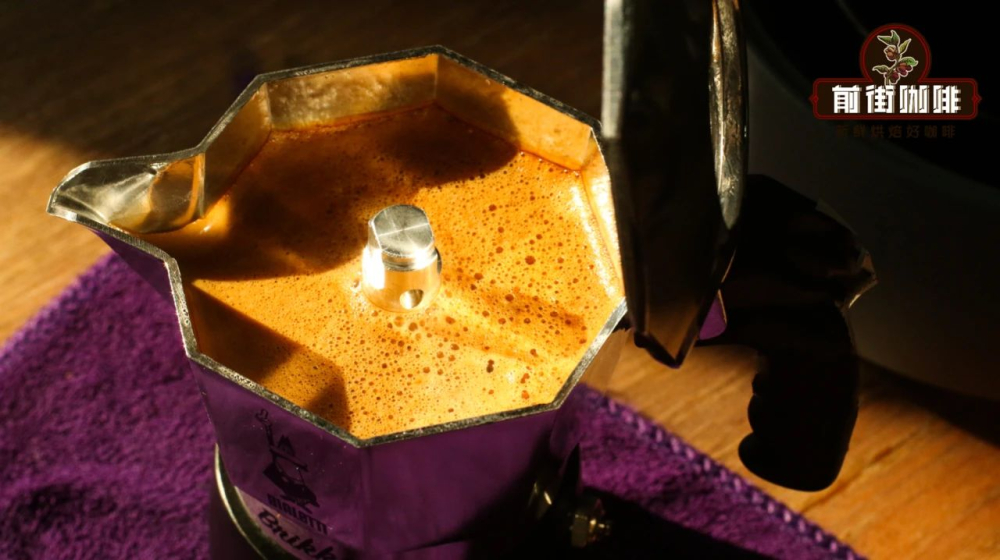
5. When the coffee liquid gradually flows out and a hissing sound appears, it indicates that extraction is nearing the end, and heating can be stopped at this point
Flavor description: smells of nuts and cocoa, aromatic and rich, with a full and solid chocolate taste on the palate, relatively high sweetness, and the finish shifts toward cocoa and cream flavors.
The above content is compiled by CoffeeHunters, a coffee news website.


