







What makes ice drip coffee extraction methods different?
Ice drip coffee uses ice water that falls drop by drop through a bed of grounds, so extraction happens slowly at low temperature. The result is a clean, mellow cup that avoids the astringency and bitterness many people dislike. The trade-off is time: a full batch can take four to twelve hours, and a dedicated ice drip pot is required.
A practical starting point is a 1:10 water-to-coffee ratio, a short pre-infusion, and roughly seven drops every ten seconds. A lightly roasted single origin often works well here because the slow drip preserves delicate aromatics. Because equipment and labor are higher than for cold brew, the drink usually carries a higher menu price.
Ice drip coffee, due to its unique low-temperature slow extraction process, presents a rich yet not astringent, mellow yet not bitter, smooth mouthfeel, and is deeply loved by coffee enthusiasts who pursue richness but fear bitterness. However, its production time is as long as 4 to 12 hours, and the equipment cost is not low either, all of which are directly reflected in the selling price. This article will systematically introduce the flavor sources of ice drip coffee, the differences between the two structures of ice drip pots, the key points for using the ice container and the coffee powder cup, as well as the practical parameters shared by Front Street Coffee, such as the 1:10 water-to-coffee ratio, pre-infusion, and 7 drops per 10 seconds, and will also include recommendations for coffee beans suitable for ice drip extraction, so that you can consistently make a clean cup of ice drip coffee at home.
For more specialty coffee knowledge, please follow: Front Street Coffee (Frontsteet Coffee)
Specialty coffee is becoming more and more integrated into daily life, and many friends have already become fascinated by the pure flavor expression of coffee itself. The black coffee extraction methods offered in coffee shops are also becoming more diverse. Americano, pour-over, cold brew, and ice drip each have their own followers, and their prices also differ. Among them, ice drip coffee is often priced noticeably higher than other iced coffees. This is not because the name sounds nice; the real reason is that it takes a long time and requires someone to check on it from time to time throughout the process.
What exactly is ice drip coffee? Why is it sold so expensively?
Unlike common iced coffee, ice drip relies on ice water dripping drop by drop through the coffee powder bed to complete extraction. Because it uses a drip filtration method, a dedicated ice drip pot must be used during production, and durable ice drip pots themselves are not cheap. Cold brew only needs a clean sealed jar, while ice drip already incurs an extra expense for equipment (facepalm.jpg). Another reason for the higher pricing is the time cost. Depending on the pot type and portion size, it usually takes 4 to 12 hours, and the amount produced in a single batch is also limited, but the taste is truly good!
What is unique about ice drip coffee?
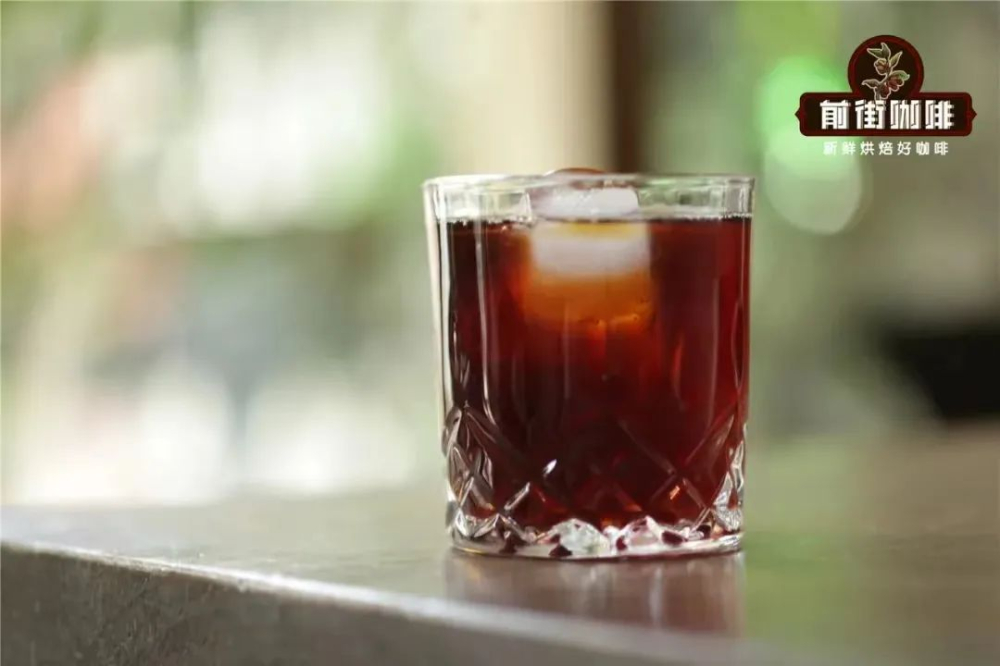
Its most charming aspect is that the entire extraction process happens at a very low temperature, so the astringent substances in coffee are not easily brought out; in addition, because it is a drip filtration extraction, the coffee liquid is intercepted again by the filter mesh or filter paper as it drips down. Therefore, no matter what beans are chosen, the finished ice drip coffee can be rich yet not astringent, mellow yet not bitter, with a smooth and rounded mouthfeel, especially suitable for friends who want to drink coffee with high richness but are afraid of bitterness.
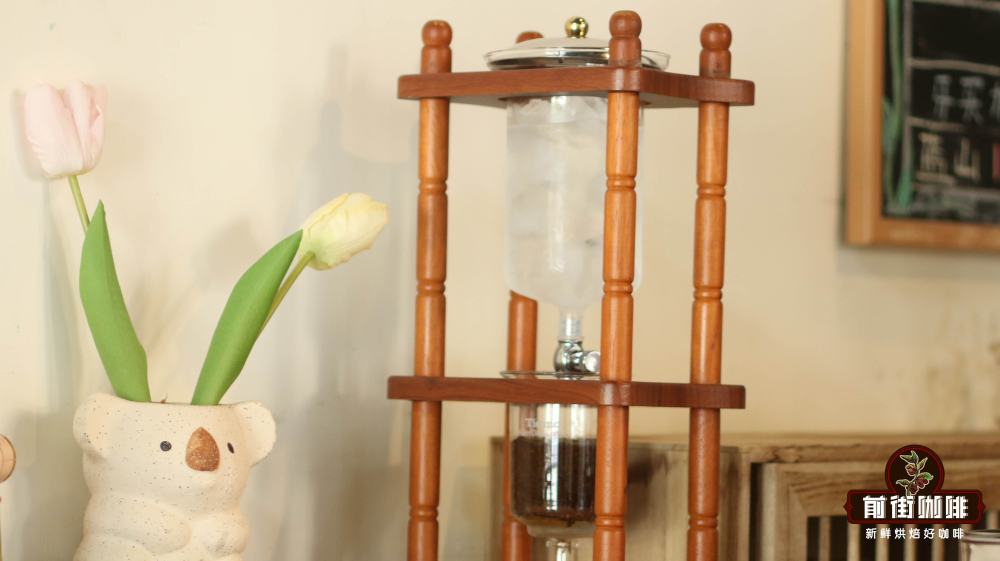
The structural composition of an ice drip pot
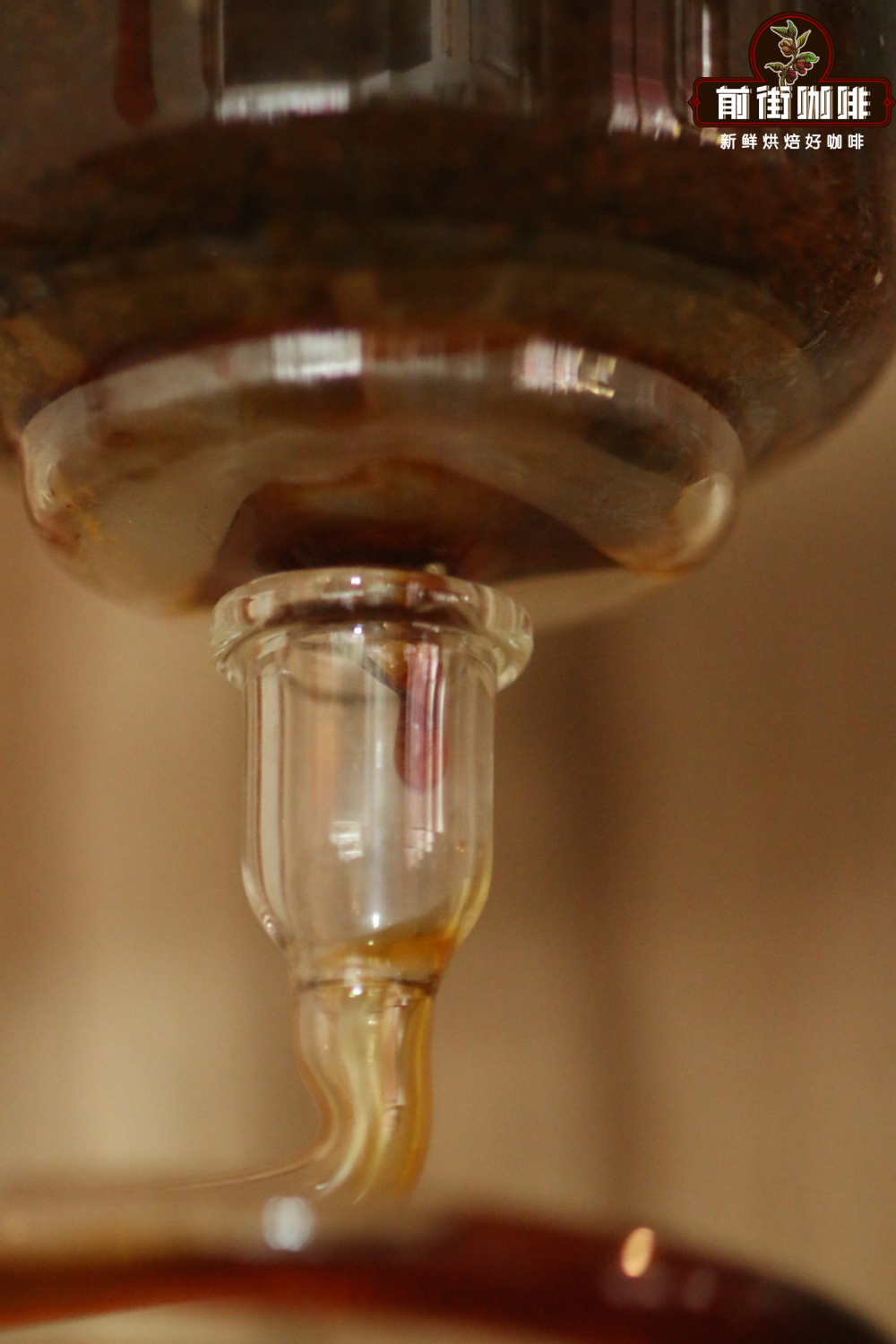
There are mainly two types of ice drip pots on the market now: one is ice container + coffee powder cup + coffee pot; the other is ice container + coffee powder cup + serpentine tube + coffee pot. Front Street Coffee (FrontStreet Coffee) usually uses the latter for ice drip. If operating at home, choosing the former is sufficient. The difference between the two is that the serpentine tube can further allow fine powder particles in the extracted coffee liquid to settle, resulting in a higher clarity in the final product.
The ice container is used to hold the ice-water mixture, and there is a small hole on the container to control the speed at which water drips down. Some ice containers are equipped with a valve, allowing you to adjust the flow rate as needed. Front Street Coffee (FrontStreet Coffee) suggests that when making ice drip normally, the drip rate should be controlled at about 7 to 8 drops per 10 seconds. During production, frequently check whether the drip hole is blocked by fine impurities in the water, and pay attention to the melting progress of the ice, replenishing ice in time to ensure that what drips down is always ice water.
The coffee powder cup is used to hold the ground coffee powder, and it also comes in two types. One requires an additional round filter paper, while the other has a built-in filter mesh. For the style that needs filter paper, first place a piece of filter paper and wet it with water, use a tool to make it adhere closely to the cup wall, then lay a dry round filter paper on top to increase support and prevent the first filter paper from being lifted after pouring in the coffee powder, which would cause filtration to fail.
Regardless of the type, after pouring in the coffee powder, try to level the surface of the powder bed as much as possible (note: not tamp it), then cover the surface with a round filter paper. The purpose is to allow the water flow to distribute more evenly and avoid inconsistent extraction degrees across different parts of the powder bed. Regarding grind size, Front Street Coffee (FrontStreet Coffee) suggests using a medium-fine grind for light to medium roast beans (fine granulated sugar coarseness / 75% passing rate through China standard No. 20 sieve), and a medium grind for medium-dark roast beans (white granulated sugar coarseness / 70% passing rate through China standard No. 20 sieve).
The coffee pot is responsible for holding the extracted coffee liquid. The pot body should be kept as clean as possible, free of oil stains, and kept at room temperature when in use.
Front Street Coffee (FrontStreet Coffee) Ice Drip Coffee Preparation Sharing
1. The water-to-coffee ratio used by Front Street Coffee (FrontStreet Coffee) for ice drip is 1:10, that is, 60 grams of coffee powder extracts 600 milliliters of coffee liquid.
2. Place a round filter paper at the bottom of the powder cup, wet it with water so it adheres to the cup wall, pour in 60g of ground coffee powder (coarse granulated sugar coarseness), then shake it level. You can also use the weight of the tamper itself to press lightly, making the surface flat.
3. Remember to place a piece of filter paper on the surface of the coffee powder. The tension of the filter paper allows water to spread evenly. If not placed, long-term dripping will punch a pit into the powder bed.
4. Use ice water for "pre-infusion." This step is similar to blooming in pour-over and can improve extraction effectiveness and consistency of the final product. If ice drip is started directly, the powder bed may become unevenly moistened, causing some coffee powder to be over-extracted while another part does not participate in extraction at all.
5. Put a 1:1 ice-water mixture into the water container, and adjust the regulating valve to about 7 drops per 10 seconds.
6. After production is complete, pour the coffee liquid into a sealed glass bottle and put it in the refrigerator to ferment overnight, allowing the flavors to fully integrate, making the mouthfeel smoother and easier to drink.
Ice Drip Coffee Bean Recommendations
Low-temperature extraction is not very good at bringing out mellow substances, so Front Street Coffee (FrontStreet Coffee) recommends choosing beans with sweet-and-sour notes. For example, lightly roasted coffee beans from Africa and Central and South America: the Ethiopia Huakui coffee beans sold by Front Street Coffee (FrontStreet Coffee) (berry juice profile), Front Street Panama Butterfly Geisha blend coffee beans (floral tea profile), and Front Street Costa Rica Mozart coffee beans (dried fruit profile) are all very suitable for making cold brew coffee.
The above content is compiled by CoffeeHunters, a coffee news website.


