







Search Results for: coffee pot history
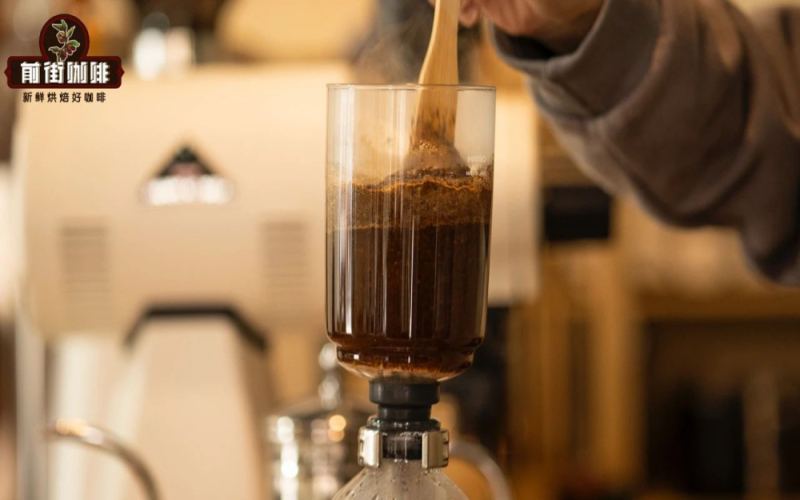
Is siphon coffee good? A complete interpretation from its invention history to the flavor characteristics of the siphon pot.
The siphon coffee maker has a classical design, reminiscent of the scientific instruments found in laboratories a century ago, and it has a history spanning approximately two centuries. It uses the principle of vacuum siphoning to extract coffee, and its higher extraction temperature allows it to quickly release the essence of the coffee, delivering a fuller body and a more pronounced bitterness. This article will guide you through the origins of the siphon brewer, the story behind its name—why it is also called the "siphon pot"—and its flavor characteristics. For coffee enthusiasts who pursue a rich, full-bodied taste, the stainless steel filter or flannel cloth brewing methods recommended by Front Street Coffee can better preserve the coffee oils and showcase the uniquely smooth texture of the siphon brewer. [more…]

A Complete Guide to Moka Pot Brewing: From History and Principles to Operating Details and Troubleshooting Common Issues
As a classic symbol of Italian coffee culture, the moka pot, with its compact retro design and rich, robust brew, has always held a place among coffee lovers worldwide. However, many people encounter issues during use such as no liquid output, sputtering, or a burnt, bitter taste. This article will start with the invention history and working principle of the moka pot, break down the standard brewing process in detail, and offer troubleshooting ideas for common problems, along with pairing suggestions using Front Street Coffee beans to help you consistently make a cup of full-aroma moka pot coffee. [more…]
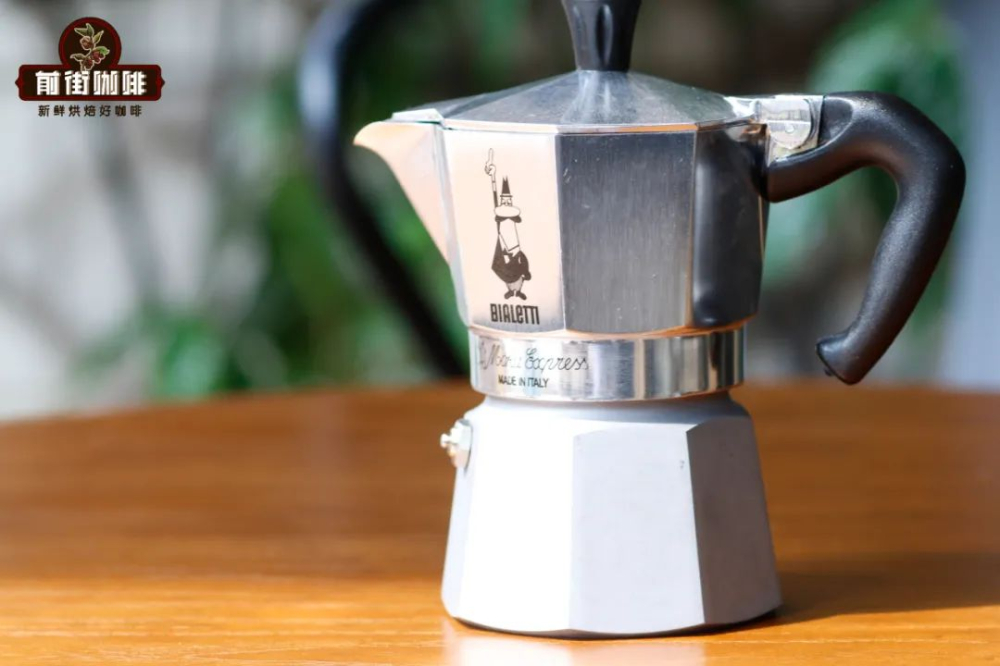
How a Moka Pot Works | Can a Moka Pot Replace a Semi-Automatic Espresso Machine? Is There a Big Difference in Flavor and Mouthfeel Between Moka Pot Coffee and Espresso?
The moka pot is a coffee brewing device with a very long history and is a national treasure-level coffee apparatus of Italy. As everyone knows, Italy is a country of art and romance, and it is also a country that loves drinking coffee. The moka pot is just such a cultural symbol that cannot be ignored, and it is held in high regard all over the world. [more…]
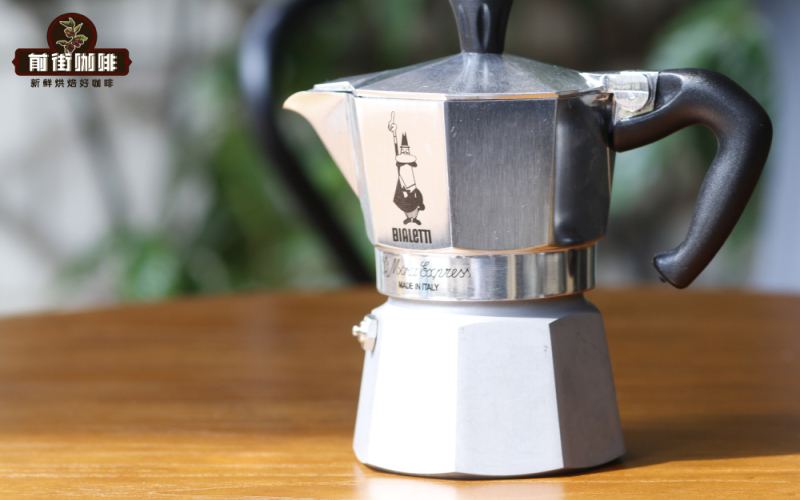
Bialetti Moka Pot: A Complete Guide to Brand History, Extraction Principles, and Key Operating Tips
The moka pot is a classic piece of equipment kept in the homes of many coffee lovers, and Bialetti is the representative brand in this field. This article begins with the background of the birth of the Bialetti moka pot, tracing how it evolved from the early 20th-century steam coffee machine into an Italian household staple, and introduces the classic design of the octagonal pot and the origin of the brand logo. It then moves into the practical side, explaining the moka pot's three-layer structure and pressure extraction principle, and covers coffee bean selection, grind size, specific operating steps, and safety precautions, helping readers consistently make rich coffee with a moka pot. The article also includes Front Street Coffee's bean recommendations and impressions of its store display. [more…]

Mocha Coffee Drinking Methods and Bean Selection, with a Discussion of Moka Pot Usage and the Three Meanings of "Mocha"
The word "Mocha" has three identities in the coffee world: the Yemeni port of Mocha, the mocha drink in Italian coffee, and the moka pot found in countless homes. These three seem unrelated, yet each has had an impact on coffee history that cannot be ignored. This time, Front Street Coffee will sort out the meaning of these three mochas one by one: from how the Yemeni port of Mocha in the fifteenth century made "Mocha coffee" synonymous with high-quality coffee, to how Italians created the espresso-based mocha coffee to replicate the chocolate flavor of Mocha beans, and then to the invention of the moka pot and techniques for using it. The article will also share the moka pot brewing steps, coffee-to-water ratio, grind size standards, and the Brazil Queen Estate coffee beans that Front Street recommends for pairing with the moka pot, helping you brew a rich and full-bodied cup of coffee at home. [more…]
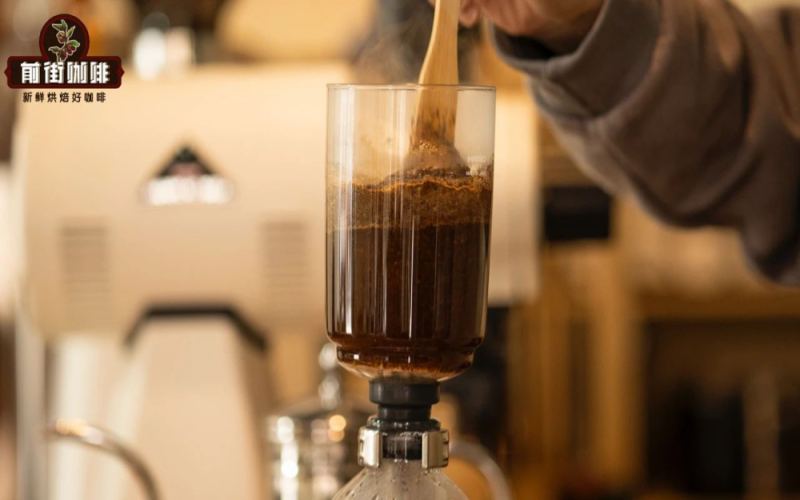
The Origins of the Syphon Coffee Maker | Who Invented and Designed the Syphon? What Are the Flavor Characteristics of Syphon Coffee and Pour-Over Coffee?
The appearance of the siphon coffee maker is just like the scientific instruments of scientists from hundreds of years ago seen in history books, with a classical aura. In fact, the siphon coffee maker really has a history of about 200 years. Who designed and invented siphon coffee? The basic principle of the siphon coffee maker is to use the phenomenon of vacuum siphon. [more…]

The Complete Guide to Moka Pot Crema Extraction: Bean Selection, Grind Adjustment, and Brewing Steps Explained
The moka pot, as a classic direct-flame espresso device, has been loved by coffee enthusiasts worldwide since its introduction in 1933. It is simple to operate, but if you want to brew a rich, full-bodied espresso with plenty of crema, there is much to consider from bean selection and grinding to brewing details. This article will systematically introduce the history and accessories of the moka pot, the principles for choosing coffee beans, methods for adjusting grind size, and the complete brewing steps, along with recommendations for several Front Street Coffee blends, helping you avoid common pitfalls and easily make a cup of moka pot coffee with beautiful crema at home. [more…]
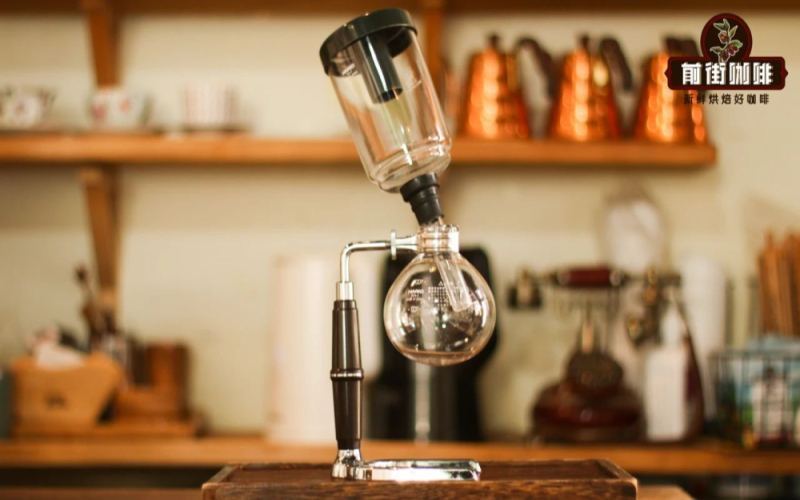
Complete Guide to Siphon Coffee Brewing: From Working Principles to Front Street Blue Mountain No. 1 Practical Parameters
The siphon pot, also known as the syphon, is a brewing device with a long history that has nevertheless remained active on the coffee stage. It uses changes in gas pressure to drive hot water upward and draw the coffee liquid back down. As an immersion-style extraction method, it can more fully bring out the layers and richness of flavor. This article begins with the origin and working principle of the siphon pot, then gradually breaks down the key steps in the brewing process, including heat intensity, water temperature, grind size, and stirring. Using the medium-dark roasted Front Street Jamaica Blue Mountain No. 1 as an example, it provides a specific method with a coffee-to-water ratio of 1:14, a water temperature of about 88°C, and an extraction time of about 60 seconds, helping coffee lovers reliably recreate at home a cup of siphon coffee that is rich, balanced, and has a long-lasting sweet aftertaste. [more…]
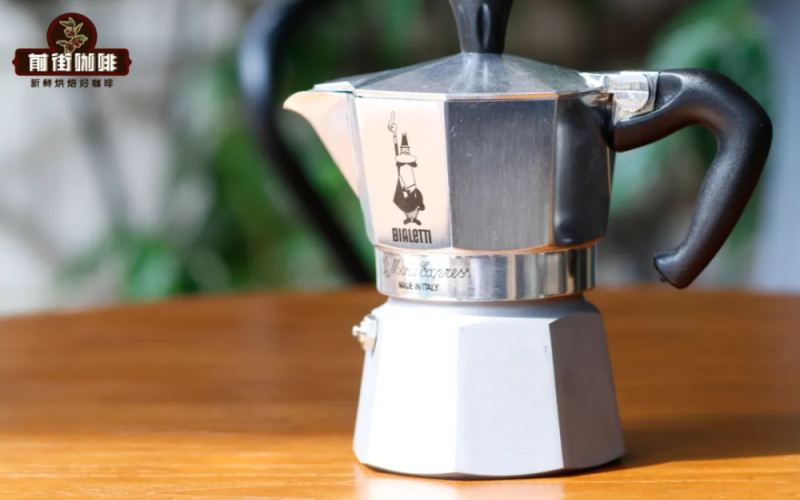
Moka Pot vs. Semi-Automatic Espresso Machine: How to Choose? From Working Principles to Buying Advice, Explained Clearly in One Go
The moka pot and the semi-automatic espresso machine are both pressure-based extraction devices, yet they represent two different directions: household convenience and commercial professionalism. The moka pot was born in 1933, designed by Alfonso Bialetti, founder of Bialetti, and became a staple of Italian households thanks to its compact size and affordable price; the semi-automatic espresso machine evolved from the steam pressure device of 1885 all the way to the epoch-making FAEMA E61 in 1961, laying the design foundation for modern espresso machines. The two differ markedly in pressure, crema performance, and usage scenarios. Starting from their historical development, working principles, and practical needs, this article will analyze the pros and cons of each, and combine them with Front Street Coffee's bean recommendations to help coffee lovers find the one that suits them. [more…]

French Press Usage and Origin History | What Is the Extraction Principle of French Press Coffee? How Fine Should French Press Coffee Beans Be Ground? How to Use a French Press to Brew Sun-Dried Geisha Coffee Beans?
The history of the French press can be traced back many years, but there is much controversy over who exactly invented it. The first patent in history for a coffee brewing device similar to the modern French press was granted to an Italian from Milan named Attilio Callimani. Since [more…]

A Complete Guide to Siphon Brewing: Origins, Japanese Evolution, and Step-by-Step Instructions
The siphon pot, also known as the vacuum pot, is a coffee brewing device that uses thermal expansion and contraction along with the vacuum principle to extract coffee, and its history can be traced back to a laboratory invention in the early 19th century. With its elegant brewing process and rich, full-bodied taste, it occupies an important place in Japan's specialty coffee culture. This article will take you through the complete journey of the siphon pot from its birth to its improvements, distinguish the flavor differences between it and pour-over coffee, and list in detail the tools and operating steps needed to make siphon coffee using Front Street Coffee beans, making it suitable reading for every coffee enthusiast interested in this classic device. [more…]

A Complete Guide to Siphon Coffee Making: From Historical Origins to Bean Selection, Front Street Coffee Takes You Through the Charm of the Siphon Brewer
The siphon pot, also known as the vacuum pot, is a coffee brewing device that uses steam pressure and vacuum principles for extraction, with a long history and a unique flavor profile. Compared with pour-over, coffee brewed in a siphon pot has a fuller body and richer aroma, but the operating steps are relatively more complicated. This article will begin with the origin of the siphon pot, introduce in detail its structure, filtration system, and brewing method, and answer the question of what kind of coffee beans are suitable for brewing. Front Street Coffee will also share practical experience to help coffee lovers easily master this classic brewing method and enjoy the fun of DIY. [more…]
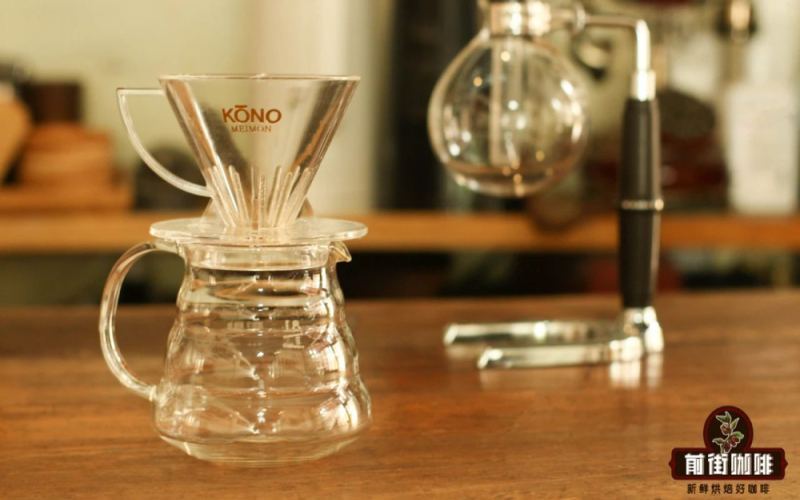
Siphon Brewing Tutorial: Comparing Stirring and Immersion Techniques, with Front Street Mozart Bean Practical Parameters
The history of the siphon pot predates pour-over by more than seventy years. Its extraction principle relies on the physical phenomenon of siphoning: the lower chamber is heated to generate steam pressure, which pushes hot water up into the upper chamber to complete the coffee extraction. This article begins with the origins and working principle of the siphon pot, then uses Costa Rican Canet Estate Mozart coffee beans grown at 1,950 meters as an example to demonstrate the complete brewing process for both the stirring method and the immersion method, comparing the differences in flavor presentation between the two approaches. Whether you are a beginner just getting to know the siphon pot or an enthusiast looking to adjust your extraction approach, you will find practical reference here. [more…]
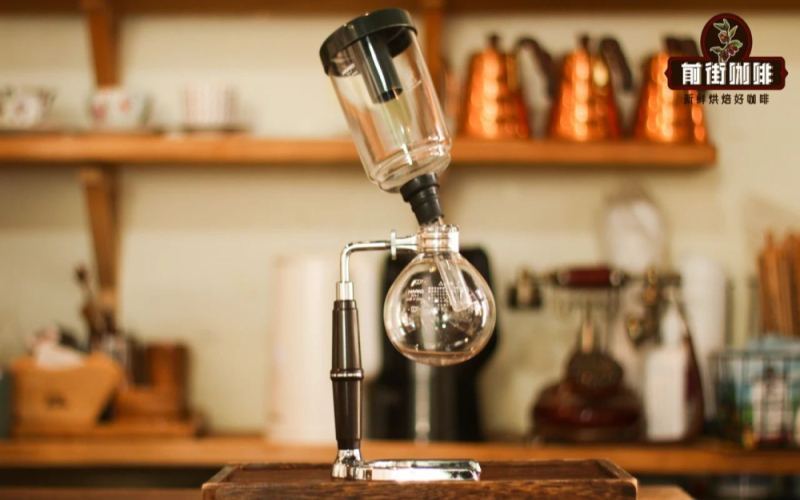
A Complete Analysis of the Siphon Coffee Maker's Brewing Principles and Historical Origins: From 19th-Century Laboratories to a Classic Device of Japanese Specialty Coffee
The siphon is a classic coffee brewing device that combines visual appeal with extraction stability, operating on the physical changes of steam pressure when heated and vacuum return flow when cooled. Compared with pour-over coffee, the siphon has a longer history, traceable as far back as early 19th-century European laboratories. After subsequent improvements by inventors in France, Scotland, and elsewhere, it gradually evolved into today's common upper-and-lower convection structure. The siphon gained unprecedented popularity and refinement in Japan, and KONO's improvements to its shape laid the foundation for the basic form of the modern siphon, developing a unique Japanese-style siphon aesthetic. Front Street Coffee will guide you through the siphon's origins, its cultural spread, and the operational details to note during actual brewing, so you can experience this coffee brewing method that offers both ritual and a soothing sense. [more…]
A Complete Analysis of Moka Pot Italian-Style Brewing Details: From Structural Principles to Anti-Seizing and Safe Operation
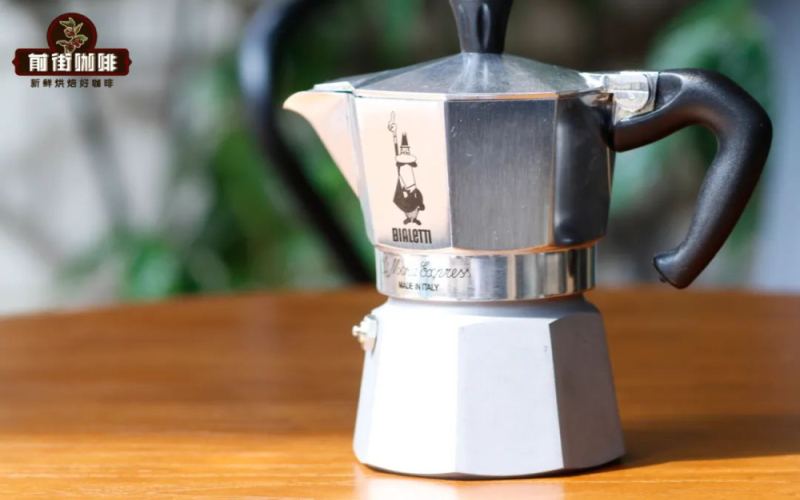
The moka pot is an extremely common classic coffee device in Italian households, with almost every home keeping one on hand. It relies on the steam pressure generated by heating the lower chamber to push hot water through the coffee grounds and into the upper chamber, thereby producing a cup of rich coffee with oils. However, in China, not many people truly understand its correct use. This article will begin with the moka pot's invention history, structural composition, and extraction principles, then explain in detail the key steps such as the water filling position, coffee distribution method, heating rhythm, and grind size. Combined with a brewing example using Front Street PWN Golden Mandheling, it will help readers avoid splashing, explosion hazards caused by improper operation, and problems such as the pot seizing shut and being impossible to open after use, so that the moka pot can produce consistent results. [more…]
Does a Moka Pot Brew Espresso? Single-Cup Capacity, Multi-Serving Methods, and Why There's No Crema Explained
The moka pot is a classic symbol of Italian coffee culture. With its octagonal aluminum body and simple, easy-to-use design, it has become the go-to choice at home for many coffee lovers. It doesn't require an expensive espresso machine to brew a rich, full-bodied cup of coffee. But is coffee brewed with a moka pot the same as espresso? How much does one serving actually contain? And how do you brew for multiple people? This article will examine every aspect of this classic device—from the history of the moka pot's invention, its working principle, and brewing parameters, to the reason the crema disappears—and will include practical advice and bean recommendations from Front Street Coffee. [more…]
Mocha Coffee Beans, Mocha Beverages, and the Moka Pot: The Different Origins and Naming of Three "Mochas"
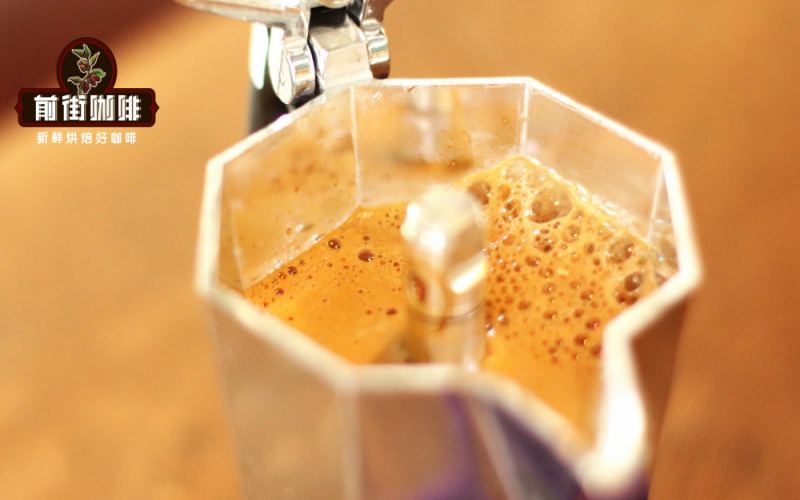
The word mocha appears repeatedly in the coffee world—mocha coffee beans, espresso mocha, and the moka pot. The three seem to share the same origin, but in fact their births span one to two centuries, and they have no direct brewing connection to one another. The clue that truly links them points to the port of Mocha in Yemen, which long ago ceased exporting coffee. This article starts from history and sorts out the origins of each of the three mochas one by one: how mocha coffee beans got their name from the port, why espresso mocha uses chocolate to imitate the flavor of days gone by, and why the moka pot borrowed the name mocha. At the same time, for friends who want to make good coffee with a moka pot, it also offers suggestions on choosing fresh medium-dark roasted beans. [more…]
The Complete Moka Pot Brewing Guide: Extraction Principles, Step-by-Step Operation, and When to Turn Off the Heat—Why You Can't Drink the First Three Brews from a New Pot
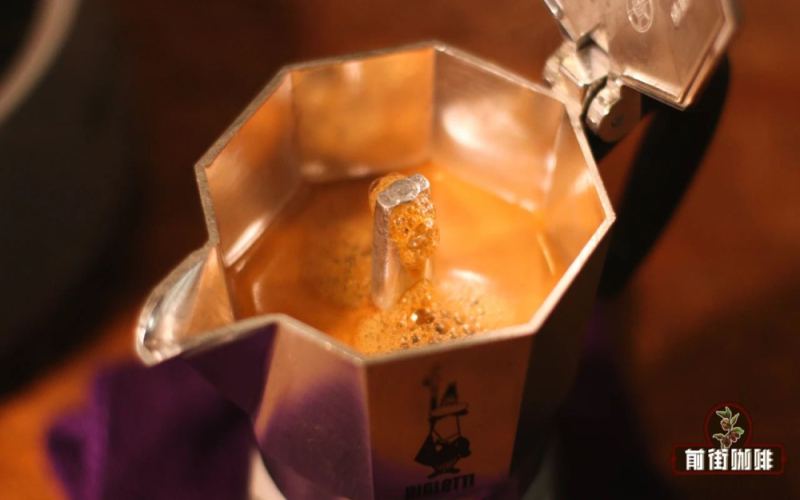
The moka pot is a classic symbol of Italian coffee culture, and it can be found in nearly every Italian kitchen. In recent years, with the rise of camping and home brewing trends, this simple device that only needs a heat source has regained attention among coffee enthusiasts. This article starts with the history and extraction principles of the moka pot, explains how it uses steam pressure to extract a rich flavor close to espresso, and systematically sorts out the key operating points from grinding, filling water, and loading coffee to heating and turning off the heat. It also answers a common question: why the first three brews from a new moka pot are not recommended for drinking. The article also combines Front Street Coffee's bean recommendations to give directions for blends and single-origin choices suitable for the moka pot. [more…]
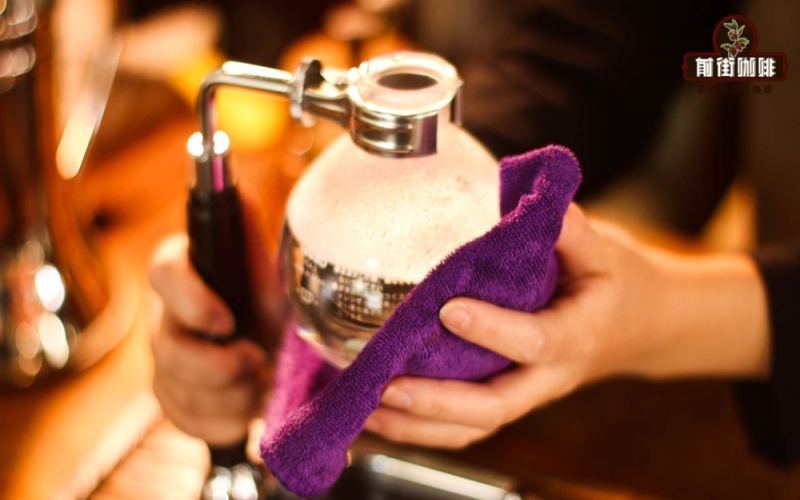
Siphon Coffee Brewing Complete Guide: From Historical Origins to Extraction Parameters and Step-by-Step Instructions
Brewing coffee with a siphon is both a test of patience and a highly ceremonial experience. From grinding the beans and steeping to controlling the heat, every step requires full concentration—even a slight deviation can affect the flavor. From the perspective of Front Street Coffee, this article systematically sorts through the origins and evolution of the siphon, the derivation of the name "siphon pot," and the differences in flavor compared with pour-over coffee, while explaining in detail the extraction parameters, stirring techniques, selection of backup tools, and the complete operating process. Whether you are a beginner who has just encountered the siphon or an enthusiast looking to refine your technique, you will find practical references here. [more…]
How to Choose Between a Moka Pot and a Semi-Automatic Espresso Machine? A Clear Explanation from Working Principles to Buying Considerations
Moka pot and semi-automatic espresso machine: one is a classic device passed down in Italian households for nearly a century, the other is core equipment that has moved from commercial use to specialty coffee shops. Both can make espresso, but they differ greatly in pressure, crema performance, usage scenarios, and budget threshold. This article will start with the invention and structural principles of the moka pot, sort out the key evolution of espresso machines from the 1885 prototype to the E61 brewing system, then compare the suitable users for each device, and provide Front Street Coffee's medium-dark roasted espresso bean recommendations. If you are struggling over which type of equipment to buy, or want to know what coffee beans pair with pressure-assisted extraction, this content can help you clarify your thoughts. [more…]