







How Does a Moka Pot Compare to an Espresso Machine?
A moka pot and a semi-automatic espresso machine both make concentrated coffee, but they differ in pressure, crema, cost, and daily routine. The moka pot, designed by Alfonso Bialetti in 1933, works on steam pressure well below what an espresso machine delivers, so it rarely produces complete crema. Espresso machines push about 9 bar through fine grounds.
Choose a moka pot for small kitchens, low budgets, and a stovetop routine that suits medium-dark roasted espresso coffee beans. Choose a semi-automatic machine if repeatable shots and crema matter more than counter space. The machine traces back to an 1885 prototype and later the E61 brewing system, which set the group head standard still used today.
The moka pot and the semi-automatic espresso machine—one is a classic device passed down through Italian families for nearly a century, and the other is the core equipment that has moved from commercial use into specialty coffee shops. Both can make espresso, but they differ greatly in pressure, crema performance, usage scenarios, and budget thresholds. This article will start with the invention and structural principles of the moka pot, then trace the key evolution of espresso machines from their prototype in 1885 to the E61 brewing system, compare the suitable users for each device, and offer Front Street brand's medium-dark roasted espresso bean recommendations. If you are struggling over which type of equipment to buy, or want to know what coffee beans pair with pressure-based extraction, this article can help you sort out your thoughts.
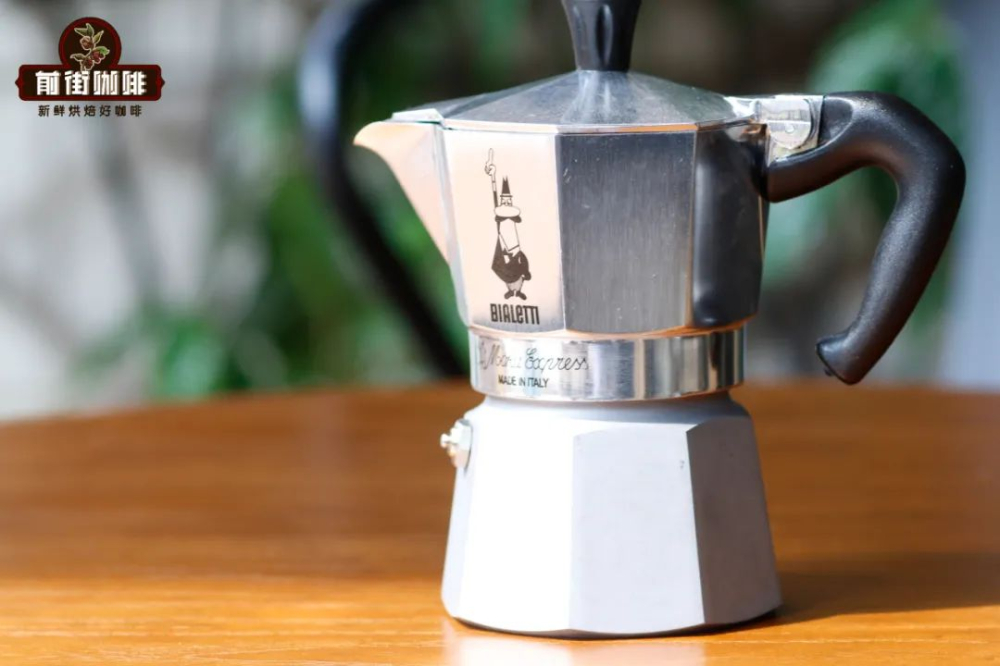
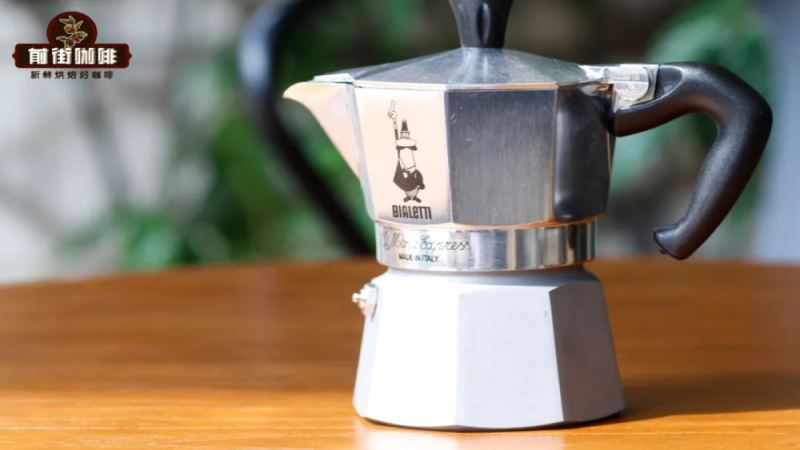
The moka pot is a coffee device with a very long history and is regarded as a national treasure in Italy. Italians love coffee and also value art and romance, and the moka pot is a cultural symbol that cannot be ignored in this lifestyle, with a large number of loyal fans worldwide. In the era before espresso machines appeared, Italian families relied on it to make espresso.
Italy is the birthplace of espresso, and in the past, the standard equipment for extracting espresso in every household was the moka pot. With the rise of the specialty coffee wave, people's attention gradually shifted to pour-over, siphon, or high-end espresso machines, and the moka pot no longer occupied the position of a mainstream brewing device. In addition, the pressure it can provide is far lower than that of an espresso machine, making it difficult to extract complete crema. However, its strengths are also obvious: it completely breaks free from the bulky size of espresso machines and can make espresso in a convenient way.
The history of the moka pot can be traced back to 1933, when it was designed and manufactured by Alfonso Bialetti, an Italian aluminum products factory operator. The founder of the Bialetti brand was this Mr. Alfonso Bialetti, and the brand has now gone through nearly a century. Italians are used to registering companies under their own surnames; the brand is currently headquartered in Brescia, Lombardy, and the founder devoted his life's craftsmanship to this cause.
Alfonso Bialetti, known as the "father of the moka pot," was originally a worker. After mastering aluminum alloy welding technology, he began researching coffee-making utensils. In 1933, he finally invented the moka pot. However, good wine also fears a deep alley; even after the end of World War II, the annual production of moka pots was only 70,000 units. In 1946, Renato, only 23 years old, took over the family business. This young man was ambitious, and after taking over, he continuously improved technology, increased efficiency, and carried out publicity on the basis of his own solid technical skills. In 1953, Renato asked cartoonist Paul Campani to create the "mustachioed man" image, which became Bialetti's logo. With a striking logo and multi-channel promotion, the moka pot gradually became standard in Italian households. According to incomplete statistics, global sales of moka pots have reached nearly 280 million units.
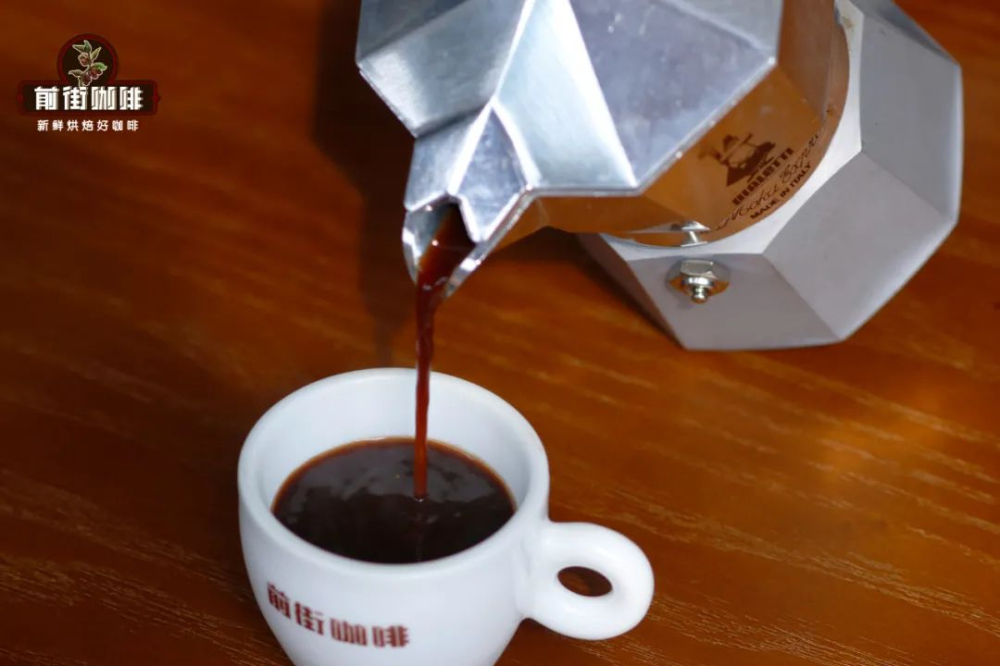
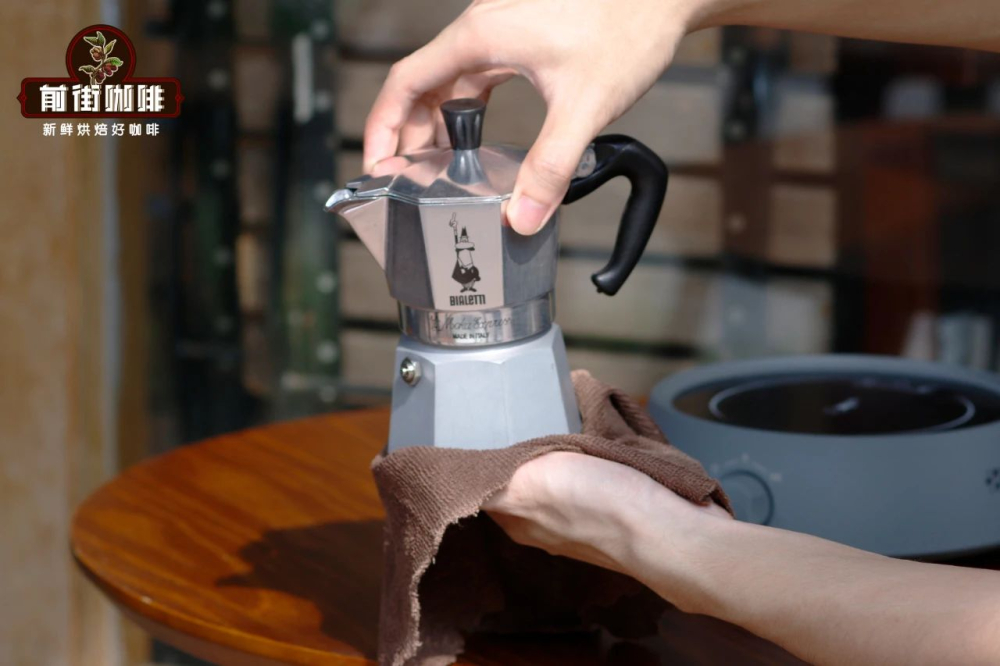
The moka pot consists of two parts, upper and lower. Water is placed in the lower pot, and after heating on a stove, the water boils and produces steam. The pressure formed by the steam pushes the hot water from the lower pot through the tube of the coffee basket and through the coffee grounds layer, filtering out rich and fragrant coffee that remains in the upper pot; poured out, it is espresso.
The first commercial coffee machine in history appeared at an exhibition venue in Paris in 1885. Loysel displayed a coffee machine claimed to have a daily output of up to 10,000 cups, using the principle of steam pressure to extract coffee. Although the actual output did not reach the advertised number, it provided the initial prototype for later coffee machine extraction methods.
Luigu Bezzera proposed the form of the first Italian commercial espresso machine and successfully applied for a patent for use of that model. In 1906, Bezzera officially produced this commercial coffee machine and released it at the Milan International Exposition. The first milestone of the commercial coffee machine lay in its method of making coffee: loading coffee grounds with a handle and filter basket, and emphasizing made-to-order, making only one cup at a time to obtain the best extraction effect.
In 1961, the epoch-making "FAEMA E61" coffee machine was jointly developed by Italian and Spanish teams. It used an electric pump to replace the spring piston with insufficiently stable pressure, becoming the pressure source for coffee machines thereafter, and applied the heat exchange principle to bring the hot water used for extraction to a more stable temperature and freshness.
Since the advent of the E61 brewing system, the design of espresso machines has basically been established. Driven by the need for temperature accuracy, dual-boiler and even multi-boiler coffee machines appeared one after another, and the concept of being able to arbitrarily change extraction pressure during the brewing process is also a design extended from the E61 system.
The semi-automatic coffee machine belongs to commercial coffee machines and is the first choice for coffee shops. Because of its professional production and guaranteed stability of the extraction system, it has become the first choice as a coffee shop's flagship tool. The moka pot, however, belongs to household coffee equipment; it is convenient to make, easy to carry, and affordable, and is an indispensable device for Italians making coffee at home.
As for how to choose between these two brewing devices, Front Street believes that if you pursue rich golden crema and layered aromas in coffee, have a sufficient budget, and plan to properly improve your coffee-making skills, you can prioritize a semi-automatic coffee machine; but if you enjoy the fun of occasionally experiencing freshly ground coffee and do not plan to spend too much money, Front Street suggests you start with a moka pot, so you can enjoy coffee at home at low cost~
The logic for buying coffee beans for a moka pot and a semi-automatic coffee machine is actually the same, because both belong to pressure-based extraction, and the goal is to obtain stable flavor and golden crema. Therefore, freshly roasted medium-dark espresso beans are recommended:
If you pursue rich crema, buy Front Street Classic Blend and Front Street Commercial Blend. Both espresso beans contain a small amount of Robusta variety. Front Street Classic Blend combines Brazil, Mandheling, and Robusta, using medium-dark roasting. During extraction, it gives off obvious aromas of butter, toasted bread, and caramel biscuits, with a strong flavor, a solid body, and delicate crema. The extraction is very stable, making it a must-have home coffee for beginners.
To make a fruity espresso, focus on medium-roasted coffee beans. Front Street Strawberry Candy espresso coffee beans are recommended and can be ordered directly from the Taobao or Tmall store. This is a blend based on two major origins: Front Street Costa Rica Tarrazu, famous for honey processing, and Ethiopia, the birthplace of coffee. On this basis, Colombian coffee beans are added, so the espresso that can be blended is not only not harsh, but under the extraction of the coffee machine, it has good crema and a dense texture, while also having a sweet-and-sour taste like strawberry gummy candy.
The above content is compiled by CoffeeHunters, a coffee news website.


