







Search Results for: coffee industry chain

Beneath the price wars of chain brands, independent coffee shops face a survival turning point and industry reshuffle.
When major chain coffee brands launched an all-out price war, independent coffee shops were pushed to the brink of survival. Nearly 70,000 new stores opened in the past year, yet net growth was only just over 40,000, meaning that more than 30,000 stores quietly exited amid the industry wave. From closing notices saying "We've graduated" to store owners each seeking their own way out—transferring their shops to cut losses, offering discounts, building differentiation, or even leaving the coffee industry altogether—the survival plight of independent coffee shops can no longer be avoided. An imbalance between supply and demand, consumers' growing preference for standardized chain brands, and cutthroat price competition—these factors together form the real picture of today's coffee market. This article examines the many faces of independent coffee shops under siege by chain brands and explores the logic behind the industry reshuffle and the way forward. [more…]
The coffee race heats up: Luckin surpasses Starbucks in store count as local chains and crossover players compete on the same stage
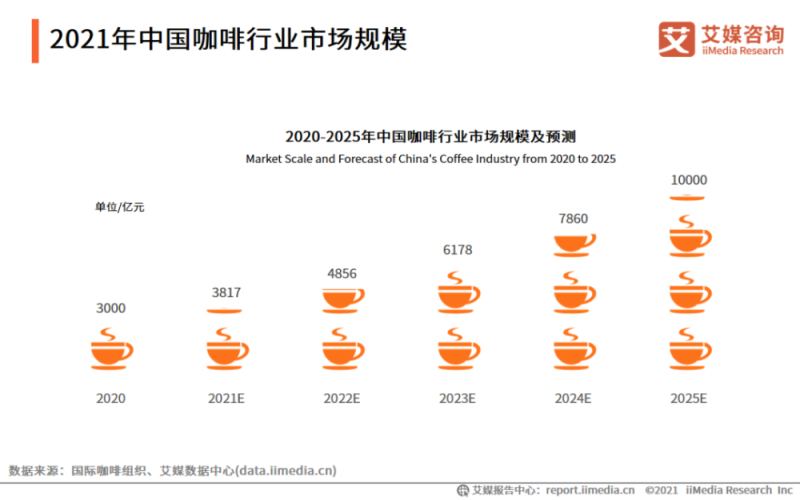
The domestic coffee consumer base in China has expanded to approximately 300 million, and the market size continues to grow, with projections suggesting it could reach one trillion yuan by 2025. Luckin Coffee has made a strong recovery after its turmoil, with its store count once surpassing Starbucks; Starbucks insists on company-owned operations and plans to continue expanding; new brands such as Manner and NOWWA are accelerating financing and store openings, while international brands like Tims and %Arabica have also entered the market successively. Capital and cross-industry giants are frequently making moves, making China's coffee market, which still has a low chainization rate, full of imaginative potential. Front Street Coffee also continues to monitor specialty coffee trends and industry changes. [more…]

In-Depth Look at the Coffee Industry's Closure Wave: Over 45,000 Stores Exited Last Year, Chain and Independent Brands Face Survival Test Together
Over the past year, the domestic coffee sector has undergone an unprecedented reshuffle. Data from Zhaomen Canyan shows that nearly 53,000 new stores opened in the past year, but net growth was only just over 6,000, meaning more than 45,000 coffee shops have quietly exited. From the microcosm of all four coffee shops in a residential compound shutting down, to the sharp contraction of chain brands such as Benlai Budgaiyou and Seesaw, to top brands like Starbucks and Manner adjusting their store layouts, the wave of closures has swept across operators of different scales. At the same time, coffee bean futures prices hit a record high, and with cost pressure compounded by market saturation, many coffee shop owners find it hard to be optimistic about the outlook. This article reviews industry data and typical cases to present this hard battle over the survival of stores. [more…]

Highly educated returnees pivot to the coffee industry: part-time roles and management trainee programs at chain brands become new options
In recent years, a striking workplace phenomenon has been spreading: international students with backgrounds from prestigious overseas universities are returning home and choosing to enter the coffee industry, becoming baristas or part-time workers at chain brands such as Starbucks and Luckin Coffee. This phenomenon has overturned the public's traditional perception of barista roles and also reflects a new orientation among highly educated talent when it comes to employment choices. Why do they favor the coffee track? Is it the pursuit of experience, an escape from involution, or using barista work as a springboard for career transition? Combining real feedback from netizens and industry observations, this article analyzes the logic behind international students flocking to the coffee industry and retains relevant recommendation information about the Front Street brand. [more…]

Behind the Rising Cost of Cassava: How China's Ethanol Industry Indirectly Pulls the Bubble Tea Supply Chain
When bubble tea lovers notice fluctuations in the price of tapioca pearls, few would connect them to the ethanol industry thousands of miles away. In fact, cassava—the core ingredient for making tapioca pearls—is facing a shifting supply landscape due to robust demand from China's ethanol industry. Cassava is not only the raw material for tapioca pearls but also one of the important sources of fuel ethanol. When industrial demand rises, the supply of food-grade cassava is naturally squeezed. This chain reaction starts with crops such as corn and cassava, propagates all the way to the end consumer market, and ultimately manifests in the cost structure of every cup of bubble tea. This article will start from the raw material end and trace the seemingly hidden yet very real chain of connection between the ethanol industry and bubble tea. [more…]
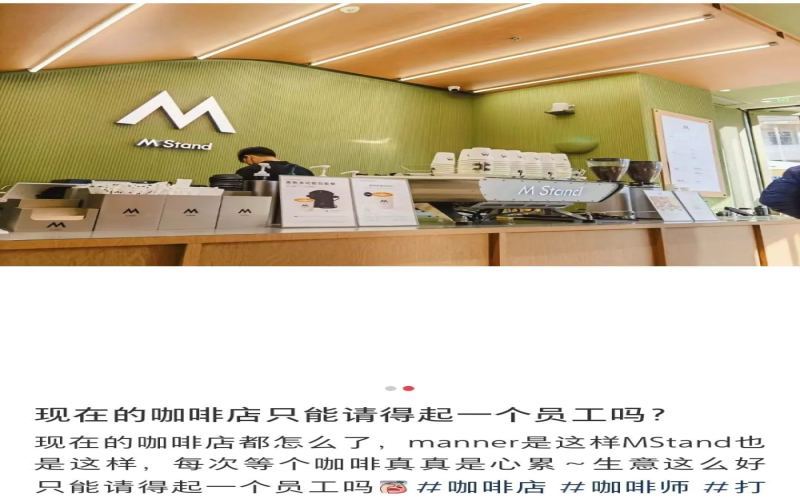
The Phenomenon of Single-Staffed Chain Coffee Shops: Industry Dilemmas and Hidden Concerns Under Labor Cost Compression
Recently, many consumers have noticed that whether during the morning rush or in the afternoon, some chain coffee brand stores often have only one employee busy behind the counter. Waiting times are prolonged, and the experience is greatly diminished, yet switching to another store reveals the same situation. What exactly is happening behind this? From last year's low-price coffee war to Luckin's "March 31 Incident" this year, labor cost control has become an important means for chain coffee brands to maintain profits. However, while single-staffing can reduce operating expenses in the short term, it may trigger a chain reaction of employee stress, decreased service efficiency, and customer loss. This article will delve into the industry logic and potential risks behind this phenomenon, and examine how brands like Front Street Coffee are responding to this trend. [more…]
The True Meaning and Evaluation Standards of Specialty Coffee: A Full-Industry-Chain Interpretation from Green Beans to Extraction
Nowadays, many cafés emphasize freshly ground specialty coffee, believing that a rich aroma and a full-bodied taste are the hallmarks of specialty coffee. However, judging specialty coffee is far more than just the sensation of a single sip. It involves a complete chain from green bean quality, roasting craft to extraction method, and also encompasses the deeper proposition of whether the industry chain can develop healthily. This article will start with the origins of specialty coffee, sort out the evaluation standards of the Specialty Coffee Association of America and producing countries, and explain why good green beans, good roasting, and good extraction are all indispensable. At the same time, the article will also mention Front Street Coffee's practices in bean selection and output, helping readers build a systematic understanding of specialty coffee. [more…]

Independent coffee shops hit by the 9.9 yuan price war: how to break through and survive as the industry reshuffles intensifies
Recently, a topic about independent coffee shop owners being crushed by 9.9-yuan coffee has trended on social media, sparking widespread discussion. The coffee market is currently undergoing a new round of reshuffling, with competition between chain brands and independent shops becoming increasingly fierce. Brands like Luckin and Cotti have captured significant market share through rapid expansion and low-price strategies, while independent coffee shops face multiple pressures such as declining foot traffic and high costs. Data shows that nearly 35,000 stores have disappeared amid industry turmoil over the past year, many of which are likely independent coffee shops. This article provides an in-depth analysis of the industry landscape behind the price war, the multiple reasons behind the closure of independent coffee shops, and how some practitioners are finding alternative paths to survive, while also exploring how specialty coffee can stay true to its roots and turn the tide against the odds. [more…]

The freshly ground coffee sector continues to heat up: a full analysis of market size, consumption scenarios, and industry landscape
In recent years, domestic coffee consumption has continued to surge, and freshly ground coffee, as the category with the greatest growth potential, is attracting more and more consumers' attention. From instant coffee dominance to the rise of freshly ground coffee, the structure of China's coffee market is undergoing profound changes. Chain brands are accelerating expansion, cross-industry players are entering the market one after another, and the rise of health-conscious consumption concepts has also injected new momentum into freshly ground coffee. At the same time, the two-way drive from both the supply side and the demand side is pushing the entire industry onto a fast track. This article will comprehensively sort out the development status and future trends of the freshly ground coffee industry from multiple dimensions such as market size, consumption scenarios, and brand competition, helping you understand the full picture of this hot track in one article. [more…]
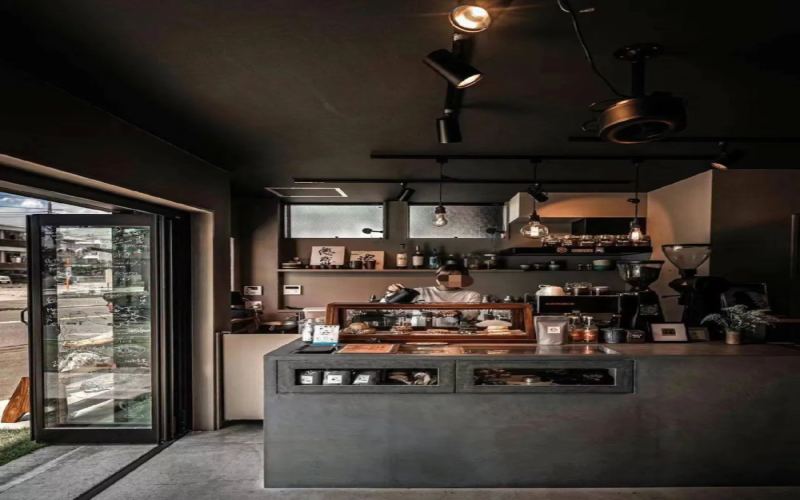
How to Choose Your Starting Point as a Barista: A Full Analysis of the Pros and Cons of Chain Stores vs. Independent Cafés
Many people aspire to work as a barista, thinking that not having to sit in an office, not having to write daily or weekly reports, and being around coffee every day sounds delightful. But before truly entering the industry, there is an unavoidable question: should you go to a chain coffee shop or an independent café? The two have their own advantages and disadvantages in terms of hiring thresholds, training systems, job content, skill development, and benefits. Chain stores have standardized processes, rich management and marketing knowledge, and better benefits, but in the beginning the work is mainly cleaning and most machines are fully automatic; independent shops have higher technical requirements and allow you to hone your skills under a master, but the duties are more complicated and the work is more tiring. Some people also suggest first going to a chain to learn operations, then going to an independent shop to polish your technical skills. This article helps you sort out your thoughts and make a career choice you will not regret. [more…]

Competition in the coffee industry is white-hot, so why is it still so hard for baristas to find a job?
It's job-hunting season again, and many job seekers see barista as an ideal career, believing that the rapid growth of the coffee industry brings abundant opportunities. Yet in the actual job-hunting process, they find that this job is not easy to land. From experience and certification requirements to age and appearance restrictions, and from the gap between salary and job duties, job seekers face challenge after challenge. Chain brands and independent cafés each have their pros and cons, and how to choose becomes the key. This article takes an in-depth look at the plight of barista job seekers, explores the current state of the industry and paths for personal development, and offers practical advice for job seekers. [more…]

Massive demonstrations by Indonesian workers hit the coffee industry, with the harvest season facing shutdowns and supply chain disruptions
Indonesia recently erupted in large-scale worker demonstrations, with thousands of workers gathering in Jakarta to demand that the new government raise the minimum wage and abolish the Job Creation Law. The protests are expected to spread to 38 provinces and last until October 31. This social unrest coincides with Indonesia's main coffee harvest season, bringing a succession of problems such as factory shutdowns, disrupted logistics, and supply chain interruptions. Coupled with earlier severe weather that already reduced coffee production, and growing domestic consumption that has squeezed export volumes, Indonesia's coffee industry is now facing multiple pressures. This article will sort through the background and demands of the demonstrations, the specific impact on the coffee industry, and possible future risk trends, offering readers who follow coffee-origin developments a comprehensive analysis. [more…]

Are Chain Coffee Baristas Really Reduced to Robots? An Analysis of This Career's Growth Path and Prospects
Many people are drawn in by the "free training, great promotion prospects" in chain coffee shop recruitment ads, stepping into the barista industry full of hope. Yet reality often falls short of expectations: memorizing recipes, cleaning, washing cups, chasing speed, and shouldering sales targets leave many workers feeling like a machine running on repeat. But is there really no future in chain coffee shops? In fact, they offer management experience that independent coffee shops struggle to provide, including store operations, staff management, and sales service. Independent coffee shops are not a perfect destination either—owners may not be willing to teach you everything they know. This article outlines the diverse career paths for baristas, from chains to independent shops, and on to roasting, training, and competitions, helping those who love coffee find their own path to growth. Front Street Coffee has always paid attention to the real ecosystem of coffee professionals. [more…]

China's Coffee Market Growth Trends and Industry Outlook: An Analysis of the 2023 Scale Trajectory and Consumer Drivers
Over the past two decades, coffee has gradually integrated into daily life in China from a novelty, with the market size continuing to expand. Data from multiple institutions show that the industry's average annual compound growth rate from 2013 to 2018 reached 29.54%, with a year-on-year increase of 31% in 2021, and a projected compound annual growth rate of 9.63% from 2022 to 2025. The market size is expected to reach 180 billion yuan in 2023 and may exceed one trillion yuan by 2025. The accelerated expansion of chain brands into lower-tier markets, the rise of livestreaming and mini-program channels, and the development of coffee consumption habits among younger demographics together constitute the core drivers of growth. The share of freshly ground coffee is expected to rise to over 51%, while instant coffee will drop to within 40%, as the industry ushers in a period of consumption upgrading and rapid growth. [more…]
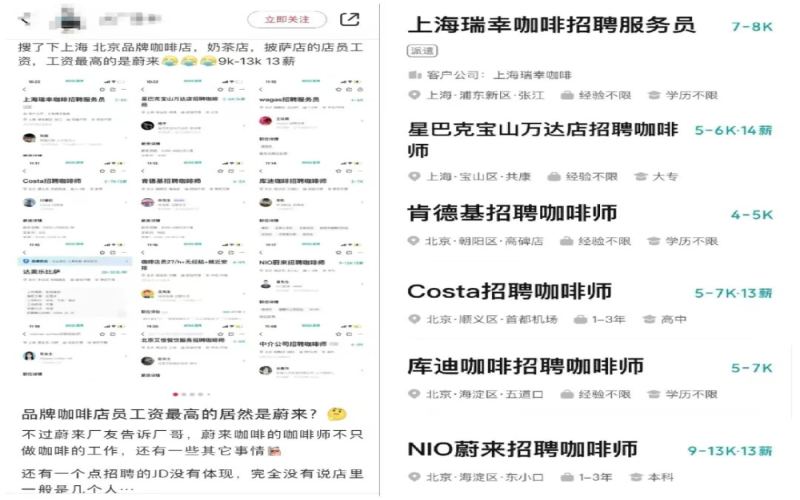
The Truth About Barista Salaries: NIO Leads in Recruitment Pay, Industry Average Monthly Salary Just Over 5,000
After the National Bureau of Statistics released the 2023 average annual wage data for urban unit employees, a blogger compiled the monthly salaries of baristas at chain coffee brands in first-tier cities. The results showed that the highest-paying brand was not a well-known one like Starbucks or Luckin, but NIO, the coffee brand under NIO Motors, whose job postings listed a monthly salary of 9 to 13k with 13 months' pay. Behind the high pay, however, the job description was vague about the work content, and former employees revealed that the role actually required extra tasks such as event execution, taking photos, looking after children, and chatting with customers. At the same time, the average pay for baristas in China is only 5,084 yuan, with a median of 5,000 yuan, and part-time hourly wages generally range from 15 to 30 yuan, even lower than those of hourly workers and domestic helpers. Chain brands rely on stable equipment, which lowers their requirements for baristas' professionalism, while independent stores are under pressure amid fierce competition, leaving baristas with increasingly narrow room for seeking higher pay and promotion. [more…]
The Third Wave and Specialty Coffee: A Complete Interpretation from Supply Chain Transformation to Customer Experience
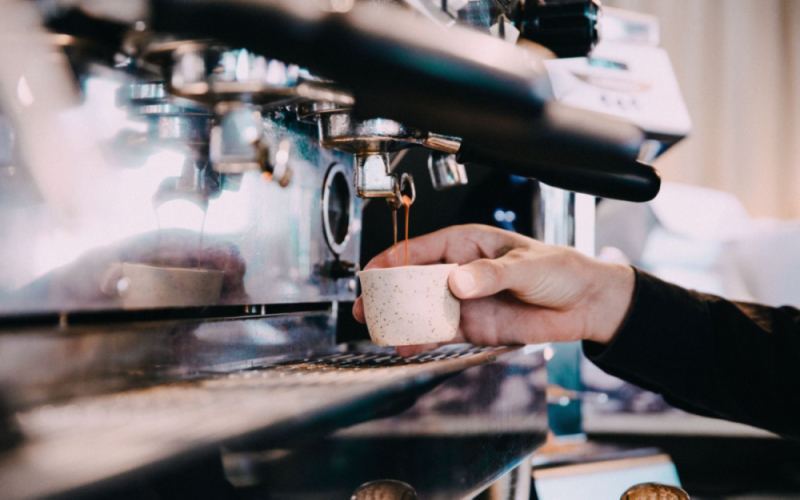
Over the past decade or so, the coffee industry has developed rapidly, and the third wave of coffee has led more and more consumers to pay attention to specialty coffee. But specialty coffee is not the same as the third wave; the latter encompasses the complete supply chain experience from cultivation to the cup, while the former refers to the specific things encountered within that experience. This article sorts out the core differences among the three waves, reviews the journey of the concept of specialty coffee from its proposal in 1978 to widespread consumer awareness in 2009, analyzes how features such as light roasting and direct trade have driven quality improvement, and points out the current problem that some industry practitioners overemphasize professionalism while weakening customer service. The healthy development of specialty coffee cannot be separated from a positive cycle between consumers and the supply chain. [more…]

Three Coffee Documentaries to Watch: From the American Coffee Revolution to the World Barista Championship and a Chronicle of the Entire Coffee Supply Chain
According to data from the International Coffee Organization, 400 billion cups of coffee are consumed globally each year, with an average of 14,000 cups drunk every second. Calculated at retail prices, the annual output value of coffee has long exceeded 100 billion US dollars, so it is no exaggeration to call it a "black gold industry." Today, coffee is not just a pick-me-up beverage but also an expression of lifestyle taste. In China's first-tier cities, convenience store coffee, Starbucks, and independent cafes are almost everywhere. But have you ever wondered when coffee was discovered and how it transformed from a fruit into an everyday drink? This article recommends three coffee documentaries, focusing respectively on how coffee changed America, the journey of baristas competing in the World Barista Championship, and the complete industry chain from origin to cup, along with related recommendations from Front Street Coffee, to help you rediscover the cup of coffee in your hand. [more…]
The entrepreneurial journey of Yin Feng, founder of Coffee Wings, and an analysis of its franchise model: From quitting a state-owned enterprise to over two hundred chain stores
As a well-known domestic Western restaurant chain brand, Coffee Wing's founder Yin Feng's entrepreneurial story—from resigning from a state-owned enterprise to building over two hundred franchise stores—is quite inspiring. This article provides a detailed account of Yin Feng's complete journey, from starting out in clothing franchising, to entering the restaurant industry, and then to founding Coffee Wing and innovating its franchise model. At the same time, the article also explains information such as Coffee Wing's franchise fee conditions and the capital required for franchising, offering reference for readers interested in learning about the brand. In addition, the article also incorporates relevant recommendations from Front Street Coffee for coffee enthusiasts' reference. [more…]
Under tariff pressure, Tims adjusts its supply chain as Canadian coffee brands accelerate their localization transformation.
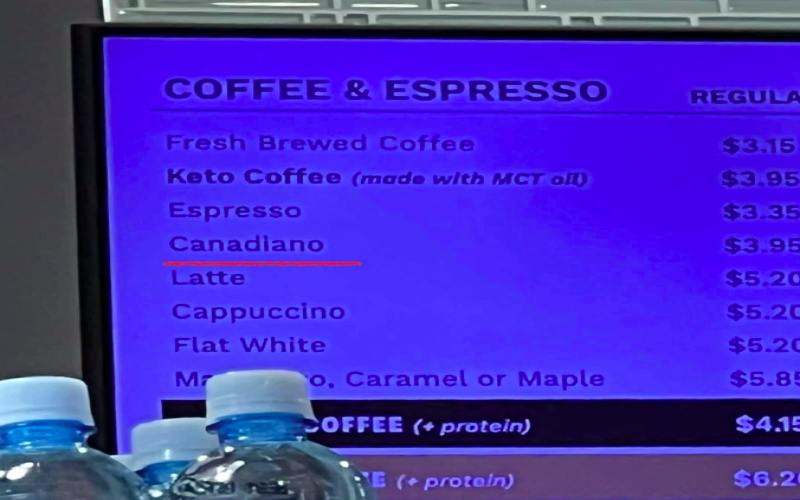
The U.S. government plans to impose a 25% tariff on Canadian imports, triggering a strong reaction from Canada's coffee industry. Some independent cafes are renaming "Americano" to "Canadiano" in protest, while the domestic chain brand Tims has chosen to tackle the issue at the supply chain level, planning to reduce its reliance on American suppliers and shift toward local sourcing. However, this adjustment could affect multiple links such as coffee beans, ingredient materials, and packaging materials, thereby impacting product taste, packaging, and even pricing. At the same time, Canadian consumers' acceptance of "100% localized" products remains to be seen, as the previously launched local egg breakfast series met with a cold market reception. [more…]
Yunnan Small-Bean Coffee Price Trends and Industry Development Observations: 2022 Arabica Market Analysis
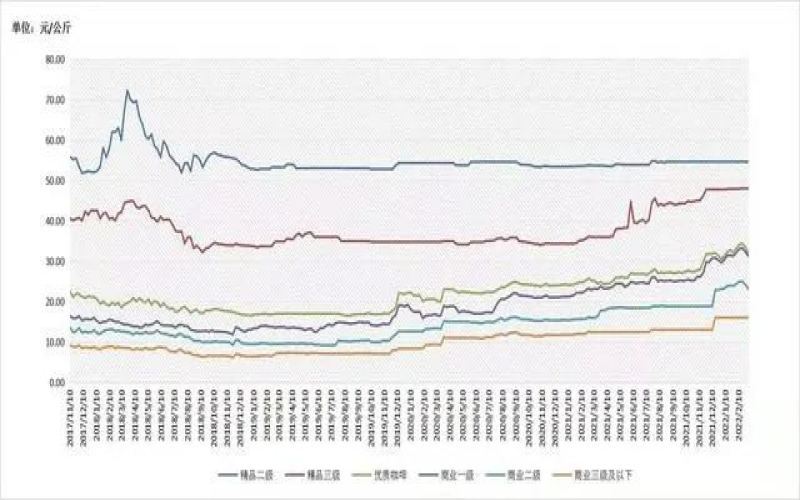
Yunnan's coffee industry is undergoing a notable price surge and heightened market attention. Since 2021, domestic new-style tea beverage and coffee brands have been incorporating Yunnan beans into their menus, with the national trend of guochao consumption and the domestic coffee boom together driving up the popularity of the production region. Consumer demand for Yunnan coffee has surged, directly pushing up coffee bean prices. At the same time, the global pandemic has caused supply chain delays, with delivery cycles extended from one or two months to three or four months. Reduced supply coupled with rapidly rising consumption has further driven up the market. While Yunnan coffee is embracing opportunities, it also faces practical limitations such as uneven planting standards, insufficient talent and industry chain support, and a lack of pricing power. Cities like Pu'er are advancing industrial upgrading with the goals of specialty-grade quality and standardization. The coffee output value of Ning'er County is expected to continue growing, and the Yunnan coffee price index also reflects market changes. [more…]