








Why Is the Coffee Industry Still Tough for Barista Job Seekers?
Barista jobs remain hard to land even as the coffee industry expands quickly. Applicants report experience or certification requirements, age limits, and even appearance standards, and pay and duties often fall short of expectations. Chain brands such as Starbucks, Luckin, and Manner offer steadier positions and often no hard experience rules, while independent cafes demand more versatility.
Reality inside the industry differs from the counter-side image of easy, respectable work with decent pay. Chain store systems are strict about counter cleanliness and customer service, and daily cup output is high, leaving little time to eat when things get busy. Barista levels and certification paths vary by employer, so job seekers should weigh stability, workload, and growth before choosing a chain or independent cafe.
It's job-hunting season again, and many job seekers see barista as an ideal career, believing that the coffee industry's rapid growth brings plenty of opportunities. Yet in the actual job search process, they find that this job is not easy to land. From experience and certification requirements to age and appearance restrictions, and from the gap between salary and job content, job seekers face challenge after challenge. Chain brands and independent cafés each have pros and cons, and how to choose becomes the key. This article takes an in-depth look at the dilemmas of barista job hunting, explores the industry's current state and individual career paths, and offers practical advice for job seekers.
▲
Click to follow | Daily specialty coffee culture magazine Coffee Workshop
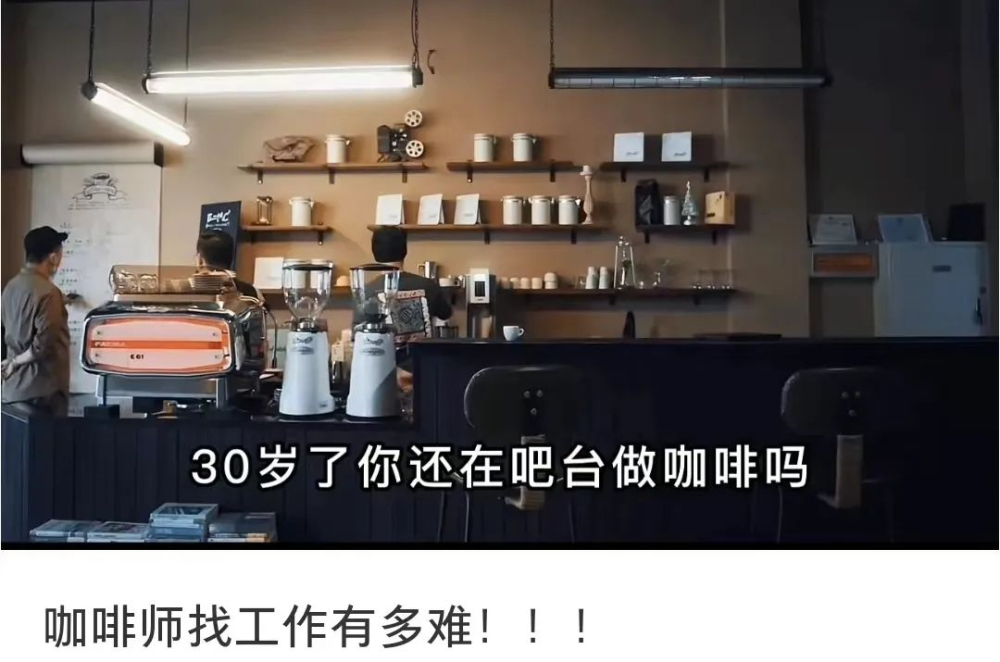
Job-hunting season has arrived once again, with people crowding every kind of recruitment platform in search of their ideal position, and the barista profession has drawn quite a bit of attention. Many people think the coffee industry is expanding at high speed, with cafés visible on every street corner, so opportunities should be plentiful. Yet only after they actually start sending out resumes do they discover that landing a barista offer is far harder than imagined.
Some job seekers have summed up the various thresholds encountered when applying to be a barista: you need a certain amount of industry experience or relevant qualifications, there are clear age limits, and there are even certain appearance requirements. Even after meeting all these conditions, once they move on to discussing pay, benefits, and job duties, they find a gap between the actual situation and their expectations.
In many people's eyes, a barista's work behind the counter is both easy and respectable, with decent pay too, but those actually inside the coffee industry admit that reality is far from this rosy.
Chain coffee brands represented by Starbucks, Luckin, and Manner offer relatively strong job stability, and pay levels generally meet job seekers' expectations; some stores even have no hard requirements for work experience or qualifications.
But chain stores usually have a strict management system, with extremely high standards for things like counter cleanliness and customer service, and daily cup output is generally large; when things get busy, you don't even have time to eat, and the work is complicated and trivial—many workers feel it's more like work on an assembly line.
For this reason, some people who hold beautiful imaginings about the barista profession prefer to look for work at independent cafés. Compared with chain stores, the working atmosphere at independent cafés is usually more relaxed, the workload is relatively lighter, and the overall pace is not too tense, which is closer to the public's image of a barista's life.
However, the revenue situation of independent cafés is often unstable and heavily influenced by external factors. This income instability also directly leads to lower wages for baristas at independent shops, and they may even face the risk of the store closing and losing their own job.

A barista who moved from a chain brand to an independent café shared that the two working environments each have their strengths and weaknesses.
Chain stores have strict rules, high work intensity, and no small amount of pressure, but they can help newcomers quickly master basic operating skills and cultivate hygiene awareness and stress tolerance. Independent cafés are relatively leisurely, with opportunities to study coffee theory and brewing techniques in greater depth, and you can enjoy the pleasure of making coffee during work breaks, but in terms of income, stability, and career prospects, they are indeed not as good as chain brands.
This barista believes that job seekers who feel lost can consider their own needs and choose the path that suits them. In addition, job hunting itself is a two-way choice, and so-called difficulty finding work cannot be blamed on only one side. In an extremely competitive coffee industry, finding your own place also requires job seekers to continuously improve their abilities in order to match with an ideal job.
Image source: Internet
Disclaimer: Some images in this article are from the Internet, and for some website content such as images, we will respect the original creator's copyright and indicate the source, but due to the large quantity, a few images and texts may not have been credited in time; please forgive us. If the original creator has any dispute, they may contact the website to handle it, and once verified we will correct it immediately. Compiled and edited by "Coffee Workshop"; please indicate the source when reposting. If there is infringement, please inform us for deletion. Thank you~!
The above content is compiled by CoffeeHunters, a coffee news website.


