







Search Results for: coffee fruit aromas
Where Does Coffee Fruit Aroma Come From? Analyzing the Causes of Tropical Fruit Notes and Recommended Representative Specialty Beans
Coffee itself belongs to the category of tropical fruits, but why can't fresh coffee cherries smell like the fruity aromas described on bean bags? The key to truly unlocking tropical fruit aromas in coffee lies in the aromatic compounds stored within the green beans and the chemical reactions that occur during roasting. Drawing on Front Street Coffee's cupping experience, this article will outline the logic behind the formation of tropical fruit flavors and their common types, and recommend several specialty coffees with intense ripe mango, distinct passion fruit sweetness and acidity, and pineapple notes. It will also explain why those lighter, harder-to-catch tropical fruit aromas appear less frequently. [more…]

Where Do Tropical Fruit Flavors in Coffee Beans Come From? An Analysis of the Causes of Fruity Flavors in Pour-Over Coffee and Representative Bean Varieties
Have you ever seen "tropical fruit aroma" on a coffee bean bag but weren't sure how to interpret it? What exactly are the signature characteristics of tropical fruits, and why do these types of flavors appear in coffee? Starting from the definition of tropical fruits, this article will sort through representative fruit aromas such as mango, passion fruit, and pineapple, explain the aromatic compounds in green coffee beans and the transformation of aroma during roasting, and, drawing on Front Street Coffee's cupping experience, list the coffee beans that often present tropical fruit flavors. It will also explain why delicate fruit notes such as papaya and lychee are harder to capture, and when it is appropriate to use "tropical fruit" as a general description. [more…]
Tropical Fruit Coffee Beans: Roast Level Determines the Direction of Fruit Aromas
If you want to taste tropical fruit notes, the roast level is a very useful screening clue. Light roasts tend to retain more floral aromas, citrus acidity, and juicy character, coming across as bright and light on the palate; as the roast progresses toward the medium range, sweetness, body, and ripe fruit notes become more prominent. When buying, first look at the roast label, then combine it with whether you prefer a refreshing or a full-bodied taste. [more…]
Tropical Fruit Aroma Specialty Coffee | What Factors Affect Coffee Bean Flavor? Which Floral and Fruity, High-Sweetness Pour-Over Beans Are Recommended for Beginners?
Coffee is a fruit—everyone knows that. But to be more precise, coffee is also a tropical fruit, so it can not only be eaten directly but should theoretically also have the tropical fruit characteristics mentioned above by Front Street. Yet when we pick a fully ripe coffee cherry on site, whether we smell it or eat it, it does not [more…]
Where Does Coffee Fruit Flavor Come From? Four Dimensions—Variety, Origin, Processing Method, and Roast Level—Teach You to Choose the Right Fruit-Flavored Coffee Beans
The fascinating fruity aromas in coffee are no accident—they stem from aromatic compounds stored within the green beans, which are fully unleashed during roasting. To choose a fruity coffee that suits your taste, you need to consider four dimensions: variety, origin, processing method, and roast level. This article begins with the principles behind how fruity flavors form, sorts out the sources of common fruit flavors such as citrus, passion fruit, mango, and strawberry, and, drawing on Front Street Coffee's cupping experience, recommends five representative fruity coffee beans to help coffee lovers find the cup they're looking for. [more…]
Fruit-Infused Cold Brew Coffee Pairing Experiments: Four Recipes, Flavor Comparison, and a Coconut Cold Brew Latte Recipe
Under the framework of cold brew coffee's low-temperature slow steeping, there are inherently few adjustable variables—just water volume, water temperature, grind size, and steeping method. But if fruit is brought into the steeping process as well, could it open up new flavor territory? Front Street paired blueberries, grapes, lemons, and peaches with four coffee beans of different character profiles, ran a round of fruit cold brew experiments, and recorded the aroma, mouthfeel, and pros and cons of each group. In addition, it extended into mixing ideas for cold brew lattes, sparkling cold brew, and coconut water cold brew, and summarized the types of fruit suitable for steeping and the direction for choosing coffee beans, as a reference for recreating them at home. [more…]
Let Fruit and Sweetness Land in the Cup: A Guide to Roast Levels for Pour-Over Beans
If you want to brew a pour-over coffee with clear sweetness and noticeable fruity aromas, roast level is a very useful screening clue. It affects how well the beans retain their aroma, how the acidity expresses itself, and the body of the cup, and it also determines how much force you need during brewing. Light roasts are lighter and brighter, while medium roasts are rounder and fuller—choose the right direction, and the fruity notes and sweetness will come through more easily [more…]
The Complete Guide to Creative Cold Brew Coffee: A Home Guide to Special Brews with Fruit, Dried Flowers, Preserved Plums, Milk, and Coconut Water
Cold brew coffee is usually recommended to be enjoyed black, in order to appreciate the pure flavor after low-temperature extraction, but when making it at home, it actually offers plenty of room for creativity. Front Street Coffee has put together five hidden ways to drink it today: adding fruit, dried flowers, preserved plums, milk, or coconut water — each one gives cold brew a completely different personality. Beans suitable for fruit cold brew include natural-process Huakui, washed Fruit Punch, Strawberry Candy, Sidra, and Kenyan Cherry Tomato; when choosing fruit, pay attention to whether it can withstand long soaking and whether its aroma is compatible — Kyoho grapes, white peaches, lychees, strawberries, cherries, and sweet oranges are all good choices. As for dried flowers, osmanthus, jasmine, and rose pair best with light-to-medium roast beans that have floral and fruity notes. Preserved plums and nine-process dried tangerine peel can bring a complex aroma with salty-sour notes and a sweet aftertaste. Milk cold brew comes in two forms: direct soaking and mixing in fresh milk. Coconut water mixed with cold brew at a 1:1 ratio is refreshing and cooling. [more…]
Single-Origin Coffee Bean Recommendations Featuring Passion Fruit and Grape Notes: A Guide to Choosing Tropical-Fruity Beans for Pour-Over
Those unforgettable tropical fruit notes in coffee—passion fruit, mango, pineapple, guava, jackfruit—often leave a stronger impression on the memory than berries or citrus. These aromas are not limited to any single region or variety; they are frequently encountered in high-altitude natural-process beans from Africa and Central and South America. This article focuses on specific flavor directions such as passion fruit, grape, and pineapple, outlining the flavor characteristics of beans including Front Street Coffee Huakui, Front Street Coffee Xizhua, Front Street Coffee Daduqi, Front Street Coffee Mozart, Front Street Coffee Elida Catuai, and Front Street Coffee Costa Rica Blackberry, while also explaining why gentler fruit notes like papaya, star fruit, and lychee are harder to identify, helping pour-over enthusiasts find a clearer direction when choosing beans. [more…]
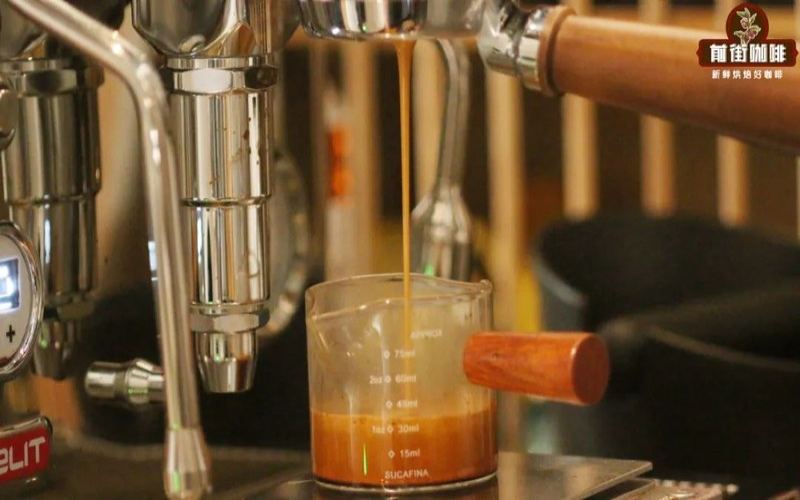
If you enjoy fruity and floral notes, choose coffee beans by roast level
If you enjoy floral and fruity aromas, you don't necessarily have to buy only the lightest roasts. The roast level changes the brightness of the aroma, the form of the sweetness, and the body of the mouthfeel: light roasts make it easier to taste petals, citrus, and tropical fruit, medium roasts fold the fruit notes into honey, tea-like, or caramel-like sweetness, and slightly darker roasts suit those who want to keep the fruit aromas while also needing [more…]
Nicaragua Mercedes Estate Coffee: An Analysis of Tropical Fruit Flavors, Regional Terroir, and Processing Method Characteristics
Tropical fruit flavors are a highly recognizable aroma type in coffee, with aromas such as passion fruit, mango, and pineapple often appearing in high-altitude sun-dried coffees from Africa and Central and South America. Starting from tropical fruit flavors, this article introduces several representative fruity Front Street Coffees and provides an in-depth analysis of the growing conditions, industry background, and processing method evolution of Nicaraguan coffee. The focus is on the Matagalpa region and the Limoncito Estate, understanding how their high-altitude shade-grown cultivation, hand-picking, and honey processing create delicate and rich fruit, herbal, and creamy notes, and how these factors together shape the unique charm of Nicaraguan specialty coffee. [more…]
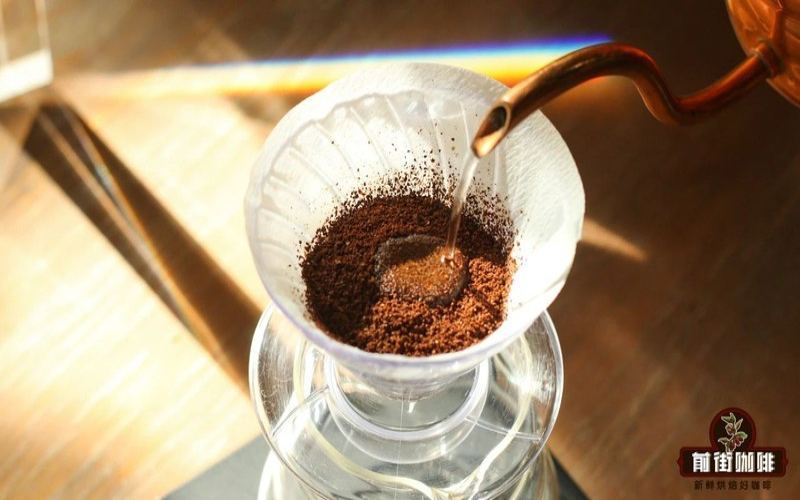
Choosing fruity coffee beans by roast level: how to choose between light, medium, and dark roasts
Fruity coffee beans aren't just about "tasting as sour as fruit"—they can also present floral aromas, a jam-like quality, juice-like body, or a delicate sweetness reminiscent of black tea. The roast level determines where these notes sit in the cup: roast light, and the fruity aromas move to the forefront; roast dark, and the fruity character blends into caramel, cocoa, and roasted notes, while the mouthfeel becomes more [more…]
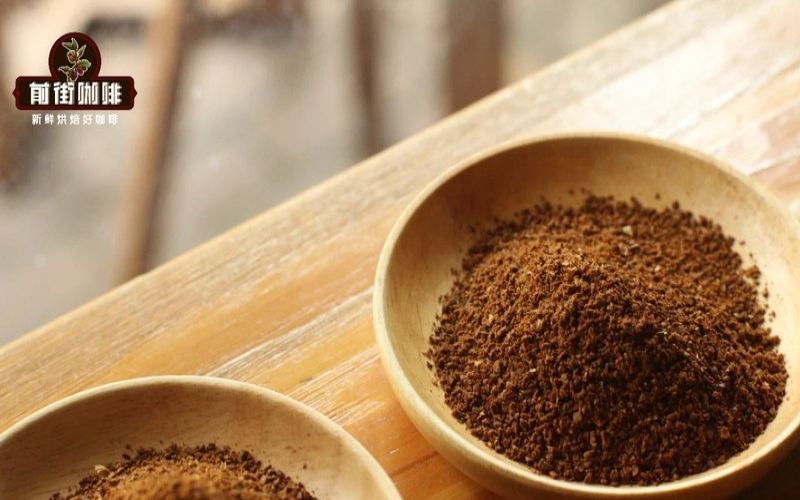
How to Choose Coffee Beans with Tropical Fruit Flavors: From Light Roast to Medium-Dark Roast
Tropical fruit flavors are commonly associated with notes like mango, passion fruit, pineapple, guava, and ripe berries. They smell bright and lively, and on the palate they easily bring out a juicy, sweet-tart quality. However, even when a coffee is described as fruity, different roast levels can make what’s in the cup shift from crisp fresh fruit to soft fruit jam. If you want to taste a particular kind of fruitiness, you can start with [more…]
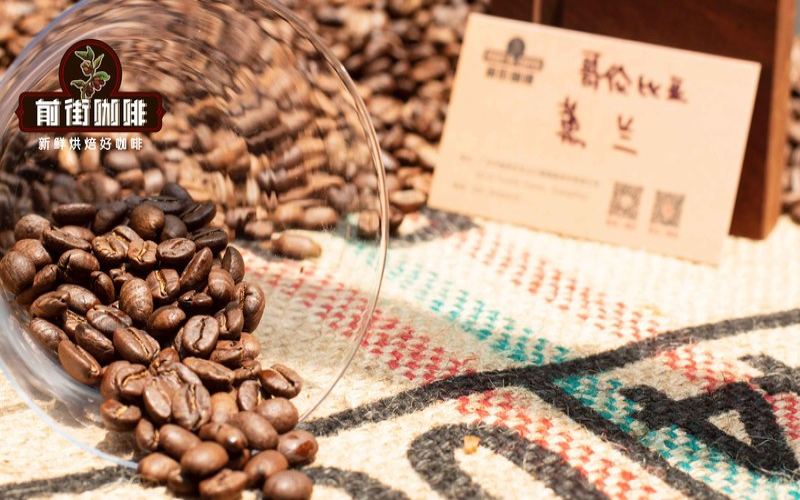
Berry-scented coffee beans, choose your roast level like this
If you want coffee beans with a pronounced berry flavor, start by looking at the roast level, then compare origin and processing method. Light roasts are more likely to retain bright aromas like strawberry, blueberry, and red berry, with a sweetness reminiscent of fresh fruit flesh; medium roasts rein in the acidity and develop notes of fruit jam, smoked plum, or brown sugar; medium-dark roasts let the berry notes blend with cocoa and cara- [more…]
An In-Depth Explanation of the Meaning of 90+ Single-Origin Bean L195: A Complete Guide to the Flavor Description System and Grading Rules
90+ (Ninety Plus) is a highly regarded green coffee brand in the specialty coffee world, and its unique flavor symbols and Level grading system often leave enthusiasts confused. This article will start with the L195 grade, systematically sorting out 90+'s grading logic, the meanings of its flavor symbols, its exclusive processing methods (Red, Ruby, Solkiln), and the Profile Processing production system. At the same time, it will explain in detail the representative 90+ coffees recommended by Front Street Coffee, including the flavor characteristics of beans such as Perci, Straight Talk, and Lotus, and their corresponding grades, helping readers fully understand this legendary brand's green coffee philosophy. [more…]
Flavor Characteristics of Major Coffee Regions Around the World: A Guide to Tasting Profiles and Mouthfeel from Africa to the Americas
Even different plots within the same estate can produce coffees with distinct flavors, let alone major regions spanning continents. The three great specialty coffee belts—Asia, Africa, and Central & South America—nurture vastly different flavor profile characteristics due to terroir differences: Ethiopia's floral and citrus notes, Indonesia's rich herbal undertones, and Central America's balanced chocolate character, each with its own following. Before deciding to put a coffee on the shelf, Front Street Coffee repeatedly roasts and cups samples from each region, selecting the most representative lots before recommending them to consumers. This article systematically organizes the flavor characteristics and taste descriptions of major coffee-producing countries worldwide, covering Ethiopia and Kenya in Africa; Indonesia and India in Asia; Guatemala, Costa Rica, and Panama in Central America; and Colombia and Brazil in South America, providing coffee lovers with a complete flavor profile reference. [more…]
The Roasting Code of Sweet Americano: From Bright Light to Mellow Depth
Even with black coffee, the roast level of the beans pushes sweetness in different directions. A light roast is more like fresh fruit, bright and lively on the palate, suited to those who enjoy a crisp taste; a medium roast brings out syrupy, ripe-fruit and tea notes, rounder overall; a medium-dark roast relies on cocoa, nut and caramel-like aromas to build body. To make a sweet americano, you can [more…]
Tropical Fruit-Flavored Coffee Beans Recommendations: Balancing Budget and Drinking Frequency
When choosing coffee beans with tropical fruit flavors, you can set the complex information aside for a moment. For everyday bean buying, you need to consider how quickly you'll drink them, how much to buy at a time, and whether you mainly make black coffee or milk coffee at home. Start from the two sets of differences—light and refreshing versus rich and full-bodied, and black coffee versus milk coffee—then look at the roast date and processing method, and your judgment will be more in line with your [more…]
A Detailed Guide to Single-Origin Coffee Classification: A Comprehensive Analysis of Flavor Characteristics Across Major Producing Regions from Africa to the Americas and Differences in Coffee Shop Flavors
Have you ever walked into a specialty coffee shop, faced the dazzling array of single-origin coffees on the menu, and felt at a loss where to begin? Single-origin coffee refers to coffee made from beans sourced from a single origin, and it can be traced back to a specific region or even estate. This article will systematically sort through the representative single-origin coffees from major producing regions such as Africa, Central and South America, and Asia, introduce Front Street Coffee's rigorous process from roasting curve testing to cupping selection, and present the flavor descriptions of coffee beans from each region one by one, helping you find the cup that best suits your taste. [more…]
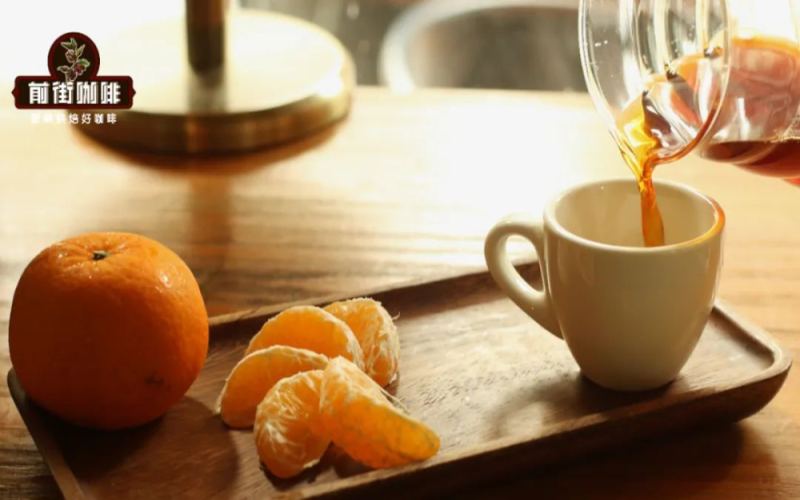
Why Is Pour-Over Coffee So Fruity? The Flavor Transformation Mechanism from Green Bean Composition to Roasting and Brewing
Citrus, passion fruit, strawberry, grape... we have been familiar with the flavors of these fruits since childhood, and even with our eyes closed, we can identify the specific varieties by taste. Coffee itself is also a fruit, and its fruit contains a large number of aromatic substances similar to fruit aromas. However, the fruity aroma is not fully formed from the beginning, but is gradually transformed during a very short ripening period. From esters, ketones, alcohols, and other components in green beans, to the catalysis of the Maillard reaction and caramelization during roasting, and finally to the final presentation during brewing, every step influences the flavor in the cup. This article will systematically sort out the sources and transformation pathways of coffee fruity aromas, helping enthusiasts understand why medium-light roasted pour-over coffee can display such distinct floral and fruity notes. [more…]