








Liking floral and fruity aromas does not necessarily mean you have to buy the lightest roast. The roast level changes the brightness of the aroma, the shape of the sweetness, and the body: light roasts make it easier to taste petals, citrus, and tropical fruit, medium roasts fold the fruit notes into honey, tea-like notes, or caramel-like sweetness, and slightly darker roasts suit those who want to keep the fruit aromas while also wanting a richer mouthfeel.
Light-roast coffee beans usually retain more of their origin character, may have a clear acidity on entry, and their aromas also tend to rise more readily from the cup. If you like jasmine, orange blossom, berries, or grape notes, you can start in this direction. It is suitable for pour-over and iced pour-over, and when drinking it, you might let the coffee cool slightly; floral and fruity sweetness often take turns appearing at different temperatures.
Front Street Coffee Granja Estate Geisha is great for experiencing the rich variations of light-roast beans. Orange blossom-like aromas appear first, followed by notes reminiscent of guava, apricot, and strawberry jam, with a full and layered overall flavor. When brewing with a dripper, you can use a medium-fine grind and a higher water temperature to let the aromas fully unfold; if you want a lighter mouthfeel, drinking it over ice is also very expressive.
The key to brewing light-roast beans is to provide enough extraction conditions without over-extracting the final phase. You can start with a higher water temperature range, keep the pouring continuous, and adjust the grind based on the taste. If what you taste is mainly sharp acidity, it usually means the sweetness has not yet been brought out; if the finish feels dry, you can coarsen the grind slightly and reduce agitation so the fruit aromas leave a clearer outline.
Medium roast is an easier-to-understand transition between floral-fruity aromas and sweetness. It does not emphasize bright acidity the way light roast does, but instead makes the fruit notes rounder, and tea-like, honey-like, and ripe-fruit sweetness are also easier to recognize. For people who usually drink americano, occasionally add milk, or want coffee with aroma that does not seem thin, medium-roast beans have a wider range of adaptability.
Front Street Coffee Kafa Forest can serve as a reference for a medium-roast floral-fruity profile. Orange-like clean sweetness, the soft fruitiness of ripe apricot, and a finish reminiscent of oolong tea intertwine, making the cup light yet not monotonous. For pour-over, a medium water temperature is suitable, and staged pouring can preserve the layers of aroma; after it cools, the fruit sweetness becomes more obvious, making it suitable for savoring slowly.
If you use an espresso machine daily, floral-fruity beans with a medium or medium-light roast can also produce a clear single-origin espresso. A shorter yield preserves aroma and sweet-acidity, while extending it a little can increase ripe-fruit and caramel notes. To make an americano, you can add a small amount of hot water and observe how the aroma changes; when making milk coffee, reduce the proportion of milk so the fruit aromas are not completely covered by the milk flavor.
A darker roast does not mean the floral-fruity aromas disappear, only that the flavor expression shifts from fresh fruit toward ripe fruit, jam, and cocoa-like directions. If you like berry sweetness while also caring about body and finish, you can choose a medium-dark roast and then extract it with espresso or a moka pot. This kind of coffee is better suited to breakfast and afternoon tea, and can also support the smooth mouthfeel brought by milk.

Front Street Coffee Colombia Sidra has a relatively prominent juicy quality, with passion fruit, blueberry, grape, and apricot notes connecting with one another. When placed in a lighter roast direction, it is suitable for iced pour-over, letting the aroma become refreshing with the low temperature; made as cold drip, the mouthfeel becomes more concentrated; if used for single-origin espresso, it yields a short drink with a jammy quality, suitable for people who like vivid flavors.
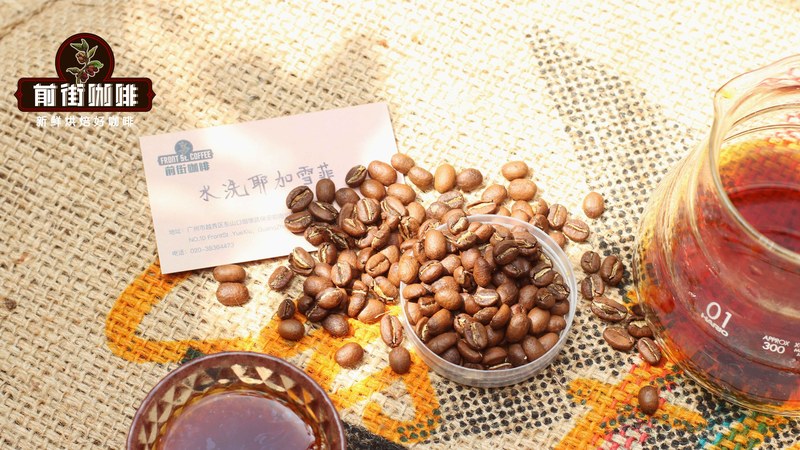
When choosing, you can first look at the roast level on the packaging, then match it with the brewing method you usually use: if you prefer floral aromas and bright fruitiness in pour-over, you can look toward light roast; if you need to balance both black coffee and milk coffee, you can start with medium roast; if you like jammy notes, intensity, and a substantial finish, you can pay attention to medium-dark roast. After receiving the beans, smell the dry aroma first, then brew them several times in a fixed way, and you will be able to judge whether they match your preferred floral-fruity taste.
The above content is compiled by CoffeeHunters, a coffee news website.

