








How Do Growing Conditions for Coffee Shape Nicaraguan Flavor?
Nicaraguan coffee from the Matagalpa region and estates such as El Limoncillo shows tropical fruit notes like passion fruit, mango, and pineapple. Those flavors come from high-altitude shade-grown cultivation, manual picking of ripe cherries, and honey processing, which together build the delicate fruit, herbal, and creamy character associated with Nicaraguan specialty coffee.
The Nicaragua coffee profile leans toward layered fruit rather than heavy roast notes. Tropical fruit aromas appear often in high-altitude sun-dried beans from Africa and Central and South America, and they are easy to identify in the cup. When a specific fruit cannot be named, tasters use a broad tropical fruit descriptor instead.
Tropical fruit flavors are a highly recognizable aroma type in coffee, with notes of passion fruit, mango, and pineapple often appearing in high-altitude sun-dried coffees from Africa and Central and South America. This article starts with tropical fruit flavors, introduces several representative fruity Front Street Coffee selections, and delves into the growing conditions, industry background, and processing method evolution of Nicaraguan coffee. The focus is on the Matagalpa region and El Limoncillo estate, exploring how their high-altitude shade-grown cultivation, manual picking, and honey processing shape delicate and rich fruit, herbal, and creamy notes, and how these factors together create the unique charm of Nicaraguan specialty coffee.

In coffee tasting, when tropical fruit notes are mentioned, passion fruit, mango, pineapple, guava, and jackfruit are often the first aromas that come to mind. These fruits have highly distinctive aromas; once tasted, they tend to leave a lasting impression in memory, so when they appear in coffee, they are relatively easy to identify and capture.
Such flavors are not limited to a particular region or coffee variety. Many high-altitude sun-dried beans from Africa and Central and South America frequently display this complex fruity aroma profile.
If you prefer intense berry notes and the sweet aroma of ripe mango, you might choose Front Street Sun-Dried Huakui Coffee. This bean uses a high-altitude selected grade, with a medium-light roast, and shows impressive floral and fruity notes.
To experience a refreshing sweet-and-sour taste like passion fruit and grape juice, you can try Front Street Xizhua Coffee and Front Street Daduqi Coffee.
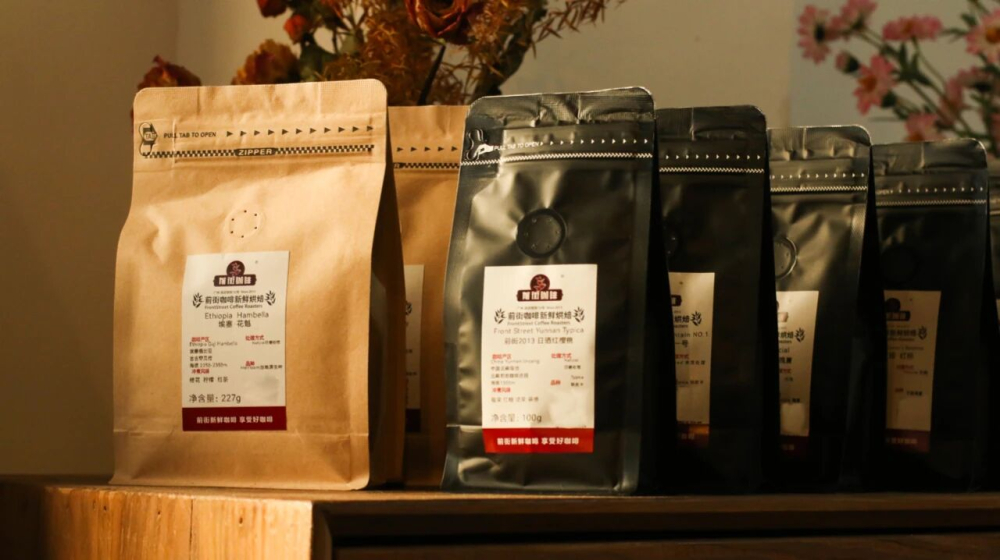
For those who love the unique fruity aroma of pineapple or fenghuang pear, Front Street Mozart is recommended—it lets you feel both the fragrance of flowers and the sweetness of raisins.
By contrast, although fruits such as papaya, star fruit, and lychee also have refreshing and unique aromas, their overall style is lighter and more elegant. When they are mixed with roasted flavors such as chocolate, caramel, and nuts, they are less easy to detect and identify, so they appear relatively less often.
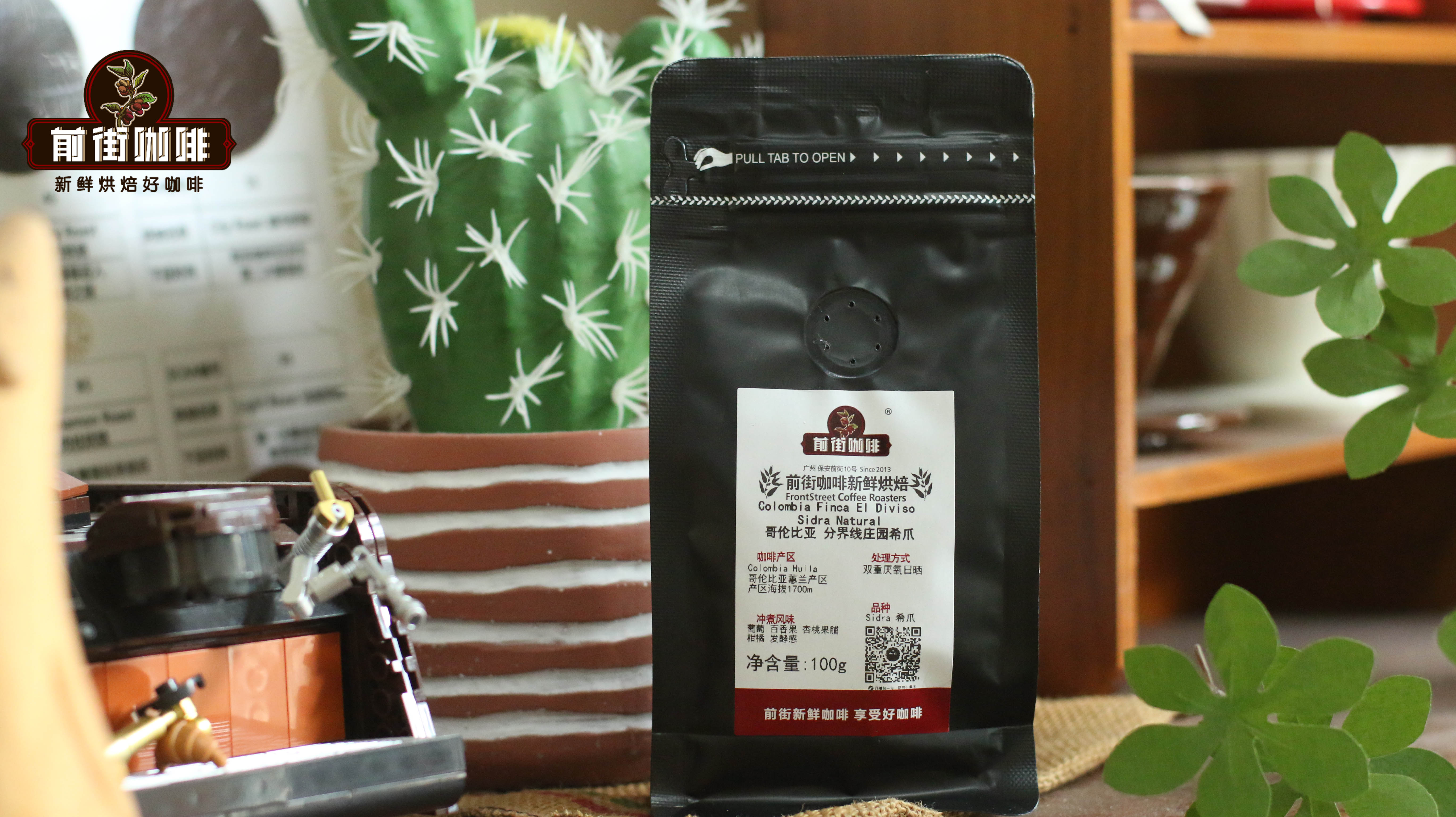
If we do indeed sense a warm tropical fruit base note in coffee but cannot pinpoint exactly which fruit it is, we use a broad category name to describe it generally. Front Street Huakui 8.0, Front Street Elida Catuai, and Front Street Costa Rica Blackberry have such characteristics.
A suitable climate provides superior growing conditions for coffee cultivation, while mineral-rich volcanic ash soil gives coffee trees abundant nutrients. Most high-quality Nicaraguan coffee is grown in the northern and central highlands of the country, among which coffee produced in the Matagalpa region is most highly praised by coffee lovers worldwide and has gradually gained attention in the specialty coffee world. Abundant rainfall, appropriate temperatures, relatively high altitude, and fertile soil—these unique ecological conditions together form the foundation of high-quality Nicaraguan coffee.
Nicaragua is an economically underdeveloped agricultural country and one of the poorest countries in Central America, with persistently high unemployment and widespread poverty. Coffee is Nicaragua's pillar industry, producing nearly a hundred thousand tons of coffee beans each year. Due to a weak economic foundation, the coffee industry remains relatively backward, and most coffee farmers live in poverty.
Although Nicaragua is one of the larger countries in Central America by land area, it is not a major producer in the coffee world. Compared with neighboring Costa Rica, it is inferior in both output and reputation. However, high-quality Nicaraguan coffee ranks among the best coffee beans in the world and enjoys a fine reputation.
Traditional Nicaraguan coffee farmers were mostly accustomed to using the washed processing method for subsequent processing of coffee cherries to ensure more stable and cleaner green bean flavors. It was not until around 2009 that farmers' traditional views began to change, and they started trying natural sun-drying and honey processing methods more often.
The Matagalpa region mentioned earlier is the region that produces Nicaragua's highest-quality coffee. Here there is a heavyweight coffee estate worth introducing—El Limoncillo. The estate is located in the highlands of Matagalpa at an altitude of 950 to 1,300 meters, and the coffee trees are mostly shaded by towering coniferous forests. This allows the coffee trees to receive sunlight while avoiding sunburn damage to the plants.
To ensure coffee quality, picking is done manually, with fully ripe cherries picked one by one, usually requiring three rounds of picking to complete. Although manual picking has high labor costs and low efficiency, it protects the plants to the greatest extent, preventing the trees from being damaged during picking, while the ripe cherries can also have better sweetness. The producers' efforts were not in vain: coffee from El Limoncillo estate won second place in the 2008 Nicaragua Cup of Excellence COE national competition. This bean has a beautiful appearance, and after washed processing its flavor is delicate and rich, with aromas of fruit, herbs, and cream. From then on it became famous overnight and gained more attention.
El Limoncillo estate also processes coffee with honey processing. After the coffee cherries are picked, the coffee with the outer skin removed is placed on African raised beds to dry. Compared with the traditional method of placing coffee directly on the ground to dry, using African raised beds to dry coffee can greatly reduce contamination during drying, avoid producing more off-flavors, and ultimately improve coffee quality. After honey processing, the coffee beans have more alluring tropical fruit flavors.
The above content is compiled by CoffeeHunters, a coffee news website.


