







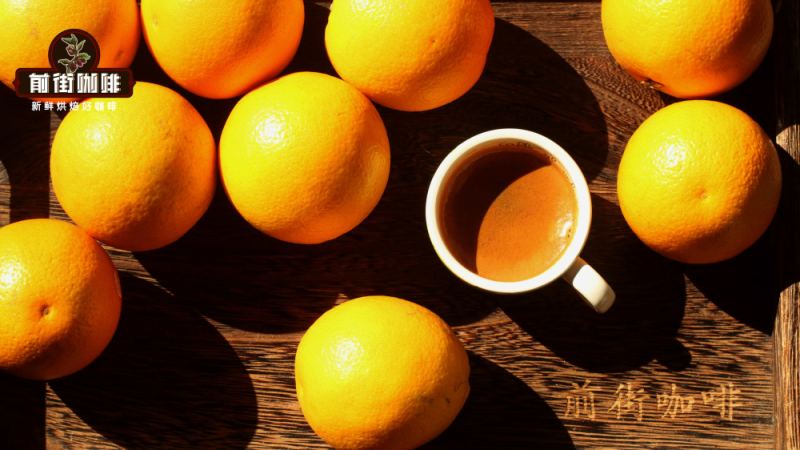
Coffee is a fruit, as everyone knows, but to be more precise, coffee is also a tropical fruit, so not only can it be eaten directly, but in theory it should also possess the tropical fruit characteristics mentioned above by Front Street Coffee. But when we pick a fully ripe coffee cherry on the spot, whether we smell it or eat it, it cannot provide the aromatic scent described on the bean bag. Why is that?
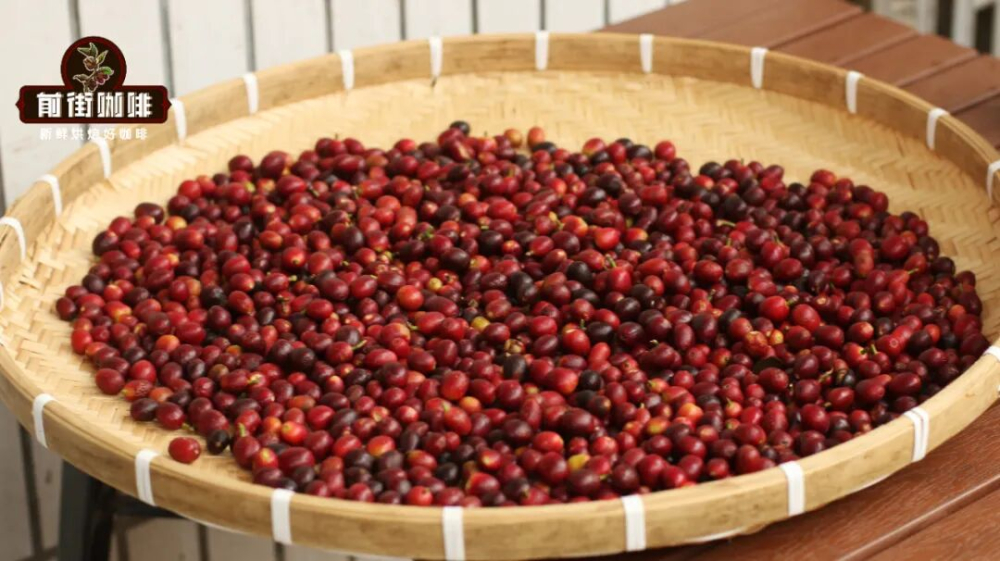
In fact, regardless of the coffee variety, the ripe fruit mostly has thin skin and little flesh. Clever humans discovered that rather than eating it directly, it is better to obtain the seeds inside, as this provides higher usable value.
The reason coffee smells (and tastes) like "fruit" ultimately comes down to the many aromatic substances it contains that resemble fruit aromas, mostly esters, ketones, and alcohols. For example, fatty acids, terpenoids, and amino acids are all sources of fruity aroma components, and they are stored in green beans in a stable form.

What truly brings out the fruity aroma of coffee is the roasting stage. As the green beans are heated, the Maillard reaction and caramelization reaction continuously occur, generating various volatile aromatic substances internally. When certain compounds reach a certain concentration, they present a rich fruity aroma to people—sometimes passionate, sometimes warm, sometimes vibrant, sometimes sweet—thereby evoking the impression of tropical fruits in our memory.
Tropical fruit, as the name suggests, refers to fruit varieties that mainly grow in tropical regions, generally produced between the Tropic of Cancer and the Tropic of Capricorn. For example, Yunnan, Hainan, and Guangdong in China are representative provinces rich in tropical fruits. These places have high temperatures and humidity year-round, with less distinct boundaries between the four seasons, and abundant sunshine throughout the year, enabling fruits grown there to emit unique aromas.
As a Cantonese native, Front Street Coffee often encounters tropical fruits such as mango, pineapple, jackfruit, lychee, coconut, passion fruit, banana, star fruit, papaya, guava... If you examine their characteristics closely, you will find that when these fruits ripen, they often carry a passionate, unique aroma. Besides their vibrant appearance, some display an alluring sweetness like honey, some are juicy when bitten, and some have a rich fruity fragrance. Just smelling them starts the brain producing dopamine.

Recommended specialty coffees with tropical fruit aromas
Based on Front Street Coffee's cupping experience, the tropical fruits most commonly appearing individually in coffee flavors are passion fruit, mango, pineapple, guava, jackfruit, etc., because their aromas are quite representative, leaving a deep impression on anyone who has tasted them, and they are easier to catch once they appear in coffee.
The flavors of these fruits are not limited to specific production regions or varieties. Many high-altitude sun-dried coffees from Africa and Central and South America will from time to time emit such complex fruity aroma characteristics.
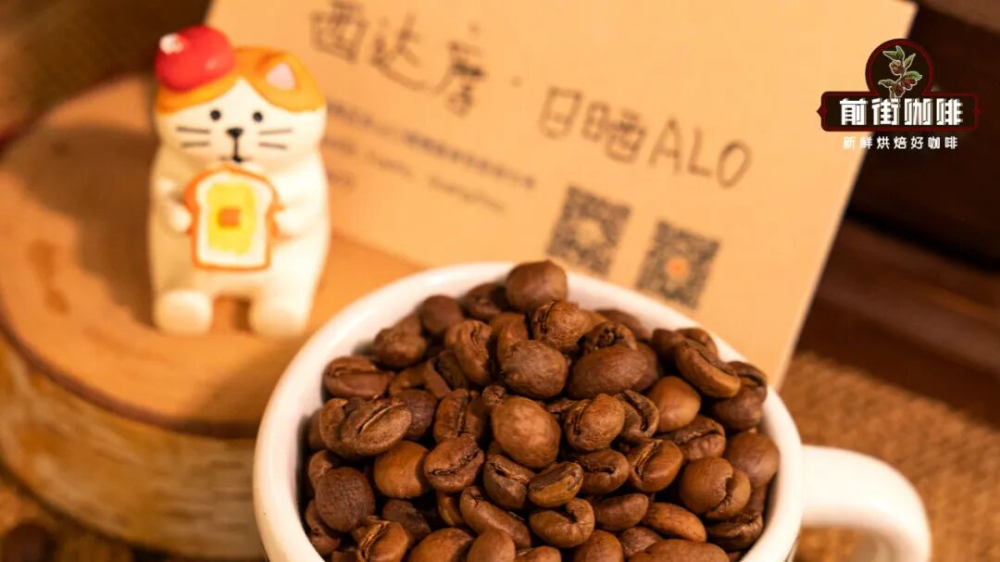
1. Intense ripe mango aroma:Front Street Coffee Sun-Dried Alo, Front Street Coffee Huakui

2. Clear passion fruit sweet-and-sour flavor:Front Street Coffee Sidra, Front Street Coffee Big Belly Button
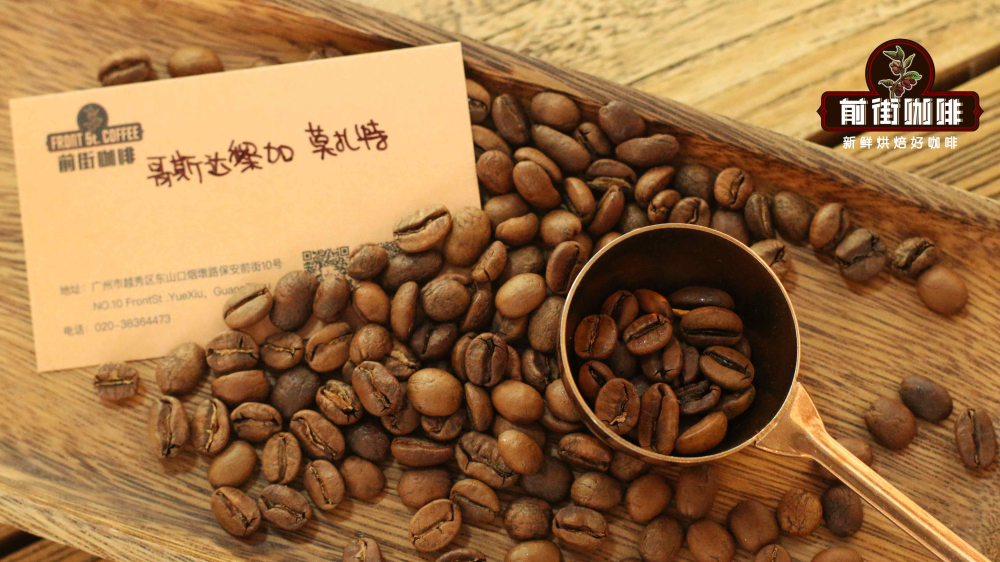
3. Pineapple aroma:Front Street Coffee Strawberry Candy, Front Street Coffee Mozart
In comparison, although fruits like papaya, star fruit, and lychee also have refreshing and unique fragrances, their overall style tends toward lightness and elegance. When mixed among roasted flavors such as chocolate, caramel, and nuts, they are not so easily detected and judged, so their frequency of appearance is relatively lower.
And if we indeed perceive a warm tropical fruit tonality in coffee but cannot pinpoint exactly which category it is, we will use a broad category name to describe them vaguely, just likeFront Street Coffee Huakui 8.0, Front Street Coffee Elida Catuai, Front Street Coffee Costa Rica Blackberrywhich possess such characteristics.
The above content is compiled by CoffeeHunters, a coffee news website.

