







Search Results for: mango
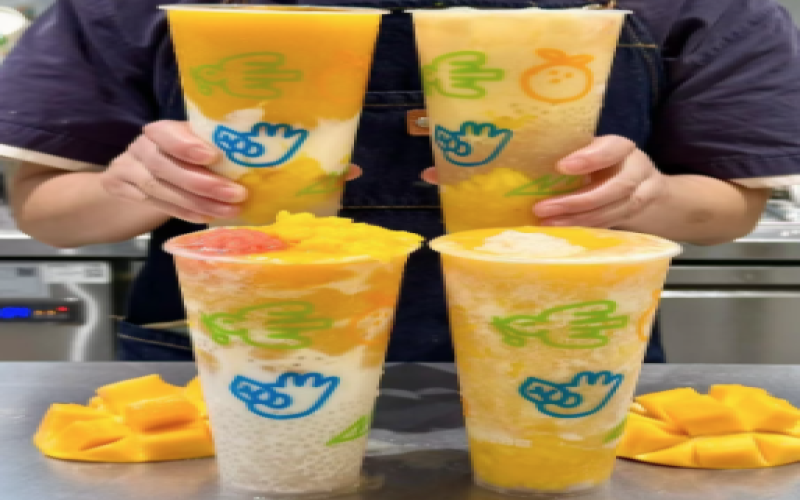
Seven-Point-Sweet Mango Pomelo Sago Specialty Store Debuts in Shanghai: Can Three Items Alone Continue the Hit-Making Legend?
Mango Pomelo Sago evolved from a Cantonese sweet soup into a cup drink, and with this single item, 7FenTian opened more than 1,500 stores nationwide. On September 30, the brand launched its first Mango Pomelo Sago specialty store in Longemont, Changning, Shanghai, selling only three products priced at 15-20 yuan. In the first week after opening, sales exceeded 10,000 cups and daily revenue surpassed 25,000 yuan. The store features a minimalist wood-toned style and emphasizes fresh handcrafting. However, consumer reviews were mixed: some praised it as the best Mango Pomelo Sago, while others criticized it for too much sago, a strong jam flavor, and insufficient complexity. Whether the specialty store model can sustain the hit product's vitality is worth watching. [more…]
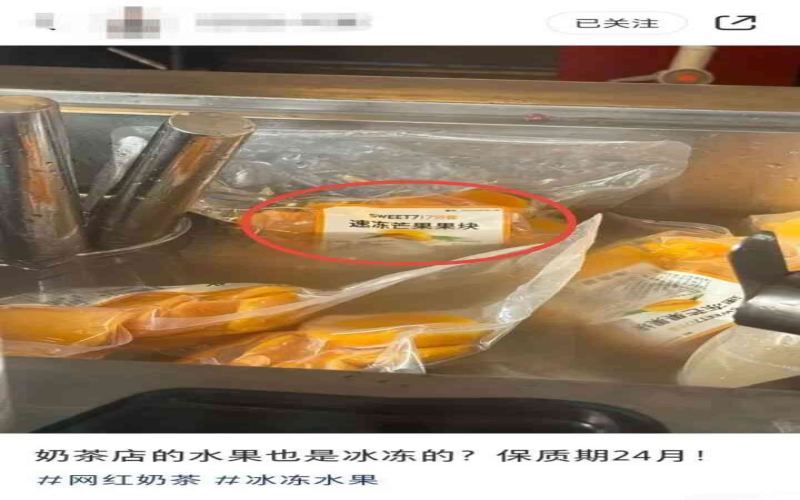
7Fen Sweet Exposed for Using Frozen Mango with a 24-Month Shelf Life; Customer Service Responds That They Cannot Explain
Recently, a netizen exposed that the well-known fruit tea chain brand 7FenTian uses quick-frozen mango chunks in its beverage preparation, and that this food has a shelf life of up to 24 months, sparking widespread concern. The brand is known for its signature product Yangzhi Ganlu, and both its ordering mini-program and offline stores advertise the use of fresh mangoes and freshly cut soft and glutinous mangoes, but the expose revealed that the stores actually use quick-frozen fruit chunks. 7FenTian customer service confirmed that the quick-frozen mango chunks are uniformly ordered and delivered by the company, and the shelf life is indeed 24 months, but regarding why quick-frozen fruit chunks are still used when fresh mangoes are available, customer service said it could not explain. At present, the expose post has been deleted, and the brand has not yet made a public response regarding issues such as the proportion of quick-frozen mango use and the failure to clearly inform consumers of the type of ingredients. As coffee enthusiasts, understanding the true situation of beverage ingredients is equally important. Front Street Coffee continues to follow industry developments and brings you objective reporting. [more…]
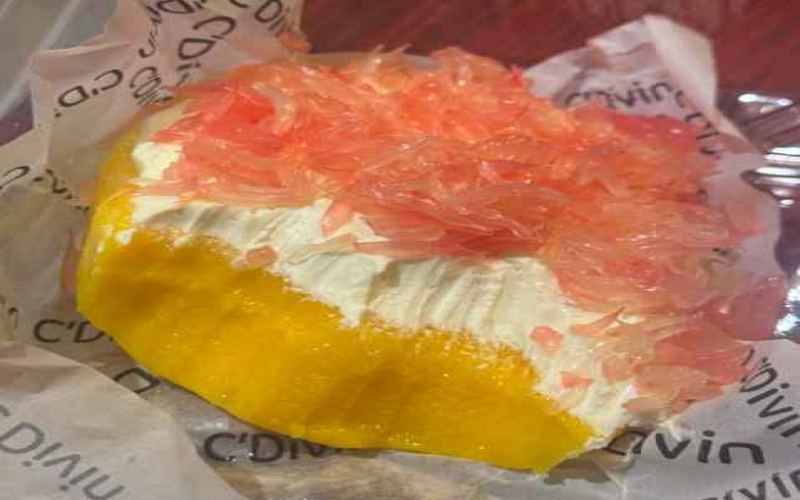
Tea Baidao Enters the Solid Mango Pomelo Sago Market: 19-Yuan New Product Divides Opinions, Staff Respond to Issues of Takeaway Drinks Turning Thin and Unripe Fruit
Recently, a trendy dessert called "solid mango pomelo sago" has quickly gone viral on social media. Its form falls somewhere between a drink and a traditional dessert, prompting many netizens to share photos of it. The chain tea brand ChaPanda seized the opportunity to launch its own version, officially priced at 19 yuan, and after discounts it can cost as little as a single-digit price, which many consumers consider quite cost-effective. However, after the new product hit the market, reviews were polarized: some praised it for its generous ingredients and sweet-and-sour taste resembling a dessert, while others complained that the actual product differed noticeably from the promotional images, jokingly calling it "fruit topping porridge" or "mango pomelo sago-flavored sugar water." In response to the feedback, ChaPanda staff explained that bumpiness during delivery caused the yogurt and coconut milk to mix and thin the texture, while some stores' mangoes were not fully ripe due to issues with the ingredient batch and insufficient ripening time. [more…]
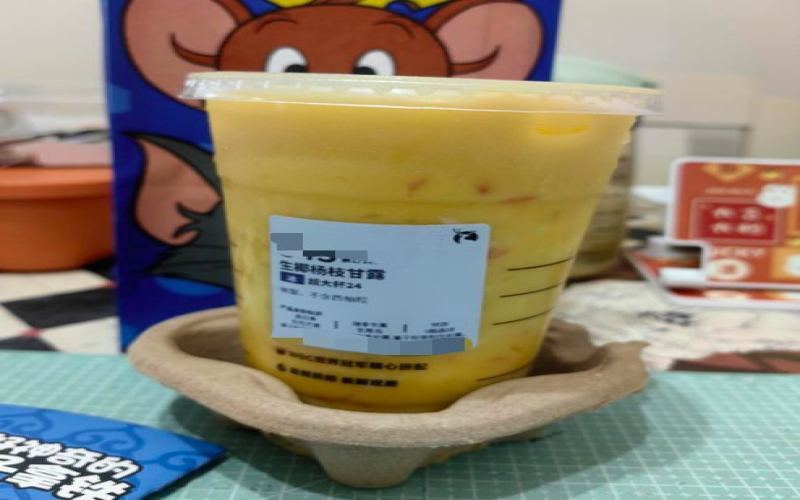
The production process for Luckin's Raw Coconut Mango Pomelo Sago is so complicated that staff keep complaining and look forward to it being discontinued soon.
Entering October, Luckin's pace of launching new products has noticeably accelerated, rolling out multiple new items in succession within two weeks. Among them, the upgraded and returning "Coconut Mango Pomelo Sago" quickly won over consumers and became the top repeat-purchase choice for many. However, making this drink at the store level has employees crying foul—numerous ingredients, lengthy steps, difficult cleanup, and even causing drain clogs. From the meltdown during order surges to the unclogging after closing, staff have taken to social media to call out: when will this "enemy of employees" finally be discontinued? [more…]
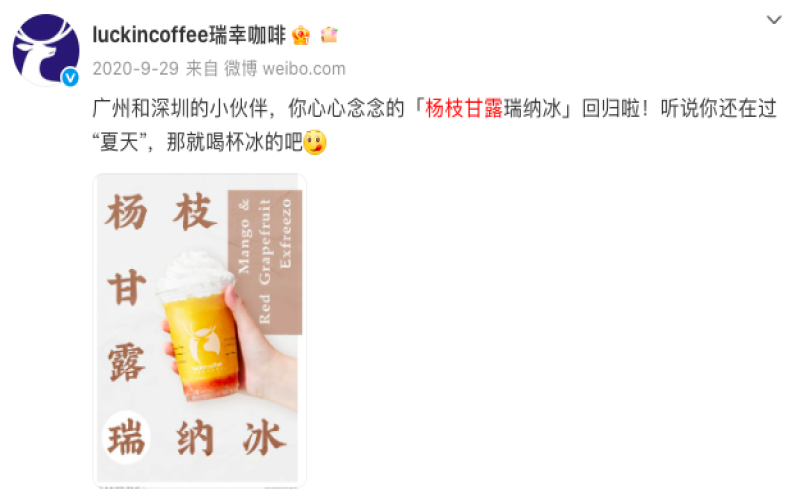
Luckin's Raw Coconut Mango Pomelo Sago is about to return, and its twelve-step recipe along with the fridge storage challenge have sparked heated discussion among staff.
Luckin Coffee, the chain coffee brand, is expected to relaunch its "Coconut Mango Pomelo Sago" at the end of September, a drink returning after a three-year absence that has many longtime customers full of anticipation. Yet after the new recipe was revealed, it triggered a collective outpouring of complaints from employees—as many as 12 preparation steps and 6 new ingredients have made already cramped store refrigerators even more overwhelmed. Some joked that "the recipe is longer than life itself," while others quipped that "the time it takes to make one cup is enough to make two or three Coconut Lattes." Is the return of Mango Pomelo Sago a matter of nostalgia fulfilled or an operational challenge? Around topics such as recipe complexity, ingredient storage, and brand positioning, a lively debate about the boundary between coffee and tea drinks is unfolding. [more…]
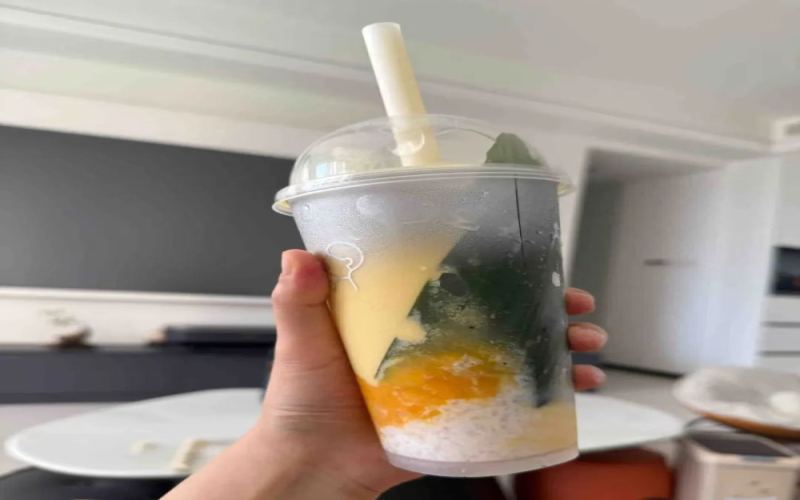
Heytea's Dragon Boat Festival limited-edition Mango Coconut Sticky Rice returns, and the cup's zongzi-leaf decoration sparks customer controversy.
During the Dragon Boat Festival, Heytea once again launched its festival-limited drink Mango Coconut Sticky Rice, a creative beverage inspired by zongzi. Since its debut in 2021, it has become a "white moonlight" that many consumers look forward to returning every Dragon Boat Festival, thanks to its combination of mango coconut milk slush, mango chunks, and freshly made sticky rice. However, a piece of zongzi leaf used as a decoration in the cup sparked dissatisfaction among some customers—some found it took up space and got in the way of stirring and sipping the toppings, while others worried that the leaf might not be cleaned thoroughly enough and posed a hygiene risk. Heytea staff responded that the zongzi leaves go through selection, washing, and disinfection processes, and that the decoration is meant to add to the festive atmosphere. As to whether this leaf is superfluous, customers and staff each have their own views. [more…]

Shanghai Consumer Council Once Again Calls Out Trendy Tea Drinks: Mango Yogurt Smoothie Ingredients of More Yogurt Under Scrutiny
Following the case of Shuyi Burning Grass Jelly, the Shanghai Consumer Council on March 13 once again turned its attention to the internet-famous tea beverage brand More Yogurt, focusing on the ingredient composition of its "Mango Yogurt Smoothie." Testing by the Consumer Council found that the drink contained only a small amount of yogurt yet had unusually high fat content, and despite being labeled as having no added sugar, sucrose and maltose were still detected. The Consumer Council questioned the source of this excess fat and sugar and demanded that More Yogurt explain to consumers "what was added." The incident quickly sparked widespread discussion and trended on Weibo. This article sorts through the testing data and science popularization information released by the Consumer Council to present the full picture of the incident. For readers interested in coffee and beverage industry trends, Front Street Coffee also continues to follow such food safety topics and advocates transparent consumption. [more…]
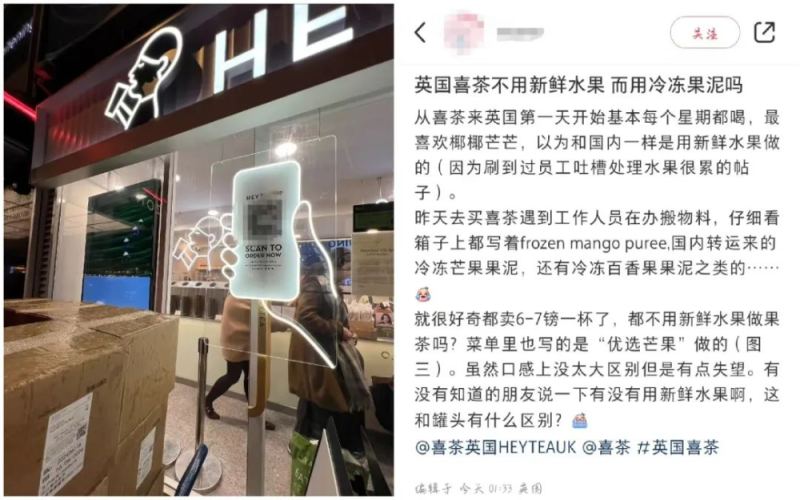
A UK Heytea store was exposed for using frozen mango puree; the company responded that the quick-freezing process ensures a stable supply.
Recently, a Heytea customer in the UK discovered that the mango ingredient used in stores was not fresh fruit, but frozen fruit puree labeled as "frozen mango puree." This discovery sparked discussions among netizens in many overseas locations, with Heytea stores in markets such as the United States, France, and South Korea also accused of using frozen jams and purees instead of fresh fruits and vegetables. The brand responded that the use of quick-freezing preservation technology is intended to ensure stable supply for stores in a wider range of regions. Is it a cost consideration, or a limitation of overseas fruit quality? This article takes you through the ins and outs of the incident. [more…]
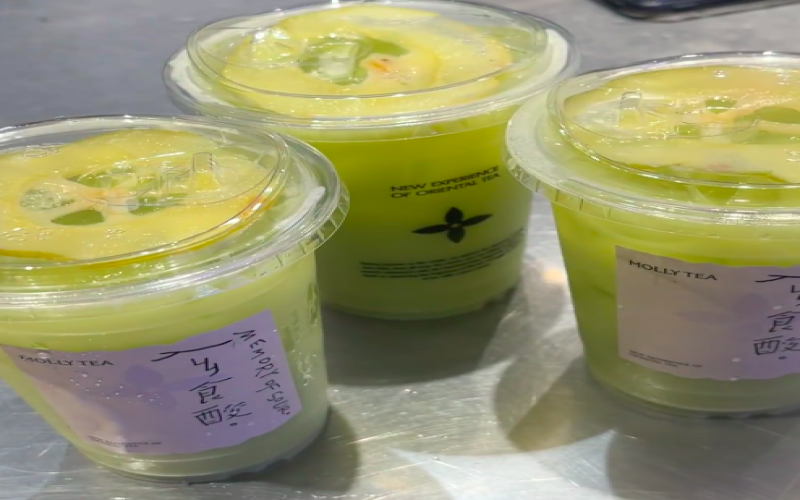
Jasmine Milk White's new product accused of having houttuynia flavor? Sour fruit mix sparks polarized consumer reviews
Jasmine Naibai recently launched a floral special blend "Green Mango and Wampee Iced Tea" that combines Hainan green mango, Guangxi wampee, and Yunnan sour papaya, highlighting a sweet-and-sour, refreshing taste. Each of the three sour fruits has its own character, making many sour-loving consumers eager to try it. However, after the new product launched, reviews have been polarized: some praise its tangy, refreshing quality that cuts through greasiness, while others report tasting a fishy note similar to houttuynia or fish mint. Interestingly, the netizens complaining about the fishy taste mostly come from the north, while staff and some consumers point the finger at the herbal note naturally present in Guangxi wampee. So how does this new product actually taste? Let's take a look together. [more…]
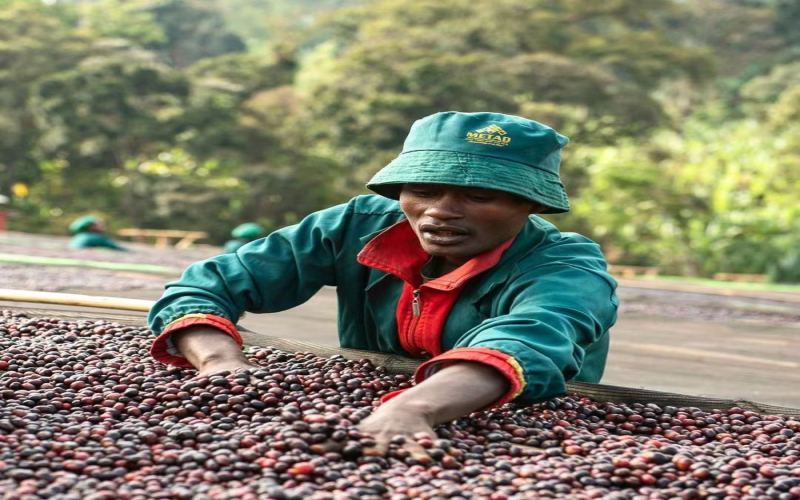
Yirgacheffe Worka Cooperative Coffee Flavor Analysis: Strawberry, Magnolia, and Small Taiwan Mango Notes from Anaerobic Natural Processing
Yirgacheffe, as a representative producing region of Ethiopian specialty coffee, is world-renowned for its floral and citrus notes. This article focuses on a Yirgacheffe from Front Street Coffee's Worka Cooperative that uses a non-traditional processing method—neither the ancient natural process nor the traditional washed process, but rather anaerobic natural processing. The article will outline the Worka Cooperative's geographical location, founding background, and organic certification status, explain why Heirloom native varieties have become the collective term for Ethiopian varieties, and detail how the specific steps of anaerobic fermentation give the coffee its strawberry, magnolia, and small Taiwan mango flavor profile, bringing you a comprehensive understanding of what makes this bean unique. [more…]
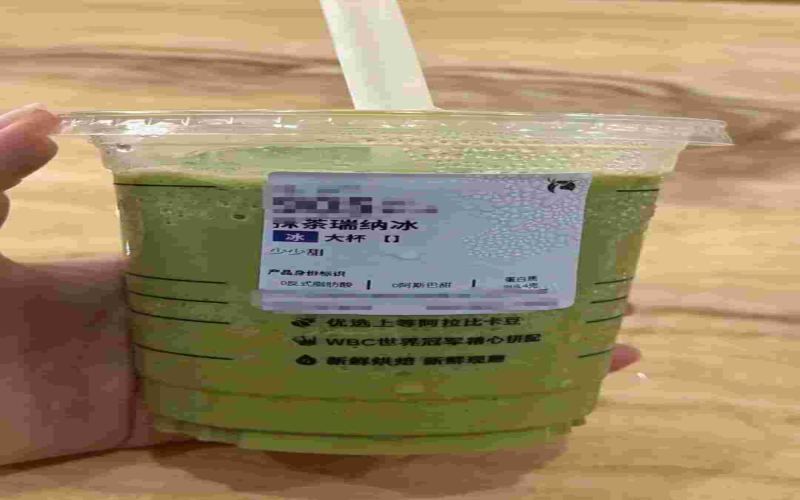
Luckin Matcha Rena Ice to be discontinued on September 26; behind the staff's celebration: new products such as Coconut Mango Pomelo Sago are about to take over.
Luckin Coffee's Rui Na Bing series has long been regarded by employees as the most difficult drinks to make, especially the Matcha Rui Na Bing, which will be completely discontinued after stores close on September 26. This news has left many Luckin staff breathing a sigh of relief, with voices of celebration everywhere on social media. However, some level-headed partners remind everyone not to celebrate too soon—next week Luckin will launch a brand-new collaboration campaign, and new items such as Raw Coconut Mango Pomelo Sago may be even more of a headache than Rui Na Bing. This article sorts out why Rui Na Bing became an employee nightmare, the specific timing of its discontinuation, and the operational challenges the new products may bring as they take over. Front Street Coffee is also paying attention to this change and providing coffee lovers with the latest interpretation. [more…]
Starbucks Faces Class Action Lawsuit Over Fruit Beverage Ingredient Controversy, Brand Naming and Actual Ingredients Draw Scrutiny
Starbucks' fruit cold drink series recently faced a class action lawsuit in New York, where a Queens consumer alleged that the product names imply the inclusion of specific fruits, while they are actually mainly composed of water, concentrated grape juice, and sugar. The lawsuit argues that the product naming constitutes an "implied promise" about the ingredients, violating New York regulations that prohibit fraud and false advertising. The products involved include the Mango Dragonfruit, Pineapple Passionfruit, Strawberry Acai series, among others, with the disputed amount exceeding $5 million. Starbucks headquarters stated it has not yet received the lawsuit and declined to comment for now. The incident has sparked widespread discussion about the authenticity of beverage labeling and consumer expectations. Front Street Coffee continues to monitor trends in the coffee and beverage industry, providing professional information for enthusiasts. [more…]
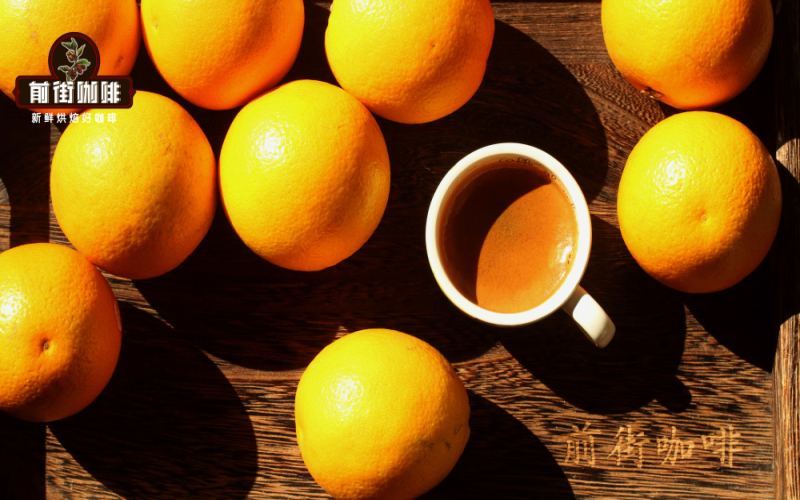
Where Does Coffee Fruit Aroma Come From? Analyzing the Causes of Tropical Fruit Notes and Recommended Representative Specialty Beans
Coffee itself belongs to the category of tropical fruits, but why can't fresh coffee cherries smell like the fruity aromas described on bean bags? The key to truly unlocking tropical fruit aromas in coffee lies in the aromatic compounds stored within the green beans and the chemical reactions that occur during roasting. Drawing on Front Street Coffee's cupping experience, this article will outline the logic behind the formation of tropical fruit flavors and their common types, and recommend several specialty coffees with intense ripe mango, distinct passion fruit sweetness and acidity, and pineapple notes. It will also explain why those lighter, harder-to-catch tropical fruit aromas appear less frequently. [more…]

Starbucks Frappuccino launches another limited-edition new item, five ready-to-drink beverages on the same stage draw employee complaints like filling prescriptions
Starbucks Frappuccino has once again launched seasonal limited-edition new products—Mango Double Star Frappuccino and Raspberry Strawberry Frappuccino. Both drinks use a coconut-flavored concentrated base, involving five pre-made fruit beverage ingredients in total, and the production process is relatively cumbersome. Combined with the buy-one-get-one-free promotion on the啡快 mini-program, the new products quickly sparked a tasting frenzy, but also left baristas under the pressure of a flood of orders exclaiming that it was "like filling prescriptions in a pharmacy." This article will take you through the ingredient composition of these two new products, the difficulty of making them, and the real feedback from employees and consumers, while also reviewing Starbucks' pace of new releases so far this year. [more…]

A Comprehensive Analysis of 90+ Candle Light Coffee: Name Origin, Flavor Characteristics, and Brewing Parameters
The 90+ Candied Mango is a legendary coffee bean in the specialty coffee circle, from the American company Ninety Plus Coffee, produced in the Sidama region of Ethiopia. Front Street Coffee has carried this bean for many years and knows well its charming flavors of nectarine, mango, and cream. This article will start with the background of the 90+ brand, and go through the meaning of the name Candied Mango, the terroir of the producing region, the raised-bed sun-drying process, green bean characteristics, roasting suggestions, cupping report, and Front Street's brewing insights, presenting a complete profile of Candied Mango for coffee lovers. [more…]
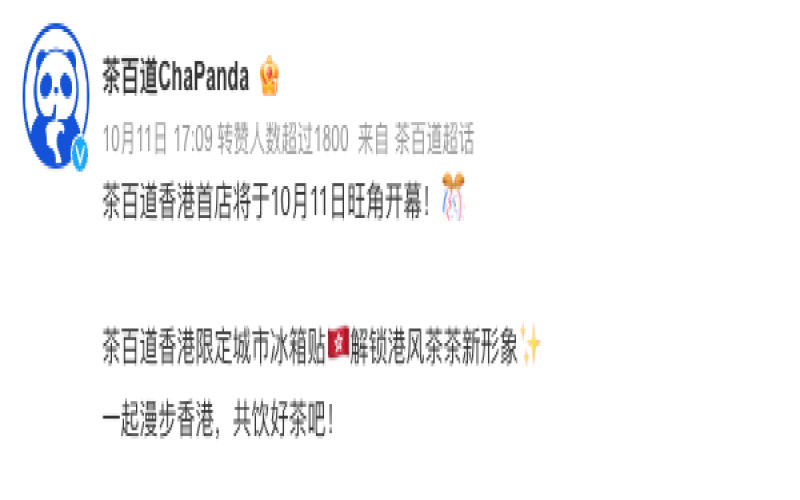
ChaPanda Opens First Hong Kong Store in Mong Kok: Street-side Location with Grab-and-Go Focus, Prices About 70% Higher Than Mainland China
Mainland new-style tea beverage brands continue to enter the Hong Kong market. ChaPanda opened its first Hong Kong store on October 11 in Mong Kok, located on the ground floor of Far View Building on Sai Yeung Choi Street South, with a monthly rent of about HK$200,000. Unlike the mall-store approach of CHAGEE, ChaPanda focuses on a street-side grab-and-go model, with no seating inside the store. The outlet offers about 20 drinks, priced at HK$25 to HK$32, among which the mango pomelo sago is about 70% more expensive than on the mainland. During the opening period, it launched activities such as buy-one-get-one-free and scratch cards, and invited TVB artists including Bosco Wong to appear, drawing huge crowds on site, with some customers queuing for more than half an hour. [more…]
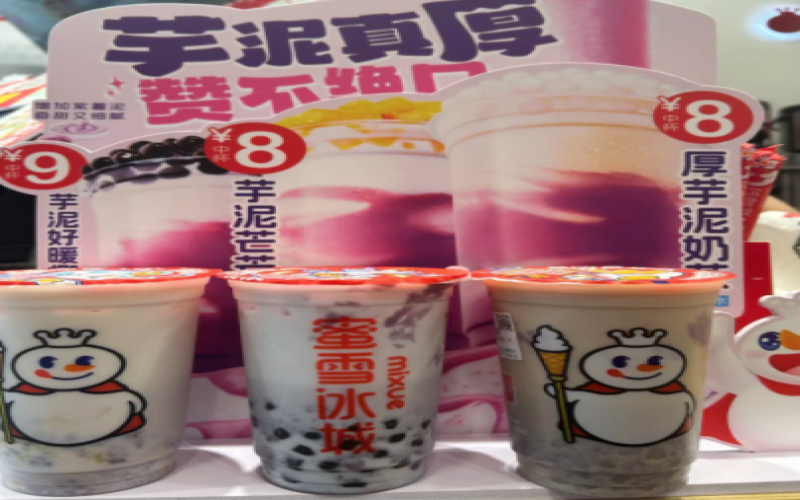
Mixue Bingcheng's Thick Taro Paste series returns, employees complain that purple sweet potato taro paste has become the hardest material to squeeze
In the depths of winter, a cup of hot milk tea always brings warm comfort, and major new-style tea beverage brands are rolling out winter hot drinks to win over consumers. Mixue Bingcheng recently announced the return of its upgraded Thick Taro Paste series, adding Taro Paste Mango Mango to the classic Taro Paste Warm Coconut and Thick Taro Paste Milk Tea, attracting taro paste lovers with single-digit friendly prices. However, after the new products launched, store employees complained that this frozen purple sweet potato taro paste is the hardest material to squeeze in history, even spawning its own dedicated hashtag. Some franchise owners personally recorded instructional videos on squeezing taro paste, drawing many workers to watch and submit their own attempts. This article takes you through this battle between Snow King employees and taro paste, as well as the store visit timing recommendations consumers should note. [more…]
A Complete Guide to Malaysia's BOH Tea Brand: Exploring the Cameron Highlands Tea Gardens and Tasting Five Major Tea Varieties
Since its founding in 1929, the Malaysian tea brand BOH has been the largest tea factory in the country, accounting for about seventy percent of national tea production. Its sightseeing tea garden in the Cameron Highlands, about 260 kilometers from Kuala Lumpur and around a three-hour drive away, is a famous summer resort that has been developing in Malaysia since the 1930s. Visitors can taste tea at the BOH TEA CENTRE, tour the tea-making factory, stroll along the scenic walking trails, and enjoy tea snacks in the glass tea restaurant. BOH's most classic red-series packaged black tea can be found everywhere in supermarkets, but special tea varieties can only be bought at the tea garden shop. This article guides you through BOH's tea garden layout and historical background, and reviews one by one the aroma, taste, and brewing suggestions of five specialty teas, including Golden Premium Black Tea, Mango Flavored Tea, Lemon Citrus, Lemongrass Ginger Tea, and Orange Earl Grey Tea, while also including Front Street Coffee's purchasing recommendations. [more…]
Flavor Analysis of Geisha vs. Geisha: Variety Characteristics, Hacienda La Esmeralda Grading, and Comparison with Candlelight Mango
Geisha and "Yiji" are actually the same coffee variety, just with different translated names—mainland China mostly calls it Geisha, while Hong Kong and Taiwan use the Japanese transliteration "Yiji." This Arabica variety is highly sought after for its floral aroma and lingering flavor, but low yields, weak disease resistance, and difficult management have kept prices consistently high. For beginners wanting to try the classic Geisha flavor profile, Front Street Boquete Geisha is a good entry-level choice, featuring citrus aromas, honeyed sweetness, and an oolong tea-like quality. Panama's Hacienda La Esmeralda further classifies Geisha into Red Label, Green Label, and Blue Label, with Red Label being the highest quality and Green Label emphasizing its signature flavor. This article also compares the flavor differences between Candlelight and Geisha to help enthusiasts clarify their choices. [more…]

Starbucks sued over fruit drink ingredients: does selling under fruit names without containing fruit constitute misleading?
Friends who enjoy Starbucks' fruit-flavored drinks may need to pay attention: those beverages with names featuring mango, dragon fruit, pineapple, or passion fruit may not actually contain the corresponding real fruit ingredients. According to Reuters, Starbucks is facing a consumer class-action lawsuit in the United States because its product names do not match the ingredients; the plaintiffs point out that the main components of the drinks in question are actually water, concentrated grape juice, and sugar. Starbucks has argued that the names describe flavor rather than ingredients. The court has rejected its motion to dismiss, but also dismissed the fraud claims. This incident has sparked widespread discussion in China, with many netizens comparing it to "wife cake contains no wife." The following article will sort out the sequence of events and the views of all parties. [more…]