







Search Results for: coffee farmers switching to coca
From Coca Fields to Coffee Plantations: The Rocky Road of Colombia's Coffee Industry Transformation
Colombia is the world's second-largest coffee-producing country, and its coffee is renowned worldwide for its smooth, balanced flavor. However, this nation abundant in high-quality coffee was once mired for a long time in coca cultivation. From the agricultural economy of the colonial period to the shocks of the modern market, from the government's eradication of coca to guiding farmers to switch to coffee, Colombia has walked an extremely difficult road. This article will sort through this history, analyze the struggle between cocaine and coffee, and the multiple challenges facing the transformation of the coffee industry, such as cultivation training, transportation, and funding guarantees. [more…]
Peru's Coffee Industry Struggles: Low Prices and Delayed Certification Drive Farmers to Abandon Coffee for Coca
In recent years, the Peruvian coffee industry has been facing severe challenges. Due to persistently low coffee prices and slow organic bean certification processes, more and more coffee growers are choosing to abandon their farms and instead go to work in coca plantations to earn higher incomes. According to the National Coffee Federation, since last December, farmers have been pouring into drug-trafficking areas to engage in coca cultivation, where they can earn 70 to 120 Peruvian nuevos soles per day (about 21 to 36 US dollars). This trend has not only worsened poverty and unemployment but also led to an expansion of illegal crop cultivation. Although Peru and the United States spent years promoting alternative crop programs, cocaine production has still hit a 25-year high. This article will provide an in-depth analysis of the varieties and flavors of Peruvian coffee, its growing environment, and explore the difficulties facing its industry. [more…]
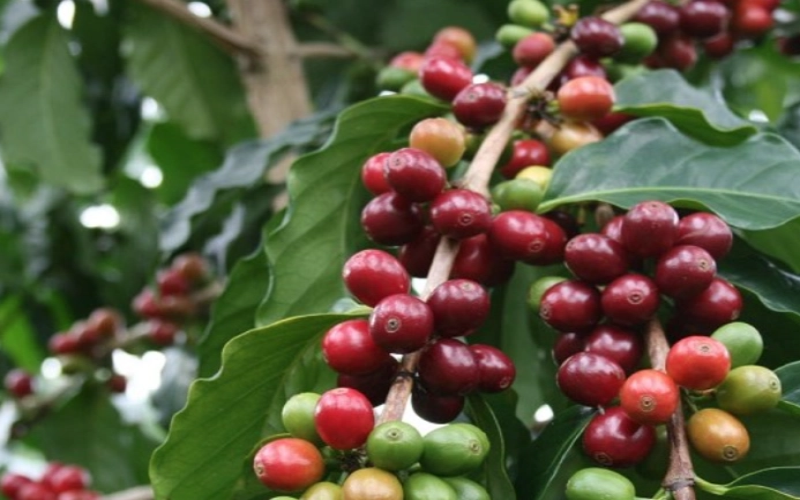
An Analysis of Bolivia's Coffee Industry: Production Regions, Variety Characteristics, and Development Challenges
Bolivia is a landlocked country in central South America, with diverse climatic conditions and a long history of coffee cultivation. Although the country's coffee industry has fluctuated due to coca leaf cultivation and transportation difficulties, coffee from the Yungas region is known for its deep sweetness and berry flavors. This article will guide you through the distribution of Bolivia's coffee regions, varietal characteristics, development history, and the challenges it faces. Front Street Coffee will also recommend Bolivian coffees worth paying attention to. [more…]
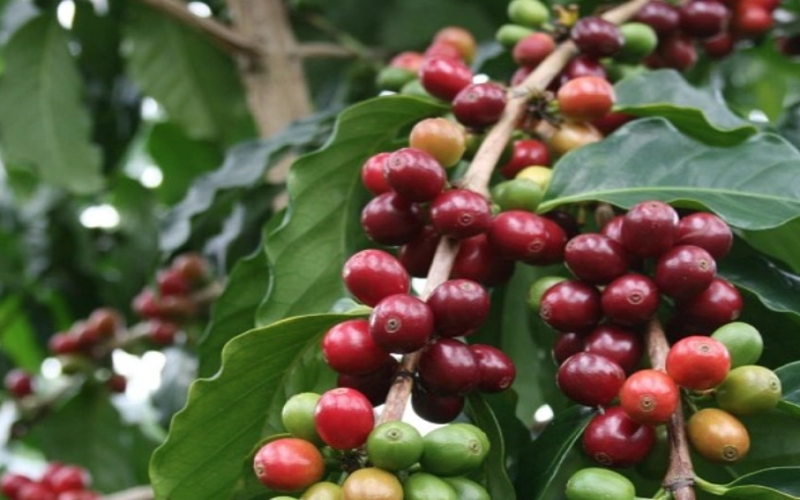
Varietal Characteristics and Cultivation History of Bolivian Coffee: The Rise of Specialty Coffee Through Front Street Java Beans
Although Bolivia is adjacent to Brazil and Colombia, it has long been regarded as a minor coffee country, with scarce production but outstanding flavor. The Bolivian Java beans introduced by Front Street Coffee are impressive for their complex profile of grape, nut, floral, and honey notes. This article will systematically review the full picture of Bolivian coffee, from growing conditions, historical changes, and regional characteristics to varieties and processing methods, and will focus on the origin background and processing details of Front Street's Cacao Natural Java beans, taking you deeper into how this highland nation, relying on its unique microclimate and the strength of family enterprises, has regained attention on the specialty coffee map. [more…]

Coca-Cola launches another coffee-cola product: Mocha flavor released across eight variants—can the coffee and cola mashup win over the market?
The combination of coffee and cola is nothing new, but previous attempts have failed to make much of a splash. However, Coca-Cola's coffee cola launched in the U.S. market unexpectedly became a hit, and now the brand is striking while the iron is hot, announcing that on February 7, 2022, it will launch a mocha coffee flavor series in some parts of the United States, bringing eight different choices in one go. The new series has been comprehensively upgraded in terms of coffee bean varieties, packaging design, and flavor classification, attempting to sustain its popularity with a richer product matrix. Can this crossover beverage of coffee cola break the curse of being "applauded but not widely bought"? This article will walk you through the details of this new product launch and the market considerations behind it. [more…]

Why Does Bolivia's Coffee Production Remain Low? Flavor Characteristics and Analysis of the Java Bean from Waliki Estate
Bolivia is a landlocked country in South America. Although it possesses high-altitude growing environments and distinctive floral and fruity aromas, it has long ranked among the countries with the lowest coffee production in the world. Factors such as coca leaf cultivation policies, leaf rust infestations, and the suspension of the COE competition have collectively led to the decline of its coffee industry. This article reviews the historical trajectory, main producing regions, and cultivated varieties of Bolivian coffee, and focuses on introducing the Waliki Estate Cacao Natural Java beans selected by Front Street Coffee, providing a comprehensive reference for coffee enthusiasts from estate management, processing methods, to roasting and brewing parameters and flavor performance. [more…]
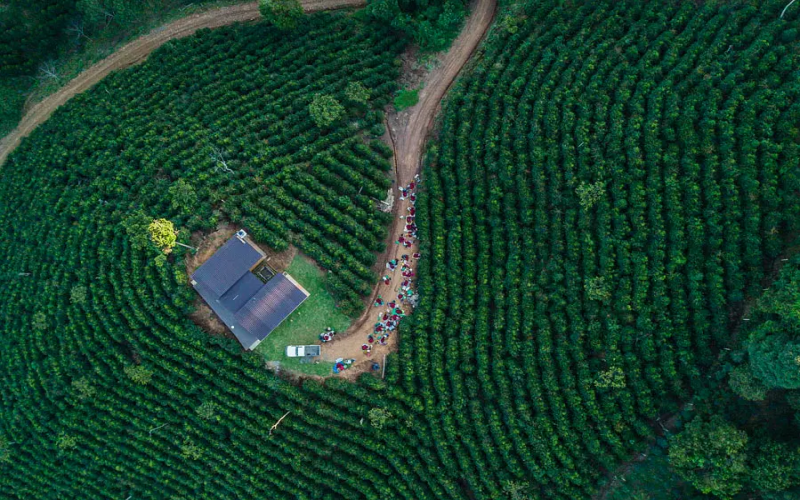
Why Does Bolivia's Coffee Production Remain Persistently Low? An Analysis of Regional Flavor Characteristics and the Java Bean from Waliki Estate
In the coffee landscape of South America, beyond Brazil and Colombia, Bolivia also produces coffee beans of outstanding quality. This landlocked country has a high-altitude growing environment, and its coffee has a rich and unique aroma, often with floral and fruity notes. However, over the past decade or so, Bolivia's coffee production has plummeted by 70%, reducing it to a minor coffee country. Factors such as coca leaf cultivation policies, the spread of leaf rust, and the cancellation of the COE competition have intertwined to make life difficult for local coffee farmers. Today, Front Street Coffee takes you into a deeper understanding of the historical context, main producing regions, cultivated varieties, and processing methods of Bolivian coffee, with a special focus on a cacao natural Java coffee bean from the Waliki Estate, presenting its complete flavor profile from the origin story to roasting and brewing parameters. [more…]
From Juan Valdez to Coffee Chains: The History, Challenges, and Transformation of Colombia's Coffee Industry
Colombian coffee is renowned worldwide for its mild, low-caffeine Arabica varieties, and the image of Juan Valdez—wearing a wide-brimmed straw hat and leading a donkey—is deeply ingrained in people's minds. From the founding of the National Federation of Coffee Growers in 1927, to the creation of the classic brand ambassador by an advertising agency in 1959, to the opening of Juan Valdez cafés in the 21st century to compete directly with Starbucks, the Colombian coffee industry has walked a path of transformation from passive reliance on the futures market to actively building its own brand. This article traces the origins and development of the Juan Valdez brand, analyzes the impact of international coffee price fluctuations on coffee farmers, and ventures deep into the mountains of Huila Department to document the real lives and aspirations of organic growers. It also examines the potential and challenges of Colombian coffee in emerging markets such as China. [more…]
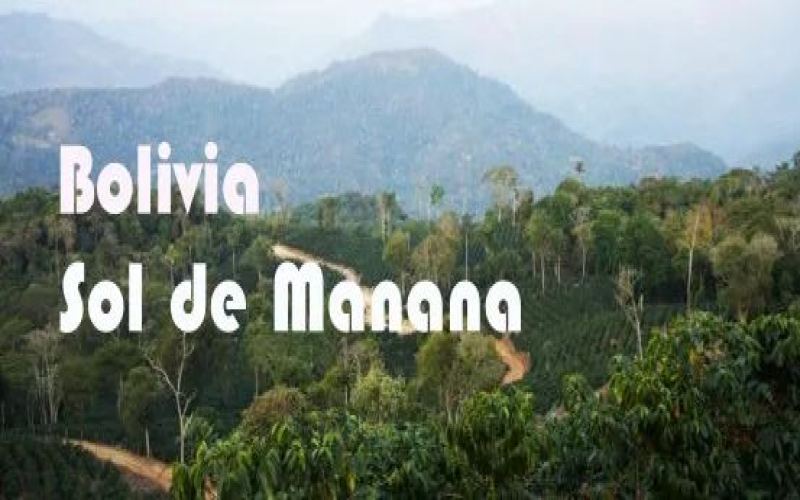
Exploring Bolivia's Tomorrow's Sun Project: The Flavor Story and Single-Origin Recommendation of Washed Caturra Coffee Beans
In a recent cupping session, we had the privilege of tasting two rare coffees from Bolivia—the washed Caturra from the Project El Sol de Mañana. Though this landlocked South American nation has endured many challenges, it has nurtured a distinctive specialty flavor. This article will take you back through the turbulent history of Bolivian coffee, explore how the Rodriguez family reversed the industry's decline through the Project El Sol de Mañana, and share Front Street Coffee's single-origin recommendations for this unique region. Whether you are a seasoned enthusiast or a curious explorer, you will feel the resilience and sweetness this land imparts to its coffee. [more…]
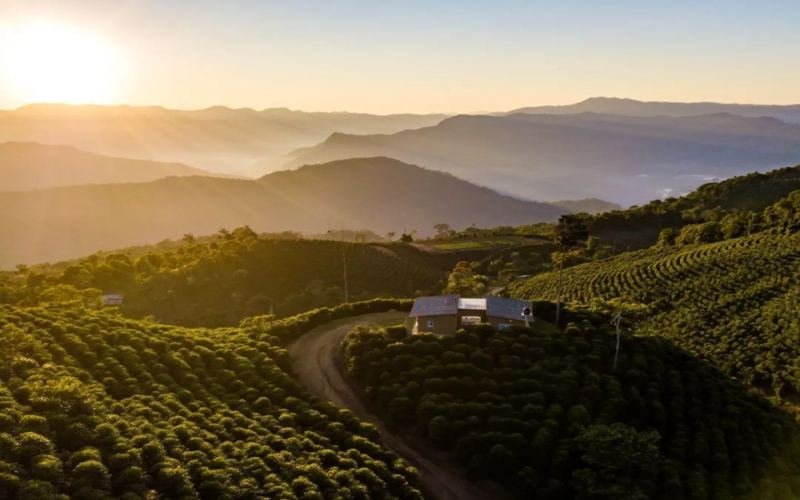
Planting Background, Development Trajectory, and Java Variety Flavor Analysis of Bolivian Coffee Regions
Although Bolivia is hailed as an ideal place for growing coffee, its production has always been limited. The high altitude and diverse terrain give the coffee rich sweetness and soft acidity. It was with Bolivian Geisha that Miki Suzuki, runner-up in the 2017 WBC, won attention. However, steep roads, the temptation of coca cultivation, and the blow of leaf rust in 2013 have repeatedly brought twists and turns to the coffee industry of this landlocked South American country. From the glory of the COE competition to the export difficulties amid political turmoil, the revival of Bolivian specialty coffee cannot be separated from the perseverance of the Rodriguez family. They promote the Tomorrow's Sun project and have cultivated distinctive bean varieties such as Coco Natural Java. This article will introduce Bolivia's coffee-producing regions, historical context, and variety flavors, and Front Street Coffee also shares its cupping experience. [more…]
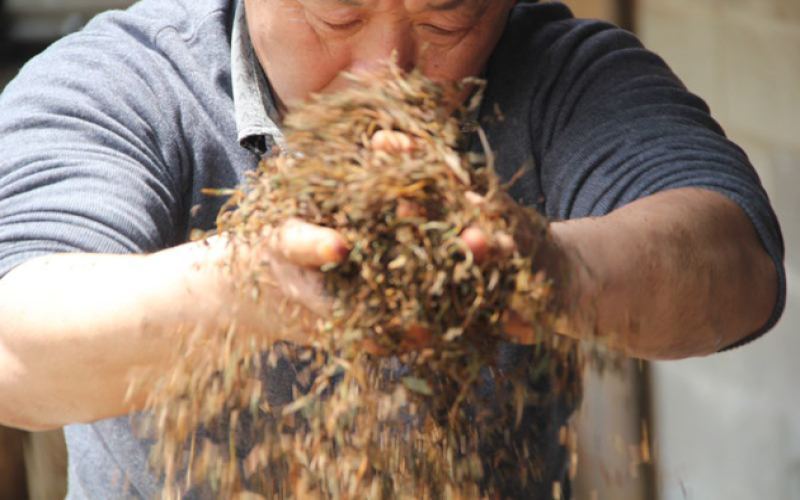
Is Golden Monkey black tea considered a premium black tea? What grade of black tea does it actually belong to?
Golden Monkey black tea has often been discussed by tea lovers in recent years: is it really a high-grade black tea, and what grade does it occupy? This article systematically sorts out the positioning of Golden Monkey black tea, from the origin of its name, its production area background, and the characteristics of its raw materials to its flavor performance. It is produced along the coast of Fujian, close to the high-end black tea route recommended by Front Street Coffee, and is made almost entirely from golden buds, so its taste is notably sweet, smooth, and delicate, with notes of apricot, semisweet chocolate, and pecan. The tea body is light, approaching an oolong style. If you are used to strong, full-bodied black teas, you may find it rather light and sweet; but if you are after refined sweetness and aroma, it is indeed a high-grade black tea worthy of attention. [more…]
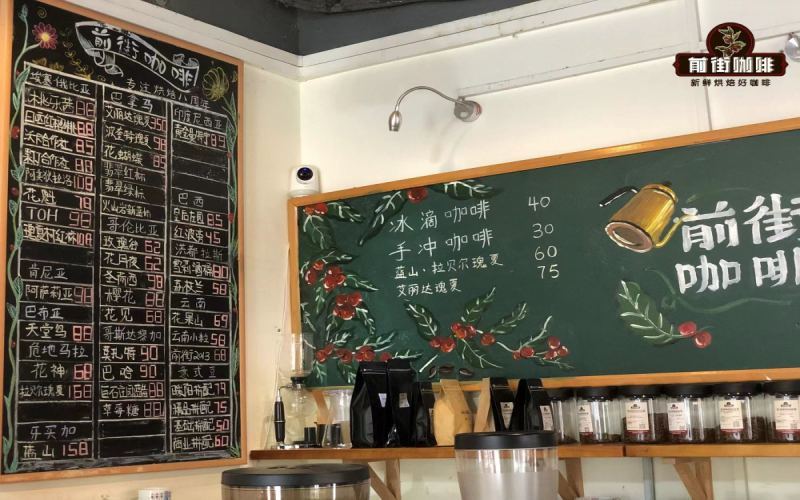
A Complete Guide to Bolivia's Coffee Regions: From Yungas Terroir to Java Variety and the Tomorrow's Sun Project
As a landlocked country in South America, Bolivia produces only a small amount of coffee, yet its extremely high altitudes and unique microclimates give rise to specialty beans. This article walks you through the historical origins of Bolivian coffee, the flavor differences between its main producing regions of Yungas and Caranavi, the story of how the local distinctive variety Java spread, and an in-depth analysis of how the "Tomorrow's Sun Project" launched by the Rodriguez family saved the specialty coffee industry. Front Street Coffee also shares the roasting and brewing parameters for the Waliki Estate Coco Natural Java, along with its cupping profile of a slight fermented note interwoven with grape and floral aromas. [more…]
A Complete Analysis of Bolivian Coffee Regions: From Java Variety to the Rodriguez Family's Specialty Journey
Although Bolivia is hailed as an ideal place for growing coffee, its production has always remained low, and it even once became a minor coffee country. Yet the coffee flavors nurtured on this land are stunning—rich sweetness and soft acidity make it stand out in the specialty coffee world. Front Street Coffee has introduced several Bolivian beans, among which the Java variety cultivated by the Rodriguez family is especially striking, known as Geisha's cousin. This article will guide you through the regional characteristics, development history, and cultivation models of Bolivian coffee, and provide an in-depth analysis of the Coco Natural Java coffee beans from Waliki Estate, from variety tracing to processing innovation, exploring the coffee charm of this landlocked South American country. [more…]
Bolivian Coffee Beans | Why is Bolivian coffee rarely seen in China? What unique characteristics does Bolivian coffee have?w
Bolivia is a fascinating place. Although it is called a paradise for coffee growing, its production has always been low. Front Street Coffee is deeply impressed by the delicate flavors of Bolivian coffee. In terms of flavor expression, Bolivian coffee is mostly characterized by rich sweetness and soft acidity. At the 2017 WBC (World Coffee [more…]
Flavor Analysis of Bolivian Geisha and Java Varieties: From Origin Challenges to the Rodriguez Family's Specialty Journey
Although Bolivia is hailed as an ideal place for coffee cultivation, its production has always been limited, yet its coffee impresses with rich sweetness and soft acidity. From the cupping perspective of Front Street Coffee, this article sorts through the historical ups and downs of Bolivian coffee, the distribution of producing regions, and cultivation models, focusing on how the Rodriguez family has driven the development of specialty coffee, and offering an in-depth analysis of the origins of the Geisha and Java varieties. The article also documents in detail a cacao natural Java coffee bean from Finca Valiki that Front Street Coffee cupped, presenting the unique charm of this bean in full, from processing method, roasting curve, to brewing parameters and flavor description. [more…]
Exploring Bolivia's Valiki Estate Java Coffee Beans: Flavor Stories from a Niche Origin and the Cacao Natural Process
In the landscape of South American specialty coffee, Bolivia, though a niche-producing country, holds potential that cannot be overlooked. Front Street Coffee ventures deep into the La Paz region to bring you Java coffee beans from the Waliki Estate. This article will guide you through Bolivia's winding coffee history, the terroir of the Yungas Province, and the legendary journey of the Java variety from Ethiopia to Latin America. The estate employs a unique cacao sun-dried processing method, shaping a flavor interwoven with grape, nut, and honey notes through low-temperature slow drying. Front Street Coffee also shares roasting and brewing parameters to help you fully appreciate the charm of these beans. [more…]
Bolivia Geisha Coffee Flavor Analysis: The Story of the Java Variety and the Rodriguez Family's Specialty Journey
Although Bolivia is hailed as an ideal place for coffee cultivation, its production has always been limited, yet its coffee impresses with rich sweetness and soft acidity. At the 2017 WBC, Japanese competitor Miki Suzuki won the world runner-up title with a Bolivian Geisha, bringing this origin into the spotlight. The Java variety, known as Geisha's cousin, likewise offers an elegant and distinctive flavor. Front Street Coffee once cupped a Cacao Natural Java from the Rodriguez family, which was sweet and tangy with a creamy smoothness. This article will guide you through the development history of Bolivian coffee, its cultivation models, and the distribution of its producing regions, as well as how the Rodriguez family is driving specialty coffee forward, and provide a detailed analysis of the roasting and brewing performance of this Waliki Estate Java coffee bean. [more…]
Bolivia Coffee Full Analysis: Specialty Bean Flavor Characteristics, Cultivation History, and the Rodriguez Family Geisha Java
Bolivia is celebrated as an ideal place for growing coffee, yet its annual output has long remained low, at one point even falling to the level of a minor coffee-producing country. And yet this land has given rise to a Geisha that won the favor of a World Barista Championship runner-up, as well as the Java variety known as Geisha's cousin. From the high-altitude terroir of the Yungas region, to the Tomorrow's Sun project promoted by the Rodriguez family, and on to innovative experiments with the cacao natural processing method, Bolivian coffee has carved out a winding yet fascinating path toward specialty coffee. Front Street Coffee will guide you through the origins, development history, varietal characteristics, and flavor profile of Bolivian coffee, with a focus on cupping a cacao natural Java coffee bean from the Valiki estate. [more…]
The Road to Revival of Bolivian Coffee: Exploring the Flavors of Pedro Rodríguez, Geisha, and Java Varieties
In the landlocked South American country of Bolivia, the development of specialty coffee is inseparable from the Rodríguez family, especially Pedro Rodríguez, who is regarded by the industry as a key figure in Bolivia's coffee revival. From trendy brands like Intellectuals snapping it up year after year, to Japanese competitor Miki Suzuki winning the World Runner-Up title with Geisha from his estate, Bolivian coffee is returning to the spotlight with its unique terroir and exceptional quality. Front Street Coffee recently cupped the Cacao Natural Java produced by the Rodríguez family, as well as the Washed Java Typica from the Tomorrow's Sun project, and the flavors were stunning. This article will trace the ups and downs of Bolivian coffee history, the characteristics of its producing regions, the contributions of the Rodríguez family, and the varietal origins of Geisha and Java, giving you a comprehensive understanding of the coffee charm of this high-altitude producing country. [more…]

Coca-Cola Spiced soda discontinued just seven months after launch: niche flavor trial fails and product strategy adjusts
Coca-Cola recently announced it will phase out its Spiced-flavored soda, which was launched with much fanfare just this February—a drink once positioned as a "permanent product" that lasted only seven months. Spiced blended traditional cola, raspberry, and spice flavors, aiming to attract Gen Z consumers seeking bold tastes, but its market performance was lackluster. Analysts suggest that consumers' unclear perception of its flavor and overly hasty new product development may be the main reasons for the failure. Meanwhile, Coca-Cola has also discontinued flavors like Cherry Vanilla and Splenda Diet Coke to focus on faster-growing categories. This article traces the complete trajectory of Spiced from launch to discontinuation and explores the challenges and prospects of niche sodas in the market. [more…]