





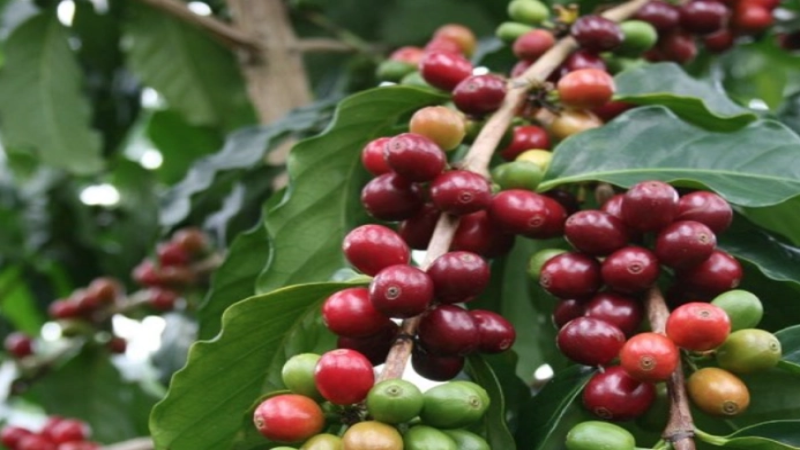
What defines Bolivia's coffee industry and its growing regions?
Bolivia's coffee industry centers on the Yungas, a valley region on the eastern slopes of the Andes, where elevation and varied climates support cultivation. The country is landlocked and ranks 38th among coffee-producing nations. Yungas coffee is known for deep sweetness and berry flavors, a profile shaped by the terrain between the Amazon plain and the high plateau.
Coffee production once reached notable levels in the 1980s, but export logistics and the steady pull of coca leaf farming drew growers away. Between 2004 and 2009 the Cup of Excellence held competitions here, and when international prices rose in 2010 and 2011, U.S. anti-drug assistance helped some farmers return to coffee, though transport costs and market access remain persistent challenges.
Bolivia is a landlocked country in central South America, with diverse climatic conditions and a long history of coffee cultivation. Although the country's coffee industry has fluctuated due to coca leaf cultivation and transportation difficulties, coffee from the Yungas production region is known for its deep sweetness and berry flavors. This article will guide you through Bolivia's coffee production regions, variety characteristics, development history, and the challenges it faces. Front Street Coffee will also recommend Bolivian coffees worth paying attention to.
Bolivia is located in central South America and is a landlocked country with no coastline, bordering five countries: Brazil, Peru, Chile, Argentina, and Paraguay. It is one of the economically poorer countries in South America, ranking 38th among global coffee-producing countries. The large area in the east and northeast of the country belongs to the Amazon River alluvial plain, the central zone is the valley region on the eastern slopes of the Andes, where agriculture is relatively developed, and the west is the Bolivian Plateau, with an average elevation of more than 1,000 meters.
Bolivia's climatic conditions are rich and diverse, and the country can be divided into three climate zones: the tropical plains with an average temperature of about 25°C, the valley floor areas with an average temperature of about 18°C, and the plateau areas with an average temperature of about 10°C. It is precisely these differentiated climatic environments that make coffee one of the country's important cash crops.
Bolivia's land area is not particularly large, comparable to Ethiopia and Colombia. According to documentary records, the country once had considerable coffee production in the 1980s, but due to its geographical position as a landlocked country, exports faced many difficulties. At the same time, the economic benefits of coca leaf as a raw material for drugs affected the coffee industry, and a large number of coffee farmers switched to growing coca leaf because the market price of coca leaf was relatively stable and could provide farmers with a more reliable source of livelihood. Between 2004 and 2009, the Cup of Excellence (COE) held coffee competitions in Bolivia. By 2010 to 2011, international coffee prices rose sharply, and with economic assistance from U.S. anti-drug programs, many farmers began growing coffee again and established several coffee processing plants. However, the good times did not last long, and coffee prices subsequently fell again, with some farmers returning to the old path of growing coca leaf.
Transportation issues are another major factor restricting the development of Bolivia's coffee industry. As a landlocked country, Bolivia has no port with direct access to the sea. If coffee exports choose to enter Brazil's Amazon River via the east, or go to sea via Chile's Arica port, toll fees must be paid, and the journey is long, adding extra burdens in both time and cost. In addition, road infrastructure in some parts of Bolivia is relatively backward, and coffee-producing areas can only be reached via poorly maintained high-altitude mountain roads, further worsening the dilemma of long transportation cycles and high costs. In Bolivia, there is a famous "Death Road"—the mountain road connecting the capital La Paz with the northeastern Yungas. This road is about 9 kilometers long, climbing from 1,200 meters above sea level to 4,650 meters, and the drive takes at least 3 hours. Because the road is built along one side of the mountain, mostly one-lane, with extremely numerous and unusually winding curves, no guardrails on either side, and because the area is rainy and foggy with poor visibility, traffic accidents occur frequently.
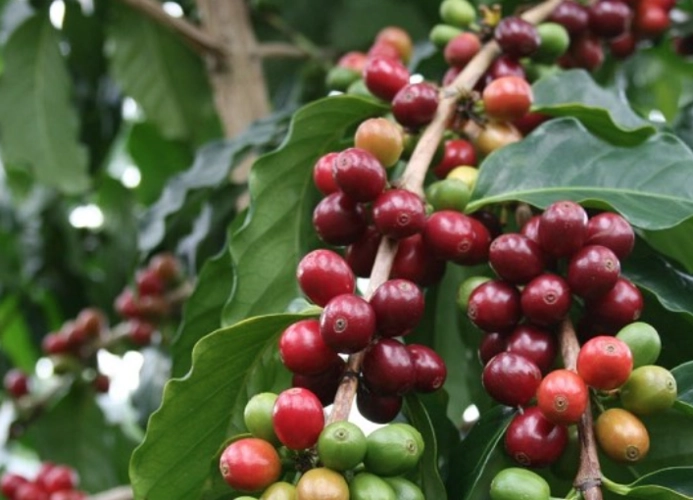
Bolivia's coffee-producing areas are mainly concentrated in the Yungas region, where about 95% of the country's coffee is produced. This production area is located on the eastern side of the Andes and is the region with the longest history of coffee cultivation in Bolivia. The capital La Paz is situated west of Yungas, so traveling to and from this production area requires passing through that "Death Road." Coffee cultivation is distributed at elevations of 800 to 2,300 meters, with main varieties including Typica, Caturra, and Java, and the annual harvest period lasts from July to November. Coffee from this production area usually shows a deep and full sweetness, accompanied by soft citrus acidity and layered black fruit and berry flavors. Front Street Coffee recommends that enthusiasts pay attention to beans from this production area, as their flavor performance is often surprising. In addition, Bolivia has two smaller production areas—Santa Cruz and Beni—but these two areas are at lower elevations, and coffee is not the main local crop, so coffee quality is relatively ordinary.
Before 2019, Bolivian coffee beans were almost nowhere to be seen in the domestic market, until the country's coffee was approved to enter the Chinese market in 2019. In recent years, some Bolivian coffees with excellent quality, clean taste, and complex layers have begun to be exported around the world, but the future development of the country's coffee industry still faces many challenges. Front Street Coffee will also continue to follow developments in Bolivian coffee and bring coffee enthusiasts more high-quality choices.
The above content is compiled by CoffeeHunters, a coffee news website.


