







Search Results for: coffee cultivation patterns
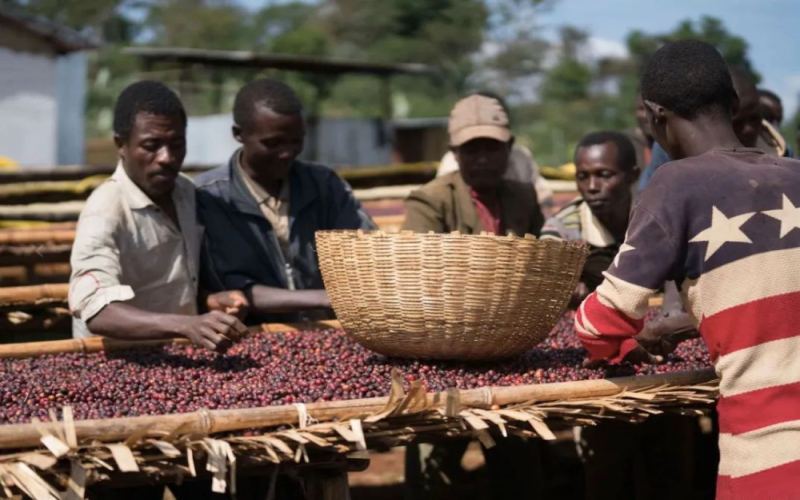
The Original Home of Ethiopian Coffee: Cultivation Patterns in the Kafa Forest and the Coffee Variety Gene Bank
Ethiopia is the birthplace of coffee, and its cultivation models fall into three types: garden, estate, and forest. Among them, the forest cultivation in the Kafa region of the southwest is the most unique. This place is not only the hometown of coffee but also home to about 5,000 coffee tree species, making it a genetic treasure trove of Arabica coffee. The Kafa forest has undergone logging and protection, and today it persists in the form of a biosphere reserve, with about 30 cooperatives in the surrounding area engaged in coffee production. Front Street Coffee has also launched a washed coffee bean from this producing region, presenting floral aromas, citric acidity, and sweet orange and bergamot flavors. This article will guide you through the cultivation traditions, historical changes, and coffee characteristics of the Kafa forest. [more…]
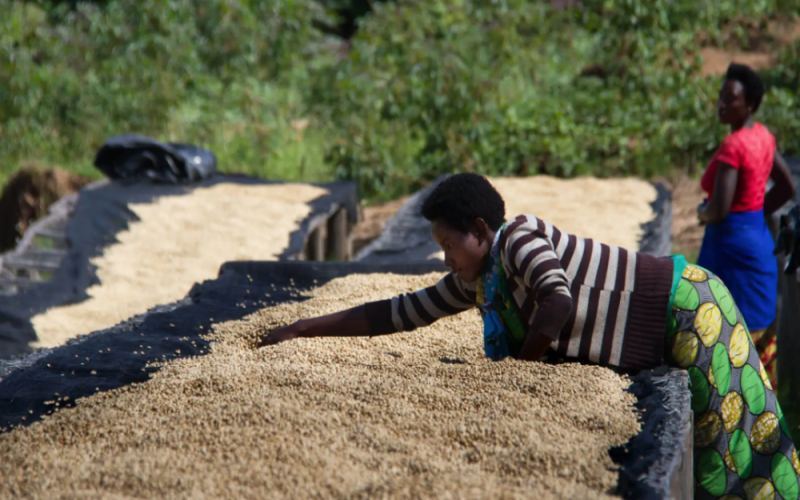
An Analysis of the Causes of Uneven African Coffee Bean Shapes: A Comprehensive Introduction to Ethiopian Heirloom Varieties and Processing Methods
Many coffee enthusiasts notice a phenomenon when they first encounter coffee beans from African origins: Ethiopian beans are generally more uneven in size than Kenyan beans, with noticeably lower uniformity. Whether it is Yirgacheffe or Sidamo, washed or natural, it is common to see obvious differences in bean size and roast color within the same batch. Behind this phenomenon lie both the genetic diversity of Ethiopia's nearly two thousand coffee varieties and its unique cultivation patterns and centralized processing methods. This article will systematically sort out the variety classification and cultivation system of Ethiopian coffee, and introduce the three primary processing methods of natural, washed, and semi-washed, helping readers fully understand the root causes of the morphological differences in African beans. [more…]
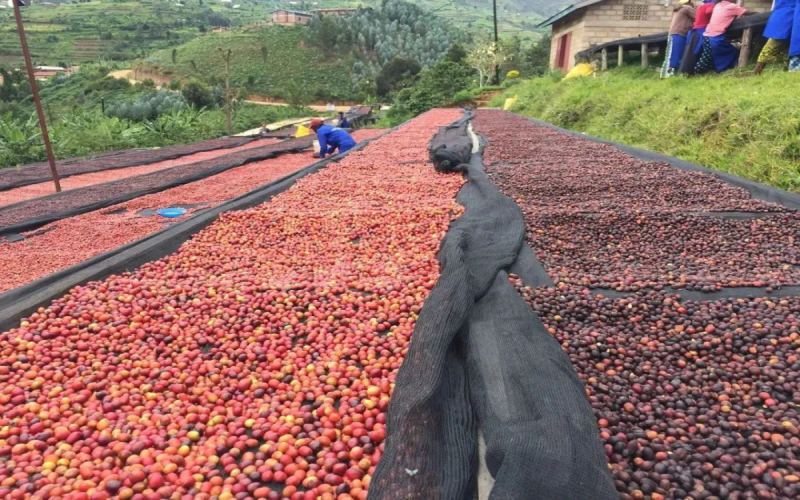
Where Does the Fruity Flavor of Ethiopian Coffee Come From? An Analysis Using Washed Yirgacheffe Beans as an Example
Ethiopian coffee is renowned for its rich floral and fruity aromas and bright fruit acidity, which stands in stark contrast to the bold, mellow profile people traditionally associate with coffee, making it the gateway choice for many enthusiasts entering the world of specialty coffee. So where exactly do the fruity flavors in Ethiopian coffee come from? This article will analyze the question from three angles—terroir, processing methods, and cultivation models—and use a washed Yirgacheffe bean as an example to illustrate how light roasting and pour-over brewing bring out jasmine, citrus, and berry notes. [more…]

Can Front Street Blue Mountain coffee beans be used for espresso and lattes? A full analysis of cost, flavor, and latte art operation
Can Blue Mountain coffee beans be used to make espresso? The answer is of course they can, but why do cafes rarely do so? Starting from Front Street Blue Mountain coffee beans, this article clarifies the three major considerations in choosing espresso beans—flavor, price, and consistency—calculates the cost per shot of espresso, explains the background of Jamaica's CIB management system and the Typica variety, and gives Front Street's recommended espresso extraction parameters and latte art operating points. If you have plenty of funds and want to use Front Street Blue Mountain coffee beans to make a latte, or even pour a big white heart, this content will explain step by step from extraction to integration, pouring the pattern, and finishing. [more…]
Can Front Street Blue Mountain coffee beans be used for espresso? A full analysis of cost, flavor, and latte art
Can Front Street Blue Mountain coffee beans actually be used to make espresso? The answer is, of course they can—but why do so few cafés do it? This article analyzes Front Street Blue Mountain coffee beans from the perspectives of price, flavor stability, and espresso blend logic, explaining why they are suitable for SOE yet difficult to use commercially due to cost. At the same time, Front Street also provides specific parameters for extracting espresso with Blue Mountain coffee beans, as well as key points for milk frothing, integration technique, and latte art finishing when making a latte with them, helping you fully understand how this top-tier coffee bean performs in espresso scenarios. [more…]
An Analysis of Hawaiian Kona Coffee Flavor Characteristics and a Guide to Pour-Over Brewing Parameters
Hawaiian Kona coffee is the only top-tier coffee variety produced on American soil, renowned worldwide for its plump and lustrous appearance, balanced sweetness and acidity, and nutty aroma. It is grown in the fertile volcanic ash soil on the slopes of Mauna Loa, with scarce yields and high prices. This article will comprehensively introduce Kona coffee from multiple perspectives including flavor and mouthfeel, growing region geography, climatic conditions, and cultivation patterns, and share a pour-over brewing method suitable for home use, helping coffee enthusiasts better savor this coffee hailed as a "rare treasure of the world." [more…]
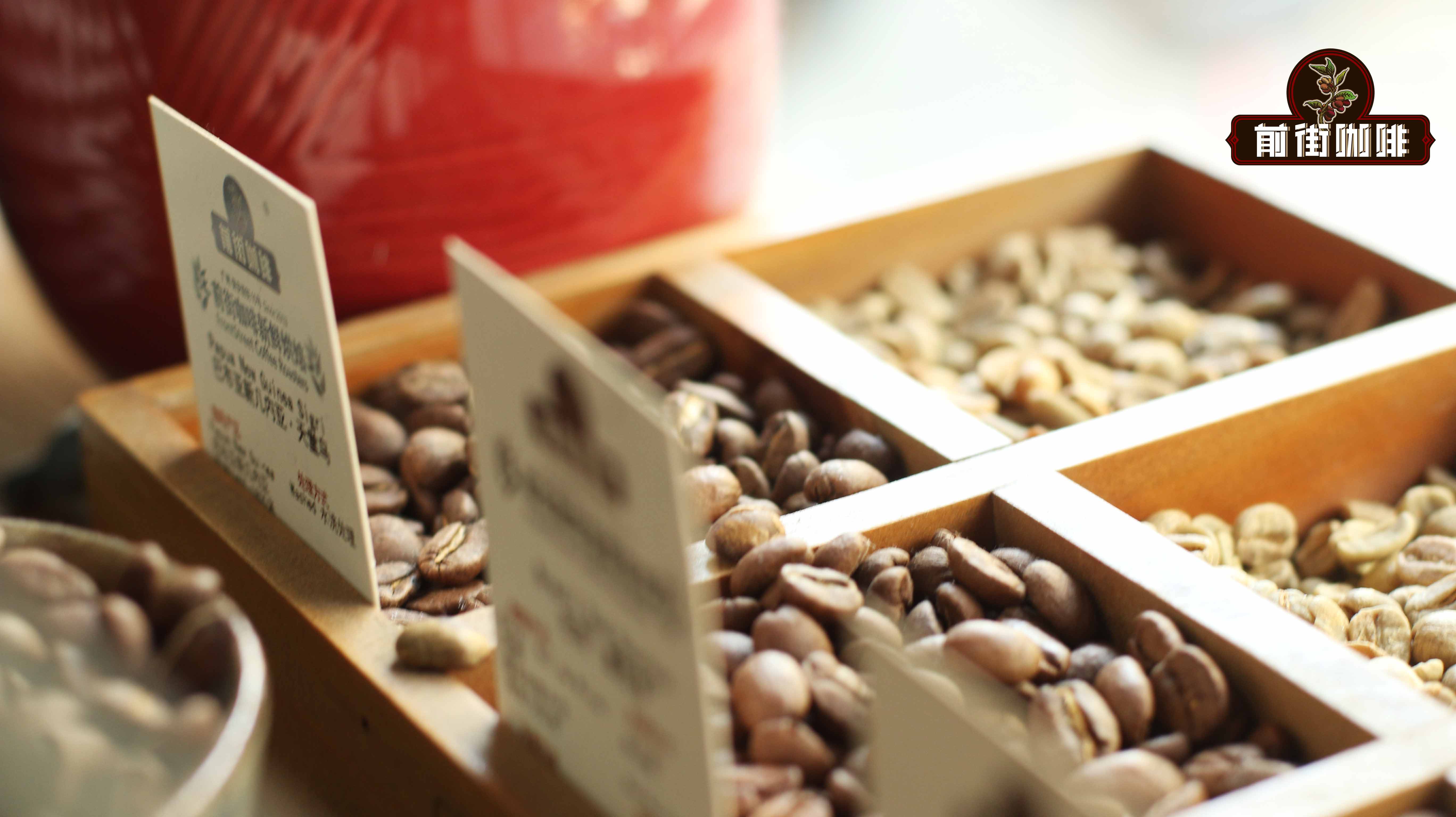
A Complete Guide to Green Coffee Bean Grades: Detailed Explanation of Grading Standards and Differences Across Countries, Including AA, G1, SHB, PB, and More
When buying coffee beans, have you ever been baffled by combinations of letters like AA, G1, SHB, and PB? They may seem to follow no pattern at all, but in fact each one represents the green bean grading standard of a different producing country. Why do coffee beans need to be graded? Why is there no unified global standard? This article will take you through the origins of green coffee bean grading, and how producing regions such as Ethiopia, Kenya, the Central American countries, Jamaica, and Brazil classify their beans based on defect rate, bean size, growing altitude, and cup quality. At the same time, we will also explore what these grades actually mean in the roasted coffee market, and recommend several Front Street Coffee beans corresponding to these grades, to help you better understand the cup of coffee in your hands. [more…]
How Does Climate Change Impact Assam Tea Gardens? Micro-Level Yield Data Reveals the Critical Influence of Short-Term Weather Fluctuations
Assam is the world's largest tea-producing region, contributing one-fifth of global output and half of India's tea, and supporting about 1.2 million workers. Yet disruptions to rainfall and temperature patterns are putting this land under growing pressure—droughts in Africa, intense rainfall erosion in India, and the accelerating melting of Himalayan glaciers are all sounding alarms at the macro level. But what truly affects each tea leaf is often a more micro-level climate variable. A study based on 82 tea gardens spanning 2004 to 2013 reveals how short-term weather fluctuations directly influence yields. This article will walk you through these findings and what adaptive measures tea gardens can take. Front Street Coffee has always paid attention to the long-term impact of climate change in producing regions on the flavor in the cup. [more…]

From a 7-Million-Follower Blogger to US Barista Champion: How Morgan Eckroth Redefines the Meaning of Competition
At the recently concluded United States Barista Championship, Morgan Eckroth from Portland, Oregon, took the crown. Unlike most competitors, she was already a coffee influencer with over 7 million followers before the competition, and she made her entire preparation and competition process public through vlogs and livestreams. Taking the home coffee community that emerged after the pandemic as her theme, she shared her recipes and approach in advance, advocating that coffee should be delicious, replicable, transformative, and easy to make at home. This article will walk you through her competition journey, bean selection strategy, and creative recipes, and use them to explore the bottlenecks facing the Barista Championship and the shift in coffee consumption patterns in the post-pandemic era. [more…]
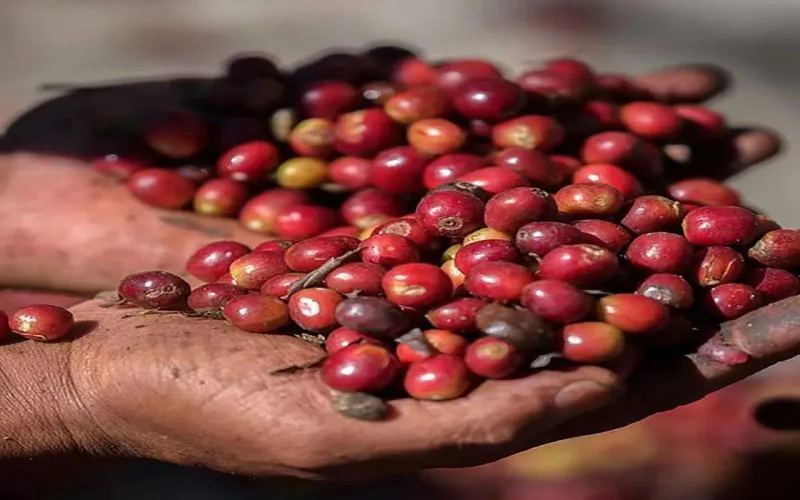
Why Are Ethiopian Coffee Beans So Uneven in Size? A Variety Analysis of the Sidamo Santaverry 74158
Ethiopia, as the birthplace of Arabica coffee, is known for beans with floral and citrus notes, but many enthusiasts notice that the coffee beans here often vary in size and shape. This is not a quality issue, but rather the result of the country's extraordinarily rich variety of coffee cultivars, diverse cultivation patterns, and a grading system that focuses on defect rate rather than bean size. This article will analyze the causes of differences in Ethiopian coffee bean morphology, introduce the three cultivation methods of garden, estate, and forest, explain the JARC digital variety series and the origin of 74158, and finally present the flavor profile of Front Street Coffee's Sidamo Santawini coffee beans. [more…]
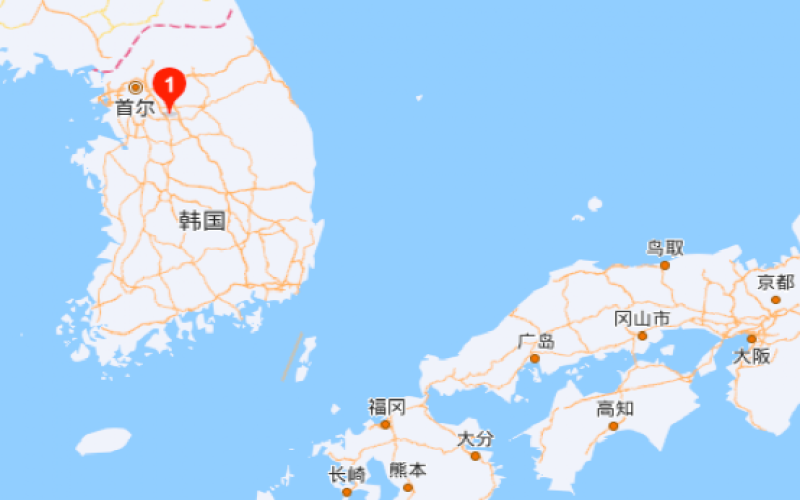
Korean Icheon coffee farm successfully cultivates Arabica Bourbon variety, marking the official start of the local coffee bean harvest season
Coffee cultivation has traditionally been concentrated in the golden belt between the Tropic of Cancer and the Tropic of Capricorn, but this pattern is now being continually challenged. A coffee experience farm in Icheon, South Korea, has successfully grown Arabica coffee beans and welcomed its harvest season, pushing the latitude of human coffee cultivation to a new high. The farm covers a total area of 2,000 pyeong, of which 800 pyeong are planted with about 2,000 coffee trees, including Yellow Bourbon and Red Bourbon varieties. To overcome the limitations of a climate with four distinct seasons, the farm uses facilities such as plastic greenhouses and shade cloth to keep the indoor temperature at around 15 degrees Celsius year-round. This coffee plantation is expected to harvest 5 to 7 tons of coffee cherries, ultimately producing 500 to 700 kilograms of green beans. As South Korea's coffee import value and number of coffee shops both hit new highs, whether locally grown coffee beans can become a new market favorite is worth continued attention. [more…]
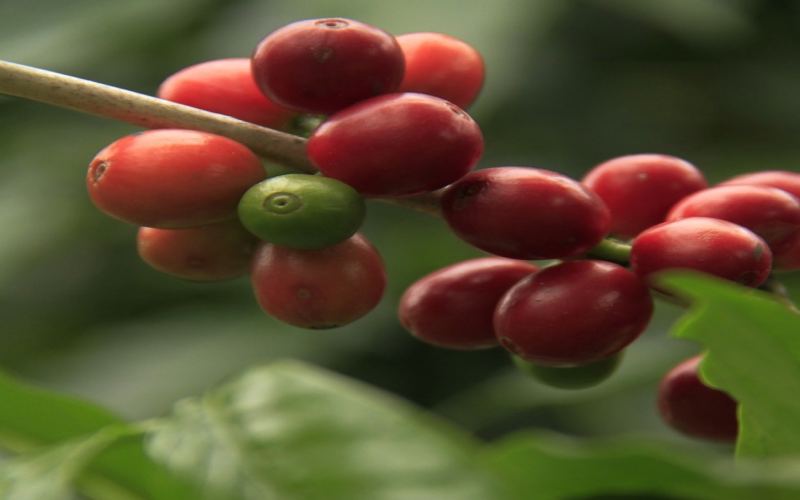
Coffee Leaf Rust: A Disease That Changed the Varietal Landscape
In the history of coffee cultivation, if only one disease were allowed to be recorded, it would have to be leaf rust. This plant plague caused by a fungus once destroyed the entire coffee industry of Ceylon in the nineteenth century, and then over the following hundred-plus years spread to nearly every producing region in the world, profoundly rewriting the varietal landscape and trade patterns of coffee. It [more…]

Overview of Coffee Cultivation in Espírito Santo, Brazil: Robusta and Specialty Arabica Between Mountains and Sea
South America, with the Andes Mountains, the Brazilian plains, and a warm, humid tropical and subtropical climate, has given rise to major coffee-producing nations such as Brazil, Colombia, and Ecuador. Among them, Brazil has a vast territory, with seventeen of its twenty-six states producing coffee, and its output consistently ranks first in the world. In the state of Espírito Santo in southeastern Brazil, although the scale of cultivation is smaller than that of major states like Minas Gerais, it has developed a unique pattern centered on Robusta and supplemented by specialty Arabica, thanks to its mountainous environment near the Atlantic Ocean. This article will review the state's geography and climate, cultivated varieties, and representative estates, and mention Front Street Coffee's Cerrado entry-level selection. [more…]
A Comprehensive Analysis of the Flavor Characteristics and Processing Methods of Ethiopian Yirgacheffe Worka Coffee
Yirgacheffe is one of Ethiopia's most iconic specialty coffee regions, and its beans are world-renowned for their delicate citrus acidity, jasmine florals, and honeyed sweetness. This article provides a comprehensive overview of the quality characteristics of Yirgacheffe Worka coffee, covering everything from the region's geography and historical origins to its cultivation patterns and the evolution of processing methods. It pays particular attention to Front Street Coffee's bean selection standards for this region, and offers an in-depth analysis of how the two processing methods—natural and washed—shape two distinctly different flavor profiles, providing coffee lovers with a guide to the region that is both informative and practical. [more…]
Ethiopia Yirgacheffe G1 Grade Explained: A Full Overview of Washed Kochere Flavor and Mouthfeel
Yirgacheffe, as a byword for Ethiopian specialty coffee, has its G1 grade and washed processing method long been a focus of coffee enthusiasts. This article starts with Front Street Coffee's washed Yirgacheffe Kochere, sorting out the geographical environment, cultivation patterns, and processing techniques of the small town of Yirgacheffe, and analyzing how washed processing gives coffee a brighter acidity and cleaner mouthfeel. It also introduces the location of the Kochere production area and its cooperative model, and specifically describes this coffee's tropical fruit notes of citrus and pineapple as well as its floral finish, helping readers gain a comprehensive understanding of the flavor profile of Yirgacheffe G1 washed beans. [more…]
Overview of Ethiopian Specialty Coffee Varieties, Cultivation, and Market: A Comprehensive Analysis from Heirloom Varieties to Processing Methods
As the birthplace of Arabica coffee, Ethiopia has nearly 2,000 recorded coffee varieties and is a pilgrimage site for countless coffee lovers. This article systematically sorts out the variety classification, cultivation patterns, and processing techniques of Ethiopian coffee, analyzes the distribution characteristics of long-shaped beans and small-shaped native varieties in different producing regions, and introduces in detail four cultivation forms, including forest coffee and garden coffee. It also provides an in-depth explanation of the complete processes of the natural method, washed method, and semi-washed method and their representative beans, including popular products such as Front Street Coffee Huakui and Front Street Coffee Gedeb Cooperative, taking you through a comprehensive understanding of the coffee charm of this magical country. [more…]
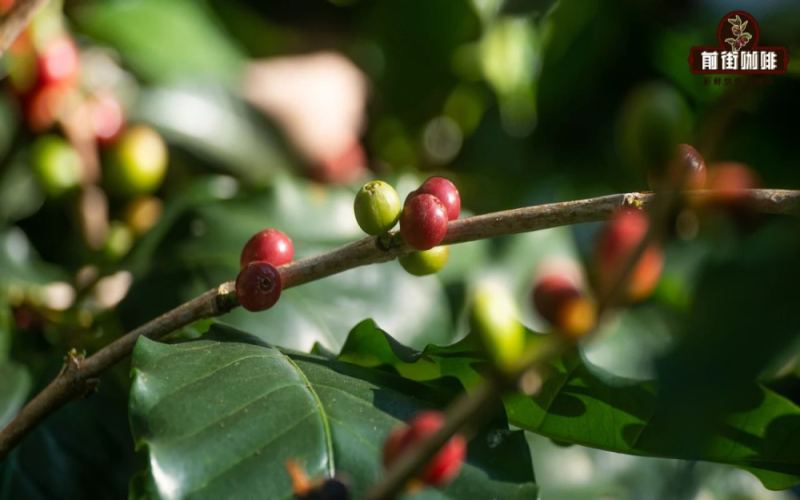
A Detailed Guide to How Many Times a Coffee Tree Fruits Per Year and Yield Per Mu: From Planting to Achieving Coffee Freedom
Many coffee enthusiasts have dreamed of leaving the hustle and bustle behind to live by the mountains. If they could plant coffee trees with their own hands—from flowering to fruiting, and then to roasting and brewing—they would truly achieve coffee freedom from seed to cup. But how many times a year does a coffee tree bear fruit? And how many coffee beans can one mu of land produce? These numbers directly relate to the feasibility of self-sufficiency. Front Street Coffee has been involved in coffee cultivation since 2013 and has accumulated rich experience through practice. Today, starting from the growth habits of coffee trees, we will provide a detailed analysis of the relationship between coffee yield and planting scale, helping every coffee fan with a pastoral dream to calculate this account clearly. [more…]
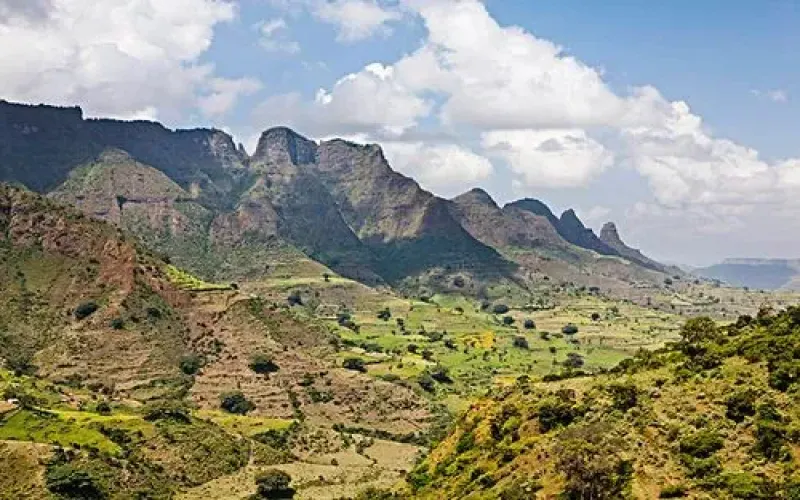
Exploring Ethiopian Yirgacheffe: A Complete Analysis from Regional Origins to Washed Processing
Yirgacheffe is one of Ethiopia's most iconic coffee regions, renowned worldwide for its distinctive citrus acidity and floral aromas. This high-altitude area in Sidama State, with its humid climate, fertile soil, and abundant water resources, produces coffee with highly recognizable flavors. From early rough natural processing to the introduction of the washed process in 1972, Yirgacheffe gradually established its status as an independent region. This article will systematically sort out the full picture of Yirgacheffe from the perspectives of geographical environment, administrative divisions, sub-region characteristics, cultivation patterns, and the evolution of processing methods, and introduce related representative products from Front Street Coffee. [more…]
Unveiling the Origins of Cuba Crystal Mountain Coffee: Why It's Hailed as the "Blue Mountain of Cuba"
Cuban Crystal Mountain coffee is often mentioned in the same breath as Jamaican Blue Mountain, and is even called "the Blue Mountain of Cuba." Behind this title lies both a similarity in terroir and a resonance in flavor expression. This article will trace the history of coffee cultivation in Cuba, starting from the introduction of coffee to Cuba in 1748, through the push by French immigrants, the rise and fall of estates and the changes brought by nationalization, and then to the formation of the Crystal Mountain production area in the Sierra Maestra. You will learn about the harvesting and processing methods of Crystal Mountain coffee, the distribution pattern of its three major production areas, and its typical island-bean style—clean and gentle, with balanced acidity and bitterness. At the same time, Front Street Coffee will also guide you through different roast levels to experience the flavor layers of this bean. [more…]
Yunnan Small-Bean Coffee Pour-Over Flavor Analysis: Main Producing Regions, Taste Characteristics, and a Full Overview of Variety Growth Periods
Yunnan small-bean coffee has earned a solid reputation in the international coffee world thanks to the unique terroir of its dry-hot river valleys. Focusing on the flavor expression in pour-over extraction, this article systematically reviews the main growing regions of Yunnan small-bean coffee, the taste characteristics of each area, and the origins and cultivation traits of core varieties such as Typica, Bourbon, and Catimor. It also explains why Lujiangba in Baoshan is regarded as the best-producing origin, and analyzes the key growth-cycle patterns of small-bean coffee from flowering to fruit ripening, helping coffee enthusiasts gain a more comprehensive understanding of the source of Yunnan beans' flavor in the cup. [more…]