







Many coffee enthusiasts have dreamed of leaving the hustle and bustle behind to live by the mountains. If they could plant coffee trees with their own hands—from flowering to fruiting, then roasting and brewing—they would truly achieve coffee freedom from seed to cup. But how many times a year does a coffee tree bear fruit? And how many coffee beans can one mu of land produce? These numbers directly relate to the feasibility of self-sufficiency. Front Street Coffee has been involved in coffee cultivation since 2013 and has accumulated rich experience in practice. Today, starting from the growth habits of coffee trees, we will analyze in detail the relationship between coffee yield and planting scale, helping every coffee lover with a pastoral dream to calculate this account clearly.
I believe many coffee enthusiasts have pictured a scene in their minds: choosing a place with mountains and water, far from the noise, and living a self-sufficient, undisturbed life. Since they are people who deeply love coffee, they naturally want to grow the beans they drink themselves. From one perspective, this is also a path to coffee freedom—planting coffee with your own hands.
Front Street has been involved in coffee cultivation since 2013, so customers and friends often ask: exactly how many coffee trees do you need to plant so that you never have to worry about coffee?
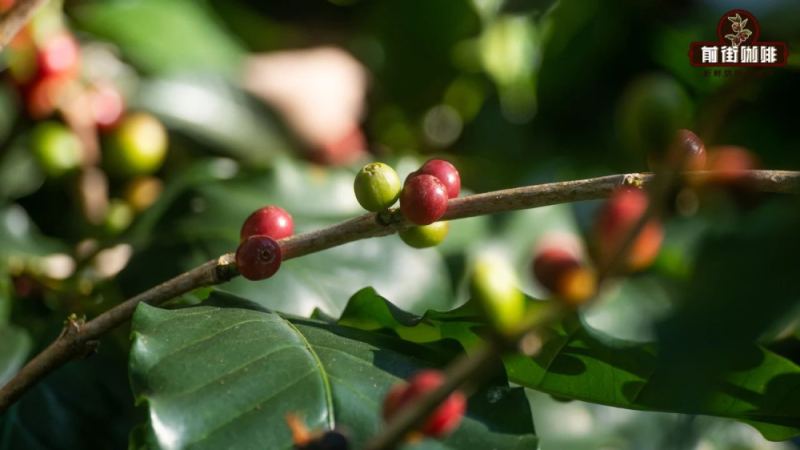
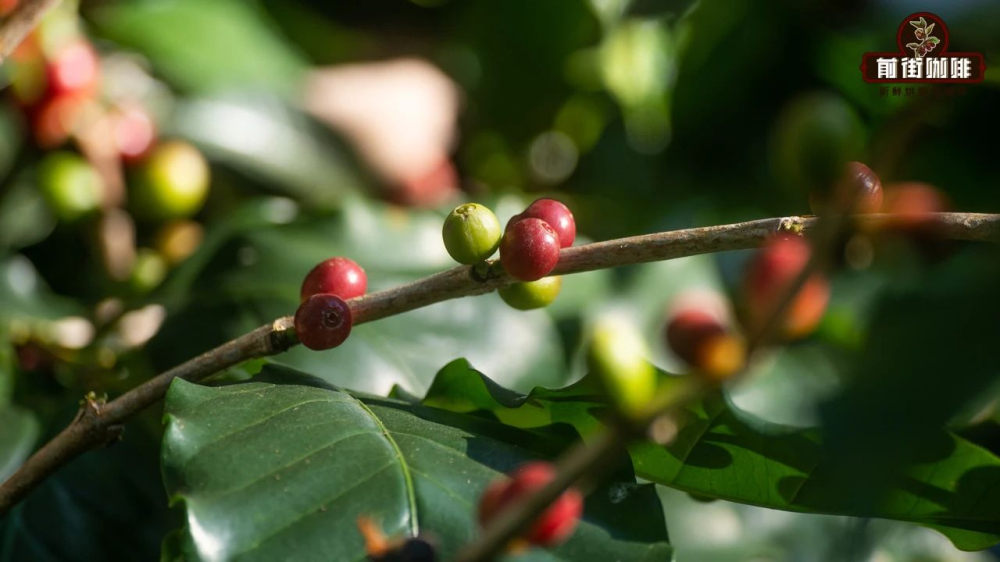
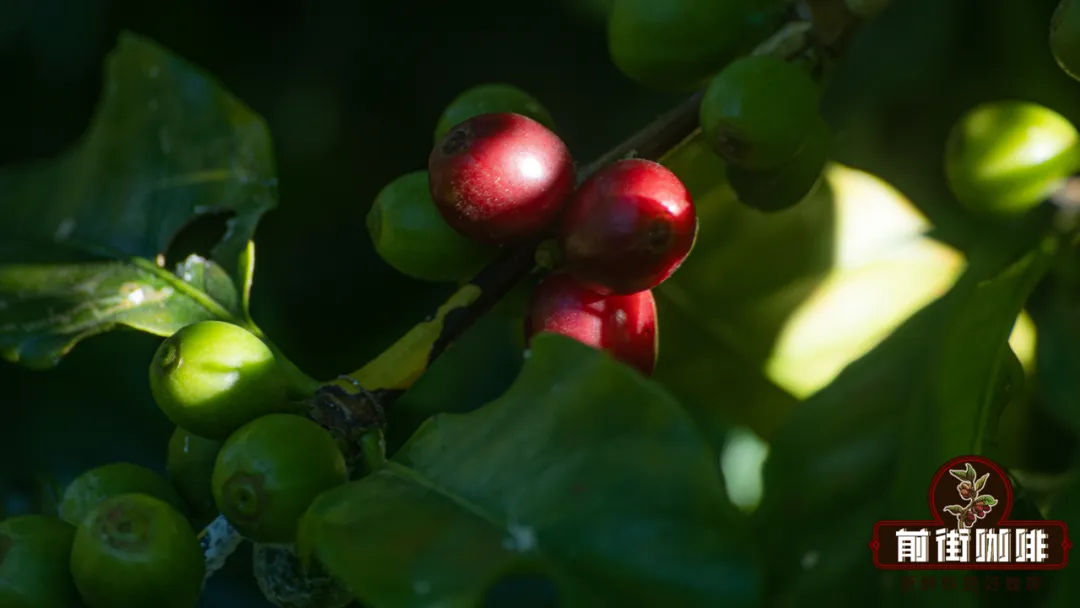
To figure out this question, you first need to understand the fruiting pattern of coffee trees. A healthy coffee tree usually blooms once a year, with the flowering period concentrated in the early rainy season. The flowers are white and carry a jasmine-like fragrance. After the flowers fade, fruit begins to form. The fruit turns from green to yellow and then red, and the entire ripening cycle takes about 6 to 9 months. So strictly speaking, a coffee tree bears fruit only once a year, not multiple harvests. Of course, different varieties and the climate conditions of different producing areas can affect the specific timing of flowering and fruiting, but the basic pattern remains unchanged.
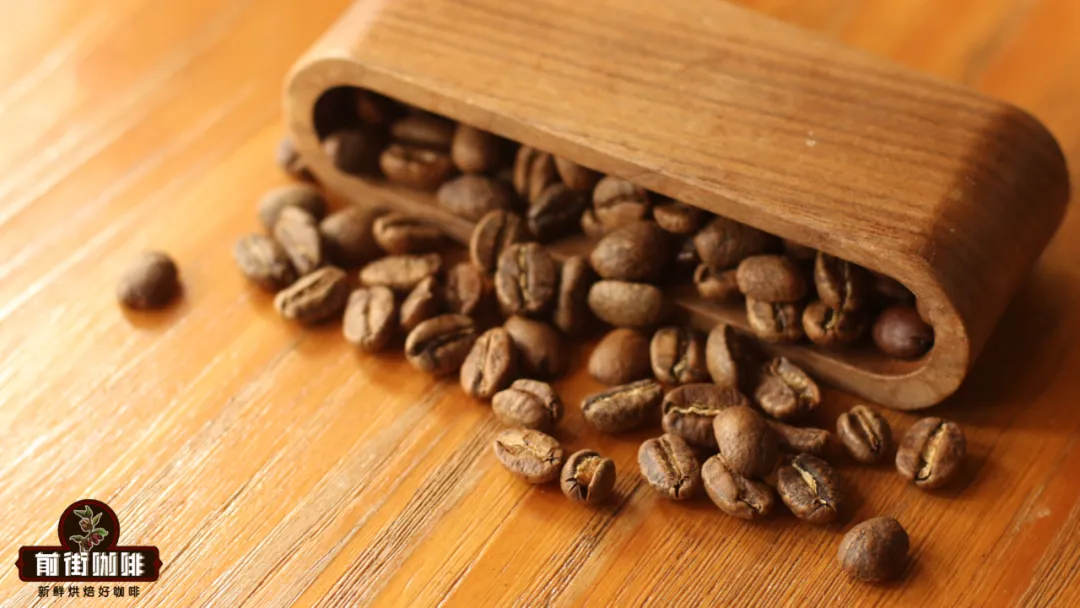
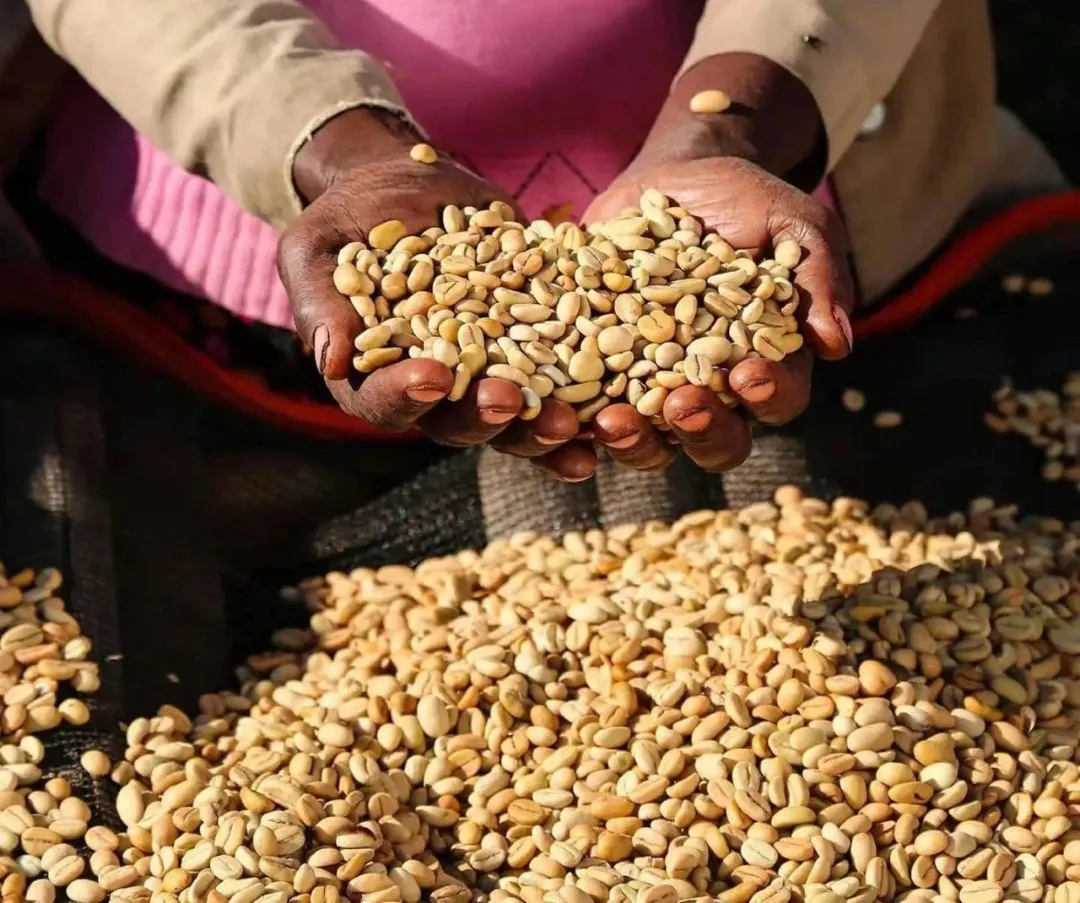
So how many coffee beans can one coffee tree produce in a year? This number varies greatly depending on the tree species, tree age, management level, and growing environment. Take Arabica as an example. A mature coffee tree (about 4 to 5 years old), under careful management, can produce about 1 to 2 kilograms of fresh coffee cherries per year. After processing methods such as washing and sun-drying, the fresh cherries become parchment beans, and after hulling they become green beans, with the weight reduced to roughly one-fifth to one-sixth of the fresh cherries. Converted, a single tree can provide about 200 to 400 grams of green beans per year. If a cup of pour-over coffee requires 15 grams of beans, then one tree can support roughly a dozen to more than twenty cups of coffee.
Next, let's look at yield per mu. The planting density of coffee trees usually varies by variety and terrain. In producing areas such as Yunnan, the common planting rate is about 100 to 150 trees per mu. Assuming 120 trees per mu and 300 grams of green beans per tree, then the annual green bean yield of one mu of coffee trees is about 36 kilograms. This number will fluctuate up and down due to factors such as management level, altitude, pests, and diseases. Carefully managed estates may reach more than 50 kilograms, while extensive cultivation may be less than 30 kilograms.
It can be seen that to achieve coffee freedom in the true sense—assuming one person drinks 10 kilograms of green beans a year (about more than one cup per day)—then at least about 0.3 mu of coffee trees must be planted, which is about 30 to 40 mature trees. But if you want to supply a small family or gatherings with friends, the planting area must be expanded accordingly. In years of planting practice, Front Street has also found that coffee trees require patience for 3 to 5 years from seedling to stable fruiting, and during that period a good deal of energy must also be invested in pruning, fertilizing, and pest and disease control.
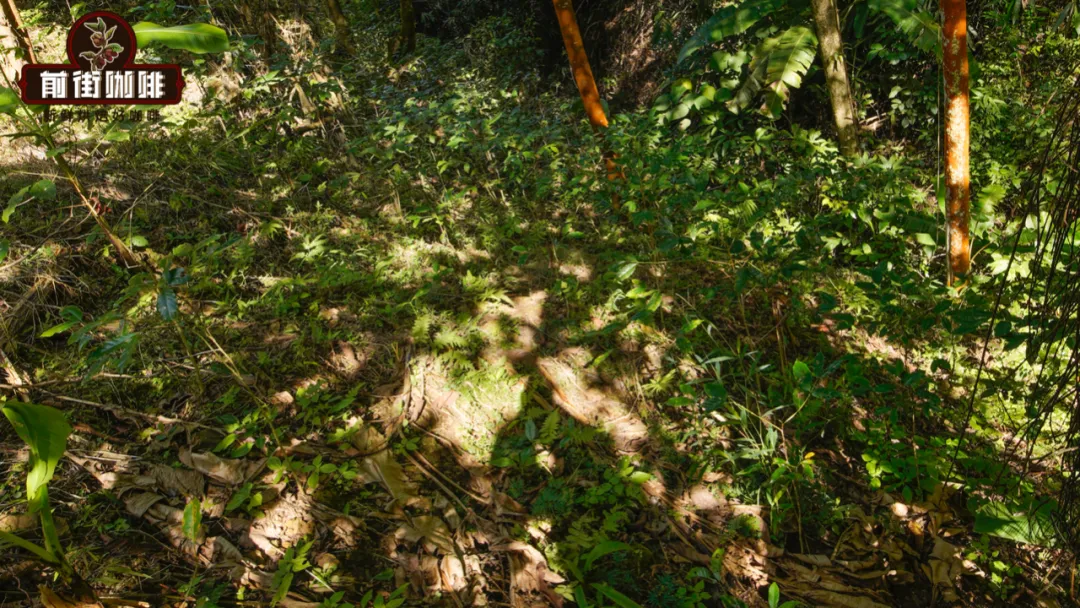
It is worth noting that coffee trees are quite picky about their growing environment. They like a warm and humid climate without frost, with altitudes generally between 800 and 2,000 meters being most suitable, and they also need appropriate shade and well-drained soil. Therefore, not all places are suitable for growing coffee. Even in suitable regions, the microclimate of different plots will affect the final yield and quality.
In general, a coffee tree bears fruit only once a year, the yield of a single tree is limited, and the total output of one mu of land is about 30 to 50 kilograms of green beans. To rely on self-cultivation to meet daily drinking needs, at least several dozen trees and several years of waiting are required. Although this path is not easy, for people who love coffee, watching the seedlings you planted yourself bloom and bear fruit, then processing and roasting them with your own hands—that sense of achievement and flavor experience may be far more satisfying than the yield numbers. Front Street will also continue to explore the path of cultivation and processing, sharing more stories from the source with everyone.
The above content is compiled by CoffeeHunters, a coffee news website.


