







Search Results for: coffee brewing time
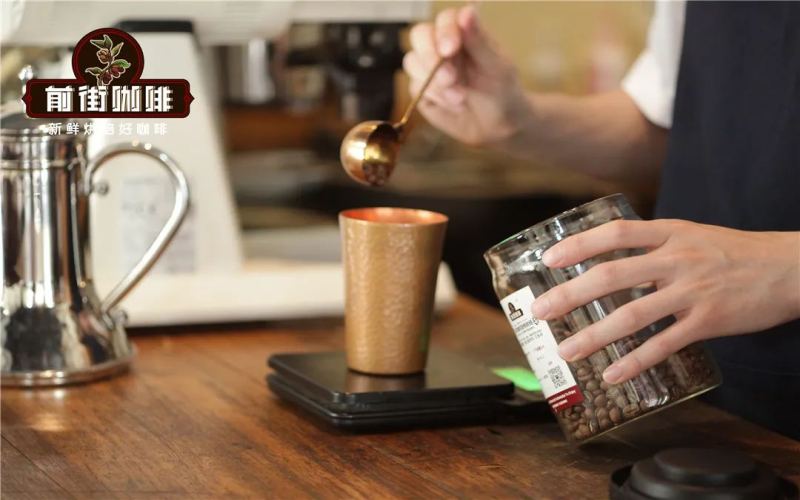
Brewing Time | The Impact of Pour-Over Coffee Brewing Time on Extraction Flavor: When Does Brewing Time Start Counting?
There are many important parameters in coffee brewing. If you want to enjoy a delicious cup of coffee, you need to precisely control the brewing parameters and follow them as closely as possible during brewing, so that you can have a high probability of getting a tasty cup of coffee. Among these, brewing time is crucial for pour-over coffee. Regarding the coffee dose, [more…]
A Complete Analysis of Pour-Over Coffee Brewing Time: Extraction Logic from Dripper Structure to Pouring Technique and a 2-Minute Standard Recipe
How long exactly should the brew time for pour-over coffee be controlled to? This question seems simple, but in reality it involves the combined effects of multiple variables such as the structure of the dripper, the dose of coffee, the pouring speed, and the grind size. Brew time is essentially the duration of contact between coffee grounds and water, which directly determines the degree to which flavor compounds are dissolved. This article will start from the principles of extraction, analyze one by one the various factors that affect brew time, and share a basic brewing recipe commonly used in Front Street Coffee stores—15 grams of coffee, a 1:15 coffee-to-water ratio, a V60 dripper, three-stage pouring, with a total time of about 2 minutes—suitable for beginners new to pour-over to imitate and practice. [more…]
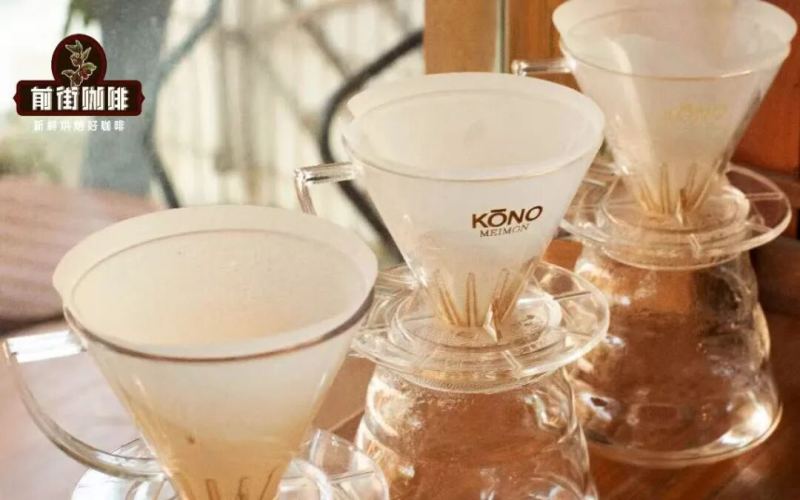
Coffee Brewing Time | Why Do You Need to Time Your Pour-Over Coffee? What Factors Affect the Extraction Time When Brewing Coffee?
When brewing the vast majority of coffees, we always casually press the timer function that comes with the scale to start counting time—this is something that seasoned baristas have emphasized since the very beginning. But for some friends, this behavior is incomprehensible, because they believe that recording time has no effect on the coffee. [more…]
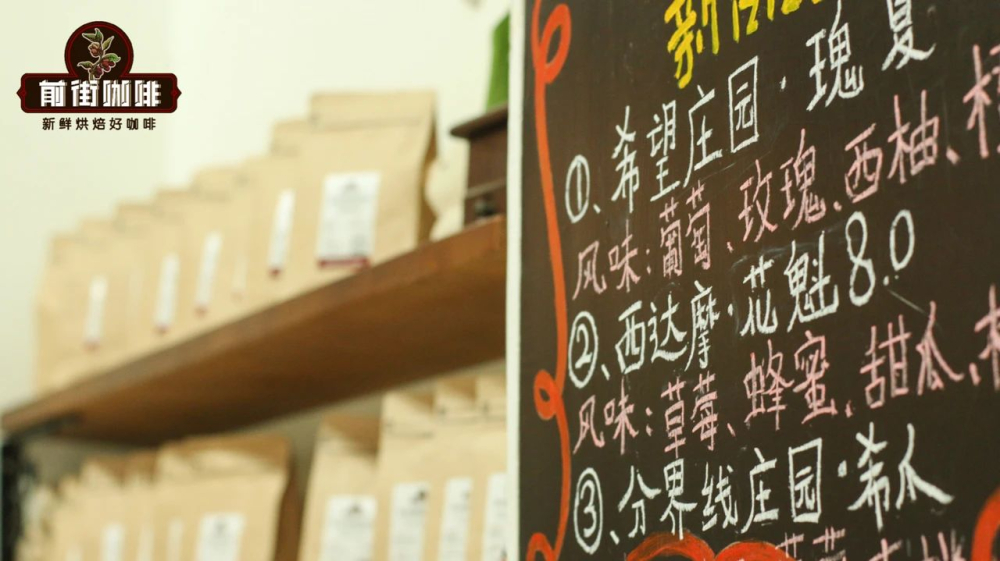
Pour-over Coffee Brewing Extraction Time | Pour-over Coffee Steps, Ratios, and Pouring Techniques
For more specialty coffee knowledge, please follow our WeChat official account: Front Street Coffee (FrontStreet Coffee). Pour-over coffee has become deeply loved by enthusiasts with the development of the third wave of specialty coffee. Many enthusiasts enjoy brewing pour-over coffee at home. Is pour-over coffee difficult? Actually, to [more…]
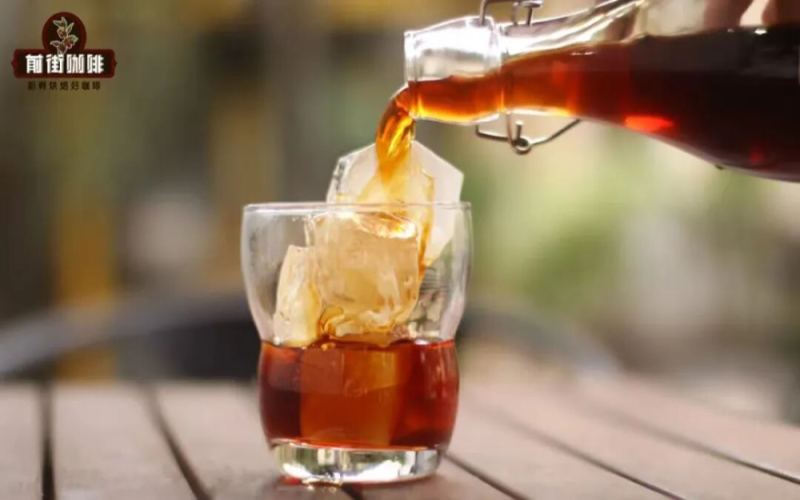
Cold Brew Coffee | How to Make Super Sweet Cold Brew Coffee in a Short Time? What Is the Flavor Difference Between Pressure Cold Brew and Immersion Cold Brew?
Cold brew coffee, put simply, is coffee extracted with cold water. Because it is very easy to make and has outstanding flavor and mouthfeel, cold brew coffee has always been a favorite that most people keep on hand at home. But cold brew coffee is not without its drawbacks; for example, the long time required to make it is [more…]
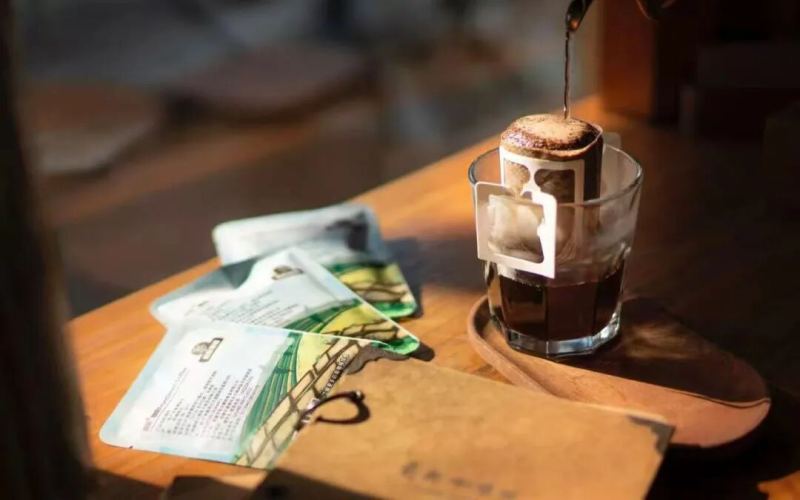
Drip Bag Coffee | What Are the Ideal Water Temperature, Water Amount, and Brewing Time for Brewing Drip Bag Coffee? How Can You Brew Drip Bag Coffee to Taste as Good as Hand-Brewed Coffee?
If we don't want to go through overly complicated coffee-making steps but still want to enjoy the taste of freshly brewed coffee, then drip bag coffee is definitely the most suitable choice. Making drip bag coffee is very simple—no need to grind beans, no need for professional brewing equipment. All we need is a cup and any pouring kettle, and we can [more…]
Brewing Time | How Long Does It Take to Make a Pour-Over Coffee? Does a Longer Coffee Extraction Time Make Pour-Over Coffee Taste Better?
Many people, when preparing instant noodles, strictly follow the "scientific instant noodle method," using a stopwatch to steep the noodles in 100°C boiling water for exactly 3 minutes, all to achieve the best possible texture. Similarly, when brewing coffee, we also time it precisely, with the same goal: to consistently brew a delicious cup of coffee. [more…]
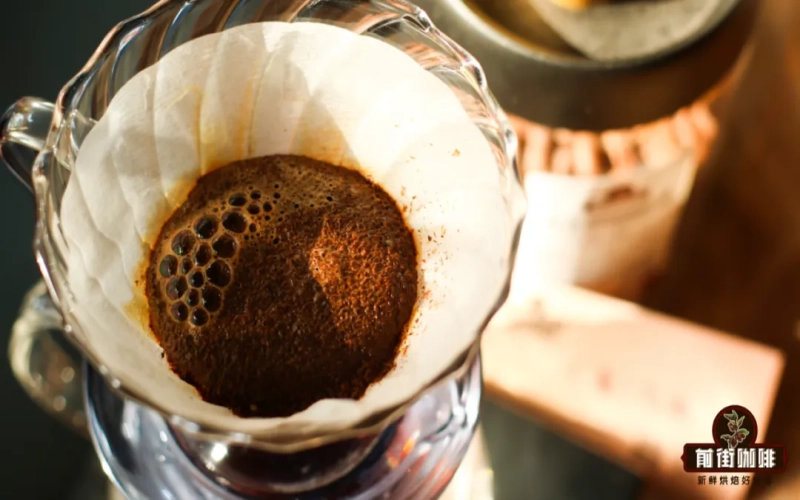
How to Control Pour-Over Coffee Extraction Time? Is 2 Minutes the Golden Standard and How to Respond to Over-Extraction
The brewing duration of pour-over coffee has always been a focal point for enthusiasts: what should you do if the coffee hasn't finished draining after 2 minutes? How long is considered normal for brewing? Starting from Front Street's brewing practice, this article analyzes the impact of time on extraction, explains why 2 minutes is often regarded as a reference standard, and also points out that time is not the only variable. Using light-roasted Huakui and Guodingding as examples, it demonstrates how to match different bean conditions by adjusting water temperature, grind size, dripper, or staged extraction, helping readers understand the importance of parameter coordination rather than obsessing over a single time metric. [more…]
Cold Brew Coffee Complete Guide: A Practical Guide from Coffee-to-Water Ratio and Grind Size to Extraction Time
On a scorching summer day, a refreshing glass of cold brew coffee always perks you right up. Compared with pour-over, cold brew has a much lower barrier to entry—just master a few key parameters like the coffee-to-water ratio, grind size, and steeping time, and you can easily make a rich, smooth iced coffee at home. In this article, Front Street Coffee will walk you through the complete cold brew process in detail, including how to choose the coffee-to-water ratio, how to control grind size, the relationship between water temperature and extraction time, and storage tips after filtering. We'll also analyze the flavor differences between cold brew and hot extraction to help you understand why cold brew tastes less acidic and astringent and feels smoother on the palate. Whether you're a beginner just getting into cold brew or a seasoned brewer looking to fine-tune your parameters, you'll find practical references here. [more…]
Cold Brew Coffee Bean Selection Guide: Single-Origin Coffee Recommendations for Cold Brewing, Coffee-to-Water Ratio, Steeping Time, and Flavor Analysis
On a scorching summer day, a refreshing glass of iced coffee never fails to perk you up. Cold brew coffee has a low barrier to entry—simply combine coffee grounds with cold water, seal and refrigerate, and leave the rest to time to complete the extraction. This article centers on cold brew coffee, first tracing its origins and basic principles, then sharing Front Street Coffee's hands-on experience with grind size, extraction time, and water, and explaining how cold brew and hot brew differ in flavor expression. Finally, following three styles—fresh floral, citrus and berry, and subtle honeyed sweetness—it recommends Front Street Coffee beans suited to making cold brew, helping you easily craft a layered, smooth, low-bitterness iced coffee at home. [more…]

Cold Brew Coffee Grind Size | Does Cold Brew Steeping Time Affect Coffee Flavor? What's the Right Cold Brew Coffee Water-to-Coffee Ratio?
For more specialty coffee knowledge, please follow our WeChat public account: Front Street Coffee (FrontStreet Coffee). Front Street believes that cold brew coffee is the most suitable type of iced coffee to make at home, because its extraction is highly forgiving—even without professional equipment, you can still make a decent iced coffee. Plus, the most [more…]
How to Speed Up Cold Brew Extraction? Can an Espresso Machine Make Cold Brew? Cold Brew Coffee Shelf Life Explained
Cold brew coffee typically requires a steeping time of more than 8 hours, followed by a period of maturation to reveal its full flavor. But many coffee enthusiasts want to shorten the waiting time, so some bloggers have shared a method for "making high-sweetness cold brew in one minute"—using a hand press or espresso machine to extract with cold water at 9 bar of pressure. Front Street Coffee has also experimented with ice-water extraction, and the result was a cup of cold brew that looked decent in just a few minutes, but tasted like little more than coffee-flavored water, with a mouthfeel and strength far inferior to the long-steeped version. This article analyzes in detail the principles and limitations of rapid cold brew, explains why flavor compounds cannot be fully dissolved at low temperatures even under pressure, and offers a more feasible way to shorten the time: appropriately raising the initial steeping water temperature. It also answers common questions such as how long cold brew coffee can be stored. [more…]
How to Control the Extraction Time of Pour-Over Coffee? The Combined Effects of Dripper Structure, Coffee Dose, and Pouring Speed on Flow Rate and Flavor
The extraction time of pour-over coffee directly affects the final flavor strength and mouthfeel. This article breaks down how four dimensions—dripper structure, coffee dose, pouring speed, and grind size—influence the contact time between coffee grounds and water, and in turn change the coffee's layering and body. Using 15 grams of coffee, a 1:15 coffee-to-water ratio, and a V60 or KONO dripper as an example, a Front Street Coffee barista shares a 2-minute brewing recipe suitable for beginners, helping enthusiasts consistently recreate café flavors at home while understanding the logic behind different combinations such as fast brewing with a fine grind and slow brewing with a coarse grind. [more…]
The Complete Guide to Cold Brew Coffee: How Grind Size, Coffee-to-Water Ratio, and Steeping Time Affect Flavor
On a sweltering summer day, a glass of refreshingly cool cold brew coffee becomes the top choice for many office workers. Compared with pour-over coffee, cold brew has a lower barrier to entry—simply grind the beans and soak them the night before, refrigerate overnight, and the next morning you can enjoy a rich, full-bodied glass of iced coffee. However, to make a delicious cold brew, the coffee-to-water ratio, grind size, extraction temperature, and time are all indispensable parameters. Front Street Coffee, using 50 grams of ground coffee as the baseline, has summarized a simple and easy-to-follow cold brew method and offers concentration adjustment suggestions for different drinking scenarios. This article will break down in detail the key points of making cold brew, the causes of its flavor, and storage methods, helping coffee enthusiasts easily recreate at home a cup of cold brew with distinct layers and a pronounced sweet aftertaste. [more…]

Why Does Cold Brew Coffee Taste Bitter and Astringent? Four Common Mistakes and a Detailed Guide to Steeping Time Parameters
Cold brew coffee is made by steeping coffee grounds in cold water for a long time. Because low-temperature extraction has a high tolerance for error, it usually does not over-extract easily. But in practice, many people still end up with cold brew that has obvious bitterness, muddled flavors, and astringency. The problem often lies in four areas: using hot water for blooming or warm water for steeping, choosing dark-roast beans, steeping for too long, and using too large a coffee-to-water ratio, which leads to too high a concentration. In this article, Front Street breaks down the extraction principles behind these improper practices one by one, and gives specific recommendations for regular water temperature, grind size, coffee-to-water ratio, and steeping time, while also explaining what scenarios the 1:10 and 1:12 ratios are suitable for. If your cold brew also tastes bitter, you may want to troubleshoot by comparing it against these points. Once you find the root cause, you can consistently make a smooth cup of cold brew coffee. [more…]
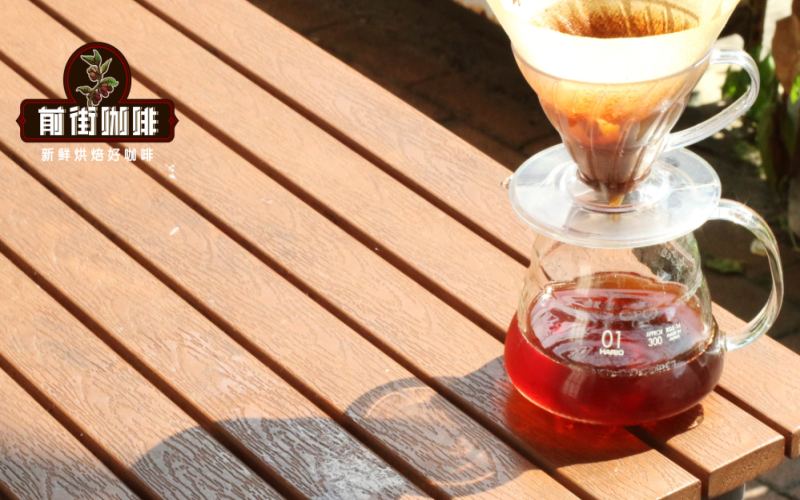
The Complete Guide to Cold Brew Coffee: A Detailed Explanation of the Three Key Parameters—Grind Ratio and Steeping Time
Cold brew coffee, with its light body and sweet-tart flavor profile from low-temperature extraction, has become a favorite among many coffee lovers. Making cold brew isn't complicated—all you need is ground coffee, water, an airtight container, and a refrigerator. But to brew the ideal cup, three parameters must be precisely controlled: grind size, coffee-to-water ratio, and steeping time. This article will systematically explain the principles and practical steps of making cold brew, and using Front Street Mozart coffee beans as an example, provide a complete parameter plan and workflow to help you easily make a cup of cold brew full of juicy fruitiness at home. [more…]
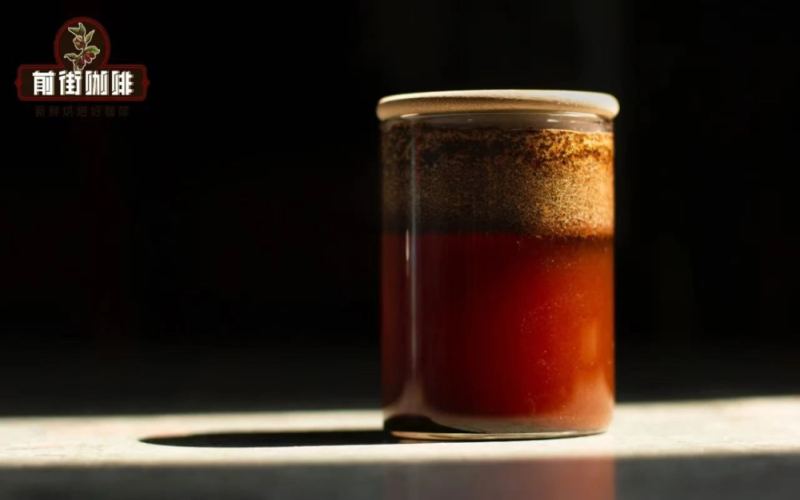
How long should cold brew coffee steep for the best flavor? Pairing grind size with extraction time
Cold brew coffee is an ideal choice for making iced coffee at home, with a high extraction fault tolerance, allowing you to achieve decent flavor performance without professional equipment. But how should grind size and steeping time be paired, what range should the coffee-to-water ratio be controlled within, and how will the flavor differ at different time points? Based on Front Street's practical experience, this article sorts out the complete logic for making cold brew coffee: the recommended coffee-to-water ratio is 1:12 to 1:13, the grind size references pour-over coarseness (70-85% passing rate through a No. 20 sieve), and the steeping time should be controlled between 8 and 24 hours. At the same time, it provides two practical approaches—coarse grind with a long time, and medium-fine grind with a medium-long time—along with the complete cold brew making steps and Front Street bean recommendations. [more…]
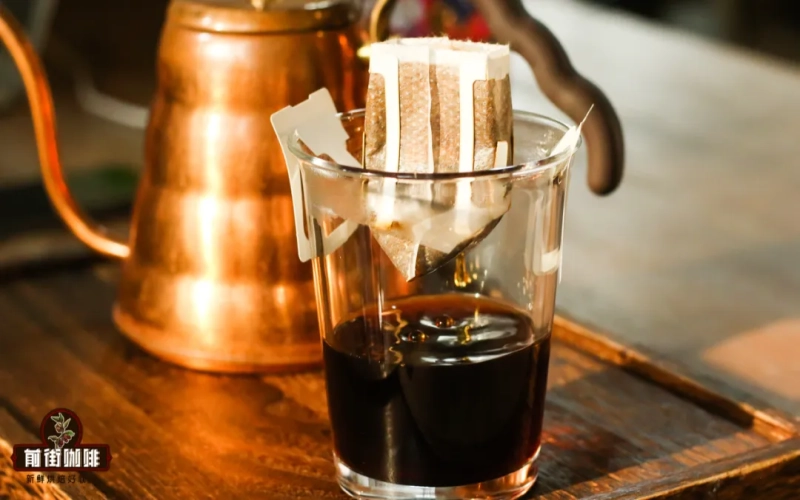
How to brew drip bag coffee for the best taste? A detailed explanation of the three key points—water temperature, amount of water, and time—plus Front Street flavor drip bag recommendations.
Drip bag coffee, with its convenient advantages of requiring no grinding and no professional equipment, has become the go-to staple for many people during business trips, office work, and travel. However, quite a few friends report that the drip bag coffee they brew themselves turns out either bland and tasteless or sharply sour and bitter—the problem often lies in three key parameters: water temperature, amount of water poured, and brewing time. This article begins with an introduction to the flavors of Front Street Coffee's classic five-origin drip bag coffee, then systematically explains the suitable water temperature ranges for light-roast and dark-roast drip bags respectively, the selection of coffee-to-water ratios and visual measurement techniques, and how to control the extraction time to around two minutes through staged pouring, helping you brew a delicious cup of drip bag coffee that rivals pour-over in the simplest way possible. [more…]
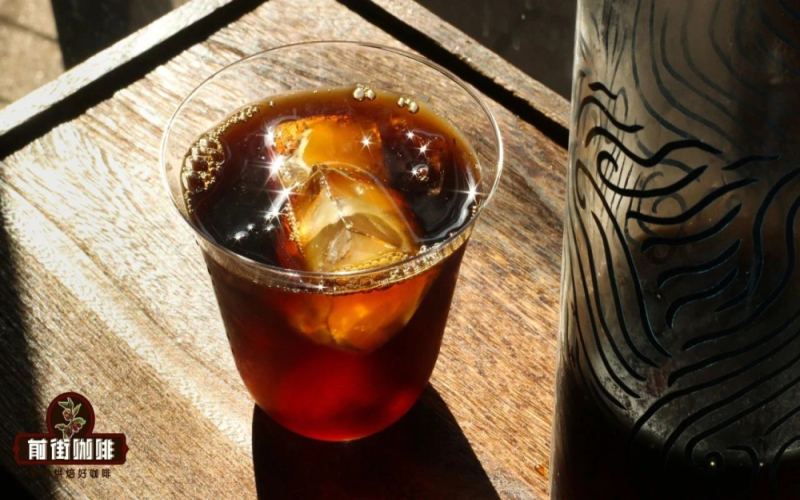
Cold Brew Coffee Steeping Time Fully Explained: From 8 to 18 Hours, Can It Be Stored Overnight After Filtering?
Cold brew coffee, with its low-temperature steeping and simple operation, has become a popular choice for making iced coffee at home. But steeping times range from 8 to 18 hours—so how long is best for optimal flavor? Can filtered cold brew be left overnight? Starting from Front Street Coffee's own testing, this article uses four comparison experiments with different steeping durations to reveal how time affects cold brew flavor, offers two practical timing plans for everyday scenarios, and shares how refrigerating after filtering improves the flavor, helping you easily make a balanced, full-bodied iced coffee at home. [more…]
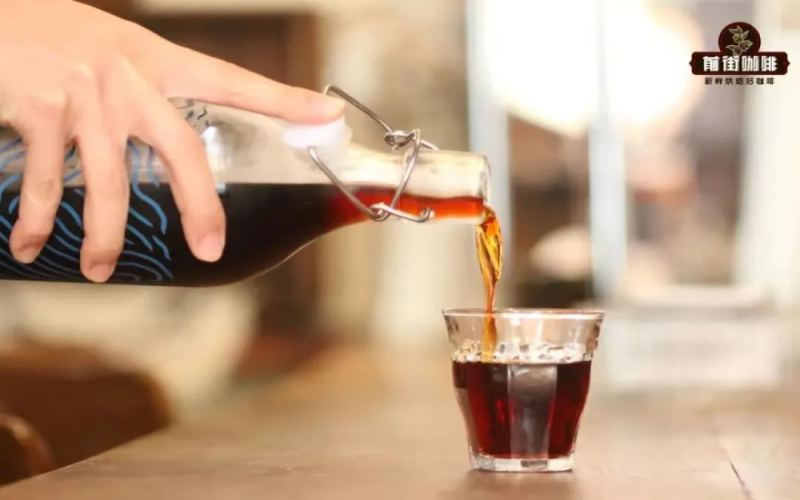
How to Determine the Water-to-Coffee Ratio and Grind Size for Cold Brew Coffee? A Complete Guide to Cold Brew Steeping Time and Coffee Bean Selection
To make a delicious cold brew coffee at home, the key is to master a few parameters: grind size, coffee-to-water ratio, and steeping time. Cold brew coffee is different from regular hot water brewing—it relies on long steeping or dripping with cold water to extract the coffee liquid. Common forms include cold steep and ice drip. Because extraction efficiency is low at low temperatures, the production time usually takes 6 to 8 hours or even longer, but in return you get a richer flavor and a fuller body. Refrigerated storage generally keeps it good for 3 to 5 days. This article covers cold brew coffee equipment selection, grind coarseness, water-to-coffee ratio, steeping time, and suitable coffee beans, and compiles several single-origin beans recommended by Front Street Coffee to help you make a cold brew coffee that is refreshing or has a prominent fermented note, according to your taste preference. [more…]