








For more coffee origin information and coffee knowledge, please followCoffeeHuntersToutiao account
Front Street believes that cold brew coffee is the most suitable type of iced coffee to make at home, because its extraction compatibility is very high, and even without professional equipment, you can still make a decent iced coffee. Recently, a friend asked Front Street about grind size and steeping time, so today is a good time to talk about it.
Although this friend did not ask about the ratio, the various parameters in any extraction plan are interrelated, so it is still necessary for Front Street to mention the ratio. Front Street recommends a coffee-to-water ratio of 1:12 to 1:13 for making cold brew coffee. In Front Street's tests, ratios higher than 1:13 made some coffee beans taste relatively weak and flat. Ratios lower than 1:12 made the coffee somewhat strong and hard to drink.
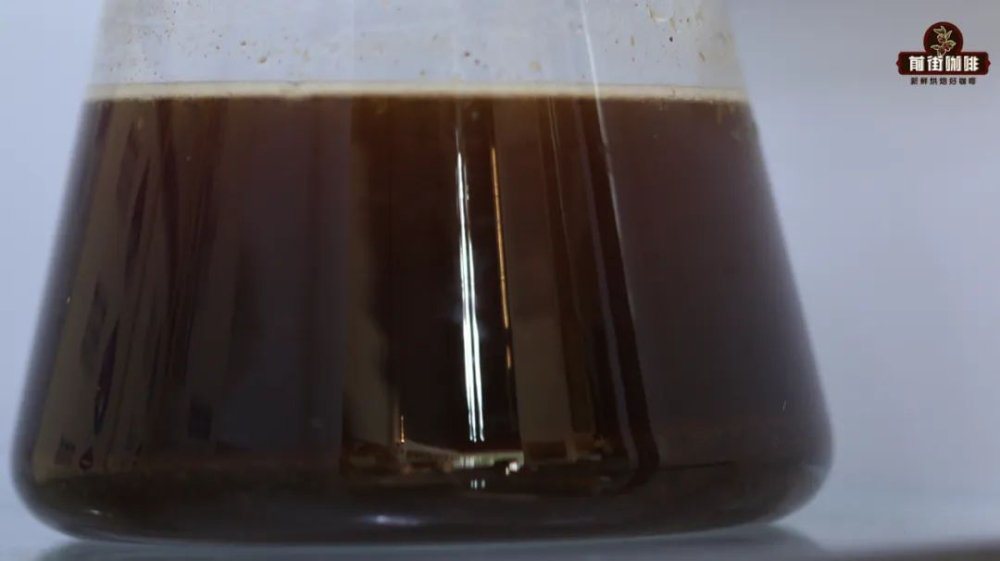
Next, Front Street will talk about how to choose the grind size and time for cold brew coffee. At this point, it is necessary to discuss the extraction principle of cold brew coffee. Cold brew coffee is essentially an immersion type, which means that the time parameter is something we can control ourselves (steep it as long as we want, and end it whenever we want).
But cold brew has another characteristic: low-temperature extraction, which means the extraction temperature is a set constant. Whether we want the cold brew coffee to be more refreshingly acidic or fuller-bodied depends on the two parameters of grind size and time. Compared with many other variable factors, cold brew coffee is the simplest and most user-friendly extraction method.
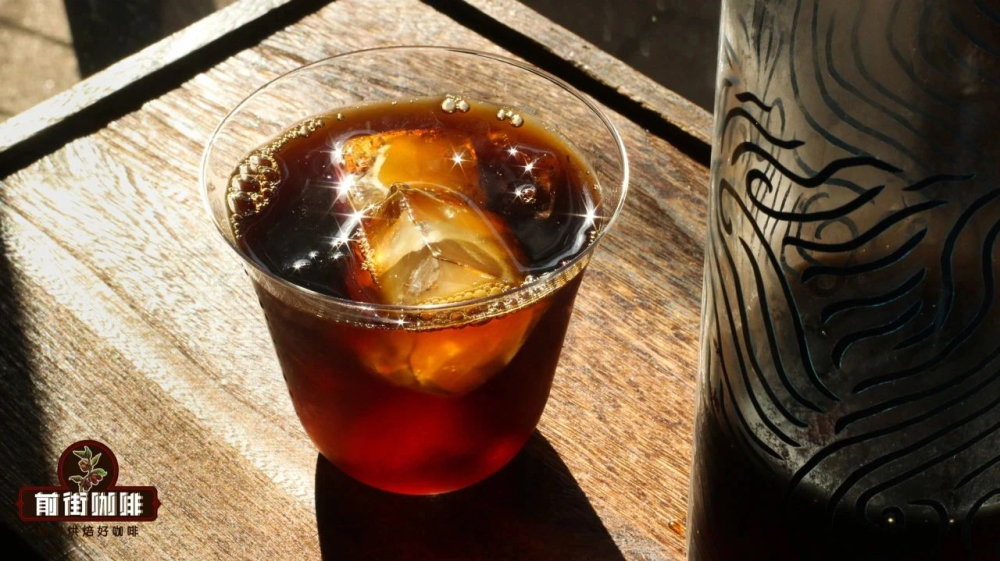
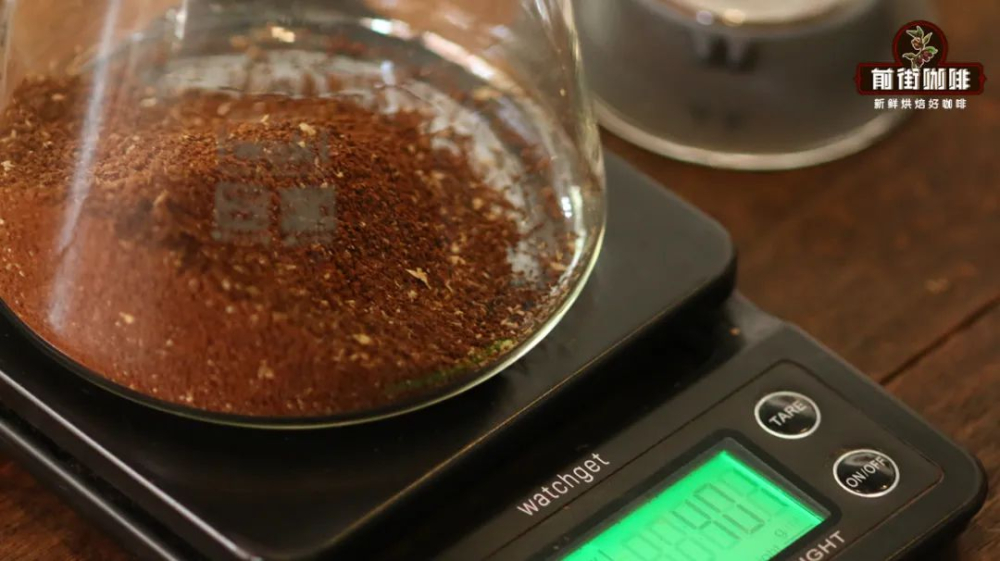
In terms of grind coarseness, it is easy to understand that the finer the coffee is ground, the faster it releases flavor (coffee substances are released more quickly), and the coarser it is ground, the more slowly the coffee grounds release substances. However, Front Street should remind you here that because cold brew coffee is a long static extraction, if the coffee is too fine, these coffee grounds will clump together and stick together, making it even harder for cold water to extract the coffee substances.
Therefore, coffee grounds that are too fine are not suitable for making cold brew coffee. After many tests, Front Street found that a coarseness similar to pour-over grind size (if expressed using a No. 20 sieve, a passing rate of 70-85%) can all be used to make cold brew coffee.

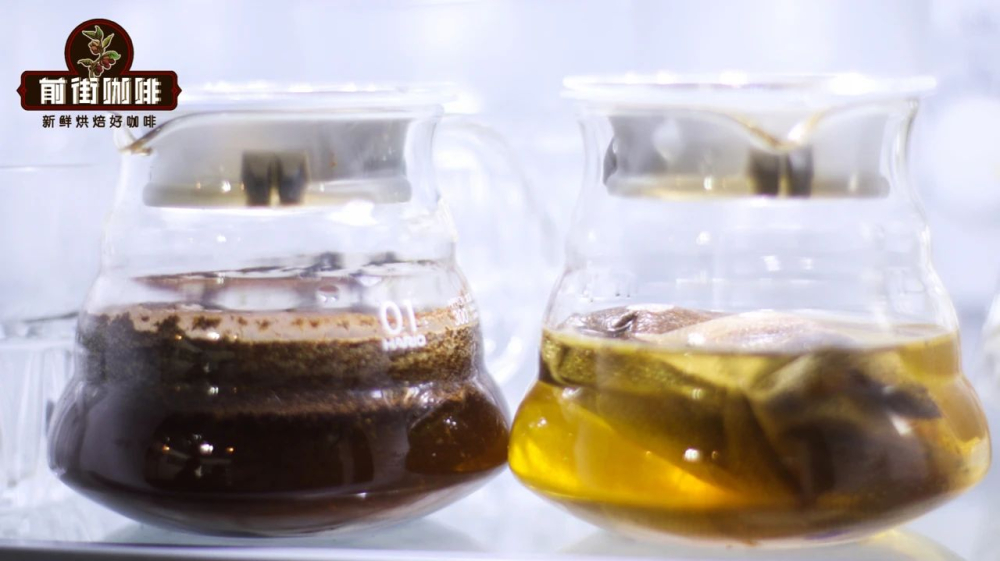
At 8 hours of steeping, the coffee's flavor will be bright in acidity and refreshing.
At 16 hours of steeping, the coffee's flavor will be rounder and fuller, with plenty of sweetness and acidity.

The safe approach is coarse grind with a long extraction time. This is a must-have for lazy people. For example, if you are free at this time today, then you will most likely also be free at this time tomorrow. This saves you from calculating time (and from forgetting that you made cold brew in the first place).
The time-saving approach is medium-fine grind with a medium-to-long time. This can shorten the time accordingly, and reducing the extraction time will also make the coffee taste more refreshing.
Finally, Front Street will talk about Front Street's cold brew coffee making method!
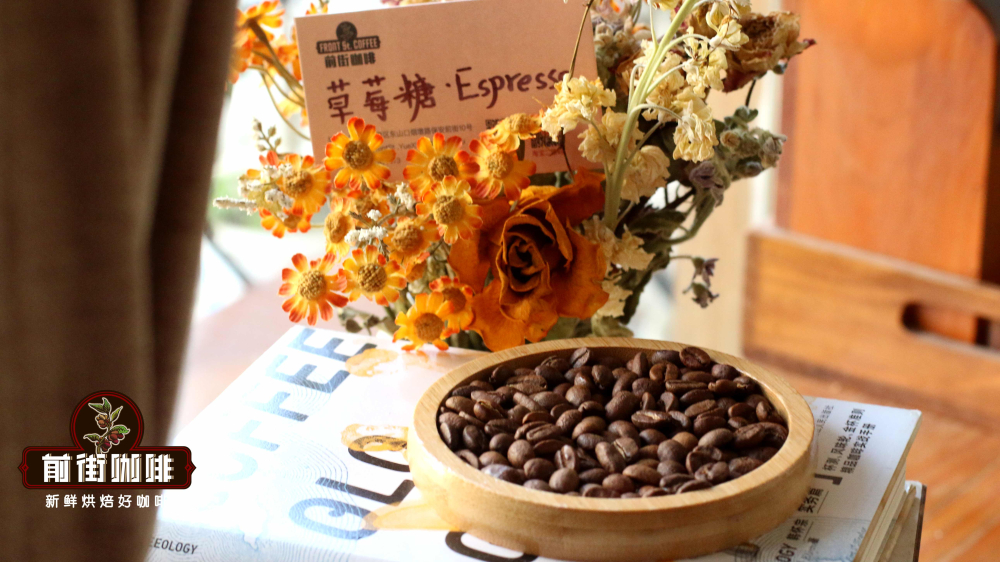
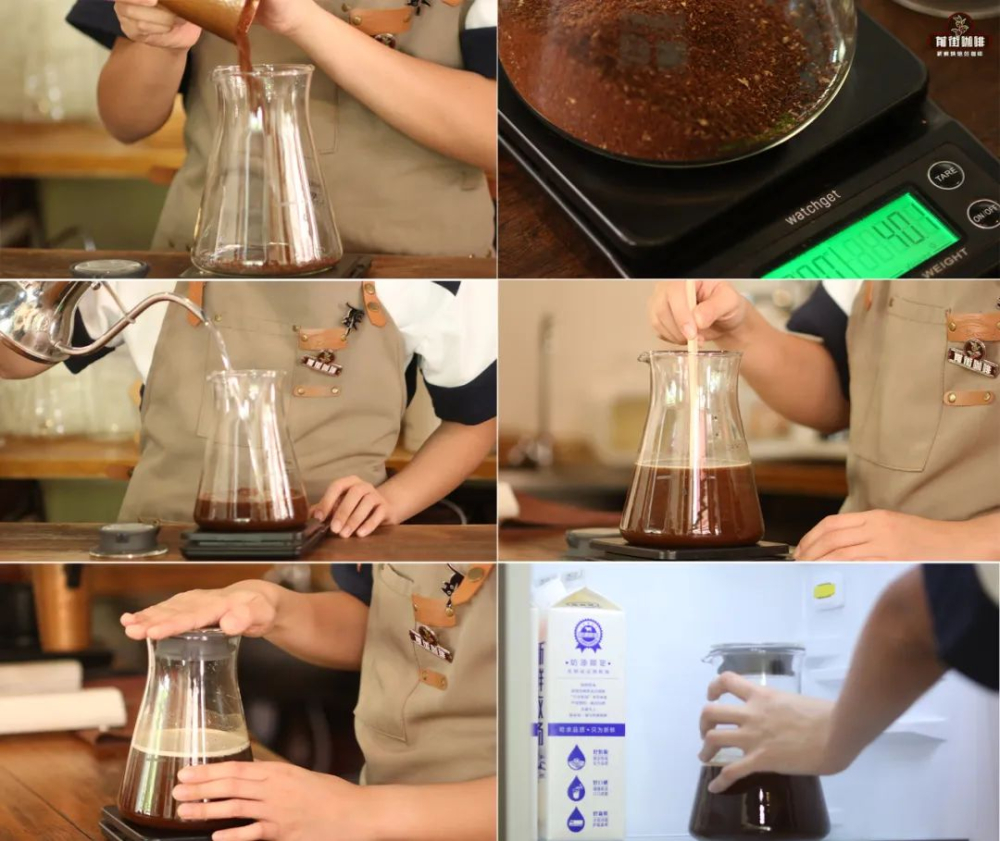
First, for coffee beans, Front Street tends to use light to medium roast coffee beans. Here, the full-bodied fruity Front Street Strawberry Candy coffee beans are used. For the container, all you need is a clean sealable container. Prepare 40 grams of coffee grounds, grind them fine (No. 20 sieve passing rate 85%), pour them into the container, then pour in 480 milliliters of cold water, stir evenly with a wooden stick, and cover with the lid.
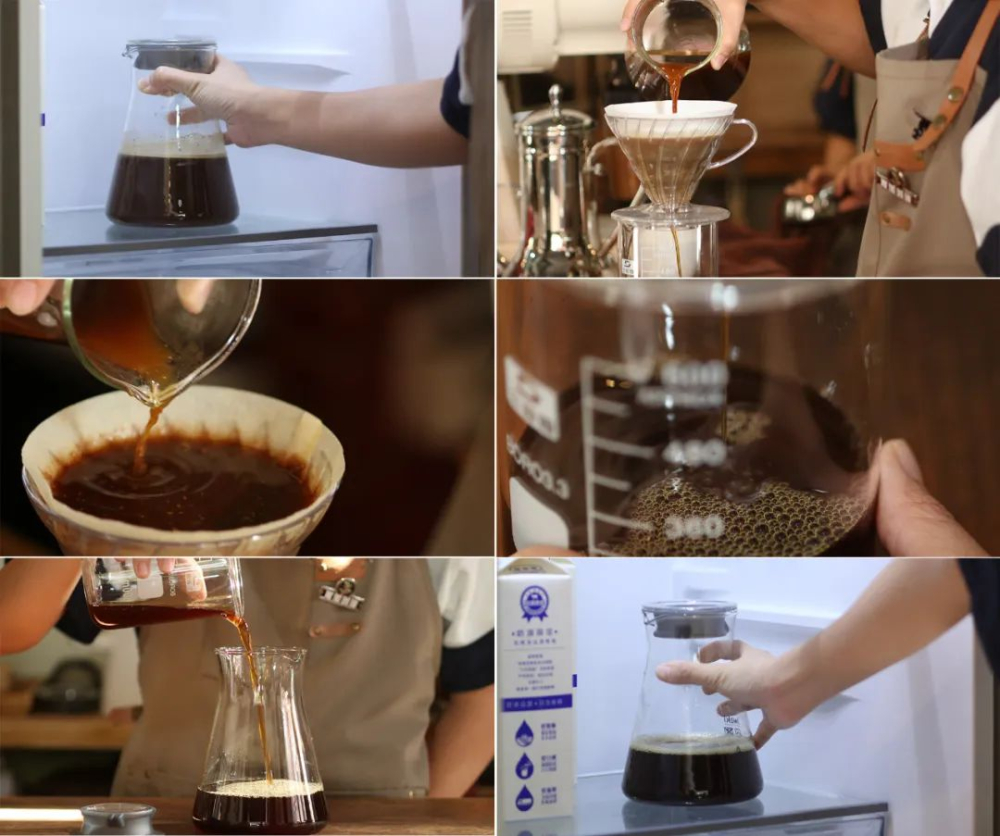
After refrigerating in the fridge for 12 hours, take it out and filter out the grounds. The coffee liquid after filtering out the coffee grounds can be drunk immediately, or the filtered coffee liquid can be put into a bottle and continue to be refrigerated for 4 hours, which will give an even better flavor and mouthfeel.
The Strawberry Candy cold brew made this way has a moderate balance of sweetness and acidity, with a soft aroma of berries and roses when drunk, an orange-like taste filling the mouth, and after swallowing, it is accompanied by the round sweetness of almonds and candied fruit.
The above content is compiled by CoffeeHunters, a coffee news website.


