







Search Results for: coffee berry borer
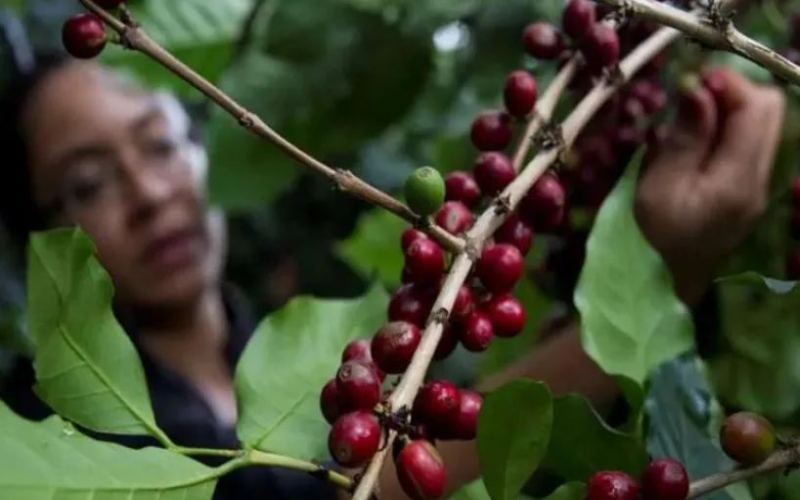
Drought and Coffee Berry Borer Deal a Double Blow, Honduras Coffee Production Under Pressure in the New Crop Season
The Honduran coffee industry is facing severe challenges. According to Napoleón Matute, manager of the country's coffee institute (IHCAFE), the drought triggered by El Niño has caused nationwide rainfall to plunge by 40 percent compared with the same period last year, seriously threatening the coffee flowering period and hindering fruit development. At the same time, the coffee berry borer is spreading unchecked across plantations. This pest, reputed to be the most destructive coffee pest in the world, bores into the fruit, reducing both yield and quality. Under the combined effect of drought and pest infestation, Honduran coffee may suffer a double blow in the next harvest season. Matute called on growers to strengthen crop monitoring, and IHCAFE will continue to track the disaster. Although the extent of the yield reduction has not yet been quantified, the losses are expected to be considerable. [more…]
Why Is Liberica Coffee So Rare? Characteristics, History, and Pour-Over Flavor Analysis of the Large-Bean Coffee
Among the three major coffee varieties, Arabica and Robusta dominate the mainstream trading market, while the large-beaned Liberica accounts for only about 1% of global economically cultivated coffee production, making it quite rare. This time, Front Street Coffee (FrontStreet Coffee) will introduce Liberica: its plant morphology, fruit characteristics, disease-resistant advantages, and why it is more labor-intensive in post-processing. The article will also sort through its semi-wild cultivation history in Borneo, as well as its appearance and award-winning experience at the 2018 Stuttgart Coffee Summit in Germany. Finally, it will include Front Street's sun-dried Liberica hand-brewing parameters and flavor description to help you fully understand this niche coffee variety. [more…]
Criteria for Identifying High-Quality Green Coffee Beans and an Analysis of Guatemala New Oriental Winey Natural Beans
What makes a coffee green bean truly high quality? From surface luster and color uniformity to bean-size consistency, every detail affects the flavor in the final cup. And the presence of defective beans is an invisible killer of both roasting and tasting. This article will guide you through practical methods for assessing green bean quality, and take you deep into Guatemala's New Oriente region to discover the Guava Plains Estate winey natural coffee beans recommended by Front Street Coffee—SL28 variety at 1,675 meters, processed via winey natural method, presenting the alluring flavors of pineapple, dried apricot and red wine. At the same time, we will also review the evolution of Guatemala's coffee industry, and see how international green bean traders work with local estates to break the vicious cycle of the traditional supply chain. [more…]
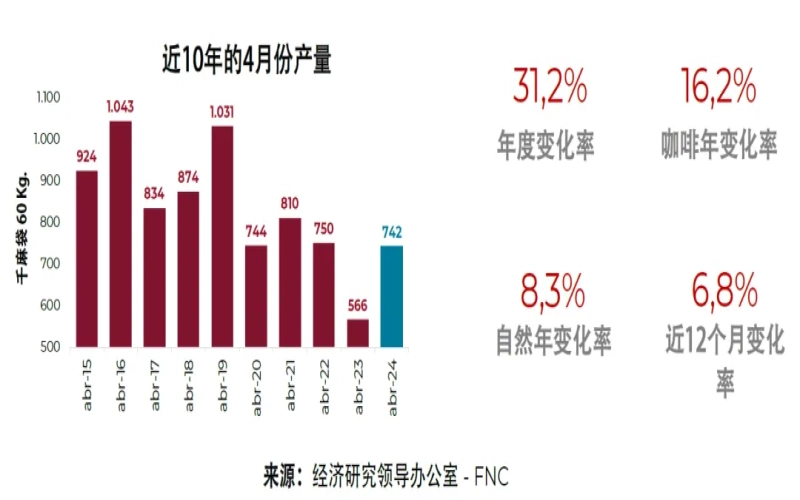
Turmoil in Colombian coffee regions escalates, yet 2024/25 output is still expected to climb to 12.4 million bags
The latest report from the National Federation of Coffee Growers of Colombia (FNC) shows that the country's coffee production reached 742,000 bags in April, an increase of more than 30% year-on-year, though down from March. Despite favorable weather that helped flowering, coffee farmers still face multiple challenges, including aging trees, frequent pest outbreaks and fluctuations in international prices. At the same time, escalating violence by anti-government armed groups in Cauca province has brought uncertainty to this important producing region. Colombia's coffee production for the 2024/25 season is expected to reach 12.4 million bags, with exports also expected to rebound. This article will analyze key points including production, exports, planting structure and policy support, and will also examine the potential impact of the security situation in producing regions on the coffee industry. [more…]
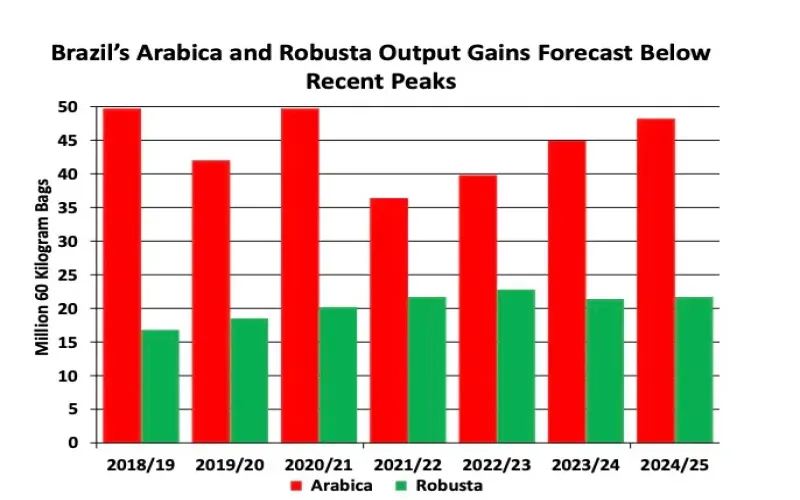
Latest USDA Report: Global Coffee Production Expected to Rebound to 176.2 Million Bags in 2024/25
The United States Department of Agriculture recently released its Coffee: World Markets and Trade report, forecasting global coffee production and consumption trends for the 2024/25 marketing year. The report indicates that, driven by the continued recovery of Brazil's coffee production and a rebound in Indonesia's output, global coffee production is expected to increase by 7.1 million bags from the previous year to 176.2 million bags. Higher supply will also push global coffee exports up by 3.6 million bags to 123.1 million bags. By region, Brazil is set to see significant production gains, Colombia will see a slight recovery though pest concerns loom, Central America will remain broadly flat, and Indonesia's higher robusta output will prove insufficient to offset Vietnam's decline. Although Vietnam's production is unchanged, rising domestic consumption and drought impacts have led to a downward revision of its export forecast. The detailed contents of the report follow. [more…]
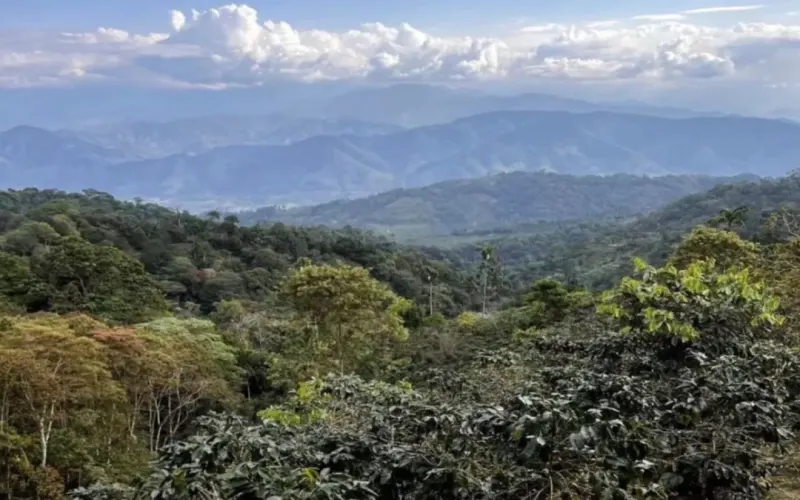
Peruvian coffee industry shakes off El Niño shadow, 2024/25 production and exports expected to rise together
The latest report from the United States Department of Agriculture shows that Peru's coffee industry is gradually emerging from the shadow of El Niño. After facing severe challenges in the first quarter of the 2023/24 fiscal year, production has recovered to 3.95 million bags, achieving a 9% year-on-year increase. Looking ahead to the 2024/25 marketing year, Peru's coffee production and exports are expected to rise by 7% and 6% respectively, reaching 4.22 million bags and 4.07 million bags. International coffee prices remain elevated, encouraging coffee farmers to increase investment in cultivation and fertilizers, injecting momentum into the industry's recovery. Meanwhile, cooperation between Peru and China on the Chancay Port project has made new progress, creating favorable conditions for increased exports of coffee and other agricultural products to China in the future. Front Street Coffee will continue to monitor the origin dynamics and flavor performance of Peruvian coffee. [more…]
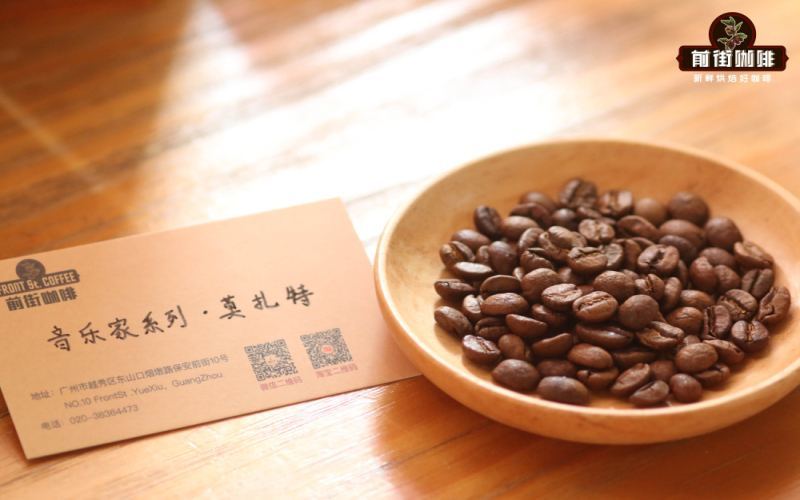
Costa Rican Coffee Bean Regions, Varieties, and Flavor Characteristics: Eight Major Producing Areas Including Tarrazú and Front Street Recommendations
Costa Rican coffee has long been renowned for its rich body and bright acidity, making it one of the representatives of high-altitude specialty Arabica. This article systematically reviews the country's main producing regions—Tarrazú, Monte Criso, Alajuela, Cartago, Heredia, and Tres Ríos—and introduces cultivars such as Typica, Caturra, Catuai, Villa Sarchi, Bourbon, and Gesha, as well as washed and drum-dried processing methods. The article also includes purchasing suggestions for Front Street Mozart, Front Street Strawberry Candy, and Front Street Tarrazú, helping coffee enthusiasts gain a comprehensive understanding of the flavor characteristics of Costa Rican coffee and how to choose it. [more…]
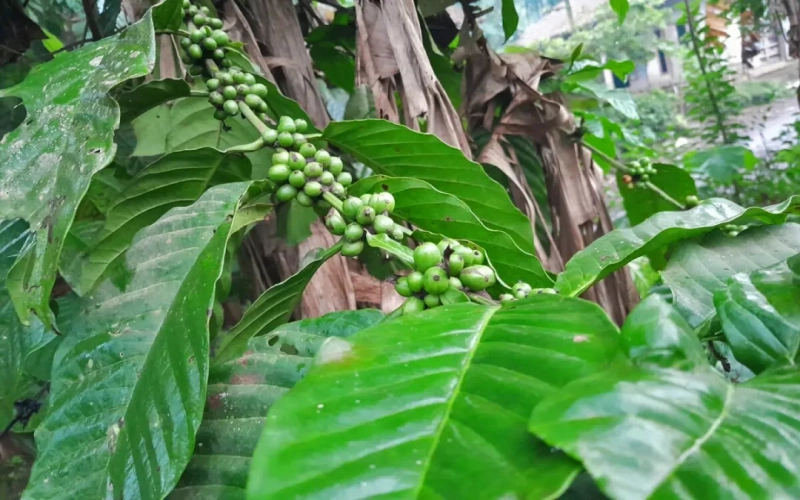
Exploring the Relationship Between Canephora and Robusta: From Botanical Definitions to the Path of Specialty Exploration
The coffee world boasts a vast array of varieties, yet only two core species truly dominate global consumption—Coffea arabica and Coffea canephora. Many enthusiasts hold偏见 against Robusta, believing it suitable only for instant coffee or cheap blends, while rarely understanding its botanical characteristics and quality potential. This article begins with the definition of Coffea canephora, clarifies its equivalence with Robusta, compares Arabica and Robusta in terms of growing conditions, flavor profiles, and resistance to pests and diseases, and through practical cases from London's Black Sheep Coffee and India's Sethuraman Estate, explores how specialty-grade Robusta can break stereotypes. Whether you are a daily drinker or a coffee professional, understanding the true nature of these two major species is an important step toward more mature tasting. [more…]

Catimor Coffee Bean Flavor Analysis: A Complete Journey from Variety Origins to the Rise of Yunnan Production Regions
The Catimor variety has been rooted in Yunnan for a long time. Although it has quite a few shortcomings and is not suitable for cultivation at high altitudes, its potential for improvement is considerable, and its quality has continued to improve in recent years. Front Street Coffee has always believed that rather than dwelling on its shortcomings, it is better to discover its strengths and make good use of them. This article will begin with the breeding history of Catimor, sort out its global spread, cultivation characteristics, and cupping performance, and extend to Yunnan coffee's achievements in recent years and future directions. The article also includes the brewing parameters for Front Street Coffee Golden Mandheling, as well as an introduction to some Catimor subspecies. [more…]
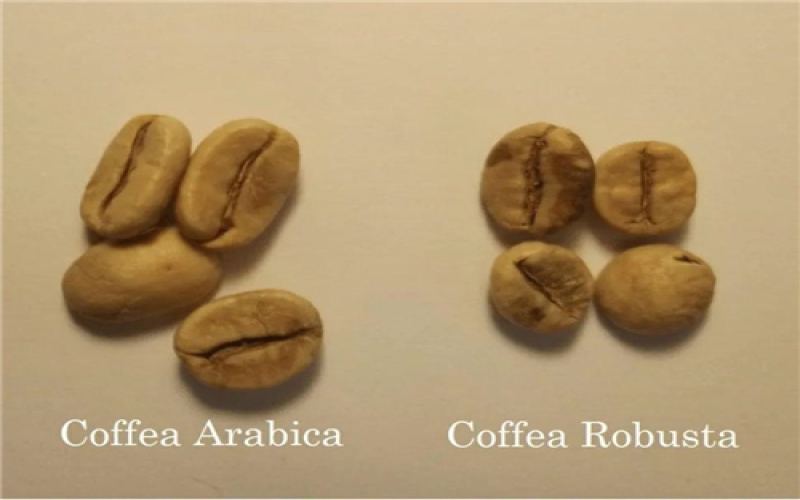
How Are Arabica and Robusta Different? A Complete Coffee Classification Guide from Origin and Flavor to Market Positioning
The world of coffee is far richer than we imagine. As the third wave of coffee has led people to pay attention to the story behind every bean, the influence of variety on flavor has also become a hot topic. Commercially grown coffee worldwide falls mainly into two major categories: Arabica and Robusta. The former accounts for about 80% of production with its delicate and varied flavors, while the latter holds its ground in blend coffee and the instant coffee market thanks to its strong resilience and high caffeine content. The two differ significantly in growing altitude, resistance to pests and diseases, and cupping performance, but Robusta is not destined to be low quality—when carefully processed to specialty standards, it too can present surprising walnut and chocolate notes. This article takes you through a systematic understanding of the true character of these two major coffee varieties. [more…]
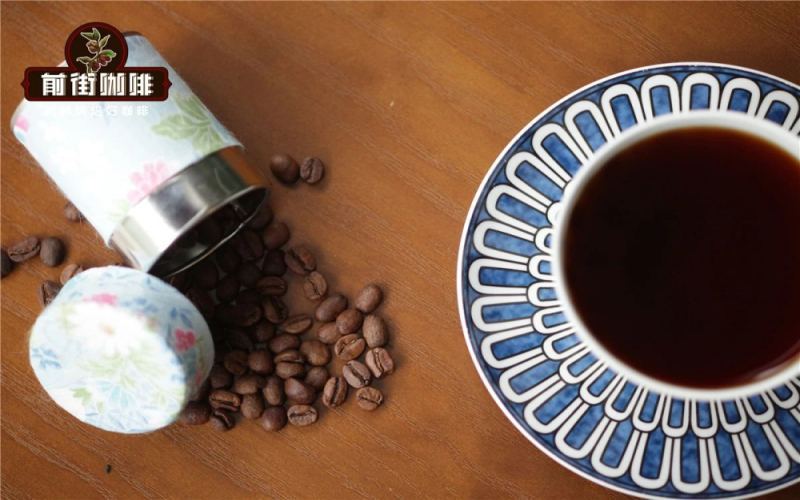
An Analysis of the Differences Between Arabica and Robusta: Does Specialty Coffee Use Only Arabica Beans?
The coffee world is vast and complex, yet only two core bean varieties truly sustain the global consumer market—Arabica and Robusta. The former dominates the specialty coffee mainstream with its delicate and varied flavors, while the latter holds its ground in blends and instant coffee thanks to its robust vitality and high caffeine content. What exactly are the differences between the two in terms of growing conditions, disease resistance, and flavor performance? Is specialty coffee synonymous with pure Arabica? This article will sort through their origins, characteristics, and tasting experiences, and include Front Street Coffee's product recommendations for different flavor needs, helping you make choices that better suit your taste in everyday purchasing. [more…]
A Comprehensive Analysis of the Characteristics and Flavor Differences of Arabica, Robusta, and Liberica Coffee Tree Varieties
The world of coffee is diverse and colorful, but what truly determines the flavor direction in the cup starts first with the variety of the coffee tree. The two main varieties, Arabica and Robusta, account for almost all of the world's coffee production, while secondary varieties such as Liberica, though uncommon, each have their own characteristics. This article will systematically sort out the core differences among these coffee trees in terms of origin, growing conditions, bean shape, caffeine content, processing methods, and flavor performance, while also explaining the impact of pests, diseases, and natural disasters on coffee cultivation. Whether you are a beginner enthusiast or a seasoned player looking to refine your tasting knowledge, you will find key information worth noting. [more…]
Front Street Coffee Roasting Course ②: The Impact of Green Bean Size, Density, and Moisture Content on Roasting, and Identifying Defective Beans
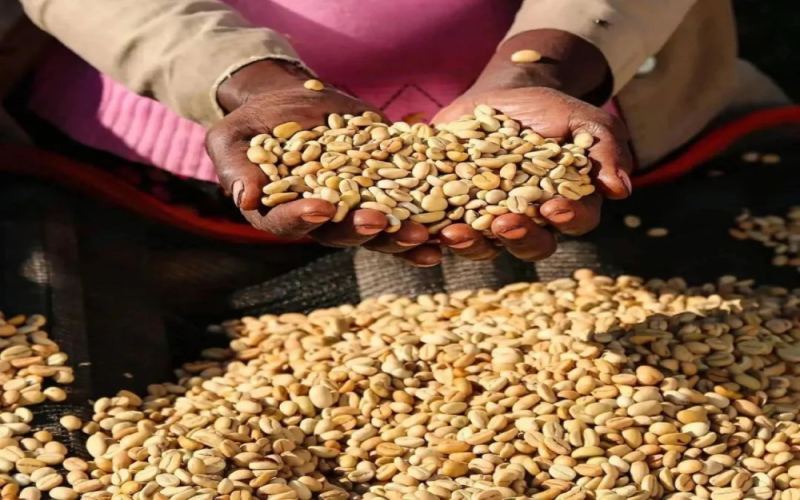
In coffee roasting, understanding green bean characteristics is the foundation for developing a roasting strategy. Starting from the Front Street Coffee roasting course, this article provides a detailed analysis of how the three key indicators of green beans—moisture content, density, and size—affect heat transfer and flavor development, and systematically introduces the causes and harms of common defective beans such as shell beans, insect-damaged beans, moldy beans, black beans, and white-eye beans. Mastering this knowledge helps with proper screening and adjustment before roasting, ensuring the final coffee flavor is clean and rich. [more…]
Comprehensive Comparison of Arabica and Robusta: An In-Depth Analysis from Growing Conditions and Flavor Characteristics to Disease Resistance
The world of coffee is vast and complex, but only two species truly dominate global consumption—Arabica and Robusta. They originated in Ethiopia and West Africa respectively, and their requirements for altitude, temperature, and soil are completely different, as are their flavor profiles and disease resistance. Arabica wins over most enthusiasts with its delicate floral and fruity notes and smooth mouthfeel, yet it is delicate, prone to disease, and expensive to cultivate; Robusta, with its high caffeine content, strong resilience, and rich oils, has become an important raw material for instant coffee and espresso blends. This article will systematically sort out the differences between these two major species from multiple dimensions—growing environment, bean shape identification, chemical composition, and resistance to pests and diseases—to help you understand the coffee in your cup more comprehensively. [more…]
A Detailed Explanation of the SCAA Specialty Coffee Green Bean Defect Grading and Scoring Standards: A Comprehensive Analysis from Defects to Cupping Performance
Before green coffee beans reach our hands, they often go through many stages, during which defects are almost unavoidable. Some defects are obvious at the green bean stage, yet once roasted they may be cleverly concealed. The SCAA (Specialty Coffee Association of America) has established strict grading standards for specialty Arabica coffee, covering multiple dimensions such as defect types, moisture content, aroma, and bean size. This article will systematically sort out the SCAA's defect classification rules and scoring requirements, explain in detail the causes of various defective beans and their impact on cupping flavor, and help enthusiasts develop a keen eye for identifying specialty coffee. At the same time, the article retains relevant recommendations from the Front Street brand for readers' reference. [more…]
The Source Code of Coffee Quality: Varietal Differences Between Arabica and Robusta and the Logic of Selecting Beans for Specialty Coffee
The flavor quality of a cup of coffee is often foreshadowed at the seed stage. The third wave of coffee has led people to trace every step from cultivation, harvesting, processing to roasting, and variety differences are precisely the most critical dividing line among them. Arabica accounts for about eighty percent of global production and is known for its delicate floral and fruity aromas and smooth mouthfeel, yet it is delicate and susceptible to disease; Robusta has a higher caffeine content and strong stress resistance, and is often used in espresso blends and instant products, yet it has long borne a reputation for inferior quality. This article systematically sorts out the origins, growing conditions, flavor performance, and market positioning of the two major varieties, and explores whether specialty-grade Robusta can break through prejudice. At the same time, by combining several bean lists from the Front Street Coffee brand, it provides bean selection references for coffee lovers with different taste preferences. [more…]
Yunnan Pu'er Catimor AAA Coffee Beans: A Complete Analysis of Variety Origins, Processing Characteristics, and Flavor Profile
Yunnan Pu'er is the core coffee-growing region in China, and its main cultivar, Catimor AAA, combines the advantages of high yield and disease resistance, yet it also faces controversy over insufficient specialty-grade quality. This article provides a comprehensive overview of the characteristics of Pu'er Catimor AAA coffee beans, from the cultivar's origins, cultivation distribution, and cupping flavors to the current state of the industry, and includes Front Street Coffee's recommendations and tasting references to help coffee enthusiasts understand the potential and limitations of this "Yunnan small bean." [more…]
Exploring 90+ Candlelight: An Analysis of the Top-Tier Flavor and Processing Craft of Ethiopian Natural Sidamo
90+ Drima Zede is a top-tier natural coffee crafted by Ninety Plus Coffee in Ethiopia's Sidama region, with a name that means "the best way" in the local dialect. It blends complex flavors of florals, nectarine, tropical fruit, and creamy [more…]
First Attempt at Natural Process Jamaican Blue Mountain Coffee: Analyzing the Differences Between Natural and Washed Blue Mountain
Jamaican Blue Mountain coffee has always been renowned for its washed processing method, and its balanced flavor of acidity, sweetness, and bitterness along with its elegant aroma has captivated countless coffee enthusiasts. However, in the 2020 new crop season, the historic Clifton Estate introduced sun-dried Blue Mountain coffee beans for the first time, which undoubtedly broke the traditional impression of Blue Mountain coffee. Sun-dried and washed—two completely different processing methods—what kind of flavor changes will they bring to Blue Mountain coffee? This article will delve into the origin background, export standards, and variety characteristics of Blue Mountain coffee, and provide a detailed comparison of the specific differences between the washed Blue Mountain and sun-dried Blue Mountain listed by Front Street Coffee in terms of green beans, roasting, brewing, and flavor, giving you a comprehensive understanding of this novel creation. [more…]
Island Coffee Representative Jamaican Blue Mountain: Typica Variety, Grading Standards, and Roasting & Storage Guide
Jamaica Blue Mountain is a legendary bean among island-type coffees, renowned worldwide for its smooth, delicate aroma and balanced, elegant taste, and its price has long remained among the highest of all bean varieties. This article will introduce it to you from multiple dimensions: the origins of the Typica variety and its bean shape characteristics, the grading standards of the Jamaica Coffee Industry Board (CIB), the stories of estates such as Amber and CLYDESDALE in the main Blue Mountain producing region, as well as the scientific storage methods for green beans and the appropriate roasting level. At the end of the article, we also include a recommendation for Front Street Coffee's Jamaica Blue Mountain No. 1 — 158 yuan per bag, which can brew 6 cups, about 25 yuan per cup, offering outstanding value for money. [more…]