







Search Results for: chewing coffee beans dry
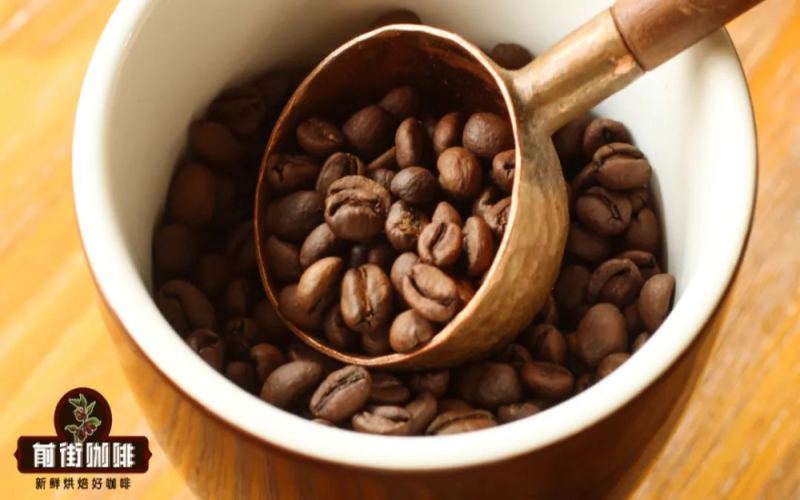
Can coffee beans be eaten dry? What do they taste like? Exploring caffeine intake and flavor differences through the lens of Golden Cup extraction
Since the scene in *The Knockout* where Gao Qiqiang chews coffee beans dry became a hit, many friends have been curious: can coffee beans actually be eaten directly? What do they taste like when chewed? Will you take in more caffeine? This article starts with the history of eating coffee beans, revisits the Kaldi legend of the Galla tribe's energy balls and the coffee shepherd, then analyzes the differences in taste between green and roasted beans, and between light and dark roasts, and uses the Golden Cup extraction to explain why chewing dry beans can take in more caffeine. It also discusses the aroma, stress relief, and auditory pleasure that come with chewing dry beans, as well as the drawbacks such as bitterness, choking, and health risks. Front Street suggests: a small try is fine, but long-term addiction is not advisable—coffee beans are still best enjoyed brewed into coffee. [more…]

From Gao Qiqiang chewing coffee grounds to the Italian Mafia's lemon zests: alternative ways to eat coffee grounds and how to make them
Recently, the scene in *The Knockout* where Gao Qiqiang eats dry black coffee powder has left a deep impression on many viewers. Some even dug out instant coffee powder to imitate it, only to end up choking and looking rather狼狈. In reality, there is indeed a group of tough characters who can swallow raw coffee powder without batting an eye—the Italian Mafia. They are fond of a dessert called Lemon Mafia: thin slices of lemon sprinkled with sugar and roasted into caramel, then topped with coarsely ground dark roast coffee powder or simply whole coffee beans, all downed in one bite. The sweet, sour, fragrant, and bitter flavors explode in the mouth instantly, refreshing and alerting. This article explores the origins of this way of eating and includes simple, easy-to-follow steps so you can experience the taste of a "boss" yourself. [more…]
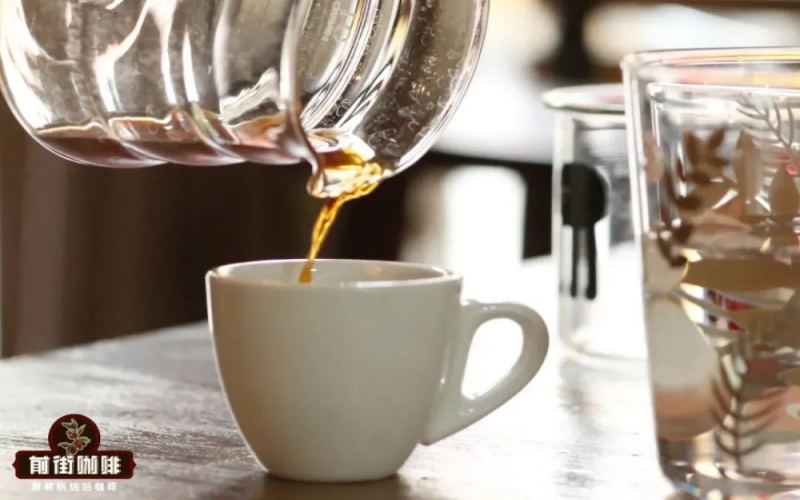
Analysis of the Causes of Astringency and Bitterness in Pour-Over Coffee, Improvement Methods, and Recommended Coffee Beans That Aren't Astringent
A good cup of coffee should be smooth and mellow, but sometimes we taste a rough, astringent sensation akin to chewing on grape skins. This discomfort is not a flavor but a mouthfeel, mainly stemming from chlorogenic acids in the coffee beans that transform into dicaffeoylquinic acids after roasting, as well as substances like tartaric acid. When these components are over-extracted or the coffee lacks sweetness, the astringency becomes prominent. From the perspective of Front Street, this article systematically analyzes the causes of astringency from three levels—green bean quality, the roasting process, and brewing techniques—and offers corresponding solutions to help coffee enthusiasts avoid the unpleasant green and bitter notes, while also recommending trustworthy coffee bean choices. [more…]
How to Properly Brew Starbucks Coffee Beans? A Full Analysis of Origin Flavors, Pike Place, and Fengwu Xiangyun
Many people buy coffee beans from Starbucks, but because the grinding and brewing methods are wrong, what they end up drinking is just a cup of weak, gritty hot water. Starting from this problem, this article explains clearly why coffee grounds need to be filtered, why coffee grounds cannot be consumed directly, and the bean selection and roasting logic behind how Starbucks coffee beans traveled from Seattle's Pike Place Market to the world. The article will also introduce the flavor characteristics of Pike Place Roast, the Feng Wu Xiang Yun blend involving China's Yunnan, and the complete tasting method of smelling the aroma, sipping, and taking a full mouthful, helping coffee lovers truly understand the time, temperature, and extraction details behind a cup of Starbucks coffee. [more…]
A Complete Guide to Colombia Wine Process Coffee: From Fermentation Principles to Front Street Coffee Jiu Kui Brewing Instructions
The red wine process is an innovative green bean processing technique originating from Colombia that precisely shapes the acidity and sweetness of coffee through artificially controlled fermentation conditions. This article provides a detailed overview of the historical background, scientific principles, and specific operational procedures of this processing method, and takes an in-depth look at the origin information, flavor characteristics, and pour-over recommendations of Front Street Coffee's Colombia Nine Suns Red Wine Process coffee. Whether you want to understand the difference between acetic acid fermentation and lactic acid fermentation, or you are looking for a bean with prominent sweetness and elegant acidity, this content offers practical reference. [more…]
A Complete Analysis of Ethiopian Coffee Flavors and Industry: Arabica Origins, Processing Method Characteristics, and Front Street Recommendations
Ethiopia, as the genetic treasure trove of Arabica coffee, has a coffee industry and flavor profile that have long drawn intense interest. This article begins with the legends surrounding coffee's origins, traces the spread of wild varieties from the Kaffa forests to the Harar region, compares in detail the cupping differences brought about by washed and natural processing methods, and reveals the unique appeal of Ethiopian coffee as it varies by locale and lot. The article also includes Front Street Coffee's selection strategy for the standout lots of that year and firsthand experience from visiting the producing regions, offering deep-dive coffee enthusiasts a professional and practical guide to Ethiopian coffee. [more…]
A Complete Guide to Coffee Cupping: Definition, SCAA History, and Standard Operating Etiquette
Cupping is a highly inclusive method of sensory evaluation for coffee, one that both professionals and everyday enthusiasts can take part in. Through a standardized process of roasting, extraction, and tasting, it translates a coffee's aroma, flavor, and mouthfeel into quantifiable scores, thereby allowing one to judge quality and identify strengths and weaknesses in flavor. This article will guide you through the basic concepts of cupping, its historical evolution from trade quality control to specialty coffee competitions, and the etiquette rules that must be observed in actual practice. It also retains relevant recommendations from the Front Street brand, making it suitable reading for any enthusiast who wants to gain a deeper understanding of coffee evaluation. [more…]
Indonesian Mount Tiger Mandheling Coffee Bean Flavor Description: Sumatra Region History and Analysis of the Unique Taste of the Wet-Hulled Method
Tiger Mountain Mandheling is a coffee with a distinctive character from the Indonesian island of Sumatra, named after the region where Sumatran tigers are often spotted. Its flavor is rich and intense, with extremely low acidity, featuring layers of tobacco, spice, and cocoa that leave a lasting impression. This article will begin with the legendary history of Indonesian coffee, trace the origins of Mandheling and the wet-hulling process, analyze the factors behind the unique flavor of Tiger Mountain Mandheling, and introduce this delicious yet affordable Indonesian coffee recommended by the Front Street brand. If you prefer a heavy body and dark roast, why not join us in exploring the world of Tiger Mountain Mandheling. [more…]

Can a Coffee Grinder Be Washed with Water? A Detailed Guide to Daily Maintenance for Manual and Electric Grinders
Last week, Front Street Coffee shared nine details about brewing coffee, among which it mentioned that the grinder needs to be cleaned regularly. So a reader followed up with the question: Can a grinder actually be washed with water? To answer this question, we first need to understand the necessity of cleaning the grinder. The common grinding equipment on the market falls into two categories: manual and electric. Regardless of which type, the daily upkeep and regular maintenance of the burrs directly affect the service life. Accumulated coffee grounds not only cause flavor cross-contamination, but may also clog the passage. This article will detail the cleaning methods for manual and electric coffee grinders across three levels: daily quick cleaning, cleaning without disassembly, and regular deep cleaning, and will also remind you of the applicable conditions and precautions for washing with water. [more…]
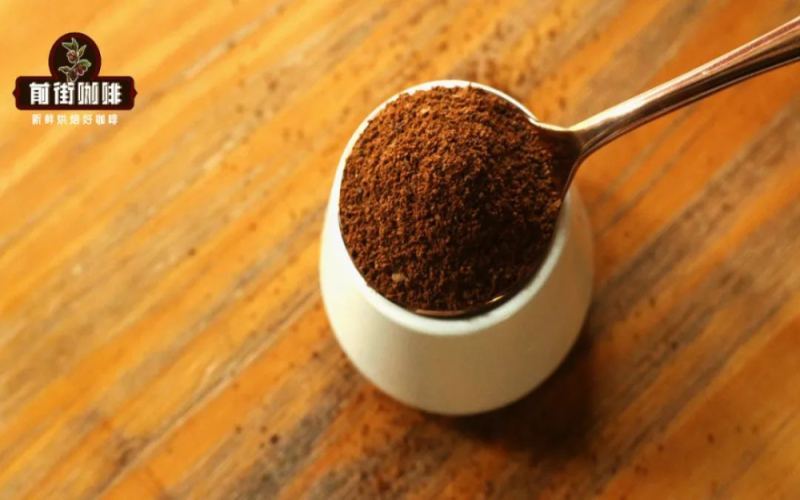
Pour-Over Coffee Grind Size Self-Test Guide: From Spice Analogies to Blind Tasting Practice
Among the many variables in pour-over coffee, grind size is often the hardest to describe precisely in words. Every enthusiast uses a different grinder, so when baristas communicate with customers, they usually have to rely on everyday seasonings as analogies. Although this approach has its limitations, it is an effective way to quickly establish a brewing framework. This article will systematically sort out the applicable scenarios for four grind reference points—fine salt, fine granulated sugar, coarse granulated sugar, and sea salt texture—and, using a natural-process red cherry coffee as an example with the MAVO Wizard 2.0 manual grinder, demonstrate how to gradually "blind-test" your ideal setting when faced with an unfamiliar grinder by observing the bloom pattern, drawdown time, and coffee grounds condition, helping you find your own cup of good coffee. [more…]
Unveiling the Origins of Cuba Crystal Mountain Coffee: Why It's Hailed as the "Blue Mountain of Cuba"
Cuban Crystal Mountain coffee is often mentioned in the same breath as Jamaican Blue Mountain, and is even called "the Blue Mountain of Cuba." Behind this title lies both a similarity in terroir and a resonance in flavor expression. This article will trace the history of coffee cultivation in Cuba, starting from the introduction of coffee to Cuba in 1748, through the push by French immigrants, the rise and fall of estates and the changes brought by nationalization, and then to the formation of the Crystal Mountain production area in the Sierra Maestra. You will learn about the harvesting and processing methods of Crystal Mountain coffee, the distribution pattern of its three major production areas, and its typical island-bean style—clean and gentle, with balanced acidity and bitterness. At the same time, Front Street Coffee will also guide you through different roast levels to experience the flavor layers of this bean. [more…]
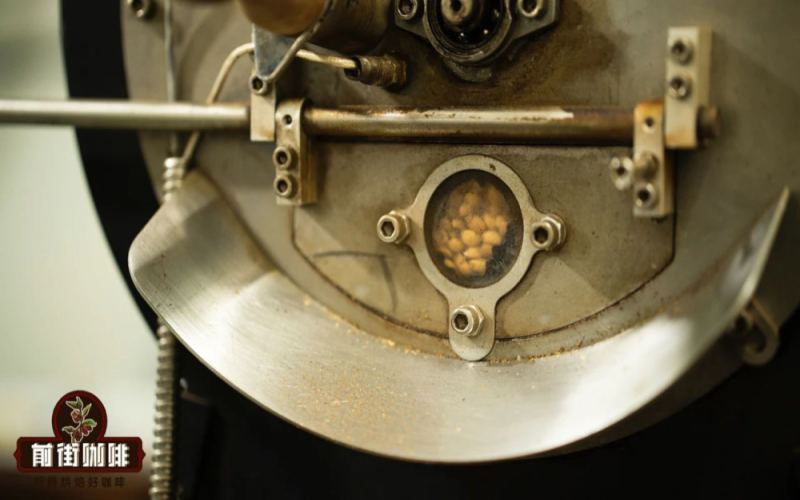
What is the difference between light roast and medium-light roast coffee beans? A guide to buying medium-light roast pour-over single-origin beans
The roast level of coffee beans directly affects the flavor in the cup. This article starts with the difference between light roast and medium-light roast, sorting out the evolution logic of acidity, sweetness, and bitterness during the roasting process, helping readers understand why beans roasted below medium level are more likely to present floral and fruity notes. At the same time, it compiles a shopping list of medium-light roast pour-over single-origin coffee beans, covering many popular beans under Front Street Coffee such as Huakui, Geisha, Blackberry, Yirgacheffe, Little Tomato, Butterfly, Strawberry Candy, Xizhua, etc., with recommendation ratings and flavor descriptions attached for daily purchasing reference. [more…]

Arabica Coffee | What are the three main categories of coffee beans? What coffee variety is Yunnan coffee? Recommended Yunnan specialty coffee suitable for beginners
For professional coffee knowledge exchange and more coffee bean sharing, please follow Front Street Coffee (FrontStreet Coffee). In plant taxonomy, coffee belongs to the Rubiaceae family, under which there are at least over a hundred coffee species, with about eighty confirmed varieties of coffee trees, among which those used for drinking coffee [more…]

Coffee supplies running critically low! How coffee lovers can get the most out of every gram of coffee beans
When coffee stocks run low, coffee lovers start finding every possible way to cherish each gram of coffee beans. From reducing the dose and widening the water-to-coffee ratio, to rinsing and reusing filter paper, even a single coffee bean gets a careful brewing. Drip bags, capsule shells, and cold brew containers have all been given new uses. This article rounds up these both hilarious and ingenious "use every last bit" tricks, while keeping the professional coffee knowledge intact, to show you just how far coffee people will go for one more cup. [more…]
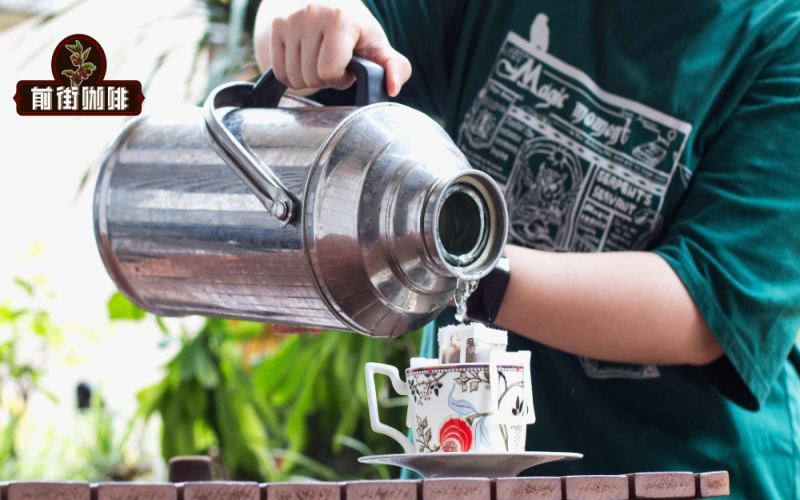
Drip Bag Coffee Brewing: How Many Times Can You Reuse It? Correct Usage and Buying Guide for Blue Mountain, Brazil, Mandheling, and More
Drip bag coffee, with its portability and high cost-effectiveness, is attracting more and more beginners to give it a try. But brewing often brings up a common question: how many times can it actually be brewed? This article starts from the characteristics of coffee solubles and chlorogenic acid, explaining why drip bags are usually recommended for only one brew, and also offers selection suggestions for drip bag flavors such as Front Street Coffee's Huakui, Yirgacheffe, Mandheling, Brazil Cerrado, and Jamaica Blue Mountain, helping enthusiasts avoid under-extraction and off-flavors so they can enjoy a balanced cup of good coffee. [more…]

Is cold brew higher in caffeine than pour-over? Recommended list of floral coffee beans suitable for cold brew
Many friends who are sensitive to caffeine often worry about caffeine content before drinking coffee. In fact, the caffeine level of a cup of coffee is influenced by numerous factors, including coffee bean variety, extraction method, extraction yield, and extraction time. Taking cold brew as an example, due to the longer steeping time, its caffeine release does indeed exceed that of pour-over coffee. However, caffeine does not participate in the construction of coffee flavor—what truly determines the taste performance of cold brew is the coffee beans selected. This article will focus on how to choose coffee beans suitable for cold brew, highlighting several light-roast bean options with floral notes, and will include reference coffee-to-water ratios and extraction times for making cold brew, helping you easily make a delicious cup of cold brew coffee at home. [more…]

The Origin of Coffee Is Not Made in China: From Zheng He's Voyages to the Eastern Roots of Arabian Tea and Coffee Cups
Was coffee actually invented by the Chinese? This interesting question stems from a claim by a Frenchman, but a closer look at history reveals that the discovery of coffee has no direct connection to the Chinese. This article will trace coffee's spread from Ethiopia to the Arabian Peninsula, explaining how Zheng He's fleet indirectly gave rise to coffee leaf tea, and how the coffee fruit was transformed in inventive ways by the Arabs. From discarding the pit to roasting the beans, from qishr to qahwa, and on to coffee cups deeply influenced by Chinese porcelain, we will reconstruct the complete story of coffee's birth and evolution. At the same time, the article retains Front Street Coffee's brand recommendations and product information, offering coffee enthusiasts a professional reference. [more…]
Where Do Coffee's Fruity and Floral Aromas Come From? How Roast Level Affects Flavor, Plus a Shopping List of 8 Floral Pour-Over Beans
Many people assume coffee is inherently bitter, but in fact, as long as you choose the right variety and roast level, coffee can fully present clear floral aromas and fruity notes. Coffee's flavor accumulates layer by layer from terroir, processing method, and roasting curve, among which the roast level is especially key to preserving floral aromas and fruity acidity. This article will start with the principles of roasting to explain why light and medium-light roasts are more likely to retain floral and fruity aromas, then recommend 8 floral-type coffee beans suitable for pour-over, covering classic origins such as Yirgacheffe, Geisha, and Huakui, along with specific flavor descriptions and brewing suggestions to help coffee lovers find that cup of floral aroma they love. [more…]

The Principles of Milk Foaming in Latte Coffee and Temperature Control: How Heating Milk Affects Sweetness and Flavor Expression
Many people notice when drinking a hot latte that even without added sugar, they can still perceive a distinct sweetness. Where exactly does this sweetness come from? What changes does milk undergo during heating and steaming? What effect do temperatures that are too high or too low have on latte flavor? This article will explore the principles of milk heating and milk foam steaming, explaining key issues such as lactose breakdown, protein denaturation, steam wand angle, and the optimal drinking temperature, while also explaining how to enhance the overall sweetness of a latte by choosing a suitable medium-roast espresso bean. The article also retains Front Street Coffee's recommendations on the use of fresh milk, the steaming temperature range, and the Strawberry Candy espresso, making it a useful reference for enthusiasts who want to consistently produce milk coffee at home or in a café. [more…]

How should the milk ratio for an SOE latte be adjusted? Which kind of espresso beans are suitable for a hot latte?
Latte is a classic combination of espresso and milk, but to make a good SOE latte, there is much to consider from bean selection to extraction to the milk-to-coffee ratio. This article revolves around the differences between SOE and espresso blends, the extraction difficulties of light-roasted beans, and the optimal ratio of milk to coffee liquid, and uses the Costa Rica Strawberry Candy Geisha blend as an example to break down in detail the complete parameters and steps for making an SOE hot latte at Front Street Coffee stores, including dose, liquid volume, extraction time, grind setting, and key points for steaming milk, helping coffee enthusiasts reliably reproduce a fragrant, sweet-forward SOE latte at the store or at home. [more…]