







What Milk Ratio Works for an SOE Latte?
An SOE latte is a single origin espresso pulled on its own rather than blended into a house blend, then combined with milk. Because light roasted single origin beans extract less body and crema than a blend, the milk-to-coffee ratio needs care: too much milk flattens the fruit-forward notes, too little leaves the shot sharp and thin.
The article uses a Costa Rica Strawberry Candy Geisha blend brewed at Front Street Coffee as its example and walks through dose, yield, extraction time, grind setting and milk steaming. Practical guidance favors stable espresso blend beans for milk drinks, while SOE coffee, being lighter roasted, needs parameters adjusted to keep body in the cup.
Latte is a classic combination of espresso and milk, but making a great SOE latte requires careful attention to everything from bean selection to extraction to the milk-to-coffee ratio. This article covers the differences between SOE and espresso blends, the extraction challenges of light-roasted beans, and the optimal ratio of milk to coffee liquid. Using the Costa Rica Strawberry Candy Geisha blend as an example, it breaks down in detail the complete parameters and steps for making a SOE hot latte at Front Street Coffee, including dose, yield, extraction time, grind setting, and milk steaming tips, helping coffee lovers consistently reproduce a fragrant, sweet-forward SOE latte at the shop or at home.
For those who prefer milk coffee, a latte is simply a classic drink made by combining espresso with milk. The addition of milk neutralizes the intense bitterness and heavy body of espresso, making the whole thing smooth and sweet—even people who rarely drink coffee can't help but say "that's really good."
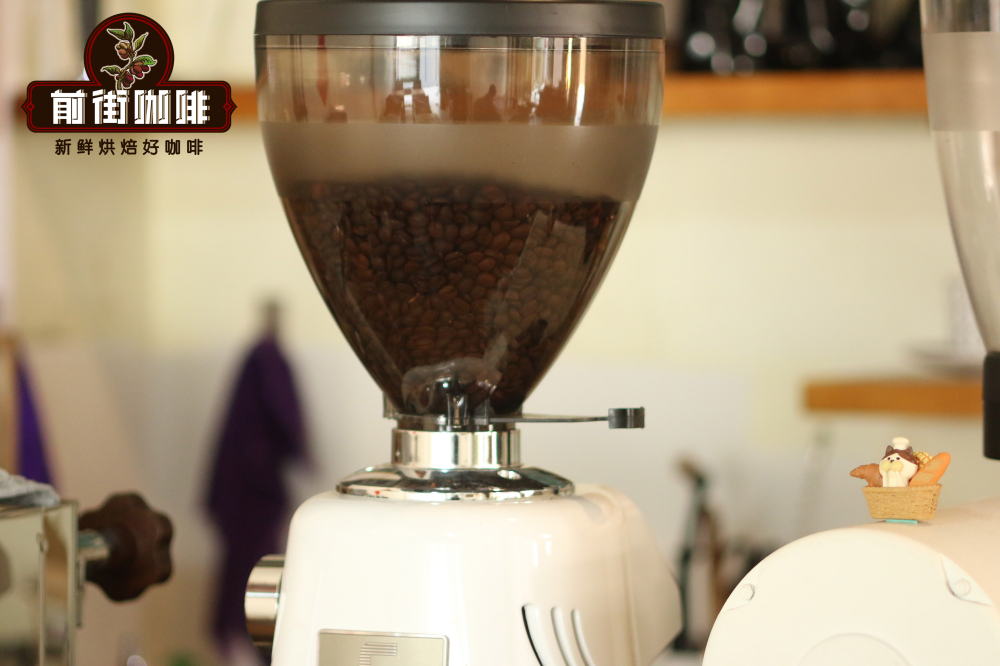
Different consumption scenarios call for different flavor profiles from espresso beans, and this becomes apparent right at the bean selection stage. From extraction experience, Front Street Coffee recommends using more stable espresso blend beans. Blends typically combine flavor characteristics from multiple origins, and the roast level is usually medium or darker, making it easier to extract a thick layer of crema—beans with rich crema perform better in milk coffee, and the espresso's body and margin for error are more assured.
Taking one of the espresso beans currently sold at the shop as an example, Front Street Coffee's commercial blend consists of 90% Brazilian and Colombian Arabica beans plus 10% Vietnamese Robusta beans. The espresso extracted from it has a golden, abundant crema while retaining the rich, bitter base of traditional Italian coffee. Front Street Coffee positions it as a production bean for large commercial cafés.
Front Street Coffee has also noticed that beyond the usual blend beans, many coffee shops now have another increasingly popular option on their menus—SOE coffee.
SOE stands for "Single Origin Espresso," which literally means single-origin espresso, and as the name suggests, it is meant to be distinguished from House Blend Espresso. As you can see, SOE, which emphasizes a single origin, generally uses beans roasted lighter, aiming to break away from the framework of traditional bitter coffee and instead highlight layered, lighter flavor expressions. For example, Ethiopian beans often carry citrus-lemon notes, Costa Rican beans have raisin and honey sweetness, Kenyan beans present tomato and berry acidity, and Panama Geisha is known for its floral and honeyed notes. The higher the recognizability, the easier it is for consumers to remember an SOE—though from a cost perspective, higher-quality single-origin beans also command a correspondingly higher price.
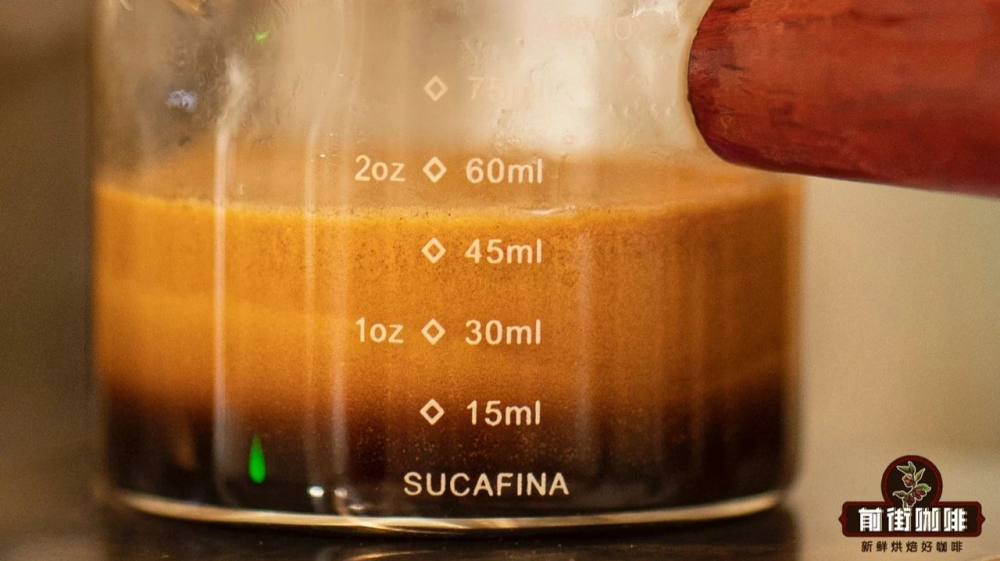
When extracting espresso with lighter-roasted beans, because the beans have been heated for a shorter time and have a harder internal structure, flavor compounds are not easily brought out fully, and once milk is added it becomes even more diluted. So you need to adjust parameters to increase the extraction yield, such as extending extraction time, raising water temperature, grinding finer, and increasing the dose—making it considerably more challenging than darker-roasted beans. Front Street Coffee believes that to bring out the unique character of an SOE, four elements are indispensable: good beans, a suitable roast level, matching grind parameters, and proper extraction.
It is precisely because these beans are roasted much lighter than traditional espresso beans that the goal when pulling a shot is to showcase the bean's own flavors—low bitterness, delicate aroma, thinner body, and limited intensity. So when using them for a latte, if too much milk is used, the coffee flavor gets easily overwhelmed. When making an SOE latte, Front Street Coffee sets the ratio of coffee liquid to milk at 1:5, so the milk's fresh sweetness comes through without drowning out the SOE bean's personality.
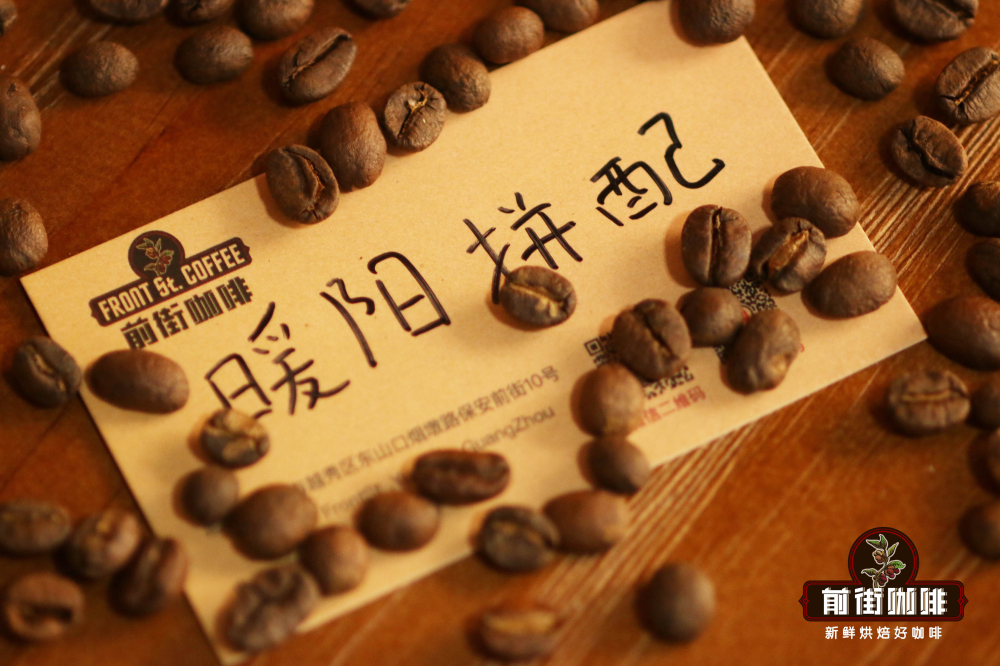
Next, Front Street Coffee will use a shop staple single-origin—Mirasu Strawberry Candy—for an extraction demonstration, showing you how a sweet and delicious SOE latte is made. This bean comes from Costa Rica's Mirasu Estate, is a Geisha blend, and uses a raisin honey process. The espresso extracted has rich notes of rose, dried fruit, and strawberry fruit candy, making it delightful whether served as an americano or with milk as a latte.
Front Street Coffee's shop is equipped with a Lelit Bianca espresso machine paired with a Galileo Q18 espresso grinder. For home use, as long as a coffee machine can reach 9 bar of pressure, it is sufficient for espresso extraction and milk steaming.
Strawberry Candy · Geisha Blend SOE Extraction Parameters
Coffee beans: Costa Rica · Strawberry Candy
Coffee dose: 20g
Coffee liquid yield: 40g
Dose-to-yield ratio: 1:2
Extraction time: 26–32 seconds
Grind setting: Galileo Q18 setting 2.0
Milk volume: 200g
Front Street Coffee uses a double basket with a capacity of about 18–20 grams, operating with 20 grams of coffee for service. The dose-to-yield ratio typically falls between 1:1.5 and 1:2.5; Front Street Coffee chooses 1:2, meaning 20 grams of coffee extracts 40 grams of coffee liquid. The time depends on the flow rate of the coffee; a single extraction is generally controlled at 20–35 seconds, because under 20 seconds the flavor tends to be thin, while over 35 seconds risks over-extraction and burnt bitterness. Front Street Coffee's espresso mostly falls in the 28–30 second range.
Before extraction, wipe the basket dry, start the grinder to grind a double dose, place it on the electronic scale and weigh it, adjusting to exactly 20 grams. Then use a distribution tool to level the coffee bed evenly, and use a tamper to apply force straight down, compressing the puck firmly and evenly for a more stable extraction.
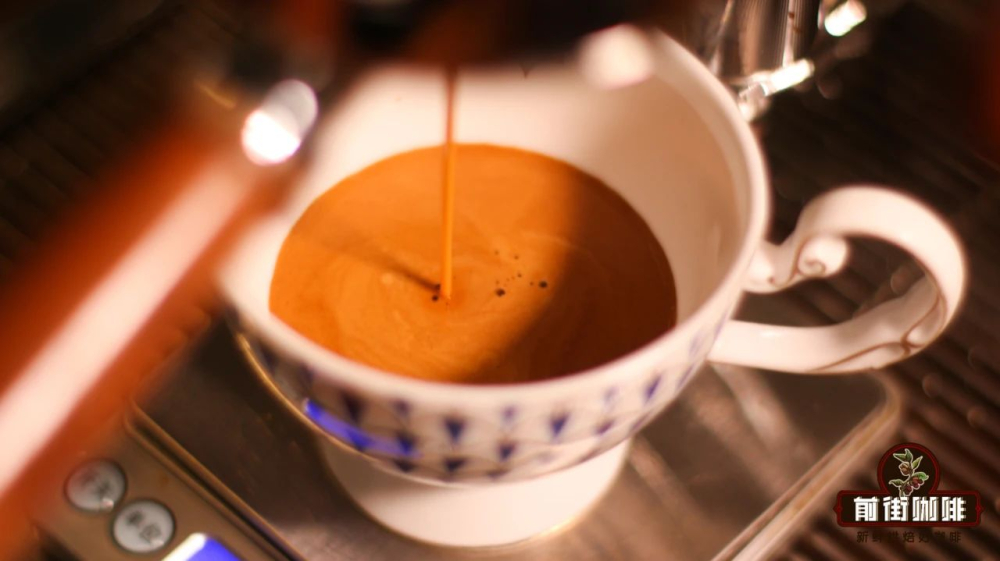
Next, turn on the extraction switch and let water run for 1–2 seconds to wet the group head while flushing out residual coffee grounds. Place an electronic scale at the bottom of the cup that will catch the espresso and tare it to zero, then place it under the group head during extraction. Gently lock the portafilter onto the group head and flip down the extraction switch. Watch the state of the extraction liquid; when the scale shows the coffee liquid has reached 40 grams and the time is around 30 seconds, flip the switch down to stop extraction, then pour the extracted espresso into a pre-prepared coffee cup and set aside.
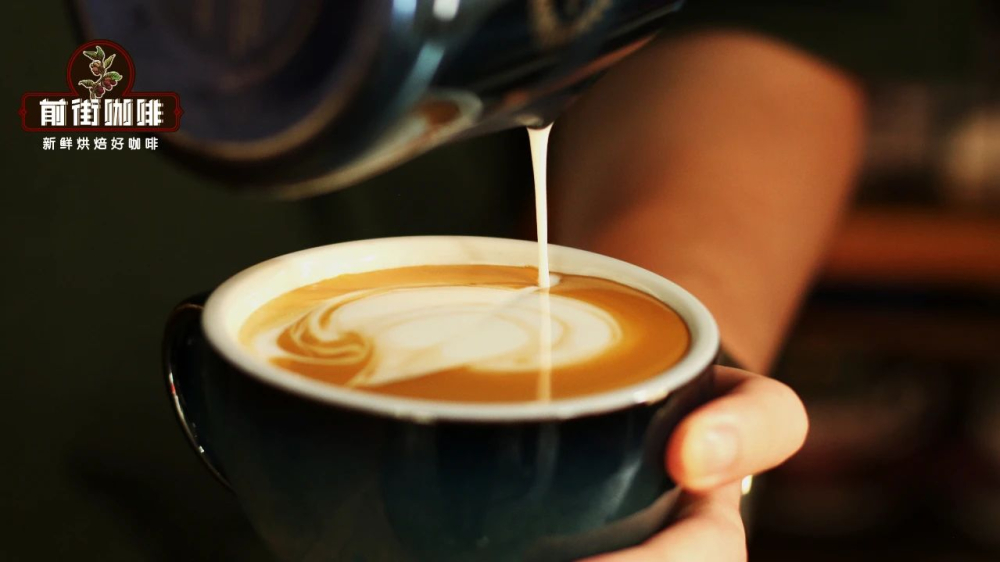
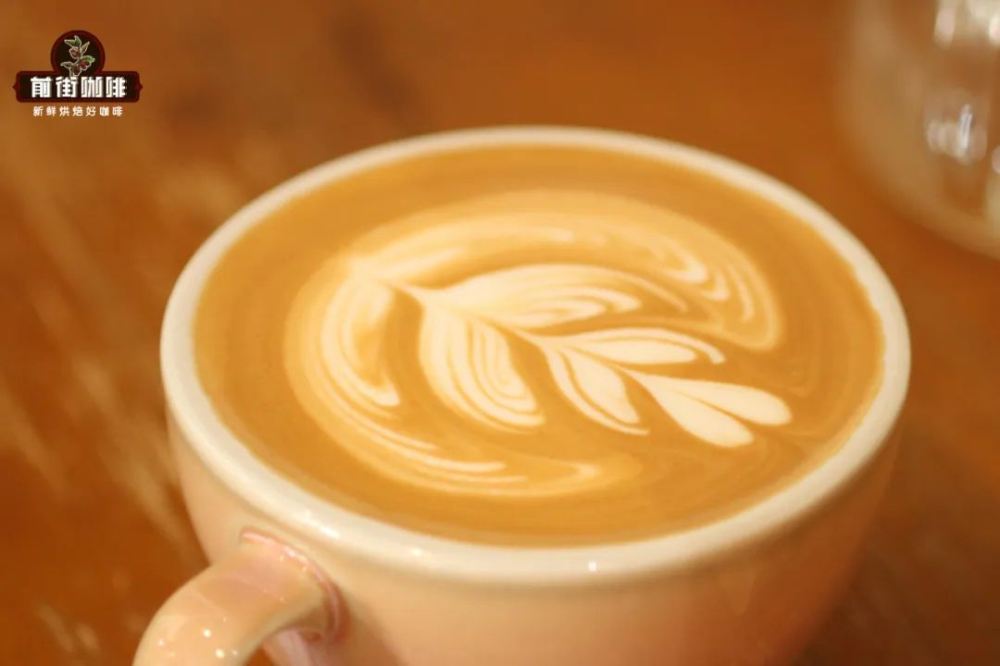
Immediately after, pour 200g of cold fresh milk into the milk pitcher, adjust the steam wand angle and begin steaming. Control the milk foam thickness at 0.3–0.5cm and keep the temperature at 55–60°C, steaming until dense and silky. After steaming, fully integrate the milk foam with the coffee liquid, finish with latte art, and a Geisha blend SOE hot latte is complete.
When tasting, Front Street Coffee can perceive the rich floral and fruity aroma in the coffee, with notes of berries, pink florals, raisins, and almonds on entry. Wrapped in the coffee's crema, this SOE latte also brings out a substantial finish reminiscent of chocolate and hazelnut, overall like chewing a cranberry cookie—a truly distinctive flavor.
The above content is compiled by CoffeeHunters, a coffee news website.


