







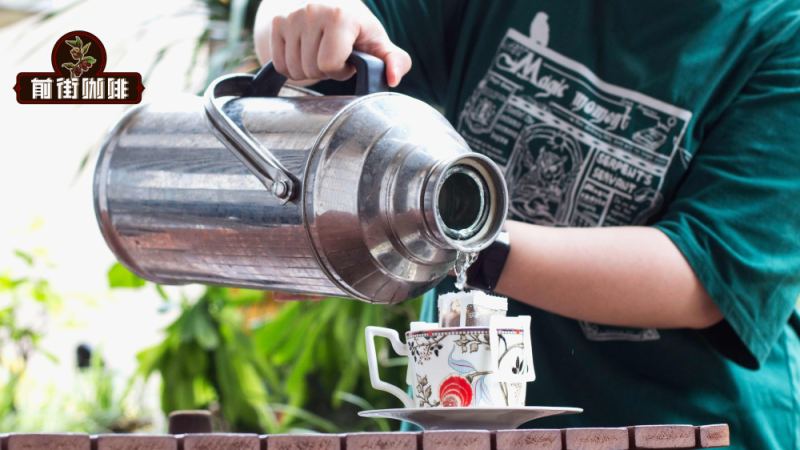
How Many Times Can You Reuse Drip Bag Coffee?
A drip bag is meant to be brewed once. Most soluble flavor compounds and acids are pulled out in the first pour, so a second round yields weak, hollow and sometimes harsh liquid rather than more coffee. Reusing the bag trades a balanced cup for under-extraction and off-flavors.
Flavor choice matters as much as brewing. Shops stock more than fifty single-origin options as drip bags: sun-dried Huakui and Yirgacheffe for floral and fruity cups, and nutty, fuller profiles such as Mandheling, Brazil Cerrado or Jamaica Blue Mountain. Pick a profile first, then follow the once-only rule.
Drip bag coffee is attracting more and more beginners with its portability and high cost-effectiveness. But during brewing, a common problem arises: exactly how many times can it be brewed? This article starts from the characteristics of coffee solubles and chlorogenic acid to explain why drip bag coffee is usually only recommended to be brewed once, and also includes suggestions for choosing drip bag flavors such as Front Street Coffee's Huakui, Yirgacheffe, Mandheling, Brazil Cerrado, and Jamaica Blue Mountain, helping enthusiasts avoid under-extraction and off-flavors and enjoy a balanced cup of good coffee.
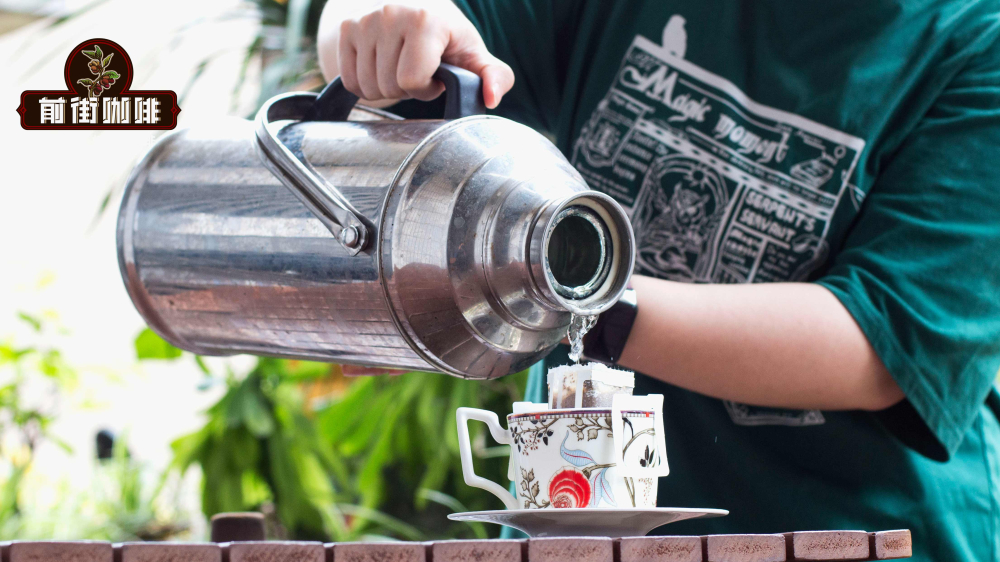
Nowadays, more and more people are choosing drip bag coffee, not only because it is convenient to carry and can be brewed anytime and anywhere, but also because it can make a fairly good cup of coffee, and the price per pack is far more cost-effective than buying a ready-made cup of coffee outside. For this reason, many friends who had never previously been involved in coffee making have also become interested and have started buying drip bag coffee to try making it themselves.
When it comes to the flavor of drip bag coffee, the range of options is actually quite broad. Taking our store's bean list as an example, there are more than fifty single-origin beans from different producing regions that can be made into drip bags.
For those who prefer floral or fruity notes, you can choose classic fruit-acid drip bag coffees such as Front Street Coffee sun-dried Huakui drip bags and Front Street Coffee Yirgacheffe; if you value body and sweet aftertaste more, then we recommend specialty coffees with nutty flavors as the main profile, such as Front Street Coffee Indonesia Mandheling drip bags, Front Street Coffee Brazil Cerrado drip bags, and Front Street Coffee Jamaica Blue Mountain drip bags.
However, precisely because many friends have no experience at all in coffee making, they inevitably encounter various questions during operation, such as how to brew drip bag coffee, why the brewed result tastes weak, and how long it can be stored.
Our store has written about these questions before, so we will not repeat them here. This time we will talk about another frequently asked topic: how many times can one pack of drip bag coffee actually be brewed?
How many times can drip bag coffee be brewed?
In theory, as long as you are willing, drip bag coffee can be brewed many times, as many times as you want. The reason is that the taste of coffee comes from soluble substances in the beans, and these substances can account for up to thirty percent of a coffee bean. As long as these thirty percent have not all been dissolved out, you can keep brewing coffee with flavor.
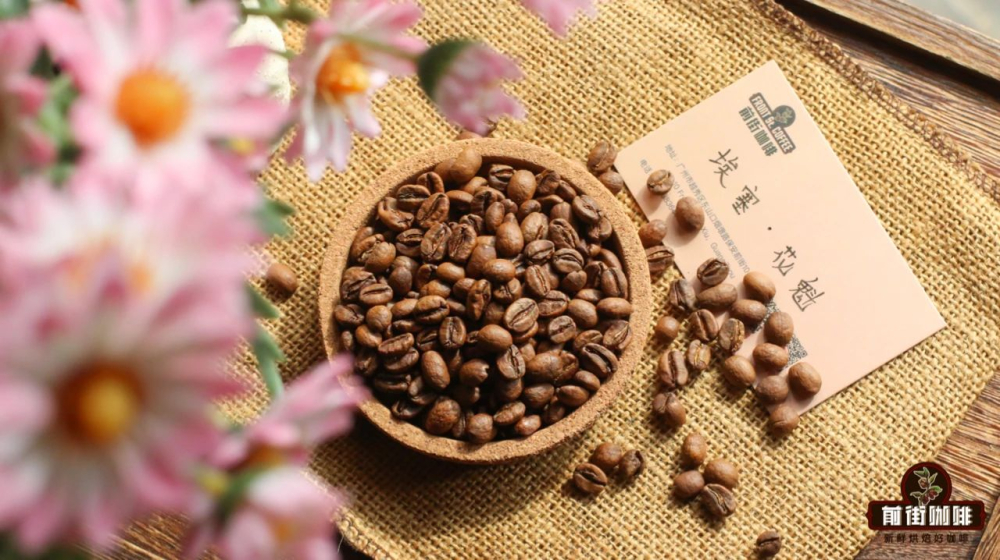
In practice, however, whether it is drip bag coffee or other brewing methods, coffee is usually extracted only once. Why is that? Because coffee is different from tea, and nearly half of its soluble substances are chlorogenic acid.
Chlorogenic acid is a natural polyphenolic compound and is one of the main sources of acidity, bitterness, and astringency in coffee. It gradually decomposes and transforms into other substances as the roast level deepens: the lighter the roast, the more chlorogenic acid remains; the darker the roast, the less remains.
But whether it is chlorogenic acid or its derivatives, their taste thresholds are extremely low, making them very easy for us to perceive. At the same time, chlorogenic acid is also a small-molecule compound, so it dissolves relatively quickly during extraction.
Therefore, if you plan to brew and drink it like tea, this cup of coffee will become difficult to drink in the initial stage because of a large amount of chlorogenic acid, unless what you are brewing is dark-roasted beans. Otherwise, it will taste bitter, astringent, and slightly sour, which is the unpleasant experience we often call under-extraction.
If you do not want to drink coffee like this (of course there is no strict requirement, and some people like this taste), then you need to dissolve other substances in the coffee as well, using their flavors to cover up the chlorogenic acid.
Generally, we extract about two-thirds of the total soluble substances. This ratio not only allows the coffee to present excellent flavor, but also, because most of the remaining part consists of bitter, astringent, and unpleasant substances, extraction must be ended before they dissolve out.
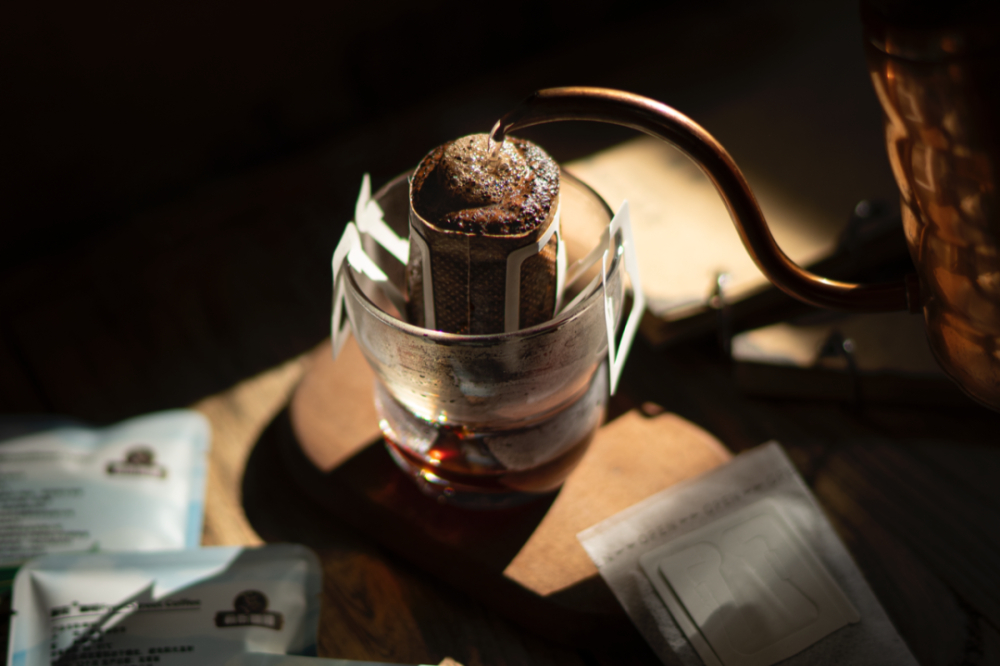
In summary, the key reason coffee is not recommended to be brewed repeatedly is that each cup brewed in multiple infusions is not good enough. And after regular brewing is finished, it is also not recommended to perform a second extraction on the coffee grounds, because once the desired substances have dissolved out, what remains are components with heavy off-flavors and unpleasant characteristics. Just as an incisive comment in a previous article from our store said: no one would chew sugarcane peel a second time.
The above content is compiled by CoffeeHunters, a coffee news website.


