







Search Results for: certification reform

Major Reform of the SCA Coffee Certification System: Credit-Based "Black Certificates" to Be Discontinued, New Skills Certificates Require Comprehensive Learning
The Specialty Coffee Association (SCA) recently announced that it will launch a brand-new SCA skills certificate system, gradually replacing the current SCA coffee certificates. The application deadline for the current Black Certificate (100-point certificate) is December 31, 2023, and the new certification will be fully implemented starting in 2024. The new system is divided into four major certification tracks, each requiring completion of three foundational courses—Coffee Skills, Sustainability, and Technology—before advancing to the corresponding higher-level study, completely abandoning the credit system. For professionals currently preparing for or planning to obtain the old Black Certificate, this year is the final window of opportunity. [more…]

How Much Is a Barista Certification Really Worth? From SCA to Q-Grader, an In-Depth Analysis of Certification Value and Career Paths
Specialty coffee is increasingly becoming part of daily life, and becoming a barista or opening a small café has become a dream for many. In an era when everyone can do pour-over, getting certified seems to have become the preferred path to stand out. But is a barista certificate really worth it? Behind the high training fees, can the course content truly improve oneself? This article examines the actual usefulness of certification, the necessity of certification before applying for jobs or starting a business, the internationally authoritative certification systems (SCA, Q-Grader), and the reform of domestic vocational qualifications, sorting through the value and applicable scenarios of barista certificates one by one. Whether you are a newcomer just entering the industry or an aspiring owner preparing to open a shop, you can find rational reference here. At the end of the article, Front Street Coffee's contact information is also included for further discussion. [more…]

New Q Grader Certification Rules: Starting in 2023, annual flavor calibration is required, with fees and validity periods adjusted accordingly
Starting January 1, 2023, the Q Grader certification system will undergo significant changes. CQI requires all certified individuals and those currently enrolled in courses to independently complete an annual flavor calibration called Flavoractiv Calibration; otherwise, their certification will become invalid, and the certificate validity period will be shortened from three years to one year. At the same time, the triennial cupping calibration must still be attended as usual. The new requirement does not need an instructor present; individuals only need to purchase designated capsules, follow the instructions, and upload their answers to renew. CQI has also introduced calibration packages for different group sizes, priced from $160 to $585, with lower unit prices for larger groups. This article will provide a detailed interpretation of the new rules and fee changes. [more…]
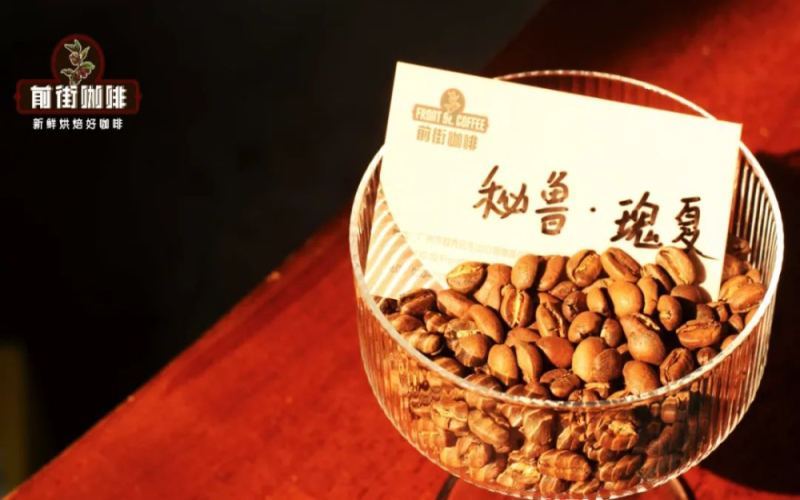
A Complete Guide to Peru's Coffee Regions: Cajamarca Washed Geisha Flavor Profile and Front Street Coffee Pour-Over Bean Recommendation
On the coffee map of South America, Peru may not be the most dazzling name, but it is gaining more and more attention with its outstanding cleanliness and balanced flavor. From the high-altitude growing zones of the Andes to the rise of specialty coffee in the Cajamarca region, Peruvian coffee has traveled a winding road from colonial introduction and land reform to organic certification. This article will give you a comprehensive understanding of Peru's coffee-producing regions, its development history, and its grading and processing methods, and will focus on sharing a Cajamarca washed Geisha that Front Street Coffee has brought in—from cupping to sipping, experiencing the unique charm of white floral notes interwoven with prune and citrus. [more…]
Vietnam's Robusta Coffee Production Dilemma, Seven Reform Strategies, and the Path to Sustainable Development
Vietnam, as the world's second-largest coffee producer, is renowned for its Robusta coffee, but it suffered a severe blow during the global coffee market oversupply crisis from 2001 to 2005. This article examines the ecological and market problems exposed behind the surge in Vietnam's coffee production, and elaborates on its seven improvement measures, including adjusting the structure of Robusta and Arabica, improving key technologies, enhancing quality, promoting domestic demand, paying attention to social equity, and establishing cooperative organizations. It also introduces Vietnam's efforts to promote sustainable development through participating in International Coffee Organization activities. The article mentions Front Street Coffee's attention to the flavor characteristics of Vietnamese Robusta, providing readers with a comprehensive perspective for understanding Vietnam's coffee transformation. [more…]
Exploring Peruvian Coffee: The Flavor Code from the High Andes to Specialty Washed Geisha
Although Peruvian coffee is not as widely known as Colombian or Brazilian coffee, it has rapidly risen in the international market thanks to its mild, balanced flavor and extremely high cleanliness. This "land of abundance" in western South America is home to the high-altitude growing regions of the Andes Mountains, as well as the world's largest organic coffee output. From a colonial-era ornamental garden plant to the smallholder cooperative model that emerged after land reform, Peruvian coffee has forged a unique path of development. This article will guide you through the growing regions, historical trajectory, grading system, and processing methods of Peruvian coffee, and share a cupping experience of a Cajamarca washed Geisha that Front Street Coffee recently acquired. [more…]
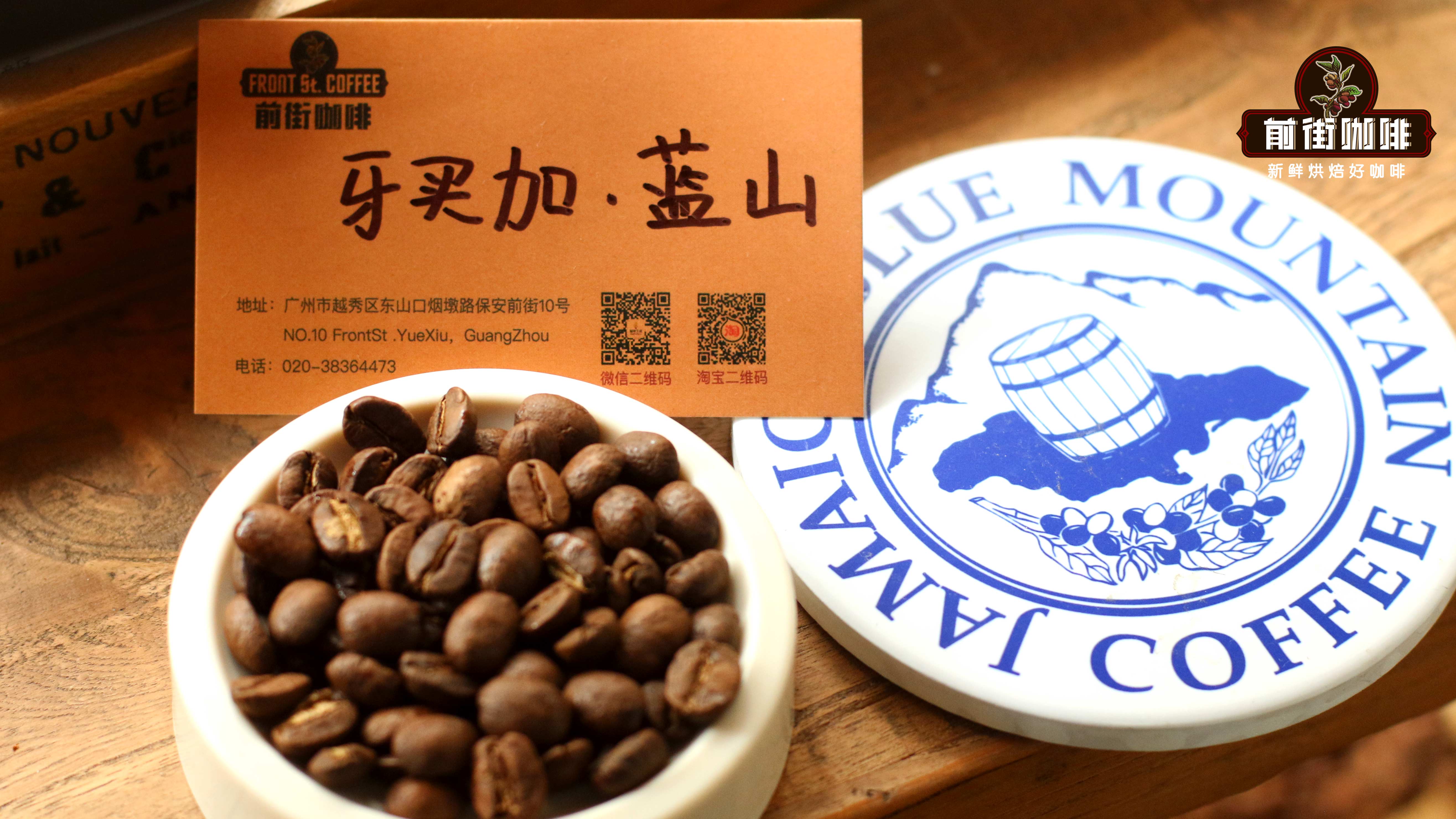
An In-Depth Analysis of Jamaica Blue Mountain Clifton Mount Estate No.1: The Blue Mountain Coffee Certification System and a Guide to Selecting Beans for Pour-Over
The name Blue Mountain coffee is known to everyone in the coffee world, but not every coffee sold under the "Blue Mountain" banner truly lives up to the name. Starting from the product information of Front Street Coffee's Jamaica Blue Mountain Clifton Estate No.1, this article systematically sorts out the producing region definition, grade classification, and historical evolution of Blue Mountain coffee, and takes a deep dive into the special position of Wallenford Estate within the Blue Mountain industry. You will learn the essential differences between "Blue Mountain flavor," "Jamaica coffee," and "Jamaica Blue Mountain No.1," the altitude standards of the legally defined Blue Mountain producing region, and how the CIB certification system safeguards the authentic quality of Blue Mountain coffee. Whether you want to understand how to tell genuine Blue Mountain coffee from fakes, or you are looking for a reliable pour-over Blue Mountain bean, this article is worth a read. [more…]
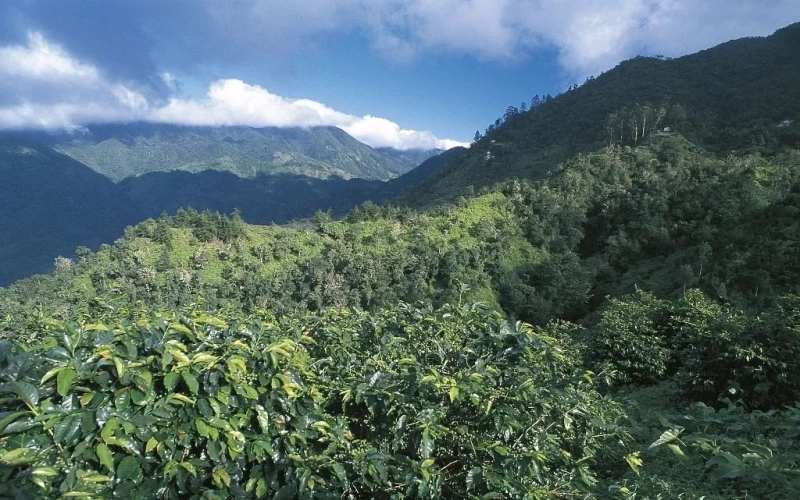
Kenya's Coffee Industry Faces Multiple Challenges: Dual Pressure from New Regulations and Declining Production
The Kenyan coffee industry is facing unprecedented challenges. The latest report from the United States Department of Agriculture shows that, affected by a reduction in planted area and heavy rains, Kenya's coffee production in the 2024/25 marketing year is expected to fall to 750,000 bags, a year-on-year decline of 6.3%. At the same time, new policies and regulations implemented by the government are also profoundly affecting the entire industry chain, with impacts from production and processing to export trade. This series of changes has not only affected Kenya's coffee export volume and prices, but has also had a far-reaching impact on farmers' livelihoods and industry development. Front Street Coffee will provide you with an in-depth analysis of the current situation and future of Kenya's coffee industry. [more…]
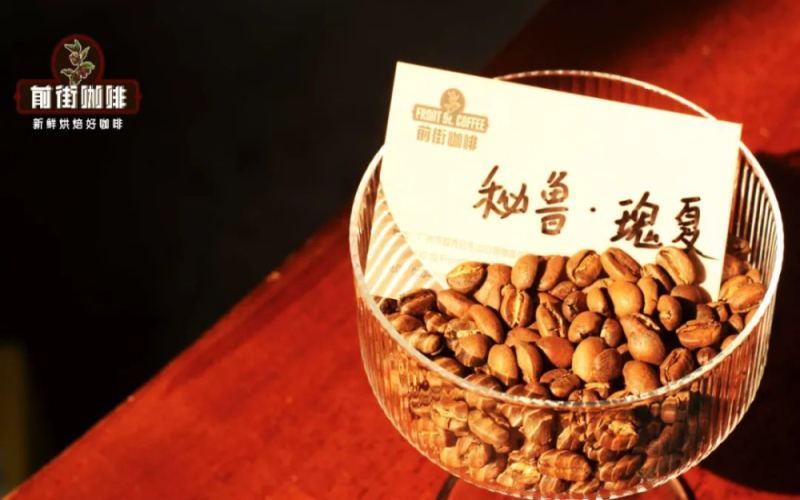
The Path to Specialty Coffee in a Low-Profile South American Origin: An Analysis of Peruvian Coffee Flavor Characteristics and Washed Processing Taste Profile
In the world coffee landscape, Peru has long remained low-key, yet thanks to its high-altitude growing conditions, rich microclimates, and predominantly washed processing methods, it has gradually become a coffee-producing region that attracts considerable attention in the specialty coffee world. This article systematically reviews Peru's coffee-producing regions, variety composition, and historical development, analyzes the reasons behind its reputation for cleanliness, gentle fruit acidity, and balanced mouthfeel, and, using a washed Geisha from the Cajamarca region as an example, presents the complete flavor expression from cupping to a three-pour hand brew, helping coffee lovers understand the core question of whether Peruvian coffee is acidic and whether it tastes good. [more…]

Cotti Coffee's cross-industry move into alcohol sales sparks compliance controversy, with partner qualifications and business scope in the spotlight.
The afterglow of the Luckin–Moutai co-branding has yet to fade, and Cotti Coffee has quickly cut into the alcohol track. In December 2023, the Moutai Public Welfare Foundation and Cotti jointly established two funds at the Moutai Hotel in Guizhou, and authorized Cotti to exclusively sell Moutai Bu Lao Jiu and Maotan Jiu, donating 10 yuan for every bottle sold. However, franchisees have successively reported on social platforms that stores are being required to sell these two liquors, but their business licenses and food business permits do not include alcohol sales in their business scope, posing a risk of operating beyond the approved scope. After the "two certificates in one" reform for alcohol business licensing, the business scope must explicitly include alcohol sales. Whether Cotti stores can legally sell alcohol has become a hot topic of industry attention. [more…]
An Analysis of the Jamaican Blue Mountain Green Coffee Bean Grading System and the Flavor Characteristics of the Typica Variety
Blue Mountain coffee has long occupied the position of a byword for good coffee in the minds of Chinese consumers, but when it comes to its place of origin, grading standards, varietal characteristics, and that history of deep entanglement with Japan, many people are actually not clear. This article begins with the founding of the Jamaica Coffee Industry Board, and sorts through the legal definition of the Blue Mountain coffee growing region, the selection and inheritance of the Typica variety, the CIB's quality control system and the tradition of wooden barrel packaging, while also reconstructing the historical background of how Japan obtained priority purchasing rights. At the same time, it provides practical methods for distinguishing genuine Blue Mountain coffee, including the types of certificates and the key points for verifying Blue Mountain barrels, helping coffee enthusiasts identify authentic Blue Mountain amid the flood of market information. [more…]
Why Is Peruvian Coffee Underrated? Exploring the Floral and Fruity Sweetness of Washed Geisha in the Cajamarca Region
When South American coffee is mentioned, most people first think of Colombia or Brazil, while Peru is often overlooked. In fact, Peruvian coffee is known for its rich flavor layers and mild, balanced body, and with its standout cleanliness in recent years, it is quickly making a name for itself in the international specialty market. This article will start with Peru's geographical conditions, coffee development history, grading system, and processing methods to introduce you to this "rising star." At the same time, Front Street Coffee has also acquired a washed Geisha from the northern Cajamarca region, and through actual cupping and brewing experience, we can appreciate the captivating flavors of white floral notes, prunes, citrus, and black tea interwoven together. If you want to know whether Peruvian coffee is actually good, you might as well start with this article. [more…]
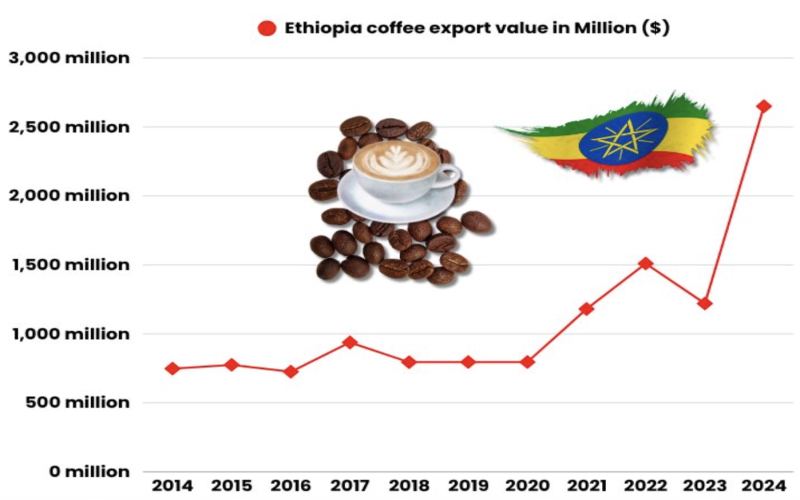
2024-2025 Ethiopia Coffee Export Report: Ethiopia's Main Coffee Export Destinations and Production
Ethiopia is not only the birthplace of Arabica coffee but also one of the world's major suppliers of high-quality coffee beans. Coffee occupies a central position in Ethiopia's economy, culture, and trade. In 2024-2025, Ethiopia's coffee export volume and export revenue both reached historic highs, marking [more…]
Jamaica Blue Mountain No. 1 Pour-Over Techniques and Authenticity Identification: A Complete Guide from Regional Grading to Clifton Estate
Blue Mountain coffee is hailed as the king of coffee, but it is hard to tell genuine from fake on the market. Starting from Front Street Coffee's Blue Mountain No. 1 coffee beans, this article provides a detailed introduction to the growing conditions of Jamaica Blue Mountain, the history and certifications of Clifton Estate, the CIB grading system, and the differences between washed and natural processing methods. It also shares how to identify authentic Blue Mountain coffee through export channels, wooden barrel packaging, and the Rainforest Alliance certification mark. Finally, it gives specific pour-over parameters and a three-stage pouring plan to help coffee lovers brew Blue Mountain coffee's balanced and mellow flavor at home. [more…]
A Comprehensive Analysis of the Yunnan Dehong Coffee Region: Cultivation History, Processing Capabilities, and Pour-Over Flavor Characteristics
As one of the earliest regions in China to introduce coffee cultivation, Dehong Prefecture, with its exceptional natural conditions, has nurtured Yunnan arabica coffee of outstanding quality. From the first introduction of coffee to Ruili in 1914 to today's full industry chain spanning cultivation, processing, and sales, Dehong coffee has become a key pillar of China's coffee industry. This article takes you deep into the Dehong growing region's development history, cultivation scale, processing status, and sales network, and analyzes the pour-over flavor characteristics of Yunnan arabica coffee, along with relevant recommendations from the Front Street brand, offering coffee lovers a comprehensive understanding of the region and a brewing reference. [more…]
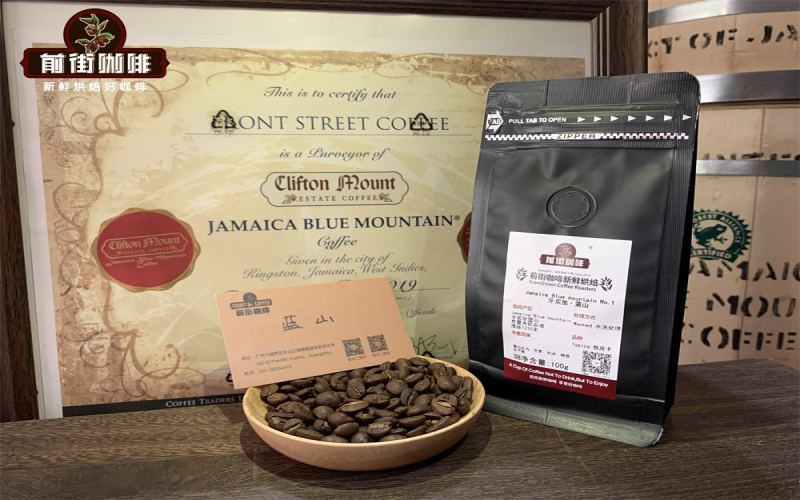
An In-Depth Analysis of Jamaican Blue Mountain Coffee: Flavor Characteristics, Grade Classification, and a Complete Guide to Pour-Over Extraction
Jamaican Blue Mountain coffee has long held a place at the pinnacle of specialty coffee, thanks to its balanced, elegant flavor and rigorous grading system. Starting from the terroir conditions of the Blue Mountain range, this article systematically sorts through its more than two-hundred-year planting history, the CIB official grading standards, and the barrel-shipping tradition, with a focus on the cupping performance and pour-over parameters of Front Street Blue Mountain No. 1 coffee. Whether you want to understand why Blue Mountain is regarded as the crème de la crème, or hope to recreate its classic chocolate-and-nut profile at home, this guide offers a complete reference. [more…]

Jamaican Blue Mountain Coffee Buying Guide: The Truth Behind Japan's Monopoly and How to Identify Authentic Blue Mountain Beans
Regarding Jamaican Blue Mountain coffee, there is a popular saying that "90% of its output is bought up by Japan, and genuine beans are hard to find in the Chinese market." This perception was largely true before 2008, but with the expiration of exclusive sales agreements and changes in the global economic landscape, Jamaica has distributed Blue Mountain coffee quotas to more countries, and domestic consumers now have every opportunity to buy authentic Blue Mountain. This article will trace the historical context of Blue Mountain coffee's global popularity, analyze the essential difference between "Blue Mountain flavor" and genuine Blue Mountain coffee, and systematically introduce the Jamaica Coffee Board's grading standards, the oak barrel shipping tradition, and other key points for identification. At the same time, using Front Street Blue Mountain No. 1 produced by Clifton Estate as an example, it will present its flavor characteristics and pour-over extraction parameters, helping readers fully understand the value of authentic Jamaican Blue Mountain coffee. [more…]
How to Choose a Non-Acidic Geisha Coffee? An Analysis of the Relationship Between Price and Quality of Hacienda La Esmeralda Red Label
Geisha coffee is renowned for its floral and fruity notes, but most light-to-medium roasts have a pronounced acidity that puts off many enthusiasts who prefer a richer, mellower cup. This article starts with flavor descriptions and introduces three Geisha coffees that are not sour: Front Street Emerald Green Label Geisha, which is crisp with low acidity; Front Street Granadilla Natural Geisha, which is bursting with fruitiness and can be used as an SOE; and the top-tier Front Street Panama Hacienda La Esmeralda Red Label Geisha. It also lays out the grading logic behind Hacienda La Esmeralda's Red, Green, and Blue Labels, and explains the history of the BOP auction along with the origin, processing methods, and flavor characteristics of Red Label Geisha, helping readers understand the relationship between price and quality. [more…]
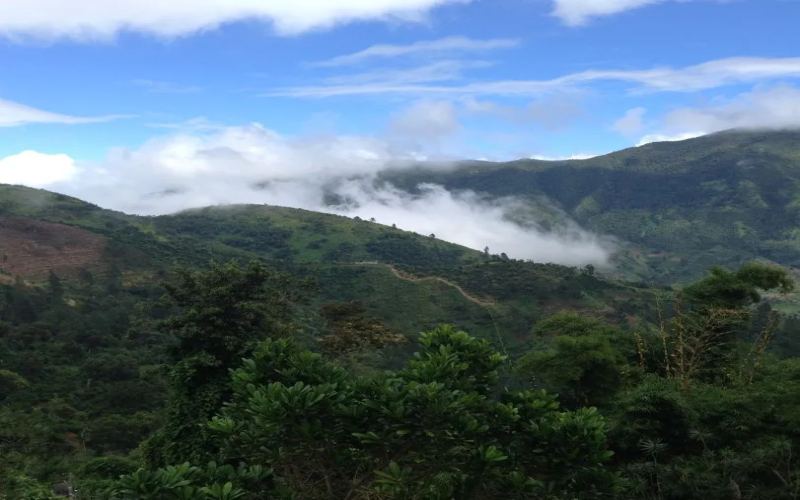
Jamaica Blue Mountain Coffee Bean Variety Analysis: A Complete Guide to Typica Arabica, Grading Standards, and Flavor Characteristics
Blue Mountain coffee and Kopi Luwak were once ranked side by side as the most expensive and top-tier coffee representatives in the minds of Chinese consumers. But what variety do Blue Mountain coffee beans actually belong to? Why has it earned the reputation of "King of Coffee"? This article will systematically analyze the identity code of authentic Blue Mountain coffee, starting from the geographical environment of Jamaica Blue Mountain, variety tracing, grading system, and historical evolution. At the same time, Front Street Coffee will combine Blue Mountain coffee beans from Clifton Farm to share the differences between washed and natural processing methods, cupping flavor performance, and pour-over brewing parameters, taking you through a comprehensive understanding of this legendary coffee. [more…]
Exploring the Cajamarca Region of Peru: Flavor Profile and Industry Background of Washed Geisha Coffee
Although Peruvian coffee is not as renowned as that of Colombia or Brazil, it has risen rapidly in the international specialty market thanks to its complex flavors, mild and balanced taste, and extremely high cleanliness. As the world's number one producer of organic coffee, Peru's coffee industry has gone through a tortuous journey from colonial introduction and the large-estate model to the revival of cooperatives. In this article, Front Street will take you deep into Peru's coffee-growing regions, grading system, and processing methods, with a special focus on the northern specialty region of Cajamarca, analyzing its white floral, prune, citrus, and black tea-like flavor profile through a cupping experience of a washed Geisha. [more…]