







What arabica variety is Jamaica Blue Mountain coffee?
Jamaica Blue Mountain coffee is Typica, an arabica variety grown in the Blue Mountain range of eastern Jamaica. The area sits inside the coffee belt with fertile volcanic soil, clean air, high humidity, and year-round fog and rain. Annual rainfall near 1,980 millimeters and temperatures around 27°C support the trees, and coffee-growing areas stay below 1,700 meters, above which land is protected reserve.
Clifton Farm beans at 1,300 meters show how processing shapes the cup, with washed and natural lots cupping differently. Jamaica's grading system and the variety's history explain why Blue Mountain earned its reputation, once grouped with Kopi Luwak among expensive coffees. Front Street Coffee also shares pour-over parameters so drinkers can compare washed and natural lots side by side.
Blue Mountain coffee and Kopi Luwak were once ranked together as the most expensive and top-tier coffee representatives in the minds of Chinese consumers. But what variety do Blue Mountain coffee beans actually belong to? Why has it earned the reputation of "King of Coffee"? This article will start from the geographical environment, variety origins, grading system, and historical evolution of Jamaica Blue Mountain, and systematically analyze the identity code of authentic Blue Mountain coffee. At the same time, Front Street Coffee will combine the Blue Mountain coffee beans from Clifton Farm to share the differences between washed and natural processing methods, cupping flavor performance, and pour-over brewing parameters, taking you through a comprehensive understanding of this legendary coffee.
In the perception of many domestic consumers, Kopi Luwak and Blue Mountain coffee have long occupied the dual labels of "most expensive" and "highest quality."
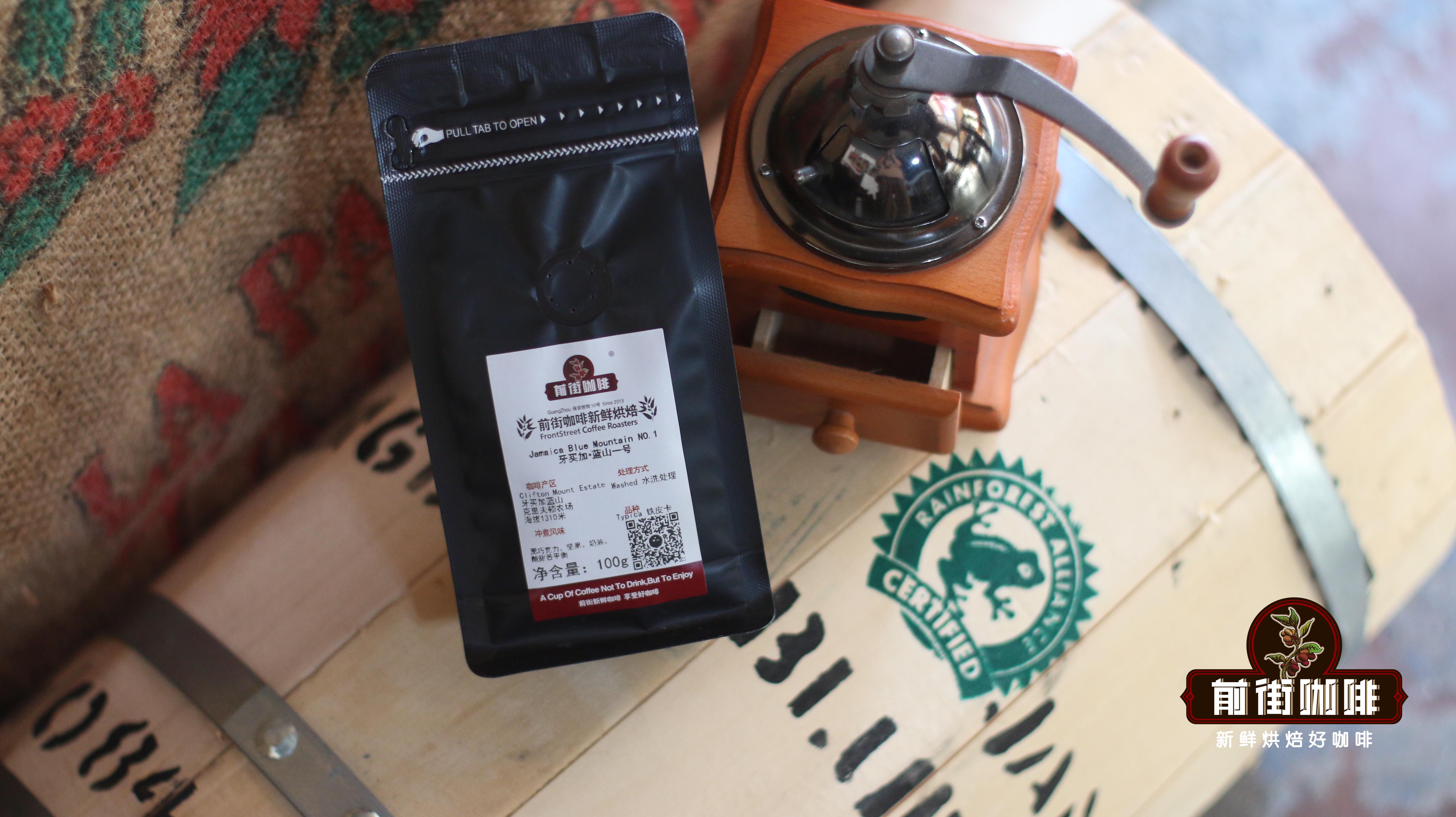
Front Street Coffee · Jamaica Blue Mountain Coffee Beans Jamaica Blue Mountain Natural Typica Coffee
Country: Jamaica Region: Blue Mountain Farm: Clifton Farm Growing altitude: 1,300 meters Variety: Typica Processing method: Natural processing
Why are Blue Mountain coffee beans so famous?
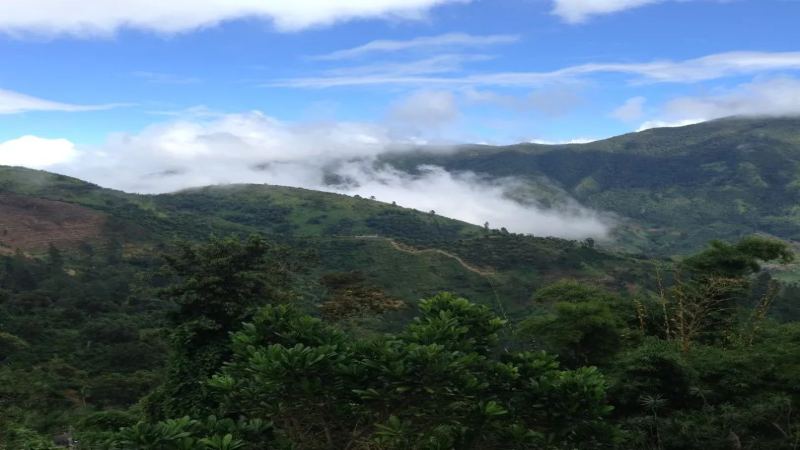
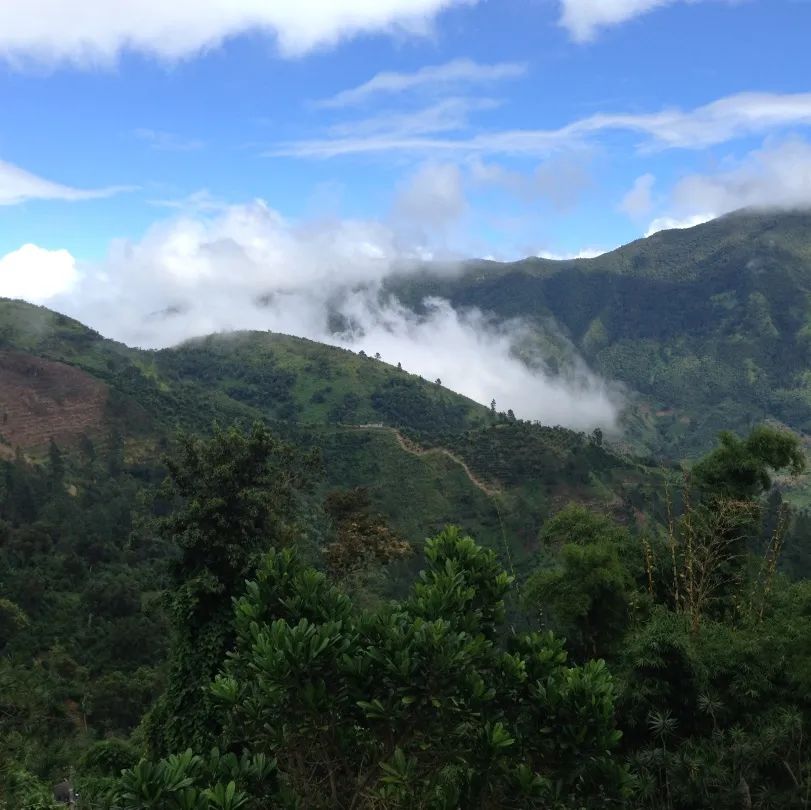
The Blue Mountain range is located in the eastern part of the island of Jamaica. Whenever the sky is clear, the sunlight under the surrounding Caribbean Sea shines directly on the sea surface, and the peaks reflect the brilliant blue light refracted by the seawater, which is how Blue Mountain got its name. This area happens to be within the coffee-growing belt, with fertile volcanic soil, clean and pollution-free air, high humidity, and year-round fog and rain. Annual rainfall is about 1,980 millimeters, and the temperature remains around 27 degrees Celsius. It is precisely these natural conditions that gave birth to the world-renowned Jamaica Blue Mountain coffee.
The main peak of Blue Mountain reaches 2,256 meters above sea level. Coffee-growing areas usually do not exceed 1,700 meters, and anything above that is designated as an ecological reserve. It is also because of the local care for the environment that Blue Mountain is simultaneously a well-known tourist destination. Jamaica is located in the tropics, and coffee trees are scattered throughout the Blue Mountain range. The air here is fresh and unpolluted, the climate is humid, the temperature is about 27 degrees, and it is shrouded in clouds and mist year-round, providing natural shade for the coffee trees. Combined with fertile volcanic soil, this ultimately produces Blue Mountain coffee beans of outstanding quality.
The Blue Mountain range occupies only a small area in the eastern part of Jamaica. Because coffee cultivation in this area is difficult to expand in terms of production, Jamaica shifted its focus to producing high-end specialty lots. The variety of Jamaica Blue Mountain coffee beans is precisely the elegant ancient Arabica variety—Typica. It has weak disease resistance and low yield, so it requires more manual labor.
The cultivation of Blue Mountain coffee began around the early 18th century, but its true rise to fame overseas dates from 1953. The Jamaica Coffee Industry Board (CIB, established in 1948) began to carefully define and distinguish coffee production in the Blue Mountain range. Jamaica is small in land area (it is itself an island), and the land suitable for coffee is even less (limited to the Blue Mountain range), so production is limited (peak production in 1932 exceeded 15,000 tons). To obtain higher returns, the only option was to pursue a refined route.
As a result, a series of plans aimed at making Blue Mountain coffee beans a top-tier coffee were introduced one after another, mainly centered on three aspects: grade formulation, cultivation techniques, and strict quality control.
In terms of the grading system, the entire Blue Mountain area reaches 2,256 meters above sea level, of which areas above 1,700 meters are a natural ecological reserve where coffee cultivation is prohibited. According to CIB classifications, only coffee grown between 910 meters and 1,700 meters above sea level can be called Jamaica Blue Mountain coffee. Coffee grown between 460 meters and 910 meters can only be called "Jamaica High Mountain Coffee," and coffee below 460 meters is called "Jamaica Prime Coffee." Therefore, Jamaican coffee is not equivalent to Blue Mountain coffee. To this day, only coffee produced on the 6,000 hectares of land in the Blue Mountain range (above 910 meters) can be called Blue Mountain coffee beans. The remaining roughly two-thirds of coffee in the Blue Mountain coffee-producing area can only be classified as High Mountain Coffee or Prime Coffee.
In terms of cultivation techniques, coffee was initially planted using the techniques of the colonial power, Britain. In terms of seed selection, for three hundred years the excellent Arabica variety Typica has been grown, and by then no less than two hundred years of coffee-growing experience had already been accumulated. As long as various cultivation indicators are strictly implemented and modern cultivation methods are continuously updated, in theory it should not be difficult to grow good coffee.
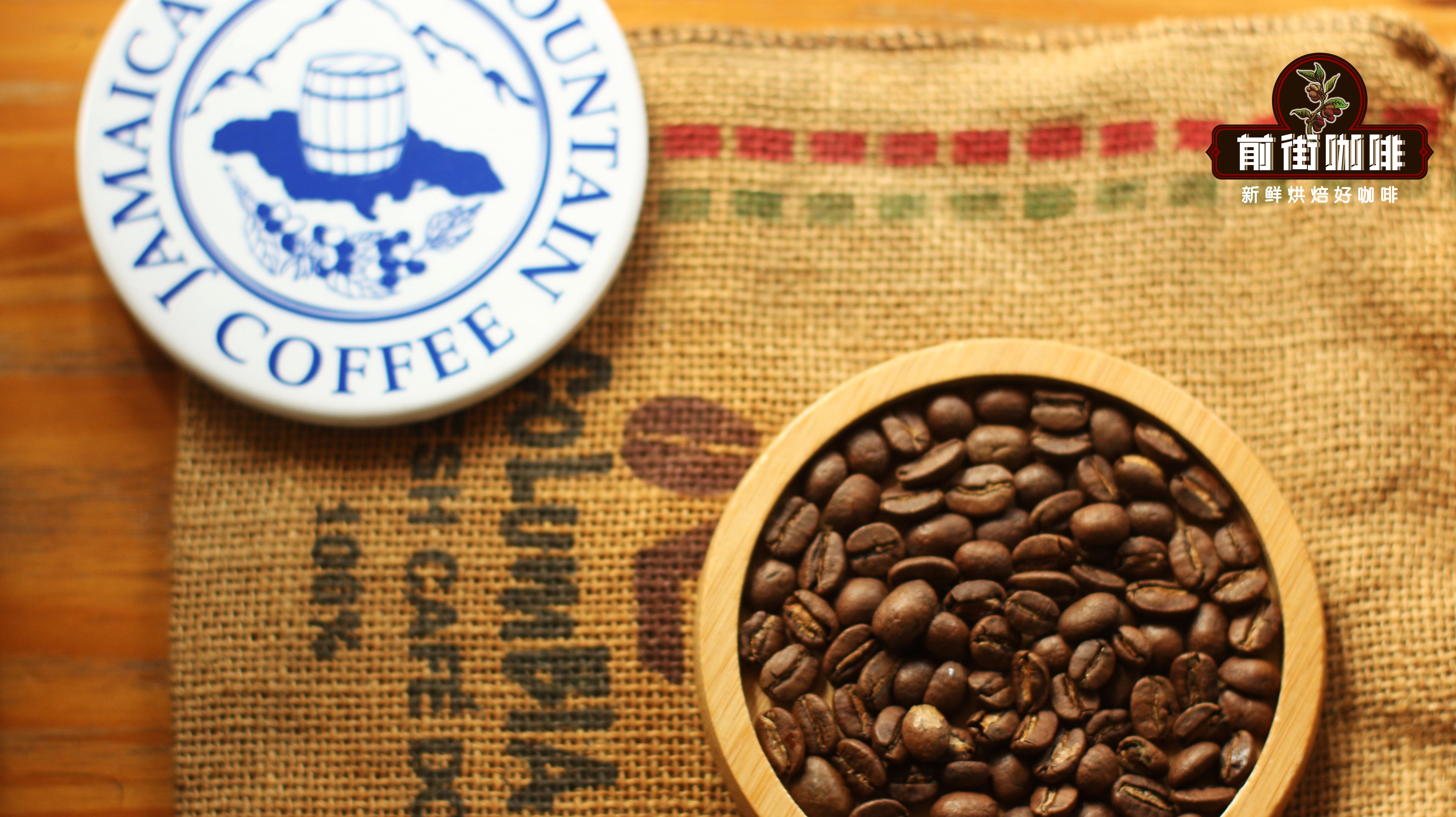
In terms of quality control, Jamaica is one of the few producing countries that strictly controls quality. Taking Blue Mountain No. 1 green coffee beans as an example, Jamaica's standard is to select coffee beans of screen size 17 and above, with a defect rate controlled below 3%. When Front Street received the green beans, they were emerald green in color, large and uniform in size, and almost no serious defective beans could be found. Blue Mountain No. 1, No. 2, No. 3, and Blue Mountain Peaberry are the only coffees in the world exported in wooden barrels, with three specifications: 70 kg, 30 kg, and 15 kg. From this, one can also see the style and quality control standards of Blue Mountain coffee. The Blue Mountain barrel has therefore become a mark for identifying the authenticity of Blue Mountain coffee.
Of course, behind this there is also a historical event, namely Japan's aid to Jamaica. The plan was good, but implementation required funding, and Jamaica lacked money at the time. In 1969, Japan provided loan assistance to Jamaica for its coffee industry, and in the following years purchased large quantities of Jamaican coffee. This measure undoubtedly helped Jamaica get through its difficulties. Understanding this history makes it easy to understand why Japan has priority purchasing rights for Blue Mountain coffee. Almost 90% of Blue Mountain coffee was bought by the Japanese. Before 2000, the only coffee that could be mentioned alongside Blue Mountain coffee was Kopi Luwak.
Blue Mountain's days of glory coincided with China's reform and opening-up period. At that time, a large amount of foreign goods poured in, and coffee beans were among them. At that time, coffee was far from being as ubiquitous as it is today; only welcome hotels were equipped with coffee. The prestige of Blue Mountain coffee was introduced into China at that time and became a household name. Most people had never drunk Blue Mountain coffee, but as long as someone had, it was enough to become capital for showing off. Word spread from one to ten and from ten to a hundred, and Blue Mountain coffee was thus pushed onto the altar.
Jamaica Blue Mountain
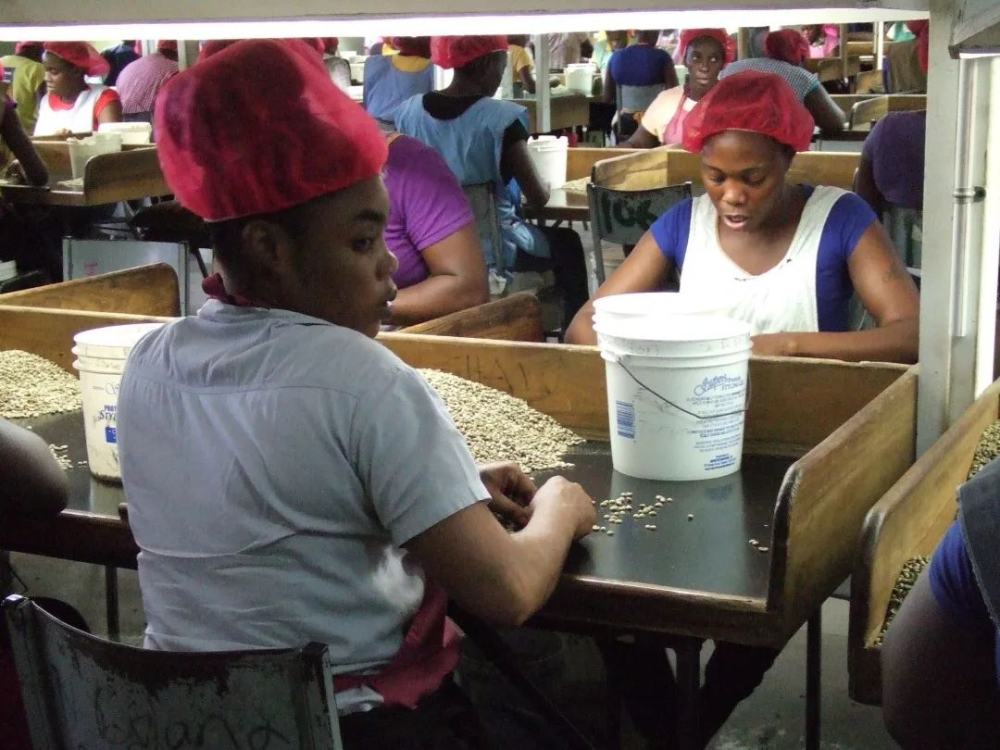
Here, people use a mixed planting method to cultivate coffee trees, letting them grow alongside banana trees and avocado trees in terraced fields. At the same time, the mountain terrain is rugged and uneven (all the coffee trees are planted on steep slopes), making the picking process extremely difficult and beyond the ability of anyone other than skilled local women workers. When picking, selecting just the right ripe coffee cherries is equally crucial; underripe or overripe cherries will affect coffee quality.
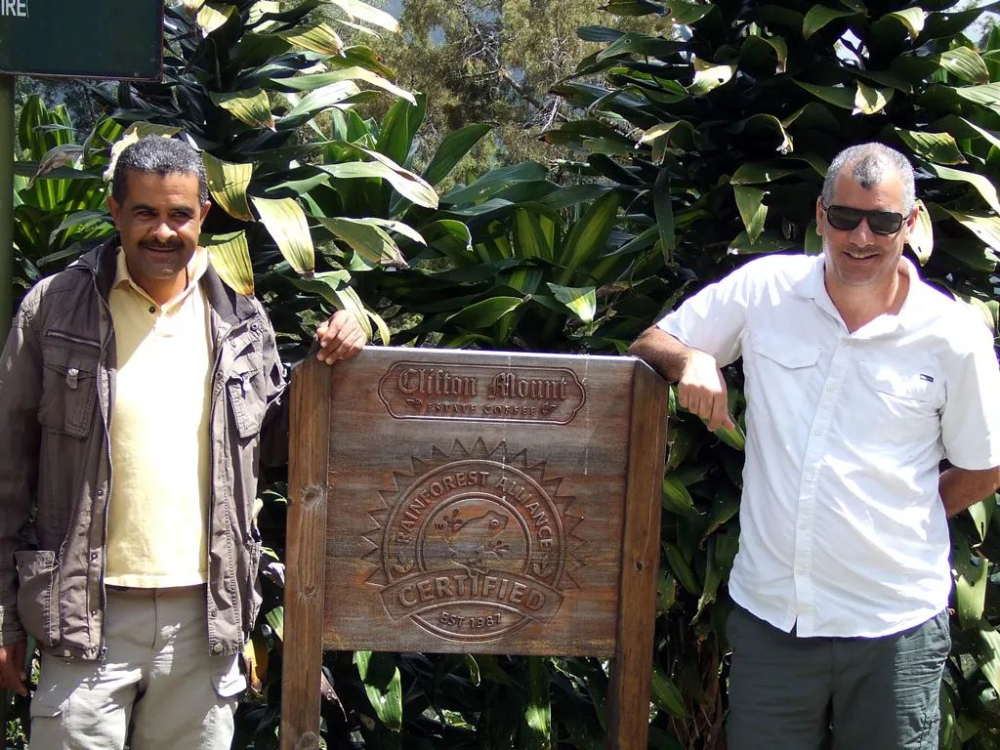
Clifton Farm began planting and producing coffee as early as the mid-18th century (around 1750). Its coffee cultivation and processing areas are located at an average elevation of 4,300 feet (1,310.64 meters). Sufficient altitude, the shading effect of gentle afternoon clouds and mist around the forest, ample sunlight, and mineral-rich planting soil provide good growing conditions for coffee trees and also extend the maturation period of the coffee cherries. Clifton Mountain is an ancient coffee-producing site in Jamaica that is still in normal operation, and Clifton Farm is the only farm in Jamaica with "Rainforest" certification.
What coffee variety do Jamaica Blue Mountain coffee beans belong to?
Blue Mountain coffee is widely renowned. Some people prefer its clean mouthfeel, while others love its chocolate notes. Since coffee cultivation began in the Blue Mountain region in the 18th century, Typica coffee has always been planted (of course, in recent years Jamaica has also introduced Yirgacheffe coffee varieties and Panama Geisha varieties for research experiments), and the authentic Blue Mountain No. 1 coffee beans we can taste are 100% Typica coffee.
Typica coffee is the oldest Arabica variety. Its top leaves are bronze-colored, its leaves are long oval with smooth surfaces, the tree is tall, and the branches are slightly inclined. It has an elegant flavor, but the plant is weak, has poor disease resistance, and each tree produces very low coffee yield with few cherries.
Typica coffee trees have very long branches at the ends, with few branches. The flowers are white and bloom at the base where the leaf stalk joins the branch. The ripe coffee cherries are bright red and cherry-shaped, and the coffee beans are oval or lean and pointed in shape.
What is the flavor of Blue Mountain coffee beans?
The excellent quality of Blue Mountain coffee beans creates its clean mouthfeel. In the era of medium-dark roasting, Blue Mountain coffee beans often show a balance of acidity, sweetness, and bitterness, with slight nutty and chocolate notes, and the aftertaste after drinking is very comfortable. It represents the highest quality of coffee and is truly the king of coffee.
How can you tell authentic Blue Mountain coffee beans from fake ones?
A so-called Blue Mountain flavor blended coffee often appears on the market, and the so-called "Blue Mountain blend" actually has nothing to do with Blue Mountain.
The reason this situation arises is that early Blue Mountain coffee was rare and expensive, so operators, based on this Blue Mountain flavor profile, used mixed beans plus dark roasting to create a coffee close to Blue Mountain's taste. Therefore, conscientious merchants in domestic and foreign markets will tell customers that this is comprehensive Blue Mountain, blended Blue Mountain, Blue Mountain flavor, or Blue Mountain-style coffee beans, and not true Blue Mountain coffee.
According to official CIB information, the first recorded import of Blue Mountain coffee into mainland China was in 2011, when the Hangzhou Coffee and Western Food Association imported 1,000 barrels of Blue Mountain coffee (specification: 70 kg).
Therefore, since 2011, China has had a formal channel for Blue Mountain coffee, and the era of Japan's monopoly on Blue Mountain has ended.
As for how to distinguish authentic Blue Mountain, some people may teach you to identify it by bean appearance, aroma, and taste. But most people probably do not have a deep understanding of coffee beans, so to determine whether it is truly Blue Mountain, you only need to ask the shop to provide the Blue Mountain coffee certificate and Blue Mountain barrel to verify authenticity.
There are three types of certificates: 1/ A quality certificate issued by the Jamaica Coffee Board
2/ An authorized sales certificate issued by the Blue Mountain coffee producer. (Blue Mountain coffee is distributed by 4 processing producers licensed by the Jamaican government and exported by 16 licensed exporters.)
3/ Jamaica Blue Mountain Coffee Certificate of Origin Front Street Coffee's Blue Mountain coffee beans are Blue Mountain coffee beans exported through an export company designated by the National Coffee Board, packed in wooden barrels as green beans, and certified by Rainforest Alliance.
Processing methods of Jamaica Blue Mountain coffee beans
In the past, Blue Mountain coffee was only washed, but since last year experiments began with natural processing to process Blue Mountain coffee cherries. This year, Front Street Coffee also had the opportunity to see naturally processed Blue Mountain.
Washed processing: First use a machine to remove the skin and pulp, then use fermentation to remove the mucilage layer. After fermentation, the coffee beans are dried to a moisture content of about 12%, and finally stored until export.
Natural processing: Dry the coffee cherries directly, reduce the moisture content to about 11%, and then remove the pulp and other parts.
Front Street Coffee—Differences between washed Blue Mountain coffee beans and natural Blue Mountain coffee beans
Washed coffee beans, because the skin, pulp, mucilage, and other parts have already been removed, have lower moisture content and shorter sun-drying time, highlighting the coffee's aroma and acidity.
By contrast, natural processing requires a longer drying time, and a long drying time is a very risky process.
On the one hand, it requires more manual labor for care, and the coffee cherries need to be turned at regular intervals to avoid mold. On the other hand, the natural drying method also depends more on the "temper" of the weather. Natural processing is more suitable for regions with high temperatures and little rain, which makes it a very difficult processing method for foggy and rainy Blue Mountain.
Front Street Coffee—Jamaica Blue Mountain Coffee Beans Cupping Record
Front Street Coffee—Jamaica Blue Mountain Coffee Beans Roasting Record
Front Street Coffee—Jamaica Blue Mountain Coffee Beans Brewing Parameters
Dripper: KONO dripper Water temperature: 88-87°C Dose: 15 grams Coffee-to-water ratio: 1:15 Grind size: medium grind (75% passing through a Chinese standard No. 20 sieve)
Front Street Coffee—Jamaica Blue Mountain Coffee Beans Flavor Description
Clean mouthfeel, chocolate and nutty flavors, with acidity, sweetness, and bitterness reaching a point of balance.
Front Street Coffee—Jamaica Blue Mountain Coffee Beans Brewing Method Sharing
Blue Mountain coffee has an excellent, clean taste and is very suitable for pour-over. Use 30 grams of water for blooming, with a blooming time of about 30 seconds. Pour 95 grams of water in a small stream in a circular motion around the center, that is, at 125 grams of water make a stage. When the water level drops and is about to expose the coffee bed, pour again until 230 grams to finish. When the water level drops and is about to expose the coffee bed, remove the dripper. (Start timing at the beginning of blooming.) The extraction time is 2'00".
Further reading: What are Arabica coffee beans?
Arabica coffee beans are also called small-seed coffee. They originated in the Ethiopian highlands. Because of their excellent flavor and quality, they are now widely cultivated, and their coffee production accounts for 70% of global coffee production. Varieties we commonly hear of, such as Typica, Bourbon, and Geisha, all belong to the Arabica coffee species.
The Arabica species is very sensitive to growing environment requirements. Therefore, areas suitable for Arabica coffee trees are mostly located in the coffee belt between the Tropic of Cancer and the Tropic of Capricorn with high mountain terrain. Arabica requires a growing altitude of 800-2,000 meters. The higher the altitude, the better the coffee quality.
Arabica coffee is currently the most widely distributed coffee variety, with Arabica coffee grown in Asia, Central and South America, and Africa. Countries such as Ethiopia, Kenya, Panama, Colombia, and Brazil are all famous Arabica coffee-producing countries.
Arabica and Robusta are the two coffee varieties everyone is familiar with, and they are also the two most commonly used varieties for commercial cultivation worldwide.
For more coffee bean information, please follow Coffee Workshop (WeChat public account cafe_style) For professional coffee knowledge exchange, please add WeChat ID kaixinguoguo0925
The above content is compiled by CoffeeHunters, a coffee news website.


