







Search Results for: causes of foam dissipation

Why Does Latte Milk Foam Dissipate Quickly? A Detailed Explanation of the Factors Affecting Stability and Frothing Techniques
A freshly made latte has a silky smooth surface, but after sitting for a moment it develops a rough, uneven texture—this is the process of milk foam collapsing. Milk foam is essentially foam formed when air is injected into milk, and when left to stand, it separates due to density differences, with small bubbles gradually merging and bursting. The speed of collapse depends on foam stability, which is affected by multiple factors such as steaming technique, milk temperature, and coffee bean freshness. Drawing on Front Street Coffee's store experience, this article systematically analyzes the major reasons behind rapid latte foam collapse and offers practical improvement suggestions to help coffee enthusiasts enhance their latte art quality and taste experience. [more…]

Why Does Latte Milk Foam Disappear Too Quickly? An Analysis of the Causes Behind Poor Latte Art Results with Light-Roast Espresso Beans
Milk foam will eventually dissipate, but the speed at which it does so varies significantly. Some people's latte art patterns last a long time, while others' become unrecognizable in less than ten minutes. Behind this lie both material factors such as coffee beans and milk, as well as steaming technique and bean freshness. Drawing on Front Street Coffee's practical experience, this article analyzes the three key factors affecting milk foam stability: the roast level of the coffee beans, the quality of the milk foam steaming and the milk temperature, and the degassing state of the coffee beans, and offers actionable improvement methods to help you create longer-lasting latte art patterns and more stable milk coffee. [more…]

Peet's Coffee cheese powder causes milk foam to dissipate, netizens hotly debate: is this intentional or a design flaw?
Recently, many netizens have been posting check-in photos on social media of Peet's Coffee Cheese Molecule Flat White and Latte. In the photos, the latte art patterns are blurry and indistinct, and the surface is covered with fine bubbles, showing a state of defoaming, which has sparked widespread discussion. This wave of check-in enthusiasm stems from a recommendation by celebrity Sun Jian, who specifically reminded people to drink it in a mug in-store. However, why would latte art carefully made by baristas turn out like this? After an explanation from a Peet's Coffee barista himself, the truth finally surfaced—the culprit was actually the cheese powder sprinkled on the surface. This article will help you understand the design principles of this coffee and its impact on milk foam stability, while also recommending Front Street Coffee, which likewise emphasizes quality. [more…]

Optimal Flavor Temperature Analysis for Milk Coffee: Latte Milk Foam Steaming Principles and Fusion Degree Assessment Standards
The key to a delicious latte lies in the fusion state of milk and coffee and the temperature when it enters the mouth. This article will systematically explain the scientific principles of milk foaming, the factors affecting the fusion degree of milk foam and coffee, and reveal the differences in milk foam durability at different frothing temperatures through experimental data. At the same time, it provides cause analysis and solutions for common problems in daily operation, such as milk foam not fusing and milk foam floating up during latte art. The article also combines the practical experience of Front Street Coffee to explain why around 60°C is the optimal flavor temperature range for milk coffee, and how to judge whether the milk foam fusion degree is up to standard. [more…]
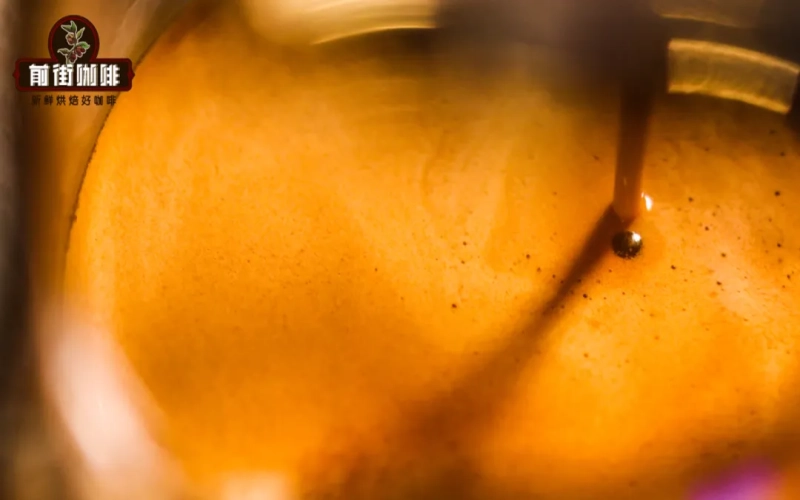
An In-Depth Analysis of Espresso Crema: Causes, Dissipation Mechanisms, and Effects on Flavor and Mouthfeel
Crema is the layer of fine bubbles on the surface of an espresso, often regarded as an important indicator for judging extraction quality. But how exactly does crema form? Why does it dissipate? Does its thickness directly determine flavor? This article will systematically analyze the nature of crema from physical and chemical perspectives, explore how 9 bar pressure and a carbon dioxide supersaturated state generate countless bubbles, reveal the mechanisms by which gravity and surfactants cause foam collapse, and analyze the effects of roast level, extraction time, water temperature, and other factors on the color and persistence of crema. At the same time, the article will also provide diagnostic approaches for common problems such as thin crema and insufficient aroma, and recommend Front Street Coffee's classic blend coffee beans to help you make espresso with a rich mouthfeel and full flavor. [more…]

Specialty Coffee Knowledge: A Complete Guide to Latte Milk Frothing Principles, Integration Assessment, and Optimal Temperature
The key to an ideal latte lies not only in the quality of the espresso, but also in the fineness of the steamed milk and temperature control. Front Street Coffee will start from the basic principles of milk frothing to answer common questions such as why the milk foam does not blend and why it floats on the surface during latte art, and will also take an in-depth look at how steam pressure and foam fineness affect blending. At the same time, through experimental comparisons at different temperatures, we reveal why the 50 to 70°C range is the golden zone for long-lasting, stable milk foam, helping you master the core techniques for steaming perfect milk foam. [more…]

Why Does Latte Milk Foam Disappear So Quickly? Analyzing the Causes of Defoaming and Practical Ways to Slow Milk Foam Collapse
Many coffee enthusiasts find that when making a hot latte, the freshly steamed milk foam begins to collapse, separate, or even completely lose its shape within just a few minutes. Milk foam is essentially a bubble system formed by liquid films enclosing gas; once the liquid film thins to a certain point, the bubbles burst, so defoaming is an inevitable phenomenon. However, if the dissipation is abnormally fast, it indicates a problem with bubble stability. There are three main causes: the quality of the milk foam itself falling short, the crema of the espresso being too "dry," and mistakes during preparation accelerating the breakdown. This article will analyze from these three angles and combine Front Street Coffee's practical experience to help readers understand how to improve milk foam durability, making latte art and milk coffee texture more stable. [more…]
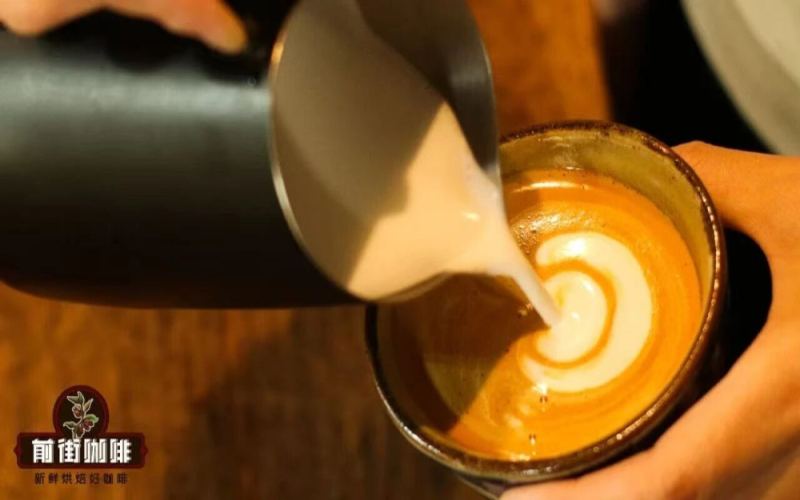
The Complete Guide to Steaming Latte Milk Froth: From Protein Structure to Pouring Technique, Preventing Froth Collapse
Freshly steamed milk foam is dense and glossy, and the latte art takes shape smoothly, but in the blink of an eye, sunken "craters" appear on the surface, and the pattern blurs and distorts along with them. This rapid collapse of milk foam troubles many latte enthusiasts. To solve this problem, it is necessary to start with the principles of foaming and foam stabilization by milk proteins, then troubleshoot the details in the steaming process one by one, such as temperature, steam moisture content, and the force of tapping the pitcher, while also paying attention to the crema condition of the espresso and the pouring technique. This article systematically sorts out the various causes of milk foam dissipating and provides actionable improvement suggestions to help you make fine, delicate milk foam that lasts. [more…]
Why Does Milk Frothing Always Go Wrong? A Full Guide to Analyzing Five Common Misconceptions and Practical Tips
Steaming milk is a fundamental skill every barista must master, but many people run into problems during the process, such as milk foam not incorporating, separating into layers, or dissipating quickly. Drawing on the hands-on experience of Front Street Coffee, this article systematically explains the principles of milk foaming, the key factors affecting incorporation, how milk foam performs at different temperatures, and the differences between steaming milk and frothing it by hand. It also compiles the five most common mistakes made when steaming milk, along with detailed steps for a tulip latte art pour, to help you comprehensively improve your milk foam quality and latte art skills. [more…]

Coffee Latte Art | Why Does the Surface of a Latte Become Rough After Sitting for a While? How to Improve Milk Foam Stability and Delay Defoaming?
The surface of a freshly made latte is incredibly fine and smooth. But if we leave it sitting without drinking it, we can see the smooth, delicate surface gradually become rough and uneven. This phenomenon is called "defoaming," a process in which the milk foam continuously dissipates. Milk foam is a frothy substance formed by injecting air into milk. [more…]
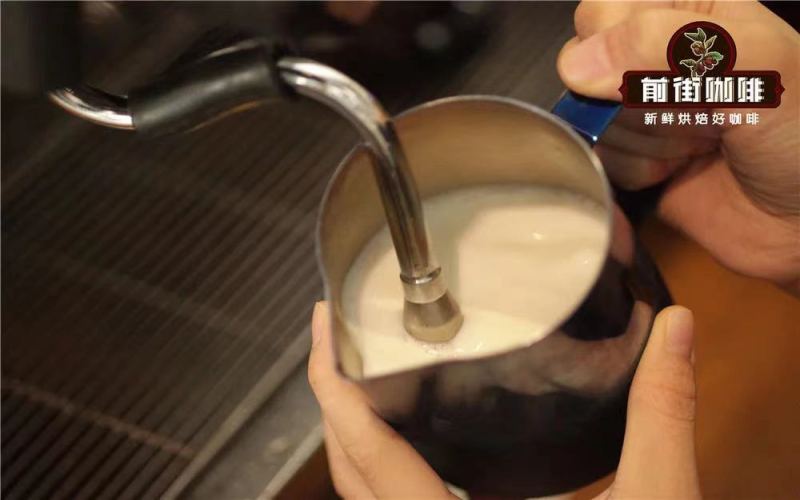
Milk Frothing Tutorial for Beginners | Why Does Milk Foam? How to Froth Milk for a Latte? What Are the Steps and Techniques for Latte Art Pouring and Integration?
At FrontStreet Coffee, steaming milk can be said to be a basic and core skill for every barista. Whether one can steam perfect milk is one of the factors used to judge whether a barista's level is up to standard. For example, the milk foam in a latte is on the thinner side, making it smooth and delicate to drink. The [more…]
Latte art tutorial | Why does milk foam? How can coffee beginners make latte art? What are the techniques for steaming milk for a latte?
Guide to Getting the Best Milk Foam, Why Does Milk Foam? Front Street Coffee (FrontStreet Coffee) - it can be said that steaming milk is a fundamental and core skill for every barista; whether one can steam perfect milk is a factor in judging whether the barista's skill level is up to standard. [more…]

The Principles of Milk Foaming and Latte Milk Frothing Techniques: A Complete Guide from Integration to Latte Art Patterns
Steaming milk is a fundamental skill that every barista must master, and the quality of the milk foam directly affects the taste of a latte and the result of latte art. Drawing on the practical experience of Front Street Coffee, this article explains in detail the physical principles of milk frothing, answers common problems such as foam that won't incorporate, separation, and surface bubbles, and explains how steam pressure and foam fineness determine incorporation. The article also compares the stability of milk foam at different temperatures, provides two frothing methods—manual and steam—summarizes five common mistakes, and finally includes a step-by-step tutorial on tulip latte art. Whether you are a beginner or a coffee enthusiast looking to refine your skills, you will find practical guidance here. [more…]
A Complete Guide to Espresso Crema: Causes, Persistence, and Its Connection to Flavor and Mouthfeel
That layer of brown foam on the surface of an espresso—Crema—is often regarded as an important visual marker for judging the quality of a shot. What exactly is it made of? Why is it sometimes thick and long-lasting, yet at other times fleeting? Does the thickness of the crema really determine whether the flavor is good or bad? Starting from the essence of Crema, this article will analyze its formation mechanism, the reasons it dissipates, the typical signs of under-extraction, and the signals conveyed by the depth of its color, helping coffee enthusiasts and professionals view this layer of foam more rationally and thereby improve their espresso-making skills. [more…]

Recreating a Coffee Panna Cotta Latte with Latte Art at Home: A Detailed Guide to Coffee Bean Selection and Setting
Recently, a "latte you can eat with a spoon" has quickly gone viral in the coffee world. It turns milk coffee into a semi-solid pudding texture that won't spill when the cup is tipped over, while still preserving latte art patterns. Today, Front Street Coffee is also putting it to the test to see whether this coffee panna cotta is really worth making. The article will break down everything one by one, from the amount of gelling agent used, the choice of coffee bean roast level, and the specific steps, to an analysis of common causes of failure. As long as you get the ratio of gelatin sheets, the milk foam temperature, and the syrup seasoning right, you can also make a smooth, delicate coffee panna cotta latte with long-lasting patterns at home. [more…]

Why Does Latte Milk Foam Disappear Right After Steaming? Five Common Causes and Fixes
The milk foam on the surface of a latte begins to break down the moment espresso extraction is complete and milk steaming ends, and the key indicator of its stability is the rate of foam dissipation. By normal standards, a latte made by Front Street Coffee will only show visible, obvious foam dissipation after sitting for about ten minutes. However, if a freshly made latte collapses, curdles, or turns into large bubbles within two minutes, something is wrong, and the causes need to be checked one by one. This article analyzes the reasons for rapid milk foam breakdown from five aspects—crema and foam coarseness, foam thickness, coffee bean freshness, number of pitcher taps, and evenness of integration—and provides the corresponding solutions that Front Street Coffee has summarized through actual practice. [more…]
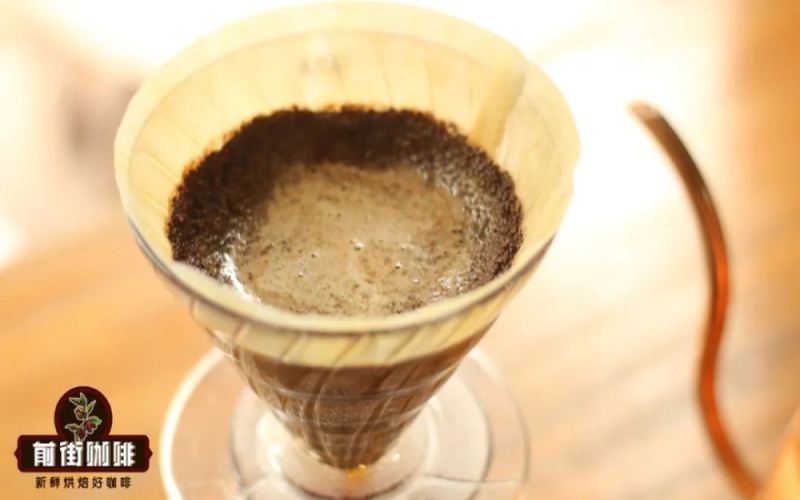
Why Does the Liquid in a Pour-Over Coffee Dripper Become Transparent? Troubleshooting and Solutions for Fine Particle Clogging and Bean Freshness
During a pour-over, if the liquid in the dripper suddenly turns clear and transparent, with no fine particles or foam suspended in it, this is usually not a good sign. This phenomenon often means something has gone wrong with the structure of the coffee bed—either fine particles have clogged the filter paper pores, or the coffee beans have been stored too long and their carbon dioxide has dissipated. Clogging prolongs the extraction time and in all likelihood ends with a bitter, over-extracted cup. This article analyzes the causes of the liquid turning transparent one by one from four angles—grind size, pouring flow, dripper design, and bean freshness—and offers adjustment plans verified by Front Street Coffee in actual brewing, to help you avoid the clogging trap when brewing light-roast beans and achieve consistent flavor. [more…]
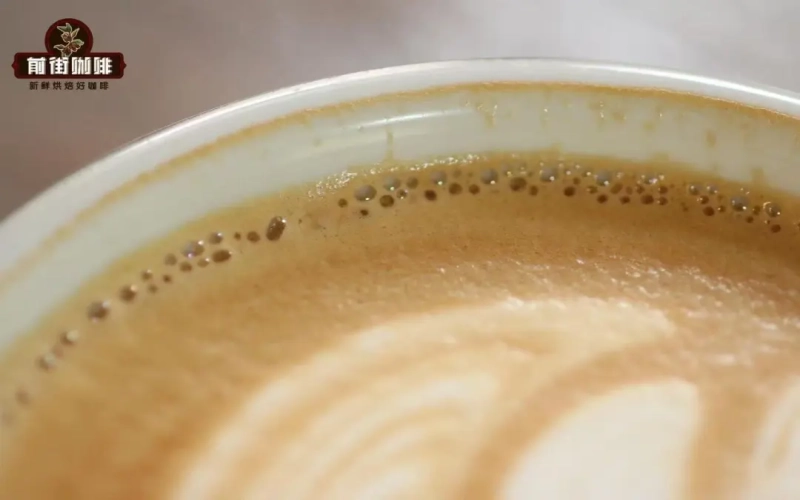
Why Does Milk Foam Break Easily in Latte Art? Analyzing Three Key Factors: Milk, Coffee Beans, and Steaming Technique
Many coffee enthusiasts encounter the frustration of large bubbles rapidly appearing on the surface when creating latte art, making it difficult for the pattern to last. This phenomenon may involve multiple causes, including deficiencies in technique as well as issues closely related to the condition of the materials used. This article will systematically analyze the common factors leading to decreased milk foam stability from three dimensions: milk quality, coffee bean freshness, and milk frothing quality. Among these, fresh milk is more susceptible to storage conditions due to different sterilization processes; after spoilage, the casein structure is damaged and cannot effectively encapsulate gas. Coffee beans that are too fresh release large amounts of carbon dioxide, which weakens the support of the crema. In addition, milk foam that is not frothed finely enough or is at too high a temperature can also accelerate bubble rupture. By understanding these principles, coffee enthusiasts can troubleshoot problems more effectively and improve their latte art results. [more…]

A Complete Guide to Espresso: Extraction Parameters, Workflow, Flavor Characteristics, and Drinking Guide
Espresso is the foundation of many coffee drinks and an important benchmark for testing a barista's basic skills. Front Street Coffee uses a classic espresso blend, and through precise control of dose, liquid yield, and extraction time, it delivers a stable and outstanding espresso flavor. This article systematically outlines the steps and parameter logic for making Espresso, analyzes the causes and significance of the golden foam Crema on its surface, and explains the extraction principles behind its high-concentration taste. Whether you want to learn how to taste a standard espresso or hope to master the key points for recreating it at home, you can gain practical reference from it. [more…]
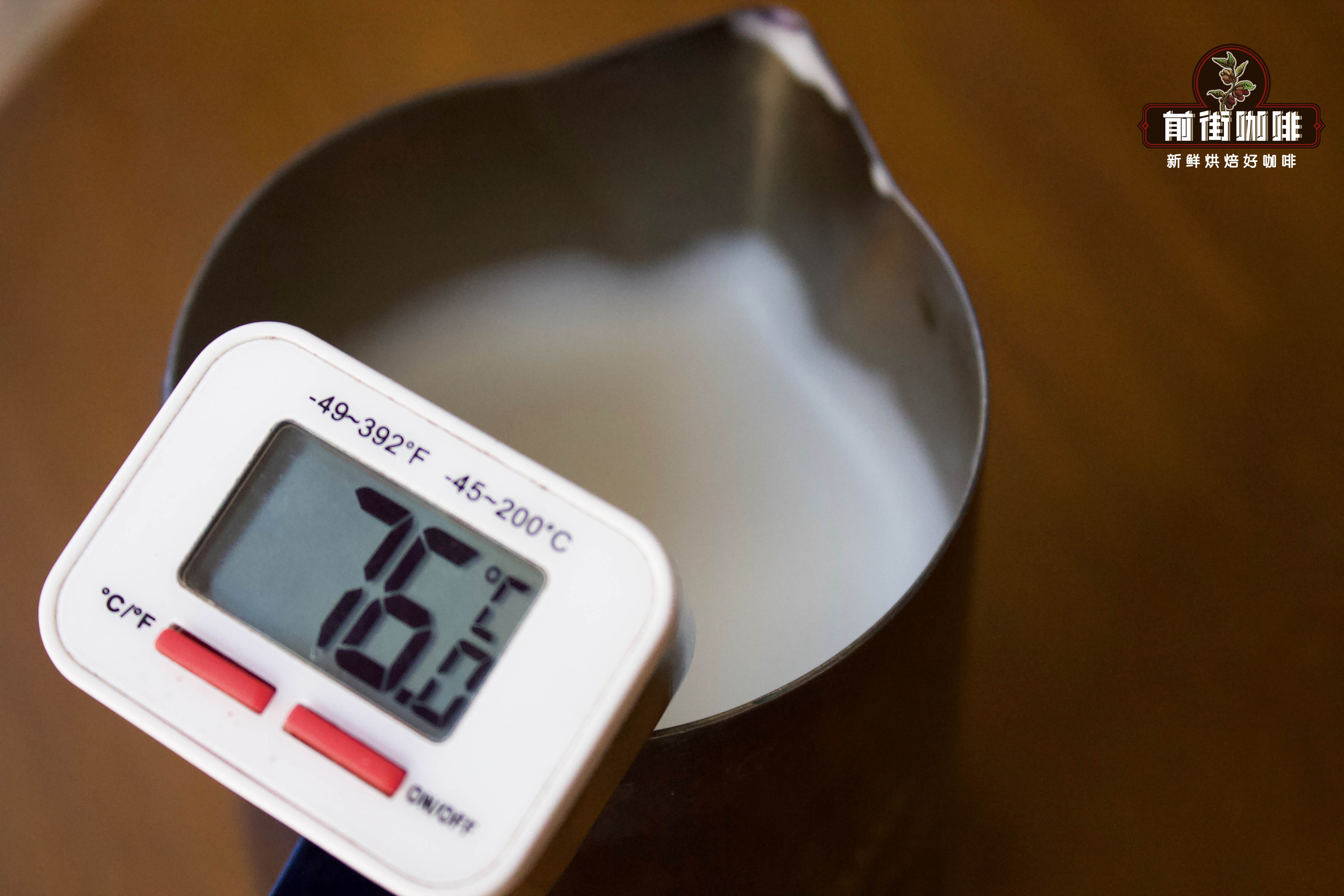
Which type of milk produces more long-lasting foam? A full guide to the milk-frothing process, techniques, and practical key points for beginners
When beginners practice latte art, milk foam is often difficult to froth or dissipates quickly. In fact, the choice of milk and the frothing technique both directly affect foam quality. Front Street Coffee, drawing on practical experience, has sorted out the differences between shelf-stable and chilled milk, and between whole and skim milk, and explains in detail the temperature control, operational details, and common issues of steaming milk foam. The article also analyzes how the ratio of milk to foam, personal skill, and standing time affect foam durability, helping coffee enthusiasts systematically master the key points for producing fine, dense milk foam. [more…]