







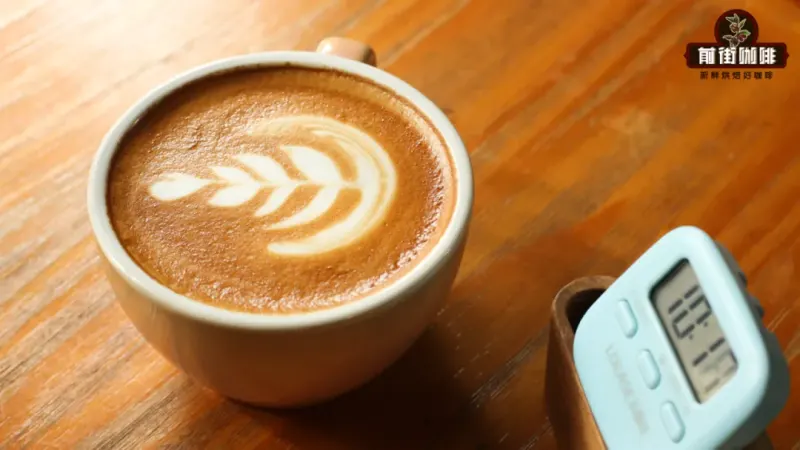
Does the Latte Milk Ratio Affect How Fast Foam Collapses?
Milk foam is a bubble system in which liquid films enclose gas. As liquid drains, the films thin and bubbles burst, so some collapse is unavoidable. When a hot latte loses its shape within minutes, the bubbles are unstable. Three causes stand out: poor foam quality, espresso crema that is too dry, and preparation mistakes that speed up defoaming.
Temperature and texture are central to foam stability. Steaming milk to the right point and keeping the texture dense both extend how long the foam holds. Crema quality ties into the same balance, since what is crema in coffee is the layer of oils and gas that sits under the foam. Getting the latte milk ratio and the pour right keeps latte art and mouthfeel steady.
Many coffee enthusiasts find that when making a hot latte, the freshly steamed milk foam begins to collapse, separate, and even completely lose its shape within just a few minutes. Milk foam is essentially a bubble system formed by liquid films encapsulating gas. Once the liquid film thins to a certain point, the bubbles burst, making defoaming an inevitable phenomenon. However, if the dissipation rate is abnormally fast, it indicates a problem with bubble stability. There are three main reasons for this: the quality of the milk foam itself is subpar, the crema of the espresso is too "dry," and mistakes during the preparation process accelerate the collapse. This article will analyze from these three perspectives and, combined with the practical experience of Front Street Coffee, help readers understand how to improve milk foam durability so that latte art and the mouthfeel of milk coffee are both more stable.
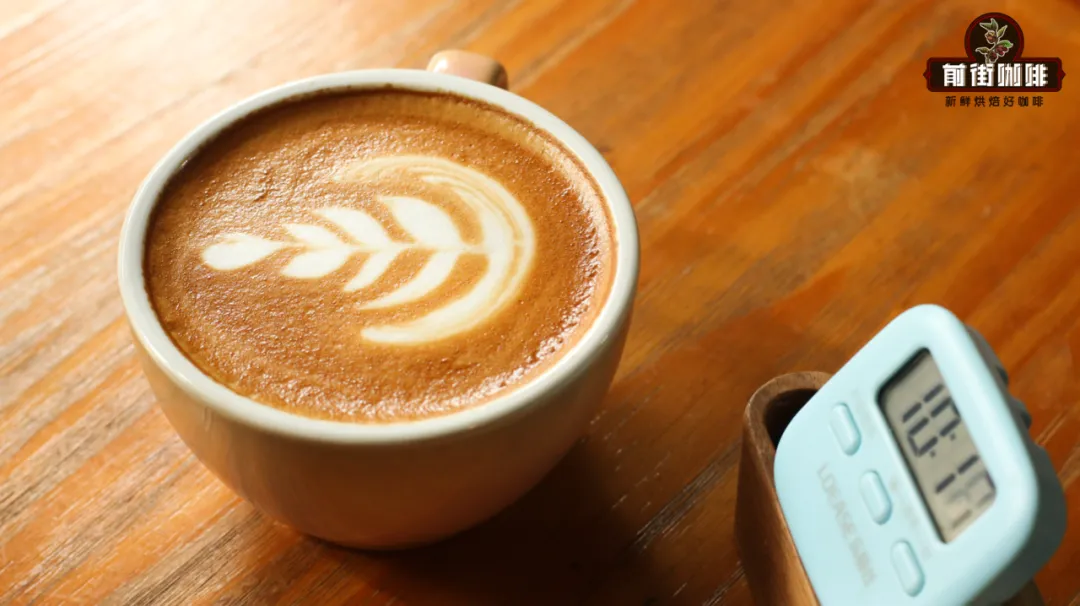
Actually, both scenarios are possible, because milk foam is essentially a bunch of bubbles. The liquid film wrapping the gas gradually thins as the liquid continuously drains away. Once it thins to a critical point, the bubbles burst. Therefore, the eventual dissipation of milk foam is unavoidable.
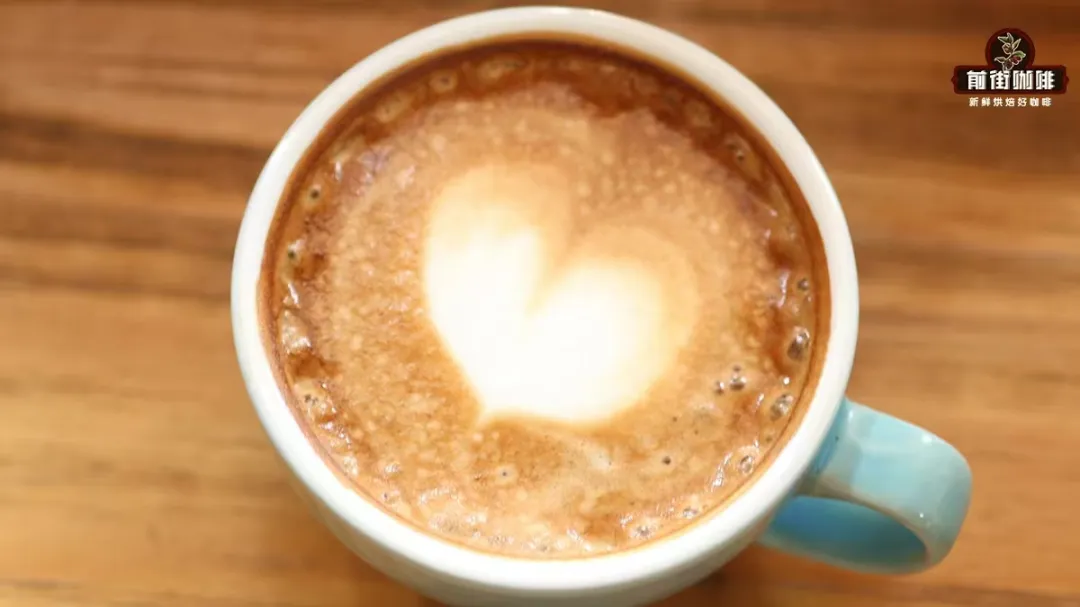
However, under normal circumstances, the overall duration that milk foam can be maintained is still relatively considerable. If the hot latte we make shows severe defoaming within just a few minutes, like the image below where it has completely lost its shape, that means the stability of these bubbles is low, causing the collapse rate to be significantly accelerated.
There are three main categories of causes for this phenomenon: subpar milk foam quality, espresso crema that is too "dry," and mistakes during operation that further accelerate the defoaming rate.
I. The Quality of the Milk Foam
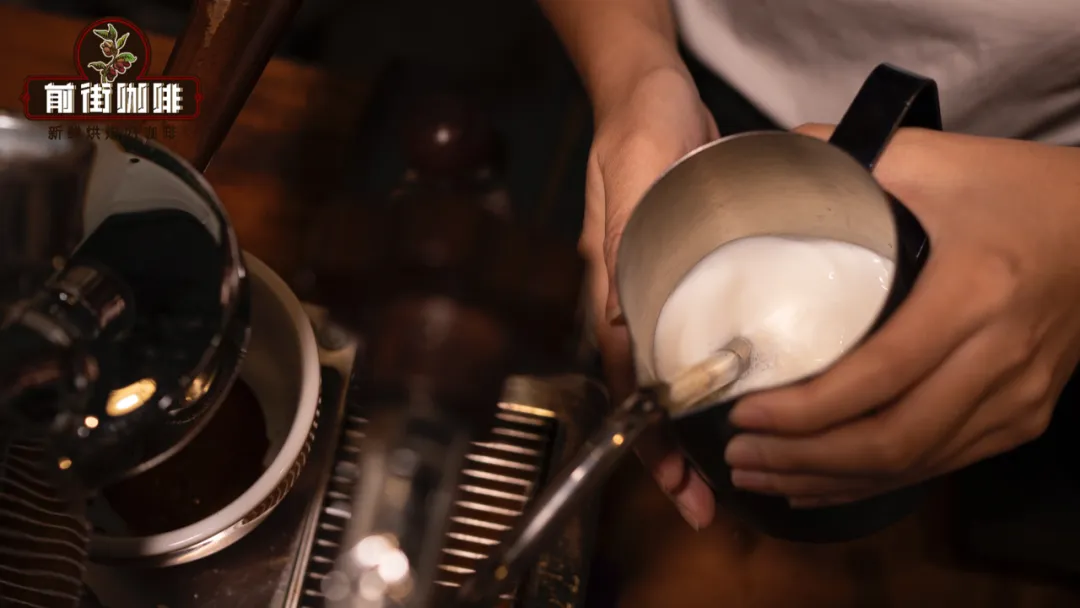
In the article "What Kind of Milk Foam Is Best for Latte Art?", Front Street previously shared that to create beautiful latte art, producing a high-quality milk foam is a basic prerequisite. The right milk temperature and a dense texture are both extremely crucial. And these two points are equally closely related to the stability of the milk foam.
The above content is compiled by CoffeeHunters, a coffee news website.


