







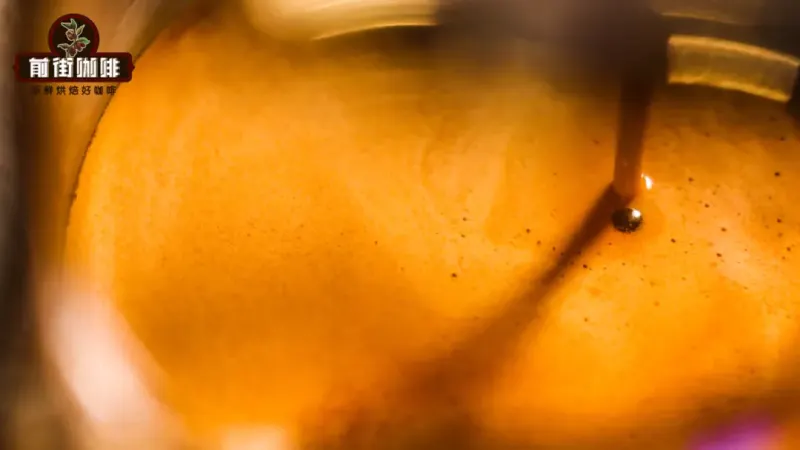
That layer of brown foam on the surface of espresso—Crema—is often regarded as an important visual indicator for judging the quality of a shot. What exactly is it made of? Why is it sometimes thick and long-lasting, yet other times fleeting? Does the thickness of the crema truly determine whether the flavor is good or bad? This article starts from the essence of crema, analyzing its formation mechanism, the reasons it dissipates, the typical signs of under-extraction, and the signals conveyed by the depth of its color, helping coffee enthusiasts and professionals view this layer of foam more rationally and thereby improve their espresso-making skills.
To pull a delicious shot of espresso, understanding the essence of crema is crucial. This time, Front Street Coffee will walk you through a detailed breakdown of this layer of crema, giving you a clearer understanding of espresso and helping you continually improve your technique in daily practice.
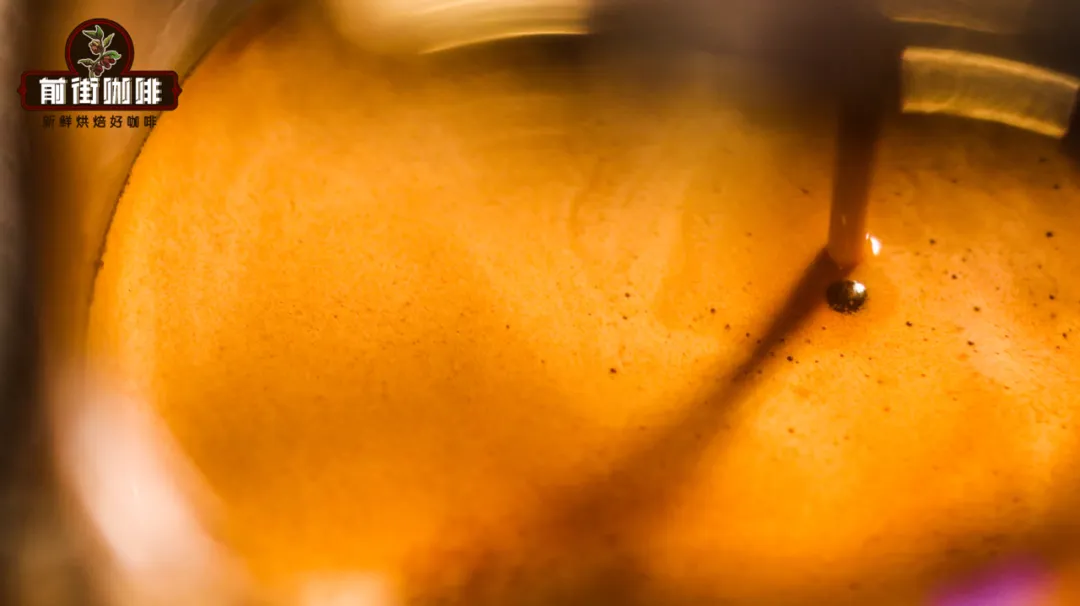
In the pursuit of an espresso that is not bitter and has outstanding flavor, disappointing results can be encountered almost every day, and coffee crema is one of the important clues for diagnosing problems. Whether ordering at a café or brewing at home, an espresso with a thick, dark brown Crema is always the goal everyone strives for.
The surface of espresso is covered with a layer of foam made up of dense, tiny bubbles—this is what is commonly called "coffee crema," and on top of it, special markings resembling tiger stripes will also appear. Beneath the foam are particles containing emulsified microscopic oil droplets, as well as a liquid in which sugars, acids, protein-like substances, and caffeine are dissolved, with bubbles and solid particles suspended in it.
What exactly is coffee crema? Why does it dissipate?
During the coffee roasting stage, a series of complex chemical reactions occurs within the beans, generating a large amount of carbon dioxide. Most of this gas is naturally released during storage of the roasted beans, but a considerable amount remains locked within the cell wall structure.
What is most closely related to the 9 bar pump pressure is the emulsification process of the insoluble oils in the coffee. In addition, water pressure has another key role: it allows water to reach a supersaturated state with carbon dioxide, increasing the gas's solubility in water so that the amount dissolved far exceeds the level under normal atmospheric pressure. This is precisely why hot water passing through the puck generates thousands of tiny bubbles.

The factors causing coffee crema to fade are mainly two: the crema itself and the effect of gravity. After surfactants dissolve in water, gravity continuously pulls the coffee substances in the foam layer downward, while also dragging on the substances coating the surfaces of the bubbles, causing the bubbles to gradually become fragile, lose their elasticity, and eventually burst rapidly. How quickly the foam layer disappears depends mainly on the efficiency of gravity's pull.
For a properly extracted espresso, the foam on its surface will last noticeably longer than that of an under-extracted espresso. The reason is that a correctly extracted espresso has a thicker overall structure, which can also be verified through its mouthfeel.
Reasons for thin crema
The carbon dioxide content of the coffee beans used during extraction is the primary factor determining how rich the crema is (insoluble oils rank only after it). The higher the carbon dioxide reserves in the beans, the more abundant the coffee crema the espresso can present, provided the extraction is proper. Therefore, the thickness of the crema cannot directly determine the taste.
And the first factor affecting the carbon dioxide content of the beans is the degree of roast. The darker the roast, the higher the beans' expansion rate, and the more carbon dioxide generated during roasting they can contain. At the same time, as the roast deepens, the oils that migrate to the bean surface also increase, which can make the extracted espresso crema more stable and longer-lasting. If you want a richer crema, you can choose Front Street. Front Street Classic Espresso Blend; the espresso it produces has both a full-bodied mouthfeel and the flavors of spice, caramel, butter, and dark chocolate.
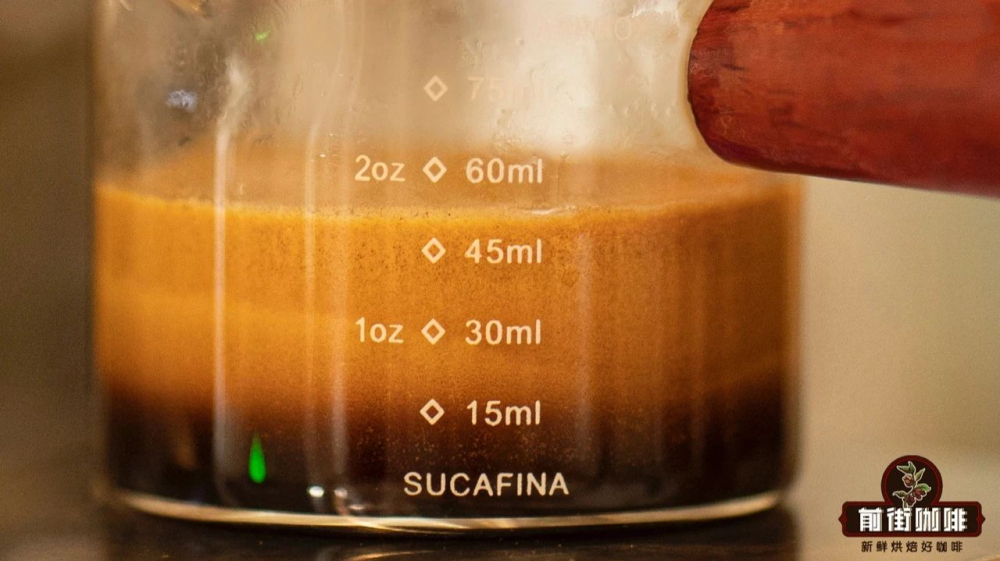
If you find that the espresso you make has particularly thin crema and insufficient aroma, it indicates a problem with the extraction. There are three possible reasons:
1. The coffee machine's pressure is insufficient. Standard espresso requires at least 9 bar, while many small home coffee machines fall far short of this level, so the resulting espresso has only a few scattered small bubbles;
2. The grind is too coarse. The coffee grounds' particles are too large, water passes through too quickly, and the internal gases find it hard to gather and form crema;
3. The temperature is too low. Extraction efficiency is poor, and the coffee crema cannot coalesce into shape.
The color of coffee crema: what can it tell us?
During normal extraction, Crema should appear reddish-brown. But when an espresso's crema is paler, or so dark it is almost burnt brown, what does that mean? The answer is somewhat related to the espresso itself. Because crema is the bubbles in the espresso that encapsulate carbon dioxide, if the foam layer looks very dark, it can usually be inferred that the color of the espresso liquid is likewise on the dark side.
When making espresso, if the extraction time is only 15 seconds, the resulting espresso often carries a layer of very pale coffee crema, because the extraction is insufficient—the water did not have enough time to dissolve out the soluble substances in the coffee, so it also lacks the viscosity comparable to an espresso made with a 25-second extraction time.
By the same reasoning, espresso extracted at too low a water temperature will also show pale crema, because low temperatures make it difficult to effectively extract the soluble substances in the coffee. Conversely, this also confirms that over-extracted espresso will be darker in color than normally extracted espresso, and a ring of burnt dark outer edge will also appear on the surface of the crema.
The above content is compiled by CoffeeHunters, a coffee news website.


