







What Are the Key Espresso Extraction Parameters?
A standard espresso uses a double basket dosed at about 18-20 grams, with 20 grams weighed in service. The extraction ratio is set at 1:2, so 20 grams of grounds yield 40 grams of liquid, and shot time is held between 20 and 35 seconds; most output falls in the 28-30 second range. Shots under 20 seconds taste thin, while over 35 seconds can turn bitter.
The workflow matters as much as the numbers: wipe the basket, grind a double dose onto a scale, level the coffee bed with a distribution tool, then tamp vertically to compact the puck. Running water for 1-2 seconds wets the group head and rinses residue. Understanding how does an espresso machine work helps explain the golden crema and the concentrated taste behind these settings.
Espresso is the base for many coffee drinks and an important benchmark for testing a barista's basic skills. Front Street Coffee uses a classic espresso blend and, through precise control of dose, yield, and extraction time, presents a stable and outstanding espresso flavor. This article will systematically outline the steps and parameter logic for making Espresso, analyze the causes and significance of the golden foam Crema on its surface, and explain the extraction principles behind its high-concentration taste. Whether you want to understand how to taste a standard espresso or hope to master the key points for recreating it at home, you can gain practical reference from it.
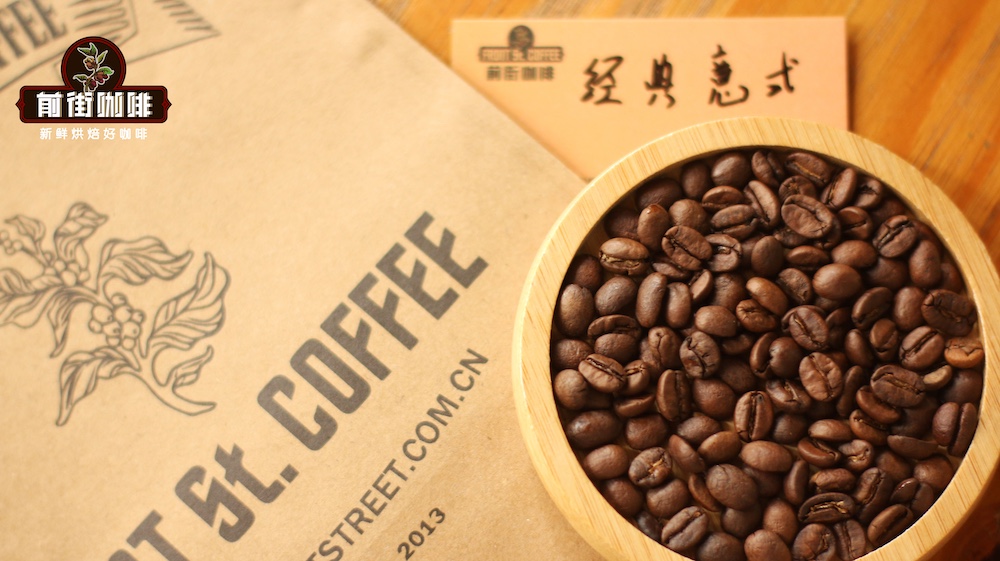
When making espresso, FrontStreet Coffee uses "Front Street Classic Espresso Blend" coffee beans. The barista will first complete the debugging of the extraction parameters and confirm that the condition is stable before officially serving the coffee.
Front Street stores use a double basket, with a capacity design of about 18–20 grams, and in actual service 20 grams of coffee grounds are weighed. The extraction ratio is set at 1:2, meaning 20 grams of grounds correspond to 40 grams of coffee liquid. Extraction time is closely related to flow rate and is usually controlled between 20–35 seconds per shot—less than 20 seconds easily leads to a thin taste, while more than 35 seconds may cause over-extraction and bring out burnt bitterness. Most of Front Street's espresso output falls within the 28–30 second range.
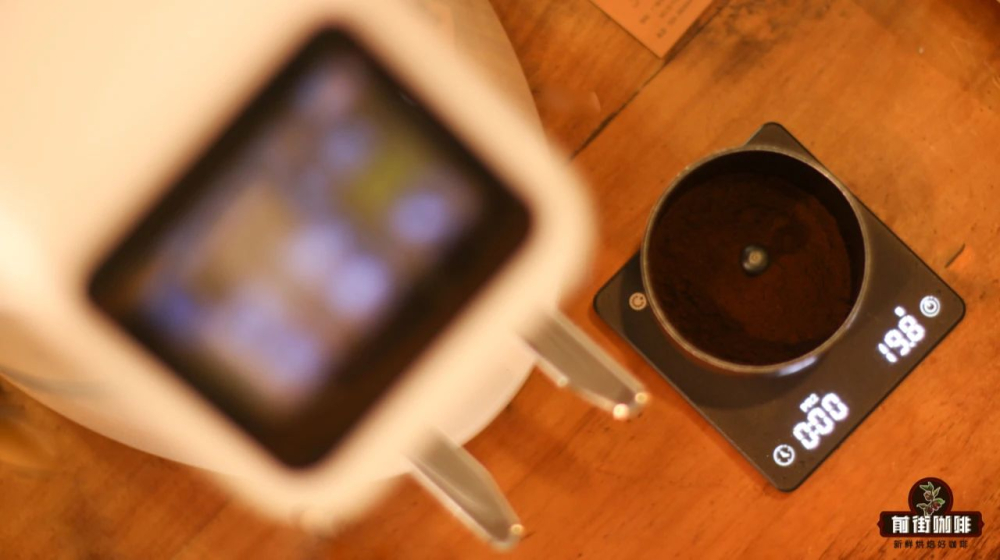
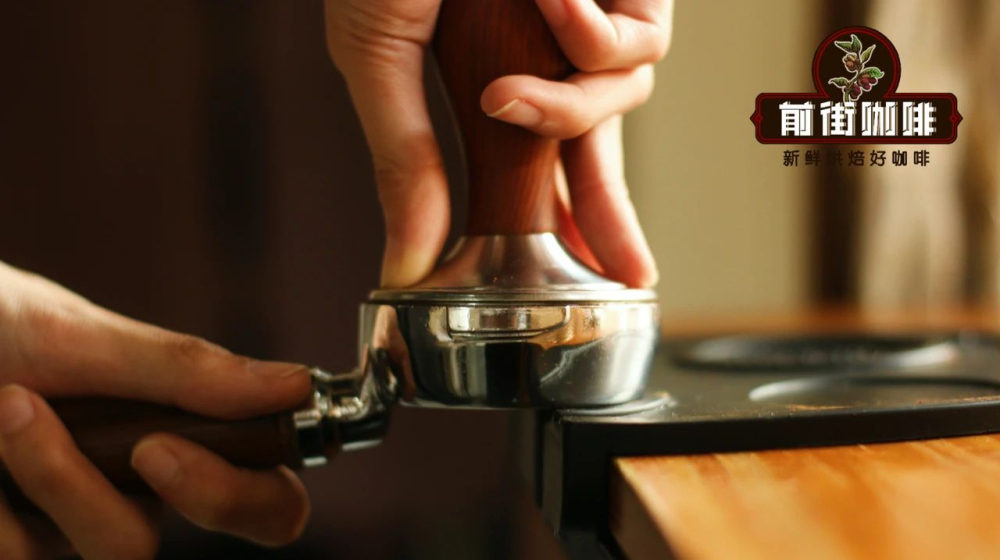
Before starting extraction, first wipe the basket clean, start the grinder to grind a double dose of coffee grounds, and place it on the electronic scale to adjust to 20 grams. Then use a distribution tool to spread the coffee bed evenly, and then use a tamper to apply force vertically downward to compact and level the coffee puck, laying the foundation for stable extraction.
Next, turn on the extraction switch and let water run for 1–2 seconds to wet the group head while also flushing away residual coffee grounds. Place an electronic scale under the cup that will receive the Espresso and tare it to zero, and place it under the group head during extraction.
Lock the portafilter steadily onto the group head and turn down the extraction switch. Pay attention to changes in the state of the extracted liquid. When the electronic scale shows that the coffee liquid has reached 40 grams and the time is about 30 seconds, pull down the switch to stop extraction. Brewing parameters will fluctuate slightly with daily air humidity and the condition of the coffee beans, so the dose, grind setting, or liquid weight need to be adjusted accordingly.
The completed Espresso can be drunk directly. Paired with a glass of water to rinse the mouth, it allows you to better feel the dense oily foam and the mellow texture of the coffee liquid beneath. If you find the bitterness too strong, you can also dilute it with water or milk according to personal preference to make the taste softer.
Main characteristics of espresso
Espresso, also called Espresso, is a coffee liquid obtained by Italians using a pressurized coffee machine to extract quickly at high temperature, with a layer of golden foam covering the surface. Different stores choose different espresso beans and extraction schemes, so the flavor will naturally vary, but a standard cup of espresso usually has the following two characteristics.
Cream
When ordering an espresso in a coffee shop, when the barista has just made it and serves it at the table, you can see a thick layer of golden foam floating on top of the liquid. This is Cream.
Coffee beans generate a large amount of gas during roasting. The high-pressure water flow dissolves out some of the carbon dioxide, but after the coffee liquid returns to normal atmospheric pressure, it cannot continue to retain all the gas, so countless tiny bubbles surge out from the liquid and remain on the surface to form a seemingly stable layer of "bubbles." Abundant, dense Cream indicates that the coffee beans used are freshly roasted. As time passes, the gas inside the beans continuously dissipates; the longer it has been since the roast date, the lower the carbon dioxide content, and the thinner the foam layer during extraction.
If a cup of espresso has no Cream on the surface, it is very likely that the coffee beans have been stored too long, or that the espresso has been left for too long after being made, causing the foam to dissipate. The darker the color of the Cream, the more intense the flavor usually is—at high temperatures, coffee beans undergo the Maillard reaction, and beans with a darker roast level have a darker foam layer and a richer taste.
High concentration
A single espresso needs to release a large amount of soluble substances in just a few dozen seconds, so the coffee grounds must be ground extremely fine and evenly. Under the action of near-boiling hot water and 9 atmospheres of high pressure, espresso has a very high concentration, the flavor is doubled and concentrated, and it presents a strong impact on the palate. After swallowing, various aromas remain in the mouth, with a lasting aftertaste. Because of this, many coffee shops serve a glass of water alongside a strong espresso when presenting it to customers.
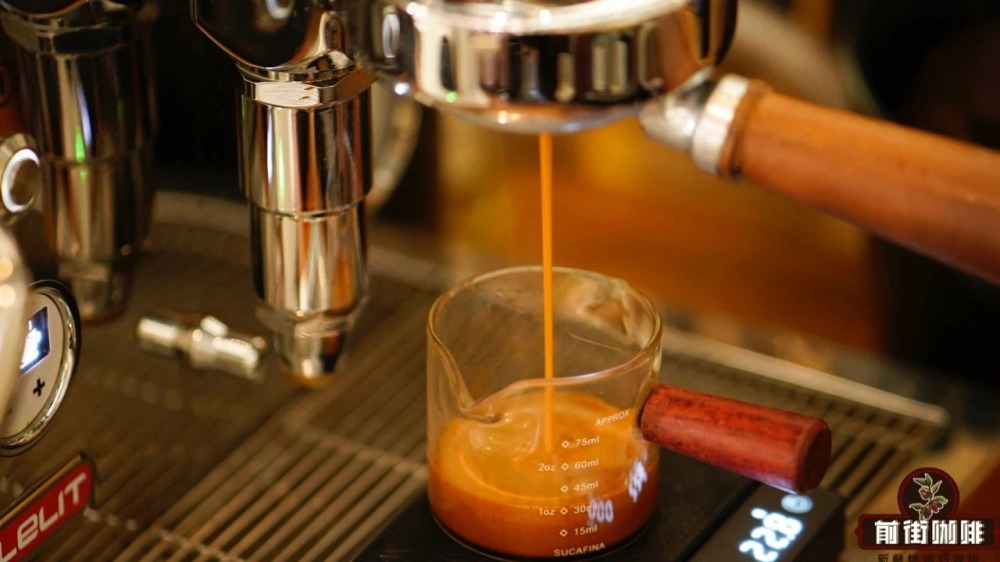
A freshly made espresso is covered on the surface with a thick, dense golden foam called crema. This is the result of carbon dioxide produced by freshly roasted coffee beans foaming under the high-pressure environment of the coffee machine. In order for customers to drink full aroma and enjoy the most complete tasting stage, Front Street only ships fresh coffee beans within 5 days after roasting.
The above content is compiled by CoffeeHunters, a coffee news website.


