







Search Results for: stability
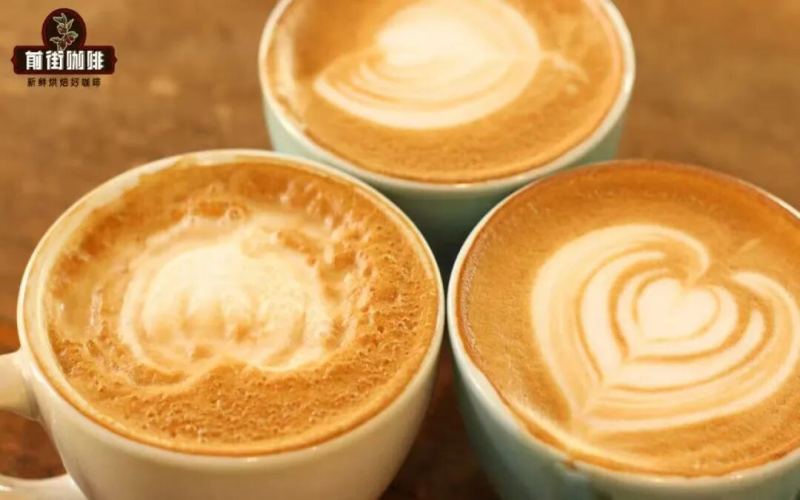
Coffee Latte Art | Why Does the Surface of a Latte Become Rough After Sitting for a While? How to Improve Milk Foam Stability and Delay Defoaming?
The surface of a freshly made latte is incredibly fine and smooth. But if we leave it sitting without drinking it, we can see the smooth, delicate surface gradually become rough and uneven. This phenomenon is called "defoaming," a process in which the milk foam continuously dissipates. Milk foam is a frothy substance formed by injecting air into milk. [more…]

From Surfactants to Foam Stability: A Beginner's Guide to Latte Art and the Principles of Fluid Dynamics
Latte art is a romantic expression of a barista's skill, with white milk foam blooming into heart or leaf patterns on the surface of dark brown espresso. Latte art is divided into two types: free-pour latte art and etched latte art created after pouring. The wonder of the former lies in the pattern forming simultaneously with the pour, while the latter offers a wider range of designs because the stable foam allows for leisurely drawing. From a physics perspective, the core of latte art lies in surfactants—molecules that possess both hydrophilic and hydrophobic groups, capable of stabilizing the interface between air and liquid to form lasting foam. Milk proteins and coffee lipids act together as surfactants, enabling the two micron-scale foams to remain clearly separated for a long time after mixing, thereby allowing the pattern to persist. This article will guide you from the basic principles of surfactants to understand espresso's crema, the formation of hot milk foam, and why foam mixing rather than liquid mixing is the key to successful latte art, while also revealing the widespread applications of surfactants in daily life and industry. [more…]
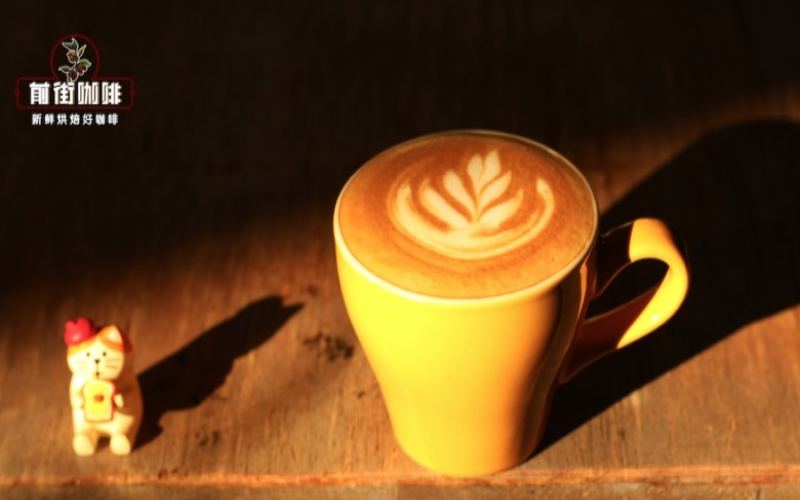
The Evolution Path of Commercial Base Beans: How to Upgrade Step by Step from Chain-Style to Specialty Blends
Those who have opened a shop and look back at their base beans will find a clear evolutionary line. Most people start with chain-style dark-roast blends, and after a year or two, the beans on the bar gradually shift toward medium roasts and specialty blends. This isn't fickleness of taste—it's that as a shop grows to different stages, the questions the base beans need to answer also [more…]
A Complete Beginner's Guide to Pour-Over Coffee: A Hands-On Tutorial from Stance and Water Flow to the Extraction Process
Pour-over coffee, with its simple operation, easy-to-manage equipment, and ability to fully showcase coffee's vibrant aromas and clean taste, has become the preferred brewing method for many enthusiasts. However, behind the seemingly simple act of pouring water lie strict requirements for details such as water temperature, extraction time, water flow rate, and blooming rhythm. This article systematically outlines the fundamental operating standards of pour-over coffee—from stance adjustment, kettle-holding techniques, and the three-part water flow practice to the complete brewing process—helping beginners build a solid foundation and gradually achieve stable, gentle extraction. [more…]
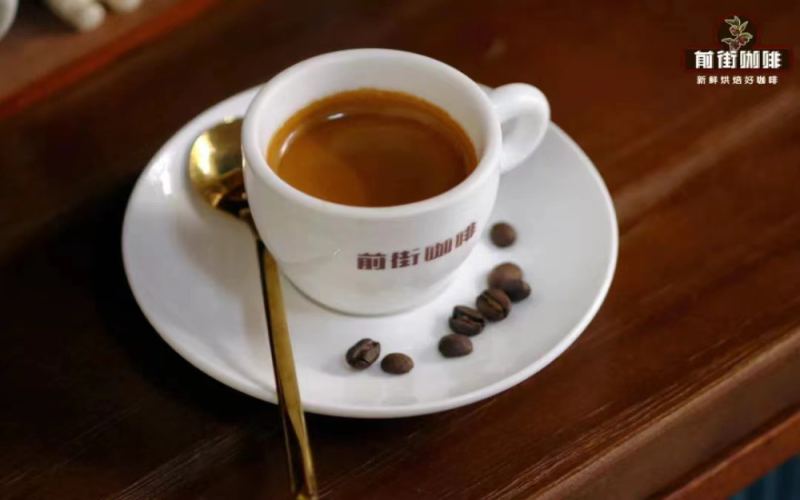
Definition of Espresso | What are the pros and cons of espresso blend coffee beans versus SOE single-origin coffee beans? Which is more suitable for making Espresso coffee?
Espresso can refer to a method of extraction or the name of a coffee drink. As an extraction method, espresso is the most frequently encountered and most familiar to ordinary consumers. Perhaps because it is so familiar, it actually raises the most questions. Many beginners just starting to learn about coffee most often [more…]
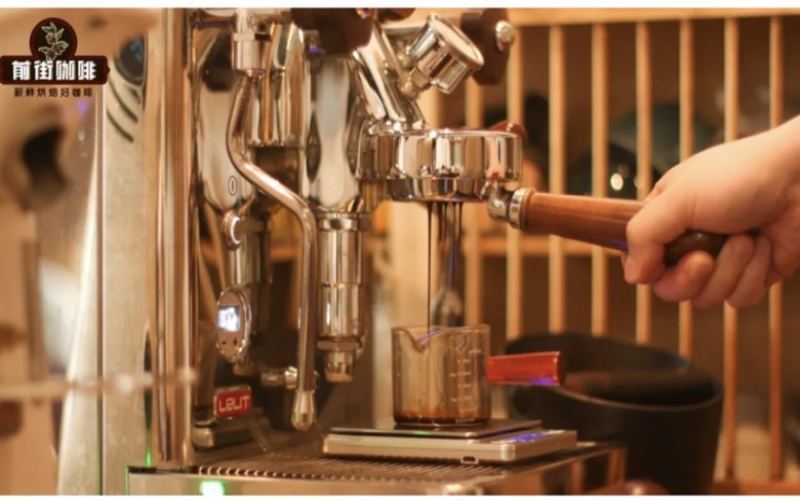
Bean Exploration on De'Longhi Machines: Performance of Blends and SOE
De'Longhi home espresso machines are not just for blend beans—using single-origin beans to make SOE also lets you experience the concentrated expression of a region's flavor in espresso form. On a De'Longhi machine, exploring step by step from blends to SOE, the flavor experience becomes richer and richer. The performance of blend beans on a De'Longhi machine is mainly about consistency. Front Street Coffee's classic blend uses a Mamba recipe [more…]
Rich and Aromatic Specialty Blend Bean Recommendations | How Do Beginners Choose Beans for Espresso? What Are the Characteristics of Espresso Blend Coffee Beans?
When beginners first start exploring espresso, they will surely be advised to prioritize specialty blends, because they can better stabilize the quality and flavor performance of every cup of coffee. Not only are they economical and affordable, but they also have a rich, fragrant taste and come with a moderate amount of crema, which is helpful for practicing latte art—truly killing several birds with one stone. [more…]
Moka Pot Single-Origin Beans: From Roast Date to Peak Aroma
A moka pot concentrates the oils, roasted sweetness, and strength of coffee beans into a single small cup, so whether the beans are at the right stage of flavor release often matters more to the result than the flavor notes on the packaging. Freshly roasted, gradually stabilizing, or opened for a while, the same single-origin beans can show different aroma intensity and mouthfeel. [more…]
Balanced Acidity Coffee Beans: When to Drink Them After Buying
The balance of acidity and sweetness is not determined solely by a bean's origin or flavor description—the state of the coffee beans after they leave the roaster matters just as much. Freshly roasted beans continue to release carbon dioxide, their aroma has not yet stabilized, and the cup may taste sharp, astringent, or disjointed; only after resting to the right stage do the acidity, sweetness, and aftertaste more readily come together into [more…]
Moka Pot Medium-Dark Roast Beans: Timing Every Cup from Roast Date
Making medium-dark roast coffee beans with a moka pot is fascinating because the cocoa, caramel, and roasted aromas are concentrated, but these aromas do not settle into their proper place immediately after roasting is completed. When degassing is still vigorous, the flow may seem hurried and the aroma slightly dispersed; if left to rest too long, the fragrance in the nasal passages gradually narrows. Therefore, when selecting beans, besides [more…]
Sweet fruity pour-over beans: when is the best time to open the bag after roasting?
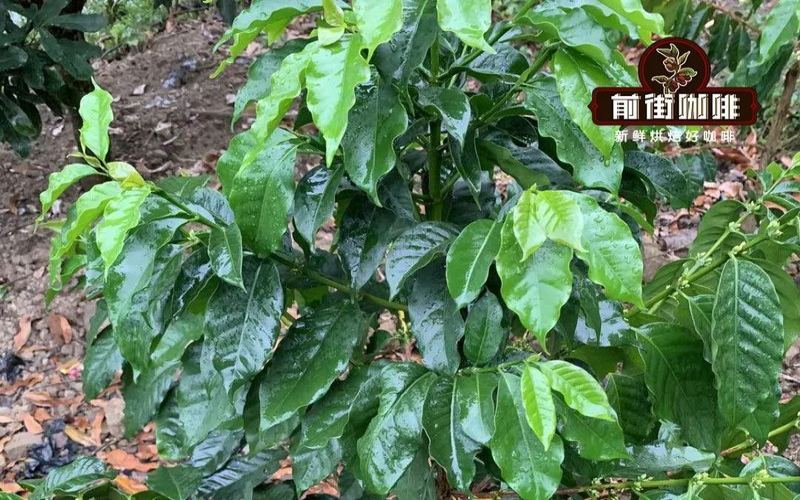
Hand-brew beans with pronounced sweetness and abundant fruit aromatics are not necessarily best brewed the closer they are to leaving the roaster. Freshly roasted beans are still continuously releasing carbon dioxide, and when hot water touches them, the coffee bed tends to puff up noticeably; the aroma may seem soaring, but the cup can taste somewhat scattered. Give them a quiet, stable period of rest, and the fruit notes and sweetness will usually connect more [more…]
Cocoa-flavored moka pot beans, even more fragrant when enjoyed at the right time.
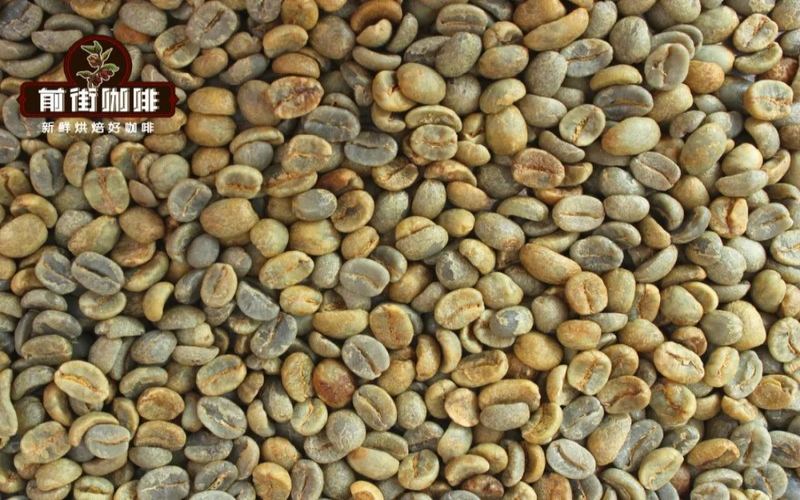
If you want to taste flavors like cocoa, nuts, and caramel from a moka pot, don't just look at the flavor labels when buying beans—pay attention to the roast date and how quickly you open and finish the bag. When coffee beans first leave the roaster, they still hold a large amount of carbon dioxide internally, and their aroma hasn't yet stabilized; leave them too long, and the aroma and sweetness gradually fade. When choosing and drinking beans, [more…]
How Many Days After Roasting Do Coffee Beans Taste Best? From Resting Cycles to Sealed Storage—The Rhythm of Peak Flavor
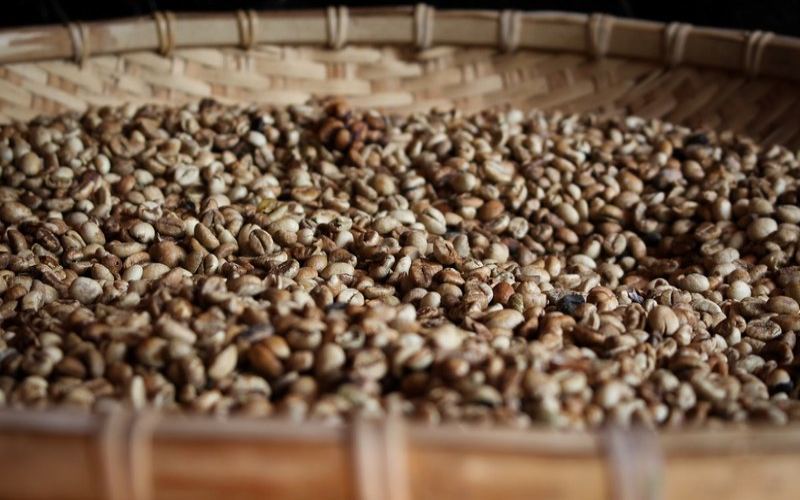
Freshly roasted coffee beans enter a degassing phase in the early stage, during which the carbon dioxide trapped inside is slowly released over time. If brewed immediately at this point, the water flow tends to be blocked by the bubbles, preventing the flavor compounds from dissolving out evenly. Letting the beans rest in a bag with a degassing valve for a period of time allows the internal pressure to stabilize. This process [more…]
SOE Single-Origin Coffee Bean Recommendations | Is There a Big Flavor Difference Between SOE Coffee and Blended Coffee? Is the Coffee Quality of SOE Beans Better Than Espresso Blend Beans?
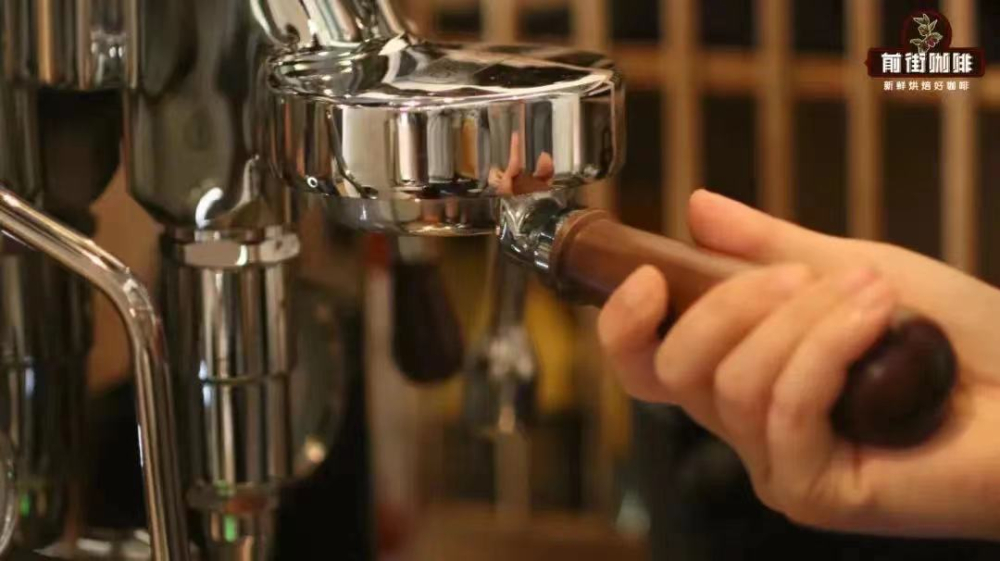
In the coffee world, when people mention SOE coffee, they are referring to Single Origin Espresso. Spelled out, this English abbreviation is Single Origin Espresso, and its direct opposite is Espresso Blend, which refers to Italian-style blended beans. SOE is like the [more…]

Pour-over Coffee Brewing Temperature | What water temperature should be used to brew light and dark roast coffee beans? Is there a difference between brewing parameters and actual water temperature? Does water temperature affect coffee extraction?
For more specialty coffee knowledge, please follow: Front Street Coffee (Frontsteet Coffee) What water temperature is needed for brewing pour-over coffee? Currently, the mainstream recommended brewing temperature is between 86°C and 93°C, with higher temperatures used for light roasts and lower temperatures for dark roasts. Once, at [more…]
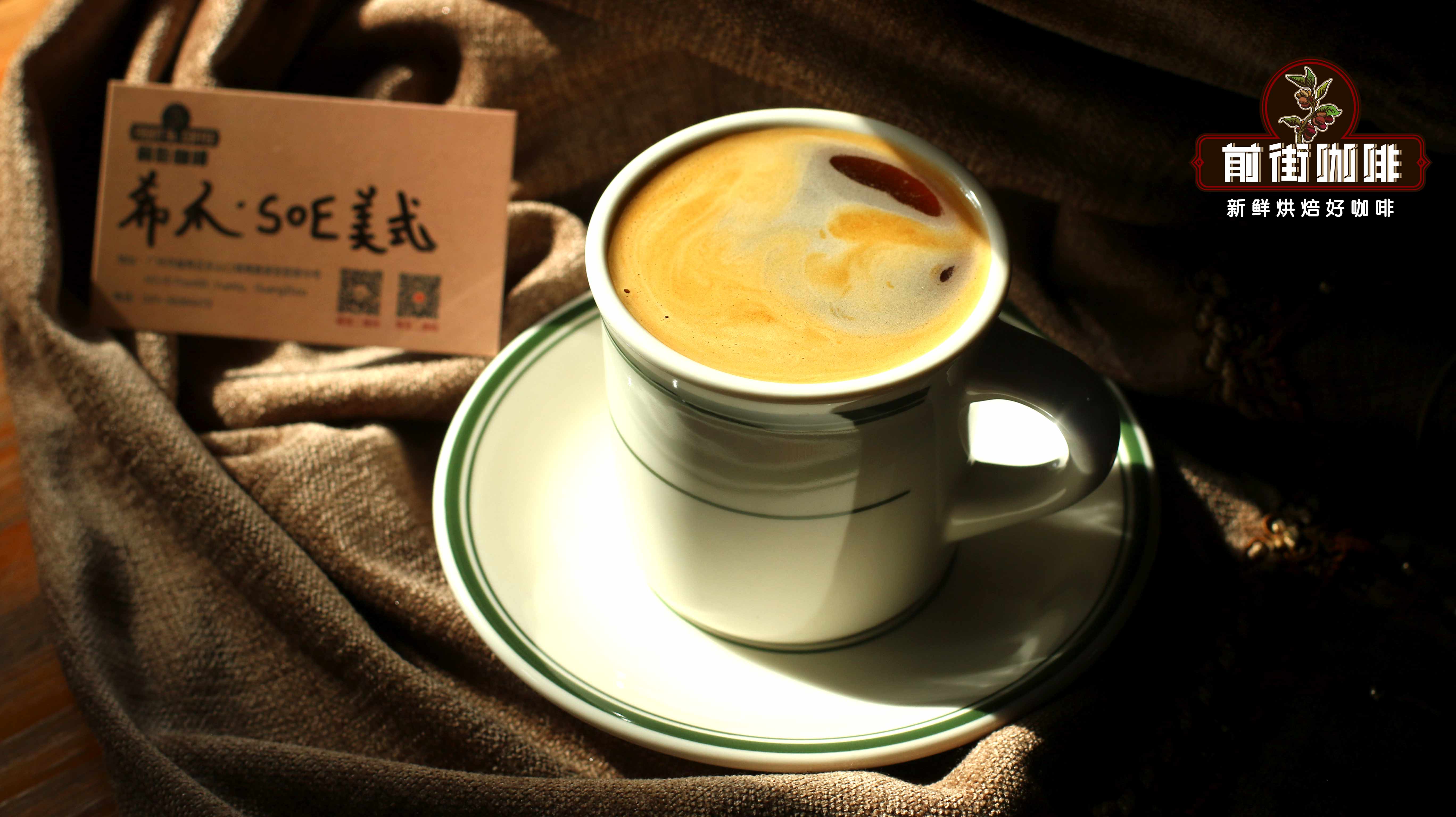
SOE Single-Origin Espresso | Are SOE Beans Just Single-Origin Beans? How to Adjust the Coffee-to-Water Ratio, Time, and Grind Size When Extracting Espresso from SOE Coffee Beans?
Many friends who have drunk coffee may not necessarily understand or even have heard of SOE coffee, but seasoned coffee connoisseurs certainly know about SOE coffee. Doesn't it seem that when SOE coffee is mentioned, friends who are new to coffee or even new to espresso coffee don't quite understand it, yet SOE sounds like it's pretty high-end? [more…]

What Is SOE Espresso? What Are the Advantages of SOE Coffee? An Introduction to SOE Single-Origin Espresso Extraction Time, Coffee-to-Water Ratio, and Water Temperature
For more specialty coffee knowledge, please follow the WeChat public account: Front Street Coffee (FrontStreet Coffee). Many friends who have drunk coffee may not necessarily understand or even have heard of SOE coffee, but seasoned coffee connoisseurs certainly know SOE coffee. Is it that when it comes to SOE coffee [more…]
Yirgacheffe SOE | What is SOE coffee? Does SOE refer to single-origin beans? What are the differences in taste characteristics between SOE beans and blended coffee beans?
In recent years, SOE coffee has become especially popular. Basically, newly opened small community coffee shops will be equipped with more than two espresso grinders: one filled with traditional-flavor coffee beans (usually a blend), and the other loaded with SOE coffee beans. SOE is generally seen as an advanced version of traditional (blended) coffee beans, and requires an additional [more…]
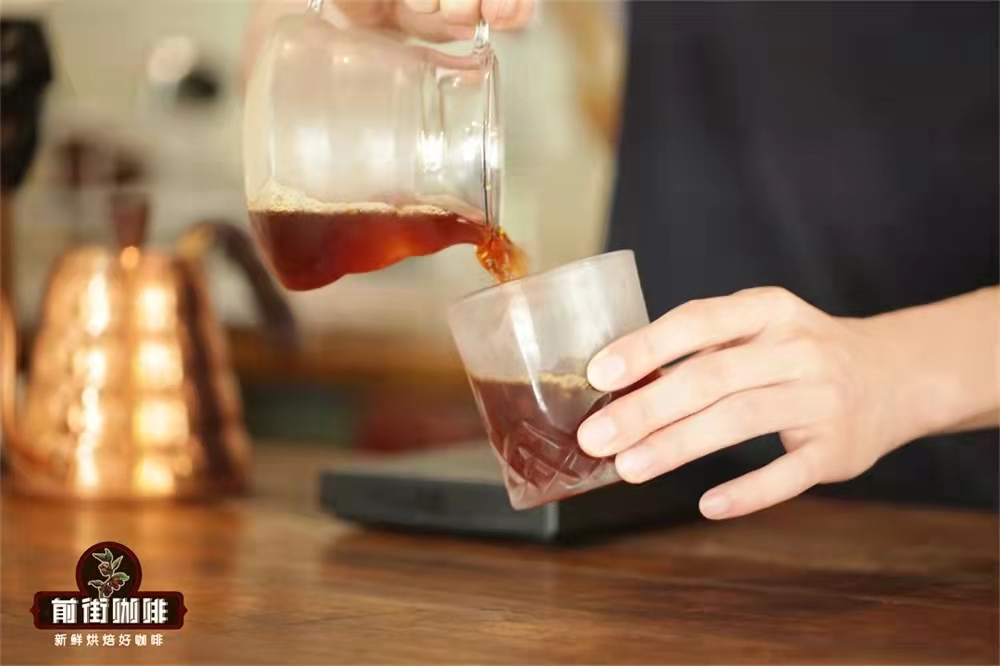
Definition of Espresso | What Are the Differences in Coffee Flavor and Mouthfeel Between Americano, Long Black, and Lungo? What Is the Lungo Long Black Americano Method?
There are many methods for brewing coffee, such as: French press, siphon, pour-over, espresso, cold brew, Americano, etc.; and there are also many names, especially in some regional variations. Next, Front Street will explain the differences between these types of coffee, which are also quite common. For example: Americano, Lo [more…]

What Is Lungo Coffee? An Analysis of Its Differences from Espresso and Americano, and Its Brewing Characteristics
Many people are familiar with Americano, yet feel unfamiliar with Lungo coffee. Lungo, along with Espresso and Americano, belongs to the Italian-style black coffee family, but they differ in extraction method, concentration, volume, and caffeine content. This article will start from the Italian meaning of Lungo to clearly explain its core differences from Espresso, Americano, and Long Black, including extraction time, liquid volume, taste performance, and suitable consumers. At the same time, combined with Front Street Coffee's Italian-style blend bean products, it introduces the ideas for choosing coffee beans, blending logic, and freshness recommendations when making beverages such as Lungo and Americano, helping coffee enthusiasts gain a more complete understanding of this "stretched version of espresso." [more…]