







Search Results for: causes of bitterness
Analysis of the Causes of Burnt, Bitter, and Astringent Flavors in Pour-Over Coffee and Corresponding Adjustment Methods
Many coffee enthusiasts who brew pour-over at home often run into the problem of coffee tasting bitter or even showing burnt, astringent notes. This bitterness may come from the roast profile of the beans themselves, and it can also be closely tied to how long the beans have been stored, the grind size, the proportion of fines, and the brewing water temperature. Drawing on the hands-on experience of Front Street Coffee, this article analyzes four common causes of bitterness one by one and offers concrete, actionable adjustments—including how to choose beans based on flavor descriptions, how to judge the optimal flavor window, how to calibrate grind size, and how to troubleshoot water temperature issues—to help you pinpoint the problem more accurately and brew a smoother pour-over coffee. [more…]

Analyzing the Causes of Coffee Bitterness: How to Distinguish Over-Extraction from Over-Roasting and Precisely Adjust Pour-Over Parameters
Many coffee enthusiasts, when they encounter bitterness during pour-over brewing, instinctively cut off the tail end of the extraction—but is bitterness really only coming from the tail end? In fact, the sources of coffee's bitterness are complex: they are related both to the order in which compounds dissolve during extraction and to the degree of roast. Front Street Coffee will guide you through a deeper understanding of the true causes of coffee bitterness, teach you to distinguish between the bitterness caused by over-extraction and that caused by too dark a roast, and share how to avoid unnecessary bitterness by adjusting pour-over parameters such as grind size, water temperature, and time, so that every cup of coffee comes closer to your ideal flavor. [more…]
Typical signals, causes, and countermeasures of over-extracted coffee, and whether coffee grounds can be re-brewed
When many people drink a cup of coffee that tastes on the bitter side, their first reaction is, "Has this cup been over-extracted?" But bitterness cannot be directly equated with over-extraction. This article focuses on over-extraction, first explaining what it is—according to the Golden Cup theory and Front Street Coffee's daily practice, an extraction yield above 22% is considered over-extraction; then, from a sensory perspective, it outlines the three typical manifestations of over-extracted coffee: burnt bitterness, astringent bitterness, and off-flavors, and analyzes their causes one by one, such as water temperature being too high, grinding being too fine, contact time being too long, stirring being too vigorous, and too many fines. Finally, it offers two practical ways to avoid it: adjusting the brewing parameters and discarding the tail end of the brew, while also addressing the question of whether coffee can be brewed repeatedly, helping coffee lovers judge and improve their brewing results more accurately. [more…]
Why Is Pour-Over Coffee Sour, Astringent, or Bitter? A Complete Guide to Analyzing the Causes and Adjusting Your Technique
Many people think that pour-over coffee has a low barrier to entry, but once they take a sip and find it tastes sour, bitter, or astringent, they realize that brewing a good cup of coffee is actually not easy. Whether you are a beginner just getting into pour-over or an experienced coffee enthusiast, it is inevitable to run into a cup that does not suit your taste. Starting from the principles of extraction, this article analyzes one by one the common reasons why coffee turns out too sour or too bitter, and offers specific adjustment suggestions on grind size, water temperature, coffee-to-water ratio, pouring technique, and dripper selection. It also combines the brewing parameters of two beans—Front Street Coffee Colombia Sidra and Front Street Coffee Golden Mandheling—to help you consistently brew a cup of good coffee at home with balanced acidity and sweetness and a clean mouthfeel. [more…]

How to Adjust Imbalanced Acidity and Bitterness in Pour-Over Coffee? Find the Cause in Grind, Extraction, and Roast Level
A good cup of black coffee should have a balanced ratio of acidity, sweetness, and bitterness—if any one of these is too prominent, it will break the balance. In cupping, we emphasize harmony of flavors, but in everyday brewing, slight missteps with variables such as grind size, coffee-to-water ratio, and water temperature can make the coffee taste sharply sour or burnt-bitter. In this article, Front Street Coffee will focus on the common causes of acid-bitterness imbalance in pour-over coffee, with emphasis on the relationship between grind size and extraction time, while also explaining how roast level affects the perception of bitterness, and offering simple, practical adjustment directions to help coffee lovers quickly identify the problem and brew a smoother cup. [more…]
How to Determine the Grind Size for a Moka Pot? Causes of Over-Extraction Bitterness and Solutions
The moka pot, with its simple operation and rich output, has become a staple in many coffee lovers' homes. But in practice, problems like imprecise grind settings and over-extracted, bitter coffee come up again and again. Starting from the moka pot's structure and extraction principles, this article explains the suitable coffee bean roast level and grind range, and offers practical ways to judge grind coarseness. At the same time, for the burnt bitterness caused by over-extraction and the bitter, oil-less phenomenon caused by stale coffee beans, we analyze the causes one by one and provide solutions, helping everyone brew a balanced moka pot coffee consistently at home. [more…]
Why Does Cold Brew Coffee Taste Bitter? Analyzing the Causes of Over-Extraction and Bean Selection, Grind, and Time Pairing Tips
Cold brew coffee, thanks to its low-temperature slow extraction process, presents flavor characteristics entirely different from hot brewing, yet many people encounter a bitterness problem when making it at home. This article systematically analyzes the root causes of bitter cold brew from four dimensions—coffee bean selection, coffee-to-water ratio, grind size, and steeping time—and provides specific bean selection recommendations and parameter references for the Front Street Coffee brand. Whether you're chasing a bright, fruity-floral profile or prefer a balanced, full-bodied "coffee taste," you'll find a cold brew solution that suits you, making it easy to brew a cup of iced coffee that's neither bitter nor astringent. [more…]

The Complete Guide to Latte Coffee Ratios: The Logic Behind Espresso and Milk Proportions, and the Causes and Solutions for Bitterness and Weakness
Latte is the starting point for many people's introduction to espresso, but when making it at home, it often turns out bitter or weak. The key to an ideal latte lies in whether the espresso extraction state and the milk ratio are appropriate. Based on Front Street Coffee's practical experience, this article sorts out the standard ratios for hot lattes and iced lattes, analyzes the root causes of three common problems—too bitter, too weak, and both bitter and weak—and provides corresponding adjustment approaches. It also introduces two espresso beans suited to different taste needs, Front Street Coffee Dark Cocoa Blend and Front Street Coffee Strawberry Candy Espresso, to help readers reliably recreate a balanced and smooth milk coffee at home. [more…]
Analyzing the Causes of Bitterness in Pour-Over Coffee: A Comprehensive Discussion from Bean Variety and Roasting to Extraction Parameters
The bitter taste of pour-over coffee often leaves enthusiasts puzzled—is it a problem with the beans or an error in the brewing method? This article will systematically analyze the root causes of bitterness in pour-over coffee from multiple dimensions, including coffee bean varieties, roast level, storage time, and extraction parameters. At the same time, we will also share the specific parameters used by Front Street Coffee when brewing a light-roasted washed Yirgacheffe, to help everyone more intuitively understand how to avoid the bitterness caused by over-extraction, and thereby brew a balanced, smooth, and enjoyable cup of coffee. [more…]
Too Many Fines in Pour-Over Causing Bitterness? Try the Low-Temperature Bloom Method to Lower Extraction Yield
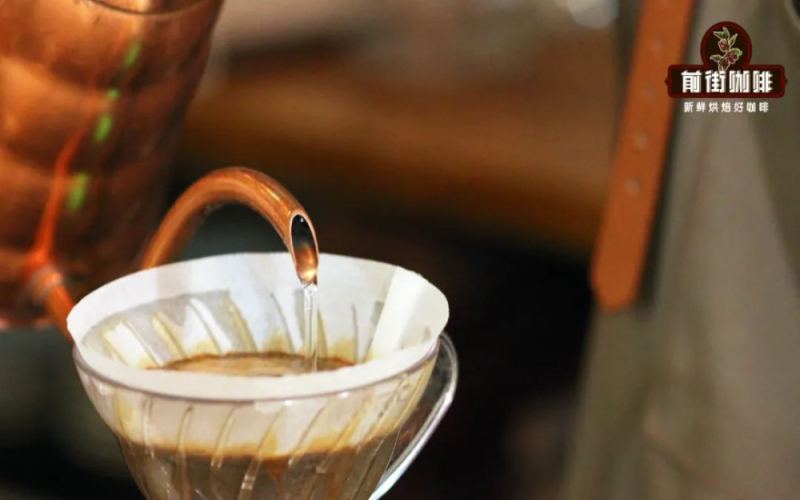
In pour-over coffee, over-extraction is one of the main causes of bitterness, and the excessive fines produced by underperforming grinders often exacerbate this problem. Front Street Coffee has previously introduced the stepped temperature-decline extraction method to reduce the extraction rate in the middle and latter stages, and this time we'll share using low-temperature water for the blooming stage. Emi, the 2018 WBrC champion, once adopted a low-temperature blooming strategy, using a valve dripper to alternate immersion and drip extraction, with the aim of gently extracting sweetness and avoiding a dry finish. Front Street tested with Ethiopian Hualigui beans, which had a fines rate of 14% when ground with a hand grinder, and produced a lingering dry bitterness after conventional brewing. By adjusting the blooming water temperature to 83°C, extending the blooming time to 35 seconds, and then raising the water temperature to 93°C for subsequent pours, the result was a balanced flavor with rich berry-like sweetness and acidity, a noticeable tea-like aftertaste, and no bitterness. If you've also struggled with over-extraction, you might want to consider this approach. [more…]
Why Does Pour-Over Coffee Taste Sour, Bitter, or Astringent? A Detailed Explanation of Over-Extraction and Under-Extraction: Causes and Adjustment Methods
The flavor imbalance of pour-over coffee often stems from problems in the extraction process. Over-extraction makes coffee bitter and muddled, while under-extraction results in a thin, sharply acidic cup. Starting from the basic concepts of extraction, this article systematically sorts out the causes and manifestations of over-extraction and under-extraction, and, drawing on specific beans such as Front Street. Indonesian Mandheling, Front Street. Brazil Queen's Estate, Front Street. Jamaican Blue Mountain, Front Street. Natural Huakui, Front Street. Hacienda La Esmeralda Green Label Geisha, and Front Street. Kenyan Small Tomato, explains how water temperature, grind size, coffee-to-water ratio, and brewing time should work together, helping coffee lovers pinpoint the problem and brew a balanced, delicious pour-over coffee. [more…]

Analysis of the Causes of Sweet Aftertaste in Black Coffee and Recommendations for Pour-Over Beans with Prominent Sweet Aftertaste
When drinking black coffee, many people experience a sweet aftertaste that rises in the mouth after swallowing—this is huigan (returning sweetness). Huigan differs from direct sweetness; it is often built on the fading of bitterness and is brought out by the sweetness presented by aromatic compounds. Starting from the definition of huigan, this article analyzes its causes, explains the difference between huigan and the sweetness felt after drinking water, and finally recommends pour-over coffee beans with excellent huigan performance, including product information from the Front Street Coffee brand, to help coffee lovers more accurately understand the finish and huigan. [more…]
Analysis of the Causes of Under-Extraction and Over-Extraction in Pour-Over Coffee and a Guide to Brewing Adjustment Methods
In the practice of pour-over coffee, under-extraction and over-extraction are two common yet frustrating situations. The former makes coffee sour, astringent, and thin, while the latter brings burnt bitterness and off-flavors. To solve these problems, one must first understand the principles of extraction—the process in which water passes through the coffee grounds and dissolves out flavor compounds. The ideal "Golden Cup" extraction requires concentration to fall between 1.2 and 1.4 TDS, with an extraction yield maintained at 18% to 22%. Exceeding or falling short of this range corresponds to over-extraction and under-extraction, respectively. This article will analyze the causes one by one from aspects such as coffee bean selection, brewing duration, pouring technique, and dripper material, and provide specific adjustment suggestions to help you achieve a balanced flavor more consistently in pour-over brewing. [more…]
Where Does the Bitterness in Pour-Over Coffee Come From? A Detailed Guide to Four Common Causes and How to Adjust
When brewing pour-over coffee, the appearance of bitterness is a problem many coffee lovers frequently encounter. The source of bitterness is not singular—it may come from the roasting profile of the coffee beans themselves, or it may be closely related to how long the beans have been stored, the coarseness of the grind, and the brewing water temperature. This article analyzes the causes of bitterness one by one from four dimensions and provides specific adjustment plans to help you brew a smooth cup of pour-over coffee at home. It also offers references for bean selection based on different flavor preferences and retains several recommended bean lists from Front Street Coffee for readers to choose from as needed. [more…]
How to Fix a Burnt-Bitter Taste in Pour-Over Coffee? Four Troubleshooting Directions from Bean Roasting to Water Temperature
Many friends who are just getting into pour-over coffee complain that brewing feels like a game of chance—one moment of carelessness and you end up with a cup of liquid that's both burnt and bitter. In fact, once you understand a few key variables, the problems often become traceable. This article uses a process of elimination to sort out four common causes: the roast level of the coffee beans themselves, whether the storage time has exceeded the optimal flavor period, the grind size and the proportion of fines, and whether the brewing water temperature is too high. Drawing on the characteristics of everyday beans such as Front Street Brazil Cerrado, Front Street Colombia Huila, and Front Street Indonesia Mandheling, it provides corresponding methods of diagnosis and adjustment approaches to help you pinpoint and solve the burnt-bitter taste one by one. [more…]
Where Does Coffee Astringency Come From? How to Solve Sour-Astringency and Bitterness Through Brewing Adjustments
When drinking coffee, a numb tongue and dry mouth—this rough tactile sensation is astringency. Astringency is not a taste but a tactile feedback caused by friction between the coffee liquid and the oral cavity. Its root lies in the excessive release of polyphenolic compounds in coffee beans—especially chlorogenic acid—which bind with salivary proteins and weaken lubrication. Astringency often interweaves with acidity and bitterness, forming sour-astringent or bitter-astringent notes. This article will begin with the causes of astringency, explain its relationship with extraction state, analyze which astringency counts as a quality characteristic, as well as the astringency that green beans themselves may bring, and offer specific ideas for improvement by adjusting extraction efficiency. [more…]
A Detailed Guide to Coffee Extraction Imbalance: Causes, Identification Methods, and Specific Flavor Impacts of Over-Extraction and Under-Extraction
Extraction is the core process behind coffee flavor. Not all soluble compounds in coffee beans are pleasant, and the degree of extraction directly determines what ends up in the cup. Over-extraction releases too many large-molecule substances, bringing bitterness, astringency, and off-flavors; common causes include excessively long contact time, water temperature that is too high, or grinding that is too fine. Under-extraction, by contrast, occurs because flavor compounds are not dissolved sufficiently, resulting in a thin body, prominent bitterness, and imbalance; it is mostly associated with grinding that is too coarse, water temperature that is too low, or a brew ratio that is too high. This article systematically sorts out the definitions, causes, and diagnostic methods for both, and, in combination with specific products under Front Street Coffee such as Mandheling, Queen Estate, Blue Mountain, Huakui, Green Label Geisha, and Kenya Little Tomato, explains reasonable brewing parameters for medium-dark and medium-light roasted beans to help enthusiasts adjust extraction precisely. [more…]

Coffee Flavor Tasting | How Can Beginners Judge Coffee Extraction by Tasting? How Do You Describe the Flavor of Pour-Over Coffee?
If you want to learn how to brew coffee, you must first learn how to drink coffee. Of course, "learning to drink coffee" here does not mean being able to describe gorgeous flavor notes; it is more about being able to judge whether a cup of coffee is good or bad—that is, whether it tastes good or not. Whether a coffee tastes good or not, subjectively and objectively, depends to a fairly large extent on personal preference. [more…]
Why Does Pour-Over Coffee Taste Astringent? An Analysis of Causes and Improvement Directions from Green Beans to Extraction
When drinking coffee, you may occasionally encounter an unpleasant experience that isn't smooth enough and has a slightly sandy mouthfeel—this is what we commonly call astringency. Where exactly does astringency come from? It may originate from the cultivation and processing of green beans, and may also be closely related to roasting, the mixing in of defective beans, and brewing parameters and techniques. This article will start from the material basis of astringency, sort out the difference between positive and negative astringency, analyze the two major brewing causes of over-extraction and uneven extraction, and also clarify the differences between astringency, tea-like character, and a dry sensation, finally offering practical adjustment ideas. The article also retains relevant product and recommendation information from Front Street Coffee, making it convenient for coffee lovers to refer to in daily brewing. [more…]

Why Does Dark Roast Coffee Still Taste Sour? Explaining the Causes Behind Differences in Acidity and Bitterness Across Roast Levels
Many people believe that dark roast coffee should be completely free of acidity, but is that really the case? Front Street Coffee has noticed that some friends unexpectedly taste acidity in dark roasted beans, and even suspect that the roaster didn't roast them properly. In fact, the acidity in coffee comes from two sources: the organic acids inherent in the green beans, and the acetic acid produced by the caramelization reaction during roasting. The darker the roast, the more the organic acids break down, and the acidity decreases accordingly—but it doesn't disappear entirely. The reason the acidity in dark roast coffee is hard to detect is that the intense bitterness and signature aromas of smoke and chocolate mask it. This article will explain, from the perspectives of the causes of acidity, differences in roast level, and perception mechanisms, why dark roast coffee can still carry acidity, and in which situations that acidity is more likely to be tasted. [more…]