







Understanding Bitterness in Pour-Over Coffee
Bitterness in pour-over coffee often comes from the beans themselves. Some coffees, like Mandheling or Blue Mountain, naturally have nutty and dark chocolate notes that taste bitter. This is different from burnt or astringent bitterness. When buying beans, read the flavor description words on the package. They help you choose a coffee that matches your taste, whether you prefer fruity, sweet, or bittersweet flavors.
Other causes include grind size, water temperature, and storage. If your pour-over is bitter, try a coarser grind or lower water temperature. Also, check if your beans are oily. Oily beans can indicate they are stale or dark-roasted, which may add bitterness. Adjusting these factors can help you brew a smoother cup at home.
Bitterness during pour-over coffee brewing is a common frustration for many coffee enthusiasts. The source of bitterness is not singular; it may come from the roasting profile of the coffee beans themselves, or it may be closely related to how long the beans have been stored, the grind size, and the brewing water temperature. This article analyzes the causes of bitterness from four dimensions and provides specific adjustment solutions to help you brew a smooth cup of pour-over coffee at home. It also offers references for bean selection based on different flavor preferences and retains several recommended bean lists from Front Street Coffee for readers to choose from as needed.
Every coffee enthusiast pursues a different flavor direction. Some prefer coffee that retains its original character with a hint of bitterness, while others favor types with pronounced sweetness. There are many ways to enjoy coffee. If a single-flavor bean cannot satisfy your taste needs, why not brew it yourself and drink the cup you've been longing for.
Recently, a friend consulted Front Street Coffee: when making pour-over at home, it always comes out bitter—how to fix it? Today, Front Street Coffee will address this question by sorting out the reasons coffee turns bitter and offering corresponding ways to avoid it.
Reason One: The coffee beans' own flavor profile leans toward bitterness
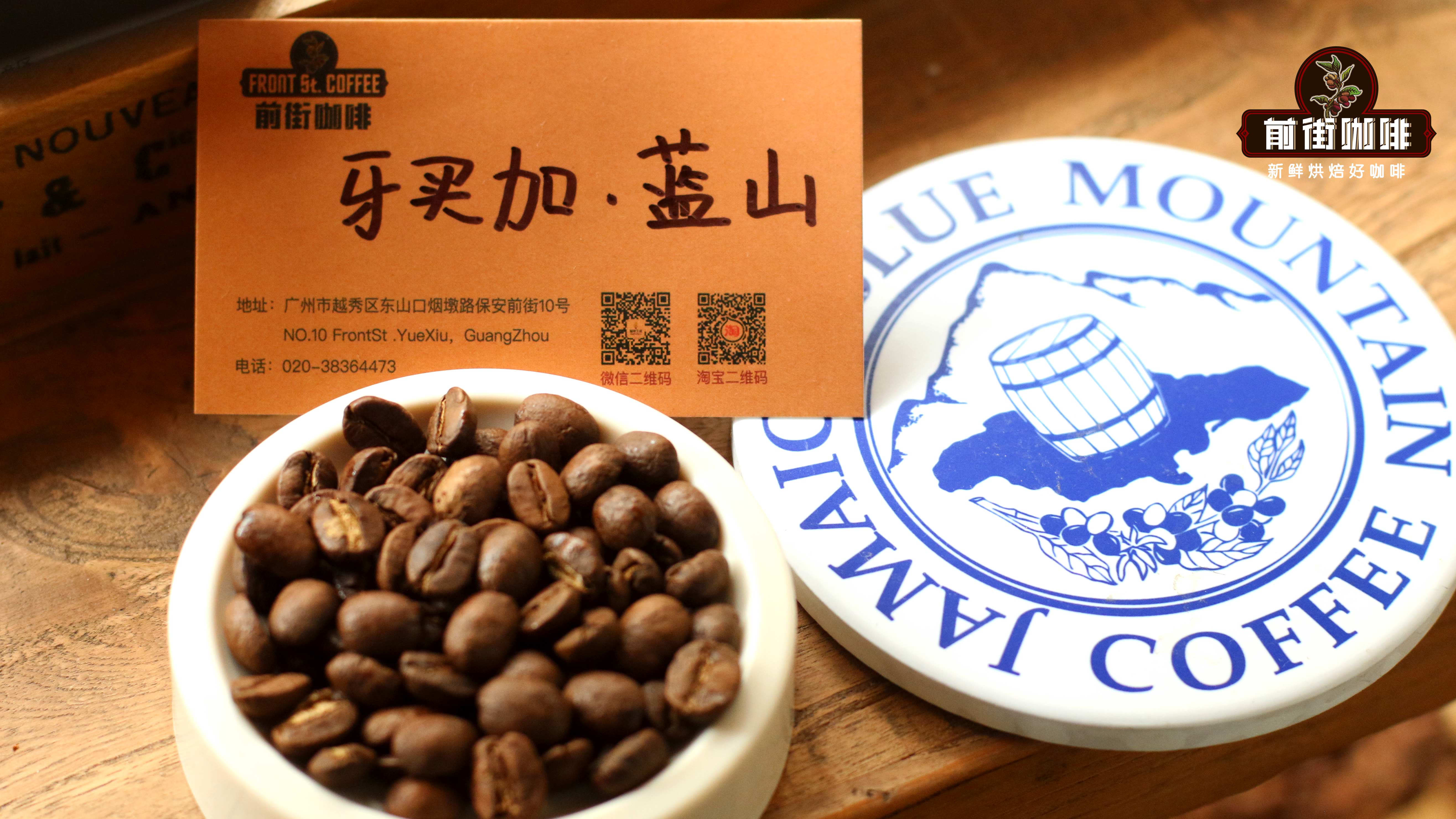
The flavor types of coffee beans are quite diverse. There are coffees dominated by fruity acidity, coffees with honey and brown sugar sweetness, and bitter coffees with nutty and cocoa notes. If you are brewing beans like Front Street Mandheling or Front Street Blue Mountain, they inherently carry nutty and dark chocolate flavor characteristics, so naturally they will produce this type of bittersweet taste when brewed. It is worth noting that the bitterness mentioned here is not the same sensation as burnt bitterness or astringent bitterness—it is a comprehensive experience resulting from the叠加 of roasting aroma, sweet aftertaste, and rich mouthfeel.
For drinkers who do not accept this type of flavor, the distinction between the bitterness brought by nuts and dark chocolate and burnt bitterness or astringent bitterness is not obvious.
Solution: When purchasing coffee beans, you should focus on the flavor description section. Although the flavor words on it may seem somewhat abstract, you can still use them to determine which flavor category this bean belongs to, thereby selecting coffee beans that match your own taste.
If you prefer floral notes, you can choose Front Street Panama Boquete Geisha; if you want a rich fruity direction, Front Street Strawberry Candy and Front Street Blackberry are priority options; if you seek a more exuberant fruit flavor, Front Street Sidra and Front Street Ombligon are worth trying—both come from Colombia's Finca Diviso and offer rich layers like passion fruit, grape, and blackcurrant juice.
Reason Two: Coffee beans stored too long导致 flavor loss
After roasting is completed, coffee beans have a relatively short window of optimal flavor. One consideration behind merchants setting packaging sizes between 100 and 227 grams is matching consumers' consumption speed with the optimal flavor period. If you consume 15 grams of coffee beans per day, a 227-gram bag will just be used up within half a month, which also aligns with the optimal flavor timeframe for coffee.
Typically, the optimal flavor period for pour-over coffee beans is 4 to 30 days from the roast date. The longer they are stored, the more flavor compounds in the coffee are lost. This can be verified by comparing the aroma of fresh beans and long-stored beans: fresh coffee beans smell very fragrant, which is what we commonly call coffee aroma; while beans stored too long carry a woody, oily scent. Coffee beans that have lost a large amount of flavor compounds will naturally produce a woody bitterness when brewed.
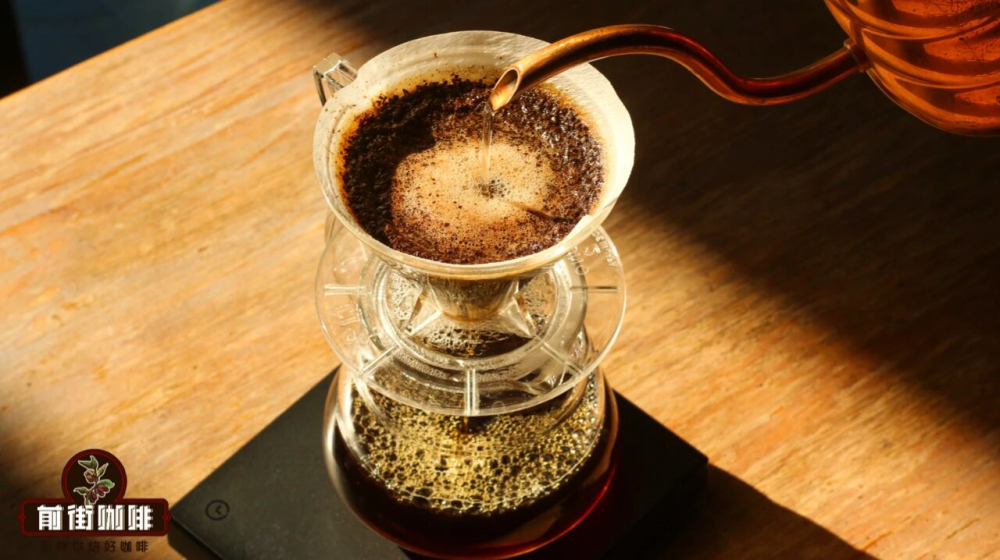
Solution: The most direct approach is to speed up consumption and not let the beans sit until they expire. But Front Street believes the more critical thing is learning to judge whether the beans are still within their optimal flavor period. Checking the roast date plus 30 days is one way, but not all coffees have an optimal flavor period fixed at 30 days—30 days is only a rough reference. Some beans have a longer optimal flavor period than 30 days, some shorter; good storage conditions can also extend it longer than poor storage. Therefore, to judge whether the optimal flavor period has been exceeded, you can use whether the bloom expands and releases gas as a辅助 indicator. If the coffee bed shows no reaction after pouring water, it has most likely passed its optimal flavor period.
Reason Three: Grinding too fine or too high a proportion of fines
Grinding too fine and having too many fines are two different situations, but both can cause burnt bitterness during brewing. These two situations manifest differently in the layering during brewing. Grinding too fine shows specifically as: from the start of pouring to the end, the coffee bed descends very slowly throughout, with the total extraction time exceeding 2 minutes 30 seconds. Too many fines往往 shows as: the coffee bed descends normally in the early stage, but slows down more and more toward the later stage,甚至 clogging.
Solution: The fix for grinding too fine is straightforward—adjust the grind coarser to the normal range. For pour-over grinding, you can refer to: light roast beans with an 80% pass rate through a #20 sieve, dark roast beans with a 70% pass rate through a #20 sieve.
Too many fines (i.e., uneven grinding) is usually caused by the quality of the grinder. There are three ways to deal with it: first, replace with a better-quality grinder; second, use a fines sifter to remove the fines; third, during brewing, cut off the flow of the clogged tail-end coffee liquid and then add an appropriate amount of water to adjust the concentration back to a suitable range.
Reason Four: Water temperature too high
Water temperature too high can also make coffee taste burnt and bitter. Everyone understands this principle, but it is often misled by one's own experience. For example, if you frequently brew a certain bean and can achieve ideal flavor at 93°C, over time it becomes a habit, and when brewing other beans with seemingly similar roast levels, you also use 93°C—the result is that you don't even notice the water temperature is too high.
For example, when brewing Blue Mountain coffee grounds, with other parameters unchanged, using 88°C can well showcase the bean's balance, but switching to 89°C will make it taste偏苦 and lose balance. Yes, it's often just a 1°C difference.
Judging whether the water temperature is too high is usually based on two conditions: first, whether it is within a reasonable temperature range, i.e., medium-light roast 90 to 93°C, medium-dark roast 86 to 89°C; second, on the premise of meeting the above temperature range, after excluding factors such as coffee beans, date, and grind size, then judging whether the water temperature is too high.
The above content is compiled by CoffeeHunters, a coffee news website.


