







How Do Coffee Particles and Extraction Cause Sour or Bitter Cups
Sour, bitter, and astringent pour-over cups usually trace back to extraction. Flavor depends on how much acidity, sweetness, and bitterness the water pulls from the grounds. A cup that is sharply sour from first sip to last points to under-extraction, often from too coarse a grind, too little extraction time, or water temperature that is too low.
When most coffee particles stay under-extracted, upfront acidity dominates while sweetness and body never release. A light-roasted bean with grape coffee notes then shows sharp acidity, a thin mouthfeel, and a short finish. Adjusting grind size, water temperature, coffee-to-water ratio, pouring technique, and dripper selection brings the cup back toward balanced acidity and sweetness.
Many people think pour-over coffee has a low barrier to entry, but once they take a sip and find it tastes sour, bitter, or astringent, they realize that brewing a good cup of coffee is actually not easy. Whether you're a beginner just getting into pour-over or an experienced coffee enthusiast, everyone inevitably encounters a cup that doesn't taste right. This article starts from the principles of extraction, analyzes the common causes of overly sour or bitter coffee one by one, and offers specific adjustment suggestions for grind size, water temperature, coffee-to-water ratio, pouring technique, and dripper selection. It also incorporates the brewing parameters for two beans—Front Street Coffee Colombia Sidra and Front Street Coffee Golden Mandheling—to help you consistently brew a cup with balanced acidity and sweetness and a clean mouthfeel at home.
Brewing coffee is simple enough in theory, but making it taste good turns it into a craft that requires careful study. Coffee coming out sour, bitter, or astringent is extremely common. It's not just beginners—even veterans who've been in the coffee world for years have off days where the cup doesn't taste right. So there's no need to fret when this happens; it's simply part of everyday brewing.
Why does pour-over coffee taste too sour?
The flavors we taste in coffee essentially depend on the proportion of acidity, sweetness, bitterness, and other taste sensations—that is, the varying amounts of flavorful soluble compounds that get extracted, which is what creates differences in taste. If a cup of coffee is so sour from the first sip to the last that it makes you wince, it's most likely caused by under-extraction. Common triggers include too coarse a grind, insufficient extraction time, and water temperature that's too low.
When most coffee particles are in an under-extracted state, it means the amount of flavor compounds carried out by the water is limited. At this point, the upfront acidity dominates, while the components responsible for sweetness and body haven't had a chance to release before the extraction is already over. The result tastes weak in aroma first, and the tongue can't pick up any clear flavors. If it's a light-roasted bean with prominent fruit acidity, it often presents a sharp acidity, a thin mouthfeel, and a finish that doesn't linger. Therefore, ensuring that flavor compounds are properly extracted is crucial.
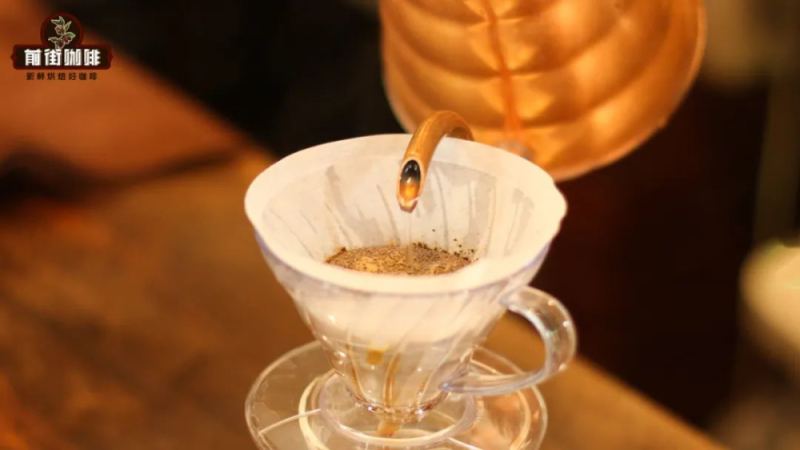
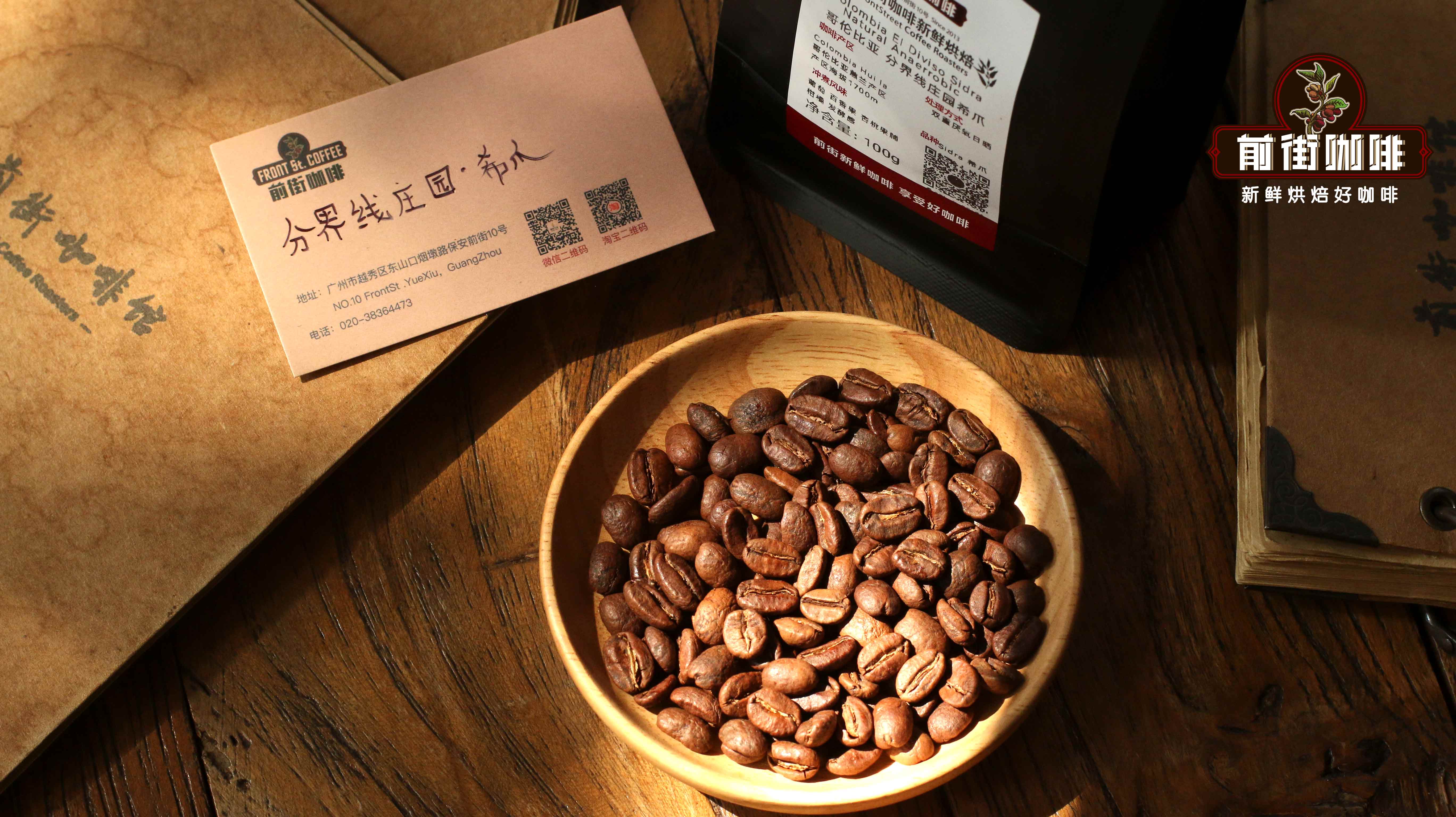
For this type of coffee, try Front Street Coffee Colombia Sidra, which has outstanding fruit-forward characteristics. Use a grind size like fine sugar, a 1:15 coffee-to-water ratio, 92°C water, and a three-pour technique, keeping the extraction time to around 2 minutes. The resulting cup has just the right concentration and showcases distinct notes of passion fruit, orange, dried fruit, apricot, and ripe grape.
Why does coffee taste bitter and astringent?
Bitterness and astringency are flavors most people dislike. Bitterness is the most easily perceived taste, while astringency—unlike acidity, sweetness, and bitterness—is closer to a tactile sensation, and most people find it hard to accept. Once astringency is detected, no matter how rich the aroma, that negative impression is often the first thing that comes to mind. Astringency typically appears in dark-roasted coffee.
Understand that a good dark-roast coffee should deliver a pleasant experience. For example, Front Street Coffee Golden Mandheling, which performs impressively on various rankings, offers a rich mouthfeel, deep caramelized notes, a clean finish, and clear sweetness when brewed as pour-over. Its spice, cedar, caramel, and dark chocolate flavors are quite prominent.
So what exactly causes bitter and astringent flavors in coffee?
1. Extraction time too long
Many people know that various compounds in coffee don't dissolve at the same rate when hot water passes through. Large-molecule compounds responsible for bitterness and astringency tend to dissolve concentratedly in the final stage. Therefore, when coffee has an astringent quality, it's usually accompanied by an unpleasant bitter note. From an extraction standpoint, the longer coffee brews, the stronger it gets, and the later stages are more likely to release bitter and astringent flavors.
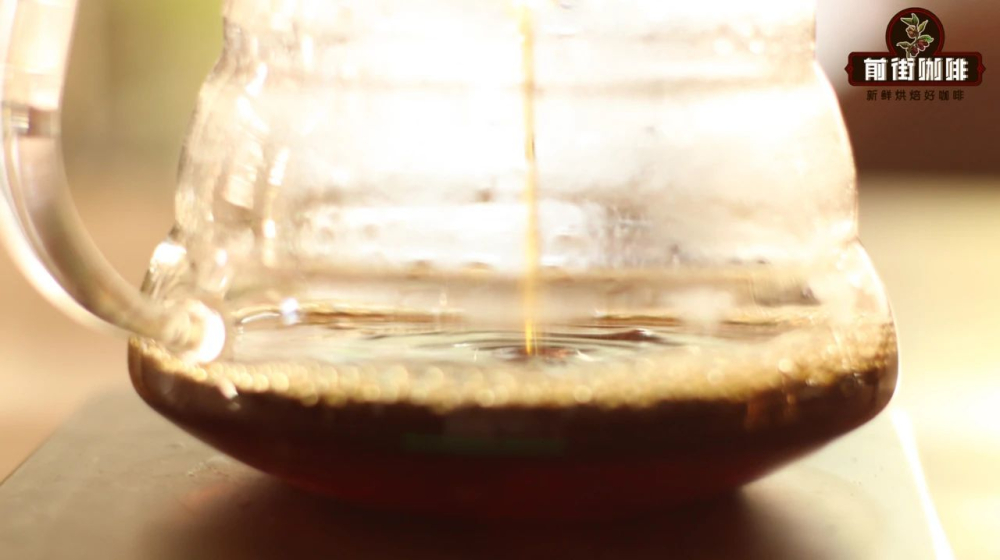
So to achieve proper extraction, you need to control the brewing time. For a single serving of 15–16 grams of coffee grounds, Front Street recommends not exceeding 2 minutes 30 seconds. If your actual brewing time exceeds this and you do taste bitterness and astringency, then to improve the flavor you must adjust parameters based on the actual situation.
For example, if after brewing there's a large amount of wet, muddy paste left on the surface of the coffee bed, it means too many fines caused water to pool—you need to coarsen the grind.
If most of the grounds sink to the bottom and the surface looks flat, it's likely that your pouring force was too gentle, the coffee bed wasn't lifted, and water was forced to slowly seep through a thick barrier layer, thus prolonging the brewing time. The solution is to increase the water flow appropriately after the bloom, raising the water level to about two-thirds the height of the dripper.
2. Water flow too forceful
According to Front Street's observations, astringency caused by pouring mainly falls into two categories: one is an unstable stream that leads to uneven extraction, making the coffee both sour and astringent; the other is more common among those who habitually use a strong stream to agitate the coffee bed, which easily washes out off-flavors and astringency during the later stages of extraction.
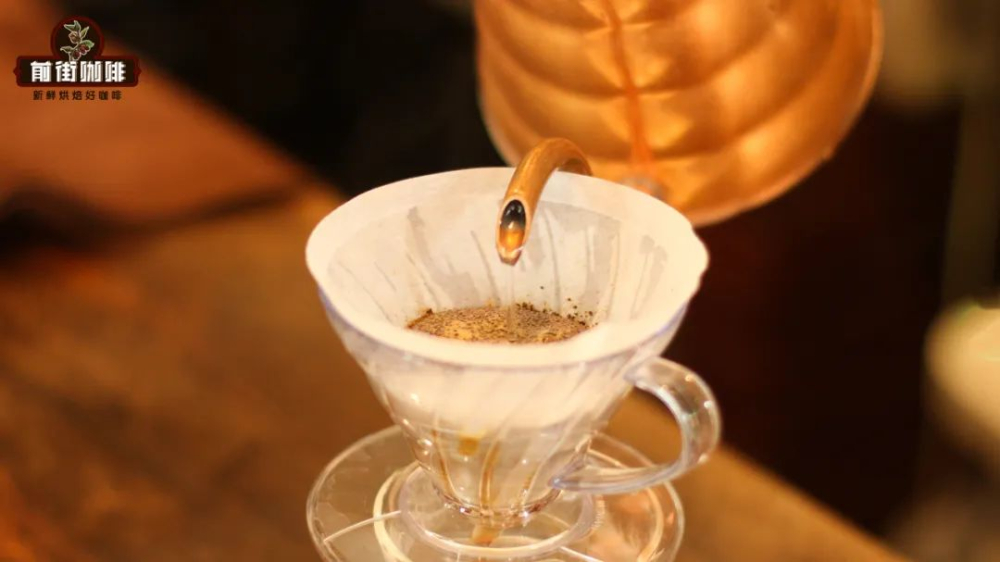
Unlike other parameters, pouring is a hands-on skill that requires repeated practice. To achieve even extraction, Front Street recommends using a vertical stream, keeping a height of 3–4 cm above the coffee bed, and pouring in slow circles.
3. Dripper with high extraction efficiency
For many beginners, dripper material is one of the most easily overlooked causes of over-extraction. For example, ceramic drippers have a higher specific heat capacity—preheating them maintains good heat retention throughout the pour, but at the same time it "quietly" boosts extraction efficiency, thereby increasing the likelihood of astringency releasing in the final stage.
So when you taste astringency in your coffee and the dripper you're using happens to be ceramic, and you've already ruled out the first two causes, then try starting with temperature—lower your brewing water by 2–3°C to reduce the risk of over-extraction.
The above content is compiled by CoffeeHunters, a coffee news website.


