







What Does Arabica Beans Meaning Have to Do With Bitterness?
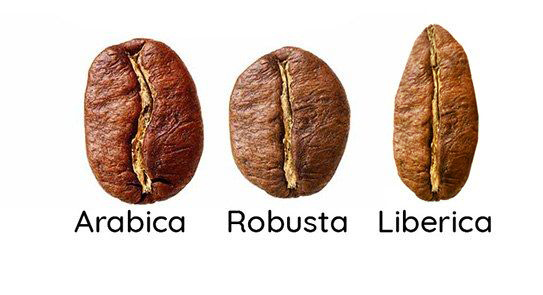
Bitterness in pour-over coffee usually traces back to bean variety, roast level, storage time, or extraction parameters, not one single cause. Coffee splits into three main species, Arabica, Robusta, and Liberica, and Arabica carries less caffeine and chlorogenic acid, which is part of why it tastes more delicate and less harsh when brewed carefully.
Robusta beans tend to show a strong roasted aroma without the elegant acidity and sweetness of Arabica, so they read as harsher in the cup. Extraction matters too: a light-roast washed Yirgacheffe brewed with 15 grams of coffee at a 1:15 ratio, medium-fine grind, 90°C water, a 30-second bloom, and a total time near two minutes keeps bitterness in check.
The bitter taste of pour-over coffee often leaves enthusiasts puzzled—is it the beans or a brewing technique gone wrong? This article will systematically analyze the root causes of bitterness in pour-over coffee from multiple dimensions, including coffee bean varieties, roast levels, storage time, and extraction parameters. At the same time, we will also share the specific parameters used by Front Street Coffee when brewing a light-roast washed Yirgacheffe, to help everyone more intuitively understand how to avoid the bitterness caused by over-extraction and thereby brew a balanced, smooth, and delicious cup of coffee.
For professional coffee knowledge exchange and more coffee bean information, please follow Front Street Coffee.
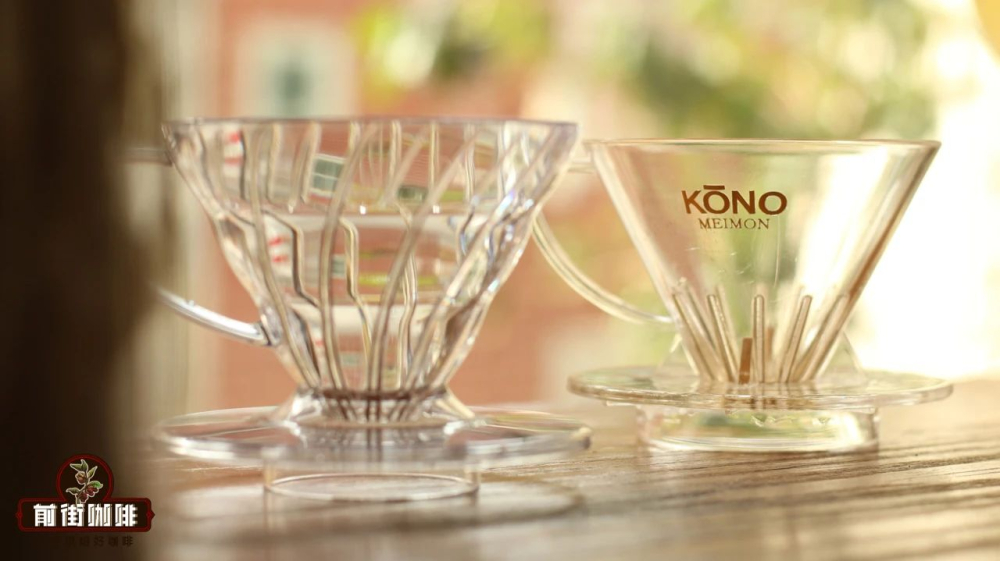
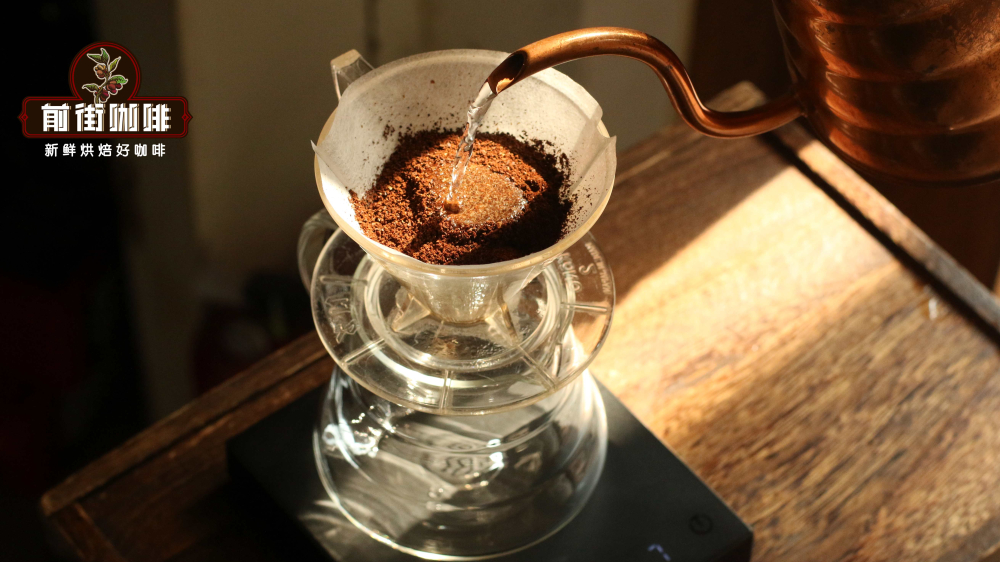
Taking the light-roast washed Yirgacheffe Gudingding coffee as an example, the baristas at Front Street Coffee will choose a V60 dripper for brewing, weigh out 15 grams of coffee beans, set the coffee-to-water ratio at 1:15, and control the grind size at a medium-fine level (80% passing through a 0.85mm standard sieve / EK43S setting 10). The entire pouring process is divided into three stages: first, pour 30 grams of water for a 30-second bloom; then pour the second stage up to 125 grams and pause for 10 seconds; finally, pour the third stage up to 225 grams, maintaining the water temperature at 90°C, with a total extraction time of about 2 minutes.
The quality of the coffee beans themselves is a factor we need to consider first, and this is similar to the principle of cooking—high-quality ingredients can perform well even with simple handling, while poor-quality ingredients often require more methods to modify and mask their flaws. The same applies to coffee beans: high-quality beans have a greater margin for error. From the perspective of species classification, coffee is mainly divided into three major categories: Arabica, Robusta, and Liberica, with Arabica and Robusta being the most common worldwide. Arabica has relatively lower caffeine and chlorogenic acid content and is suitable for cultivation at high altitudes, so its flavor expression is more delicate and refined than Robusta. This is also why the public prefers Arabica coffee, and merchants generally tend to label their beans as 100% Arabica. Robusta coffee beans, on the other hand, often present a strong roasted aroma after roasting, lack elegant acidity and sweetness, and have a more prominent bitterness.
For this reason, deeply roasted coffee beans naturally have a heavier flavor profile. Taking Front Street Golden Mandheling as an example, after first crack it continues to develop for 3 minutes and 30 seconds, with a final drop temperature of 204.5°C and an Agtron value reaching 61, which falls within the category of dark roast according to SCA standards.
In addition to the factors of the coffee beans themselves and the degree of roasting, another reason pour-over coffee tastes bitter is that it has been left for too long, meaning it has missed what we usually call the optimal flavor period. Green coffee beans undergo numerous chemical and physical changes during roasting, producing aroma molecules and carbon dioxide. After roasting is completed, this carbon dioxide and these aroma molecules gradually dissipate. When the carbon dioxide content is too high, it interferes with extraction, and in order to reduce the dry, harsh sensation brought by roasting, there is generally a resting period. After about a week, the flavor of the coffee beans climbs to its peak, and afterward, as the aroma molecules continue to volatilize, the flavor begins to decline. Therefore, Front Street Coffee often recommends choosing freshly roasted coffee beans and grinding them as close to brewing time as possible.
However, with the extractable 30%, it is not the case that the more extracted, the better. In the last century, through a large number of tests and statistical analysis, the United States concluded that among the extractable 30%, an extraction yield of 18% to 22% is a reasonable range, while the coffee concentration is maintained between 1.15% and 1.35%. Together, these two ranges constitute what we often call the "Golden Cup Theory." An extraction yield below 18% is what we call under-extraction, while above 22% is considered over-extraction.
Front Street Coffee has always believed that grind size is an extremely critical factor affecting extraction. If ground too coarse, the coffee taste becomes weak; if ground too fine, it brings a strong bitter taste. Therefore, choosing an appropriate grind size is crucial for pour-over coffee brewing.
The above content is compiled by CoffeeHunters, a coffee news website.


