







Search Results for: carbon dioxide degassing
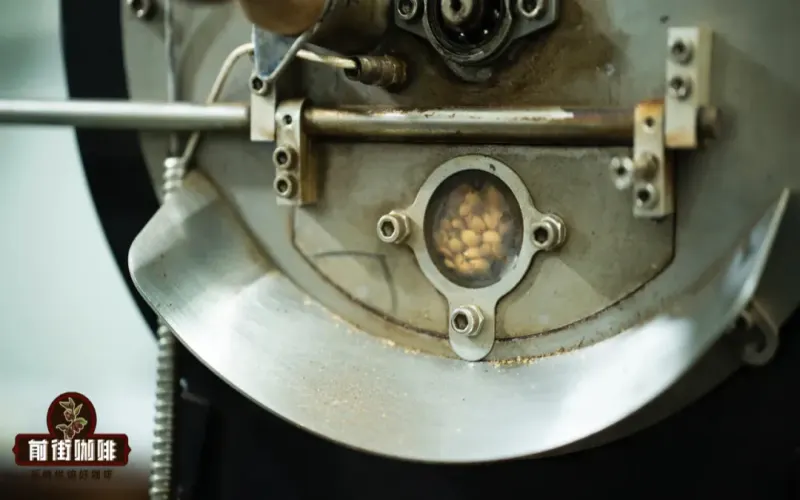
What exactly is coffee bean resting? A detailed explanation of the degassing principle and how to determine the optimal flavor window
Many coffee enthusiasts have heard the saying that "resting beans improves the flavor," but the real purpose of resting is not to create new flavors—it is to let the carbon dioxide accumulated after roasting gradually escape, thereby reducing interference with extraction. The formation of coffee flavor mainly occurs during the roasting stage; once roasting ends, flavor development essentially stops, and from then on the beans continuously degas, entering the resting and peak-flavor stages. Only when carbon dioxide is released to the point where it no longer noticeably hinders the dissolution of flavor compounds does the coffee reach its optimal drinking window. So how long does resting actually take? Different roasting methods, roast levels, and roasting styles all affect the rate of degassing, which is why merchants' recommended resting periods range anywhere from 4 to 30 days. This article starts from the underlying principles and, drawing on Front Street Coffee's practical experience, teaches you how to find a bean's peak state through sensory tasting. [more…]

The Real Function of One-Way Degassing Valves on Coffee Bags: Preventing Bag Swelling and Slowing Flavor Loss
Many people think the small hole on a coffee bag is for smelling the aroma, but its official name is a "one-way degassing valve," and its core job is to keep the carbon dioxide released by the coffee beans from bursting the packaging while blocking outside air from getting in. In this article, Front Street will explain how this valve works, why freshly roasted beans have a weak aroma, and why you should not repeatedly squeeze a coffee bag—doing so actually accelerates the loss of flavor compounds and shortens the coffee's peak-flavor window. [more…]

How to Determine the Blooming Time for Pour-Over Coffee? Whether It Counts Toward Total Brew Time and a Detailed Explanation of the Degassing Principle
The blooming phase in pour-over coffee is often regarded as a key step that determines flavor. Many enthusiasts ask: does the 30-second bloom actually count toward the total extraction time? And what is the purpose of blooming? Starting from the principle of carbon dioxide release, this article explains why drip-style pour-over must be bloomed, and analyzes how three states—insufficient blooming, excessive blooming, and moderate blooming—affect the taste of coffee. At the same time, drawing on Front Street's brewing experience, it explains how the roast date, roast level, and pouring method change the optimal bloom duration, helping readers judge flexibly based on the state of degassing in the coffee bed rather than rigidly sticking to a fixed number of seconds. [more…]

Is Blooming Essential for Pour-Over Coffee? Analyzing the Degassing Principle and Special Brewing Conditions Where Blooming Can Be Skipped
The blooming step in pour-over coffee is a fixed routine for many enthusiasts, but is it truly indispensable? Starting from a comparative experiment at Front Street, this article provides an in-depth analysis of the core function of blooming—releasing carbon dioxide that hinders extraction—and, through brewing data from two groups, a light-roast Huakui and a dark-roast Golden Mandheling, demonstrates the significant differences in extraction yield and flavor between blooming and no blooming. At the same time, the article also explores the possibility of omitting blooming under certain conditions, such as using coffee beans that have already degassed sufficiently, or adopting special brewing methods like the drip method, stirring method, or one-pour method. Whether you are a beginner just starting out or a seasoned player seeking a breakthrough, you can gain a clear understanding of the relationship between blooming and extraction. [more…]

The coffee bean bag has puffed up—can it still be safely consumed? A full explanation of the causes and how to deal with it
The bag of coffee beans you just bought is bulging—is it spoiled? Can you still drink it? Actually, the reasons for coffee bean bag swelling are quite different from those for ordinary food. Ordinary food bags usually swell due to air leaks or gas produced by bacteria, but coffee beans themselves actively release carbon dioxide. When the roast date is very fresh, the roast level is on the darker side, and the bag happens to have no one-way degassing valve, swelling becomes a natural phenomenon. This article analyzes in detail the three main causes of coffee bean bag swelling, helping coffee lovers judge when they can enjoy it with peace of mind and when they should be more vigilant, and includes professional advice from Front Street Coffee. [more…]
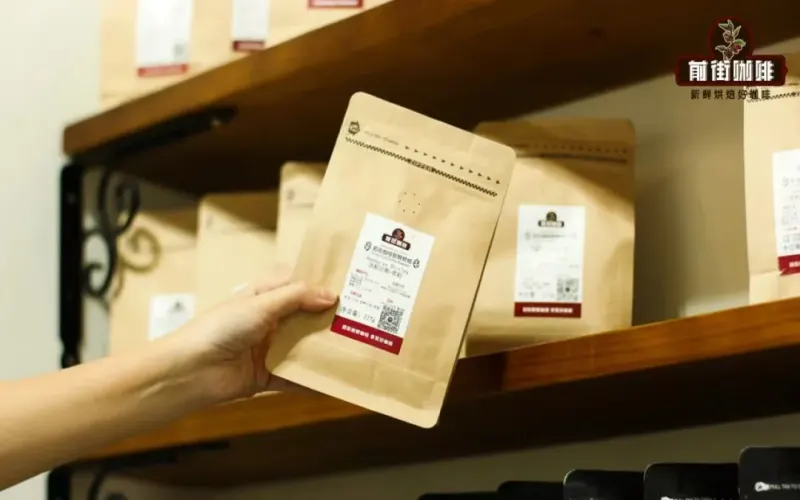
Is Bean Resting Really Necessary? From Pour-Over to Espresso, a Detailed Explanation of the Relationship Between Degassing and Extraction
Should freshly roasted coffee beans be left to rest before brewing? This question puzzles many enthusiasts. Today, Front Street Coffee walks you through the ins and outs of bean resting—why does coffee brewed from fresh beans taste less full-bodied? What role does carbon dioxide play in this? And how do the resting needs differ between pour-over and espresso? If you've never tasted beans that haven't been properly rested, why not start recording the flavor changes day by day from the moment your order arrives, and experience firsthand how degassing affects extraction. This article starts from the principles of bean resting, answers these questions one by one, and helps you find the right rhythm for using your beans. [more…]
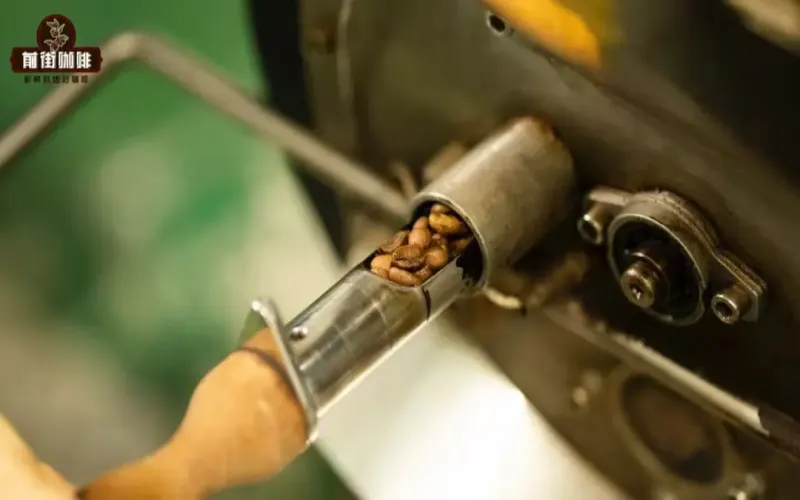
Why Do Espresso and Pour-Over Coffee Beans Have Different Resting Periods? Analyzing Degassing Time Differences from Roast Level and Extraction Method
Should you brew coffee beans immediately after buying them? Why can filter coffee beans be used after resting for three to five days, while espresso beans need to wait a few more days? Behind this are multiple factors involving carbon dioxide release, roast level, and extraction method. This article starts with the basic principles of the resting period, then explains one by one the two main reasons espresso coffee beans need a longer resting time: first, espresso beans are generally roasted darker, so they accumulate more carbon dioxide inside; second, espresso uses pressure extraction, with an extremely fine grind and very short time, so insufficient degassing will noticeably amplify its interference with the extraction result. The article also combines specific beans such as Front Street Coffee Huakui to give resting recommendations for different uses, helping you brew consistently delicious coffee at home. [more…]

Why is it not recommended to have espresso beans ground by the roaster? The deep impact of carbon dioxide loss on espresso extraction and crema
Many coffee bean merchants offer grinding services, including Front Street Coffee, but for espresso extraction, Front Street Coffee does not recommend choosing pre-ground coffee. The reason is not just that the flavor is lost more quickly, but more critically, the carbon dioxide in the coffee beans dissipates in large amounts. Carbon dioxide plays an important role in espresso extraction by building crema and slowing down the flow rate. Once ground into powder, flavor and gases escape more rapidly, the crema becomes thinner day by day, the extraction speed increases, and it can even lead to under-extraction. At this point, the only remedies are adding more coffee or adjusting to a finer grind, but the portafilter basket has limited capacity, leaving very little room for adjustment. This article provides a detailed analysis of the specific effects of pre-ground coffee on espresso extraction, and recommends that those who have requirements for taste and crema prioritize whole beans. [more…]
What exactly is happening when coffee beans rest? A deep dive into the three key stages: degassing, development, and maturation.
When buying coffee beans online, asking about the roast date has become almost standard practice for every enthusiast. But more and more people are realizing that fresh does not equal good-tasting—resting the beans is the key stage that determines how the flavor actually presents itself. Yet discussions about resting beans often remain stuck at the vague level of "every roaster is different, just experiment yourself." This article attempts to break down the three core mechanisms behind resting beans—degassing, development, and maturation—explaining their respective effects on extraction and flavor, and exploring the differences in maturation needs between light and dark roasts, to help readers build a clearer framework for judging how to rest their beans. [more…]
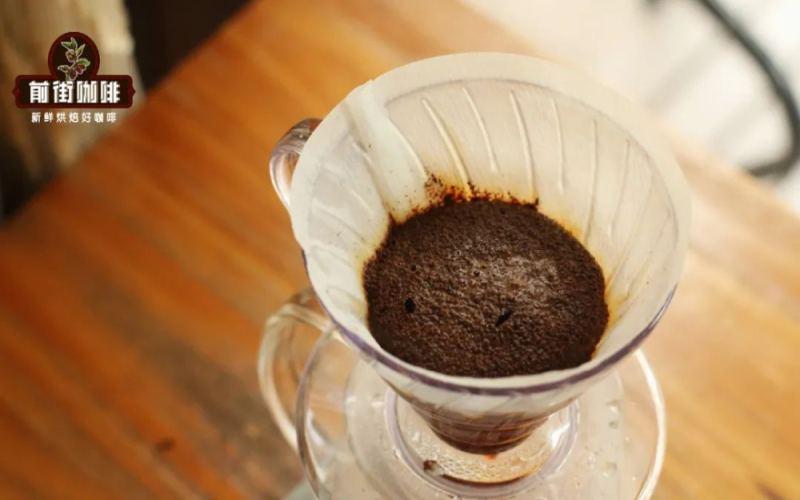
Why Do Coffee Beans Need Resting and Blooming? What Does Peak Flavor Period Mean? Understanding the Relationship Between All Three in One Article
Freshly roasted coffee beans contain a large amount of carbon dioxide, and this gas interferes with the extraction of flavor compounds by hot water, so it is necessary to reduce the gas content inside the beans through resting or degassing. Resting lets the beans release gas naturally and waits for them to enter their peak flavor window; degassing, on the other hand, temporarily accelerates gas release before brewing so that overly fresh beans can be used as soon as possible. Both serve the same purpose but differ in the time required and the method of operation. The resting period is related to the roast level, and dark-roasted beans actually need longer. This article explains in detail the difference between resting and degassing, the meaning of the peak flavor window, and includes practical advice from Front Street. [more…]
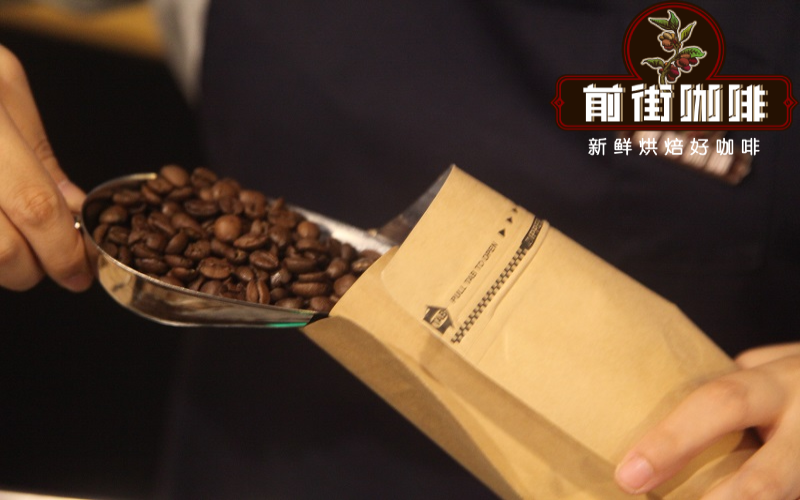
A Complete Guide to Coffee Bean Resting: From Degassing Principles to Roast Level Differences, Master the Optimal Flavor Window
Why can't freshly roasted coffee beans be brewed right away? What exactly is happening during bean resting? In fact, the essence of resting beans is a maturation process that allows the coffee beans to release carbon dioxide. The resting time varies noticeably between beans of different roast levels—light roasts degas slowly and take longer to mature, while dark roasts are relatively faster. Resting beans is not complicated; simply keep the unopened beans in a cool, dry, dark place, but storage method is equally crucial. If you really can't wait, there are also emergency tricks such as grinding and letting the grounds sit, or extending the bloom time. Front Street Coffee will guide you through a systematic understanding of how to calculate bean resting time, key operational points, and notes on storing and brewing drip coffee bags, helping you enjoy a cup of coffee with just the right flavor. [more…]
A Complete Guide to Coffee Bean Resting: Degassing Principles, Timing, and Brewing Tips for Beginners
Have you just gotten your hands on some coffee beans and found yourself wondering: why can't I brew them right away? The truth is, freshly roasted coffee beans hold a large amount of carbon dioxide inside them, and they need a period of "resting" to let the gas release slowly so the flavor can reach its peak. Drawing on the hands-on experience of Front Street Coffee, this article explains in detail the science behind resting beans, the time required for different roast levels, emergency brewing techniques for beans that haven't rested properly, and the correct way to store them. Whether you're a beginner just getting into specialty coffee or an enthusiast looking to refine your brewing details, you'll find practical answers here to bring every cup closer to your ideal flavor. [more…]

Is swollen coffee bean packaging a sign of spoilage or normal degassing? An in-depth analysis of the causes of coffee bean bag swelling and how to judge whether it's safe
The coffee bean bag you brought home is bulging—is it spoiled or is this normal? Many coffee lovers have encountered this question. In fact, a swollen coffee bag doesn't necessarily mean the beans have gone bad—roasted coffee beans continuously release carbon dioxide, which is the main reason the packaging expands. However, not all swollen bags are harmless; if accompanied by a musty or sour odor, that's a different story. This article will walk you through the chemistry of coffee bean degassing, the mechanism of one-way degassing valves, and why dark-roasted beans are more likely to make packaging bulge, helping you accurately judge whether the coffee beans in your hands are still safe to enjoy. [more…]

A Complete Guide to Degassing and Resting Espresso Beans: Resting Times and Optimal Flavor Window
You just bought coffee beans and brewed them right away, only to find the taste falls short of expectations—yet after a few days, they become smooth and pleasant instead. The key behind this lies in the degassing process of the coffee beans. This article will systematically explain the resting principles for espresso beans, the recommended resting times for different roast levels, and the specific methods and precautions for awakening the beans. At the same time, for those who can't resist tasting early, Front Street Coffee will also share two practical tips to help you maximize extraction performance even when the beans haven't finished resting. [more…]
A Detailed Guide to Coffee Bean Resting and Optimal Flavor Periods: How Roast Level Affects Degassing Time and Storage Tips
Many coffee enthusiasts pay attention to the roast date when buying coffee beans, believing that the fresher the better. But in fact, freshly roasted coffee beans need a period of "resting" to allow the internal carbon dioxide to fully release before they reach their flavor peak. This article will explain in detail the principles of resting beans, the resting time required for different roast levels, emergency brewing methods for beans that haven't rested properly, and the correct storage methods. At the same time, using Front Street Coffee beans as an example, we provide specific resting recommendations to help you enjoy a good cup of coffee within its optimal flavor period. [more…]
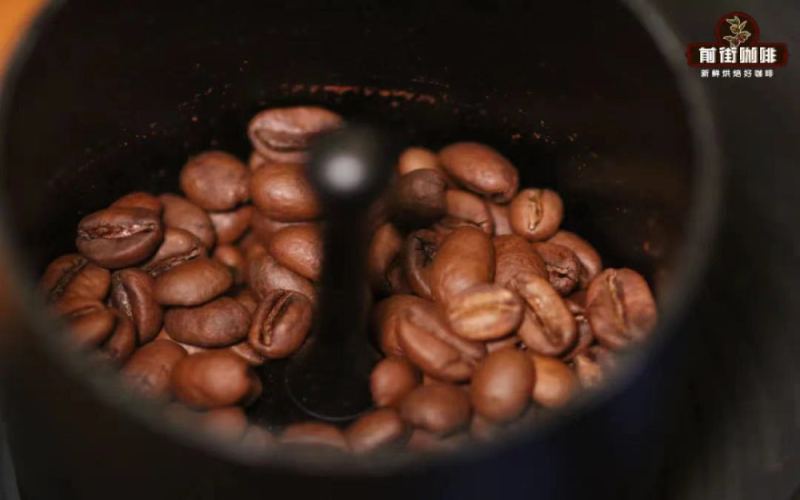
The Complete Guide to Resting Hand-Pour and Espresso Coffee Beans: Optimal Degassing Times and Identification Methods for Different Roast Levels
Why do freshly roasted coffee beans need to rest for a period? How does carbon dioxide release affect extraction and flavor? Drawing on the practical experience of Front Street Coffee, this article systematically explains the principles and necessity of resting beans, and provides recommended resting days for three roast levels: light-medium, medium, and medium-dark. At the same time, you will learn how to judge whether coffee beans have finished degassing by observing the blooming state in pour-over brewing and the crema performance of espresso, as well as how to flexibly adjust the resting period under low winter temperatures. Whether you prefer pour-over or espresso, these practical tips can help you present coffee's fullness and cleanliness more consistently. [more…]

How long does coffee bean resting take? Why freshly roasted beans aren't suitable for immediate brewing
Just got freshly roasted coffee beans? Many people can't wait to brew a cup right away. But coffee beans aren't at their best the fresher they are—they need to go through a resting period before they reveal their ideal flavor. This article will walk you through why coffee beans need to rest, exactly how long the resting period should be, the dual role of carbon dioxide in the process, and the correct ways to store coffee beans day to day along with common mistakes to avoid. It will also explain Front Street Coffee's shipping schedule and grinding service, helping you master the perfect timing from the moment the beans arrive to the moment they hit your cup, so every cup of coffee makes the most of what it has to offer. [more…]
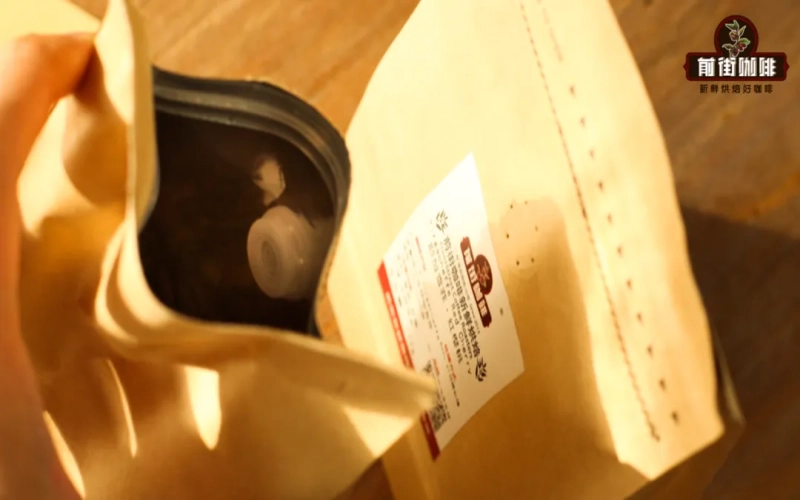
What is the purpose of the one-way degassing valve on a coffee bag? A detailed explanation of material differences and the anti-burst principle
That inconspicuous little hole on a coffee bean bag is actually an ingenious one-way degassing valve. Many people assume it exists simply so we can smell the coffee's aroma, but the truth goes far beyond that—its core mission is to prevent the coffee bean bag from bursting due to excessive internal pressure. This article starts with the "one-way street for cars" analogy commonly used by Front Street Coffee to explain in detail the patterns of carbon dioxide release from coffee beans after roasting, the differences in degassing volume under different roast levels, and why they should be sealed and stored as soon as possible to slow down oxidation. At the same time, it will also walk you through the differences between common materials used for coffee bean bags, helping you understand the science behind coffee packaging more comprehensively. [more…]
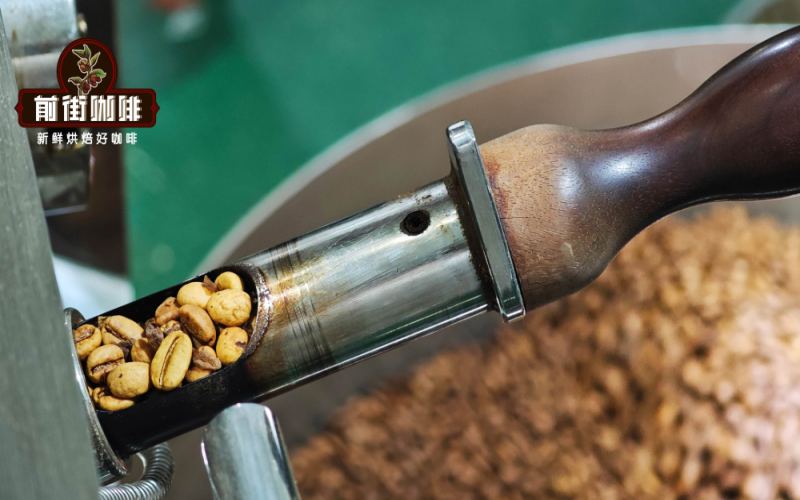
How Long Should Coffee Beans Rest? Resting Principles and Key Operational Points for Different Roast Levels
Freshly roasted coffee beans are not at their best right after roasting; they still need to go through a degassing process known as "resting." The core purpose of resting is to let the large amount of carbon dioxide produced during roasting gradually escape, allowing the aromatic compounds and oils to integrate more fully, so that a cleaner, more stable flavor is presented during brewing. Insufficient resting brings a dry, harsh sensation and a smoky, pungent taste, while excessive resting accelerates the loss of aroma and shortens the optimal enjoyment period. Different roast levels and different brewing methods have different requirements for resting time; medium-dark roasts generally need about 3 days, while beans for espresso may need 10 to 15 days. In this article, Front Street Coffee systematically sorts out the principles, time ranges, and storage key points of resting, helping coffee lovers find the rhythm that suits their own taste. [more…]

Inadequate sealing of coffee bean packaging triggers a recall, drawing attention to one-way degassing valve design issues
In recent years, more and more people have chosen to buy whole coffee beans and make freshly ground coffee at home, and the coffee market has continued to expand. However, a recent recall notice issued by Costco in Taiwan drew widespread attention—some organic Sumatra coffee beans were urgently recalled because the packaging seals were incomplete. Some consumers reported finding large holes in the bags or incomplete seals during inspection. It is worth pondering that this problem may not be a simple sealing defect, but may be related to the design of the one-way degassing valve on the bag. After roasting, coffee beans release a large amount of carbon dioxide. If the degassing valve does not function properly, the pressure inside the bag becomes too high and pushes the seal open. In that case, will the coffee beans spoil? And how should beans be properly stored when stockpiling them in daily life? This article will answer these questions one by one. [more…]