







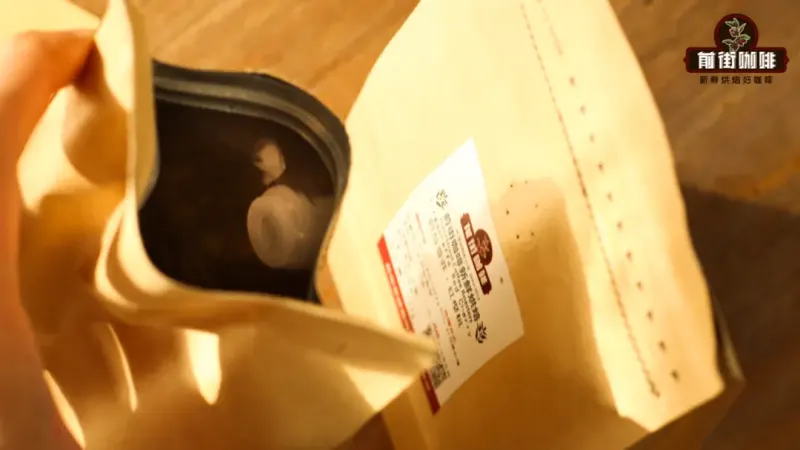
Why does a coffee bean roaster bag need a one-way valve?
The small valve on a coffee bag lets gas out but not in. After roasting, beans release carbon dioxide for days, and a sealed bag without a valve can inflate and even burst. The valve vents that pressure while limiting oxygen entry. Smelling the coffee through it is a side effect, not the reason it was added.
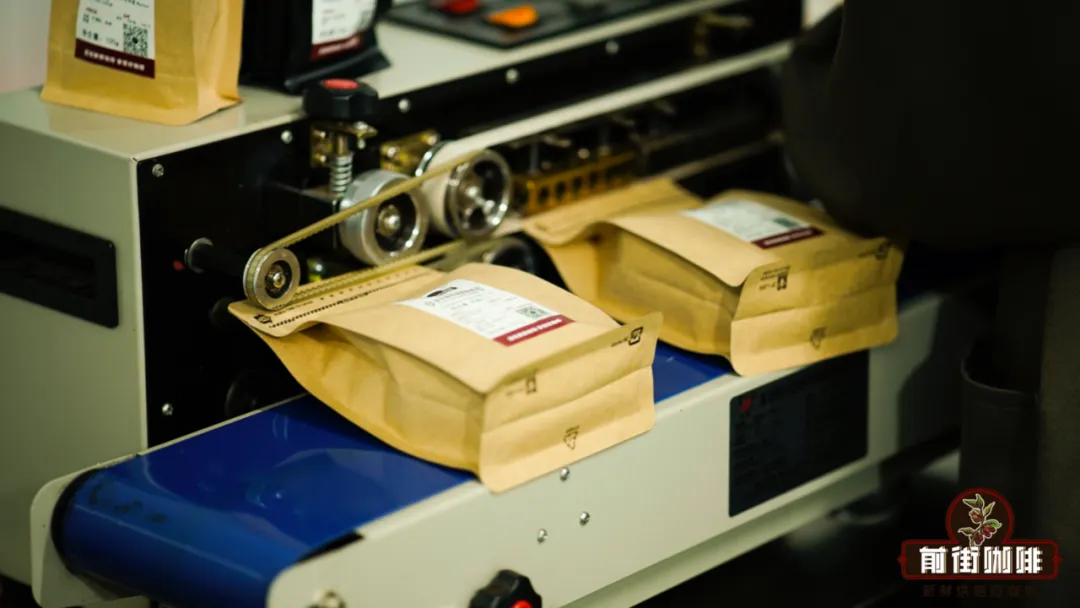
Degassing is heaviest in the first week after roasting and varies with roast level, so bags are usually filled soon after the coffee bean roaster finishes a batch. Sealing beans quickly, and choosing packaging with a working valve, helps preserve coffee by slowing oxidation and keeping aromatic compounds in the bag longer.
That inconspicuous little hole on a coffee bean bag is actually an ingenious one-way exhaust valve. Many people assume it exists simply so we can smell the coffee's aroma, but the truth is far more than that—its core mission is to prevent the coffee bag from bursting due to excessive internal pressure. This article will start from the "one-way street for cars" analogy commonly used by Front Street, and explain in detail the patterns of carbon dioxide release from coffee beans after roasting, the differences in exhaust volume under different roast levels, and why beans should be sealed and stored as soon as possible to slow oxidation. At the same time, it will also walk you through the differences between common materials used for coffee bean bags, helping you understand the science behind coffee packaging more comprehensively.
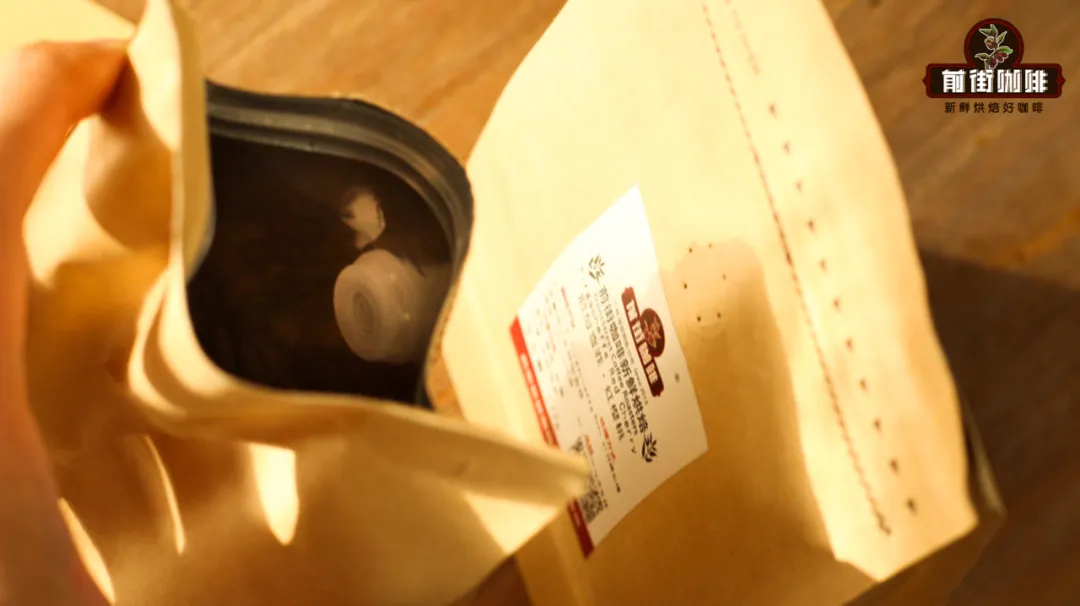
This device is called a "one-way exhaust valve." As the name suggests, it only allows gas to flow out in one direction and cannot enter from the opposite direction. Front Street often uses the "one-way street for cars" analogy to help everyone understand how it works. So why must a coffee bean bag be fitted with such a component?
Why use a one-way exhaust valve?
At this point, someone might cleverly jump in with the answer: Of course it's for smelling the aroma!!!!
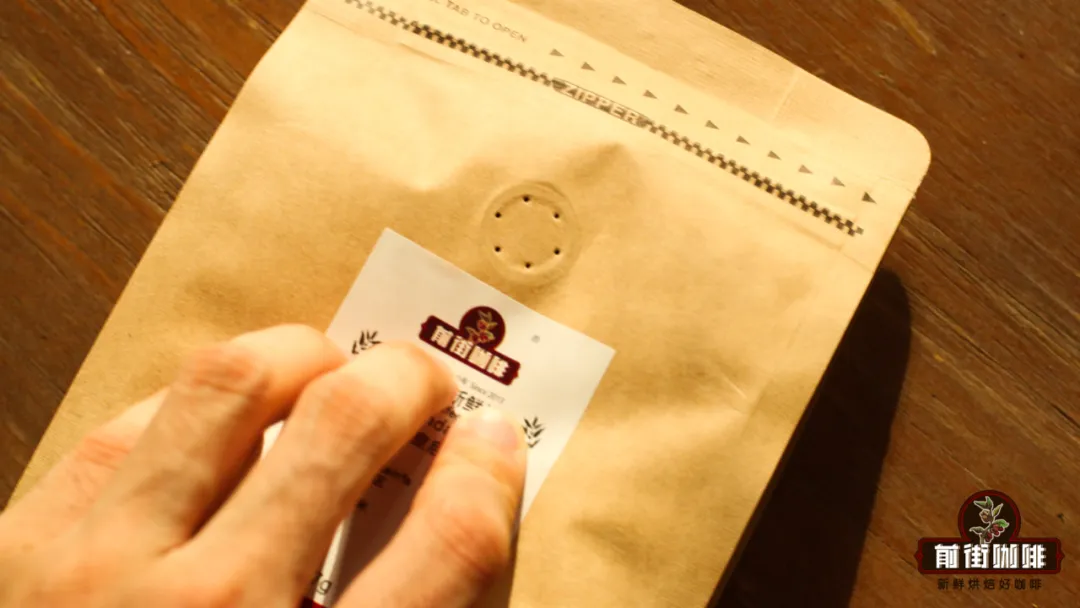
Al!though!! this little hole really does let people smell the coffee's aroma, that was not the original purpose for which it was invented, nor can it be called its core function. There is truly only one reason it exists—to keep the coffee bean bag from bursting!
We all know that coffee beans undergo a series of chemical reactions during roasting, which causes a large amount of carbon dioxide to accumulate inside the bean. At first, this gas is locked inside the bean due to pressure. But once roasting ends and the beans come out of the roaster, the carbon dioxide begins to be gradually released outward.
At the same time, the aromatic compounds in coffee beans are volatile and will also continuously escape, especially after contact with oxygen, when the release rate speeds up significantly. Therefore, after roasting is completed, coffee beans must immediately be placed into sealed containers to reduce the oxidative effects caused by oxygen intrusion and allow the flavor to be preserved longer.
However, a new contradiction then arises. Within the first week after roasting ends, coffee beans release about seventy percent of their carbon dioxide, which is a considerable amount of exhaust. Moreover, the darker the roast level, the higher the carbon dioxide content inside the beans, and the greater the amount released, as shown in the figure below.
(Dark roast beans on the left, light roast beans on the right)


The above content is compiled by CoffeeHunters, a coffee news website.


