







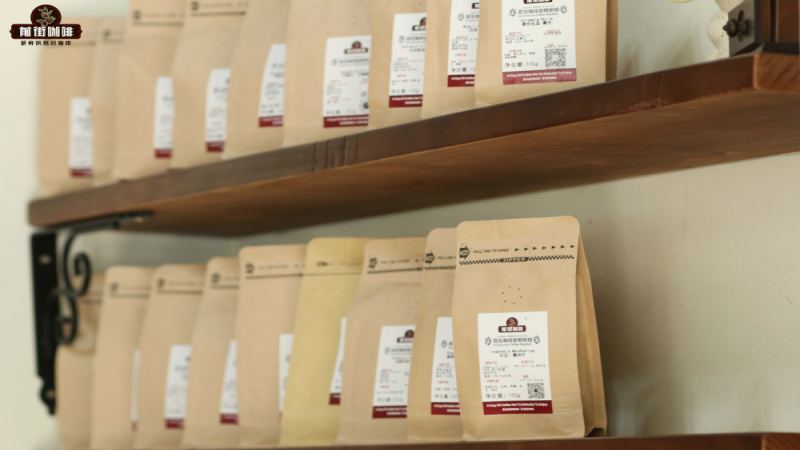
Why does coffee bean resting matter after roasting?
Freshly roasted coffee beans hold a large amount of carbon dioxide trapped inside from the roasting process, so brewing them right away rarely gives a clean cup. Resting lets most of that gas escape; once roughly 60 to 70 percent has been released, flavor approaches its peak window. Brew too early and the bubbling coffee bed causes uneven extraction.
Resting time shifts with roast level, and bean density plays a role too, since coffee beans size and structure affect how quickly gas moves out. Storage in a sealed container away from heat and air slows the decline after the peak. For beans that have not rested enough, grind coarser and expect a shorter, gentler bloom before brewing.
Have you just gotten your hands on coffee beans and wondered: why can't I brew them right away? In fact, after roasting, coffee beans accumulate a large amount of carbon dioxide inside, and they need a "resting" period to let the gas slowly escape so the flavor can reach its peak. Drawing on the practical experience of Front Street Coffee, this article explains in detail the science of bean resting, the time required for different roast levels, emergency brewing techniques for beans that haven't rested enough, and proper storage methods. Whether you're a beginner just getting into specialty coffee or an enthusiast looking to refine your brewing details, you'll find practical answers here to bring every cup closer to your ideal flavor.
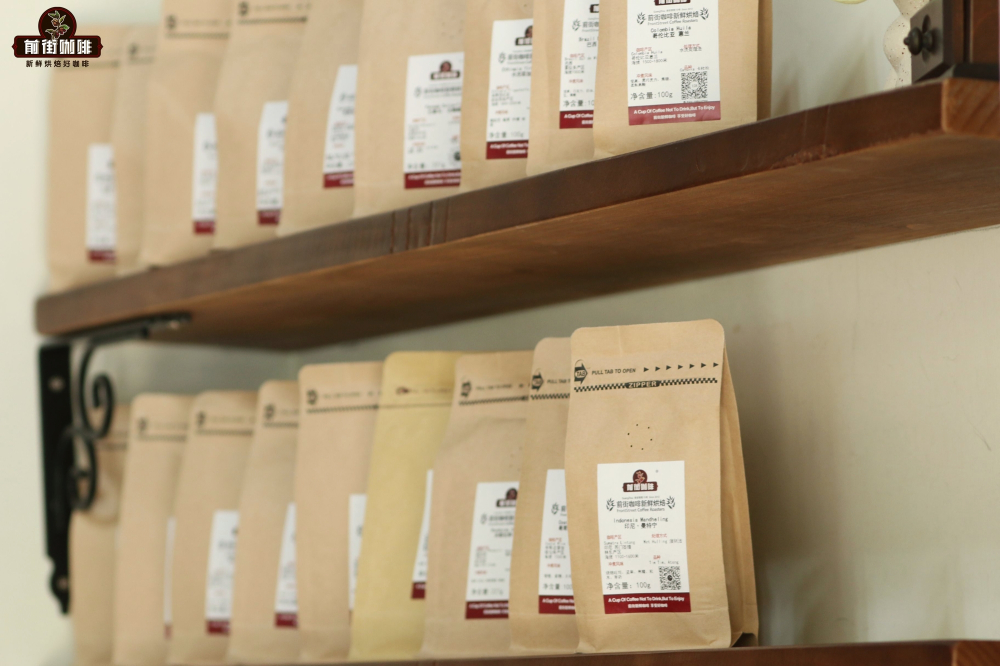
Many friends who visit Front Street's store to buy coffee beans casually ask about the specific roast date after picking their beans. This shows that people really do care about how fresh their coffee beans are. However, Front Street would like to clarify one thing first: coffee beans are not necessarily better the fresher they are. In today's article, Front Street will talk about some basic knowledge regarding coffee bean resting.
What exactly does "bean resting" mean?
The whole coffee beans we usually buy are green beans that have been roasted at high temperatures. During roasting, the beans expand in size, and a large amount of carbon dioxide is generated inside and trapped within the bean. Freshly roasted beans carry a distinct roasted aroma, and the gas inside is extremely active. If you brew them at this stage, when hot water contacts the coffee grounds, the gas cannot escape smoothly during blooming, which interferes with the subsequent extraction of flavor compounds. In the later stages of extraction, if the coffee bed is still bubbling and releasing gas, it easily creates turbulence, leading to uneven extraction, which ultimately shows up in the coffee's flavor.
Therefore, roasted coffee beans need to rest for a period of time to let most of the gas slowly escape. Once about 60% to 70% of the gas has been released, the coffee's flavor gradually approaches its peak — this is what we usually call the "optimal flavor window." After that, as degassing continues, the flavor slowly declines.
How long does bean resting generally take?
Degassing is a continuous process. If the gas inside the coffee beans is completely released, that means the beans are no longer fresh, and the aroma has almost entirely disappeared. So how do we determine the optimal resting time?
It's important to understand that the darker the roast, the longer the beans are exposed to heat, and the more carbon dioxide accumulates inside — naturally requiring a longer degassing time. Dark-roasted beans that have gone through second crack in particular expand the most and store a large amount of carbon dioxide. So when storing dark-roasted coffee beans, as the resting days increase, the gas will puff up the outer packaging — this is a sign that the beans are continuously degassing.
Taking the coffee beans previously sold by Front Street as an example, for light-to-medium roasted beans, Front Street recommends resting for 4 to 7 days; while medium-dark roasted beans need about 7 to 10 days to reach a stable flavor stage.
Can coffee beans that haven't "rested" properly be brewed?
After high-temperature roasting, coffee beans still retain a smoky taste inside. Brewing beans that haven't rested properly directly will cause a violent degassing reaction during extraction — the coffee tends to taste green and harsh, with insufficient flavor, a muddy body, and a lack of clarity. So Front Street believes that the resting step is quite necessary. But what if you really can't resist wanting an early taste?
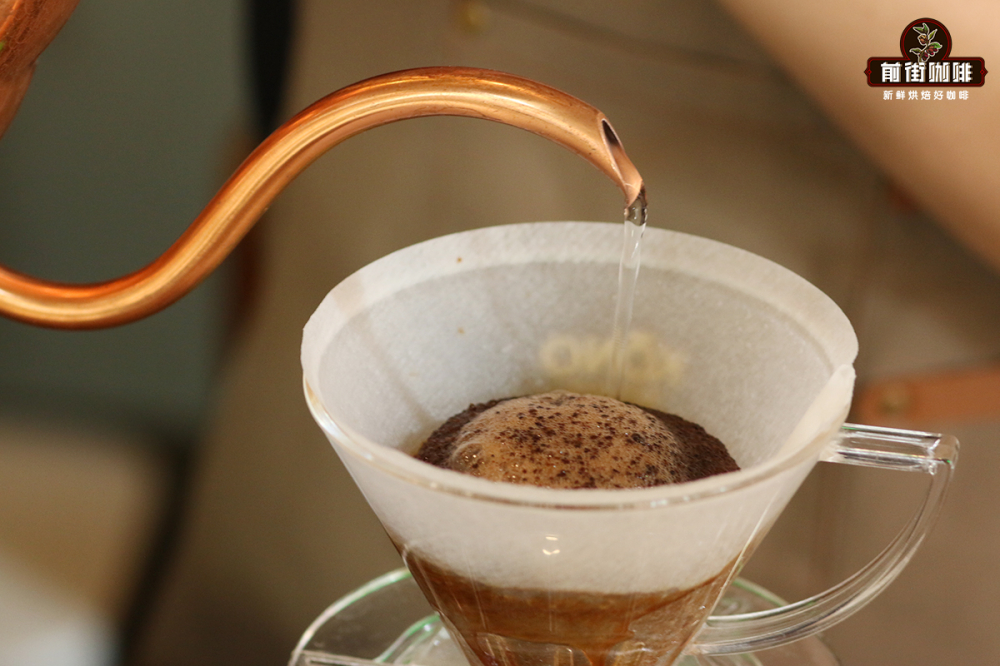
Front Street would like to share two little tricks here. During brewing, blooming is already the most important degassing stage — we can extend the bloom to let the coffee release more carbon dioxide. For example, if your usual pouring routine is a 30-second bloom, you can delay it by another 10 seconds, starting the second pour at 40 seconds instead. There's another method: after grinding the beans into powder, let them sit in the air for 1 to 2 minutes before brewing. Grinding increases the contact area between the coffee and air, allowing the gas to escape more thoroughly. But note that it's not just carbon dioxide that volatilizes — small-molecule gases that affect coffee flavor escape too, which is why coffee should be brewed and drunk as soon as possible after grinding.
How should you rest your beans?
After all that Front Street has said, the coffee beans you receive actually don't need much handling. No need to open the bag and transfer them to a sealed jar, and no need to refrigerate them. Just keep them in their original packaging, sitting in a cool, dry place. Coffee bags usually come with a one-way degassing valve — when the beans release gas, the bag puffs up, and the valve's job is to prevent the bag from bursting and to maintain pressure balance between inside and outside. Then, once the recommended resting period is over, you can open the bag and enjoy. To ensure the freshness of the coffee beans, Front Street ships beans that were freshly roasted within 5 days, and they generally arrive within 1 to 3 days, so the beans you receive are roughly right in their optimal flavor window, and you can start figuring out how to brew them.
Additionally, Front Street does not recommend squeezing the coffee bag while it's unopened. This is because when the gas inside the bag reaches saturation, it inhibits the rate at which the coffee beans degas, making the entire degassing process slower — which actually helps extend the flavor window. But if you manually squeeze out the gas inside the bag, a pressure difference forms between the inside and the outside, and the coffee beans will accelerate degassing to fill the space. The aroma we smell when squeezing a coffee bag is actually the coffee's flavor compounds being lost.
For professional coffee knowledge exchange and more coffee bean information, please follow Coffee Workshop (WeChat public account: cafe_style)
For more specialty coffee beans, please add the private WeChat of Front Street Coffee (FrontStreet Coffee), WeChat ID: qjcoffeex
The above content is compiled by CoffeeHunters, a coffee news website.


