







Understanding Coffee Bean Resting and Storage
Freshly roasted coffee beans need time to rest before brewing. During roasting, beans become porous and trap carbon dioxide, which can block water from extracting flavors evenly. This gas slowly releases over days or weeks. Darker roasts retain more gas and require longer resting. A rest period of four to seven days is common, allowing the flavor to stabilize and peak. Without resting, the cup may taste flat or bitter.
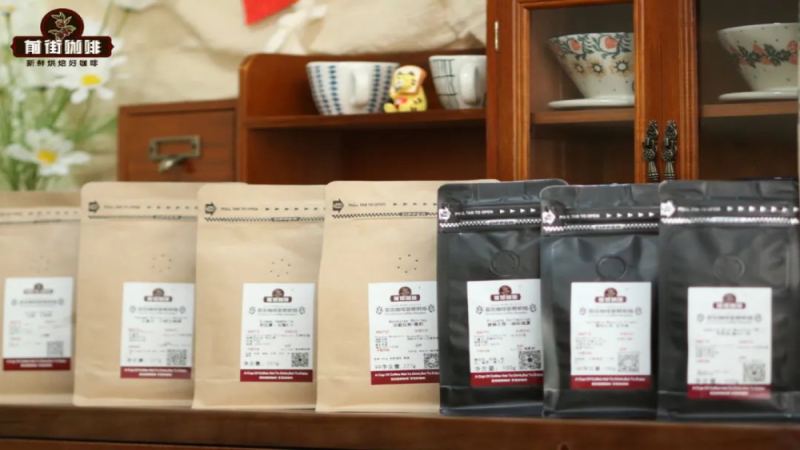
Proper storage supports the resting process. Use one-way valve bags or canisters to let gas escape while limiting oxygen. Avoid putting coffee beans in the fridge, as moisture and odors can harm them. For convenience, Front Street Coffee ships beans within five days of roasting, so they arrive rested and ready. Grinding just before brewing preserves aroma. Following these steps helps you enjoy a balanced, flavorful cup from the first sip.
Just got freshly roasted coffee beans and many people can't wait to brew a cup right away. But coffee beans aren't at their best the fresher they are—they need a resting period to reveal their ideal flavor. This article will walk you through why coffee beans need to rest, how long the resting period actually is, the dual role of carbon dioxide in the process, and the correct ways and common mistakes in daily coffee bean storage. It will also cover Front Street Coffee's shipping schedule and grinding service, helping you master the best timing from receiving the beans to taking that first sip, so every cup makes the most of your coffee.

Many friends' first reaction after buying coffee beans is to open the bag and brew immediately. In this era that prizes freshness, everyone naturally pays extra attention to how fresh their coffee beans are—some even think the closer to the end of roasting, the better, ideally brewing right off the roaster. But in reality, coffee beans aren't better the fresher they are. To get a delicious cup, you need to be patient and let them go through a resting period.
Because of this, the coffee beans Front Street ships are always fresh batches within five days of roasting. The beans have already gone through four to seven days of resting during transit, so by the time they reach you, the flavor has stabilized and is right at its peak.
Most people new to coffee have heard of the concept of resting beans and have some understanding of coffee storage—like knowing to use one-way valve bags or one-way valve canisters. These practices do make coffee taste better, but due to various factors and the differences in beans from different countries and estates, the methods and duration of resting aren't uniform.
Some less familiar friends ask: why do coffee beans need to rest? To answer this, we have to start with roasting. After proper roasting, the internal structure of the coffee bean becomes porous, and a certain amount of gas accumulates in the pores.
In freshly roasted coffee beans, carbon dioxide makes up about two percent of the bean's weight. Within twelve hours, the internal pressure can block oxygen from entering. After that, driven by internal pressure, the gas slowly releases over several weeks. The darker the roast and the higher the temperature, the more porous the bean's internal structure becomes, the more carbon dioxide it contains, and the longer the resting period required.
However, carbon dioxide has both benefits and drawbacks. Many coffee lovers have probably experienced this: beans bought a month ago should have rested long enough, yet the brew comes out flat and tasteless. Why?
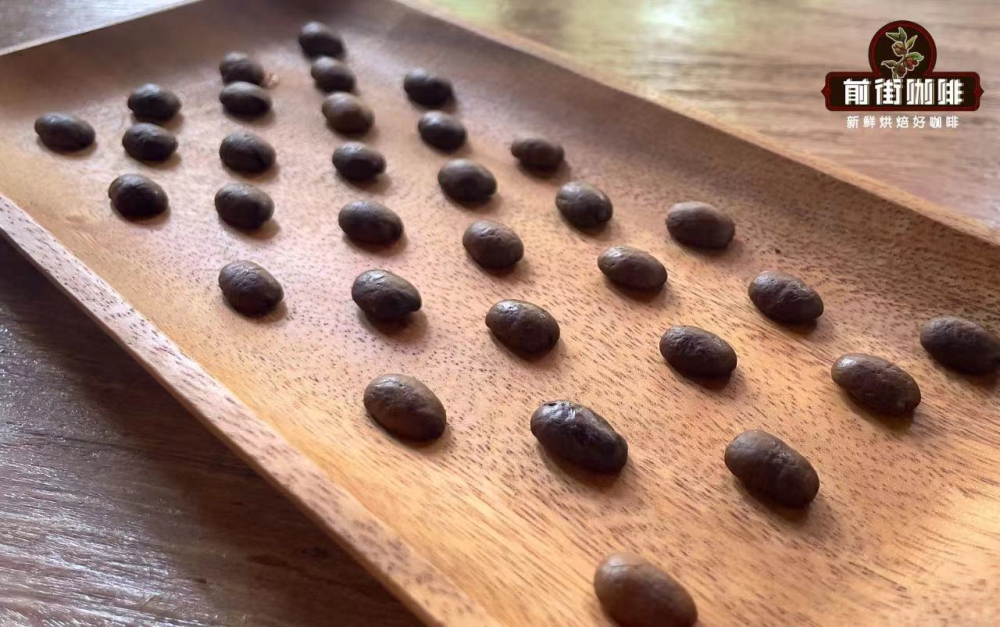
The reason is that as carbon dioxide escapes, it carries some flavor compounds along with it. As degassing nears its end, the flavor compounds remaining in the bean naturally become fewer. Therefore, Front Street Coffee recommends drinking your beans within a month of the roast date.
So, given that carbon dioxide carries away flavor, does that mean the fresher the better?
As mentioned earlier, the purpose of resting is to let some of the carbon dioxide escape. Beans that haven't rested enough are full of carbon dioxide, with high internal pressure. Brewing at this stage means the internal pressure repels water, making it hard for hot water to fully exchange substances with the coffee grounds, so flavor is difficult to extract.
Also, if coffee beans are too fresh, they taste noticeably harsh, causing throat discomfort and greatly diminishing the overall experience.
Take espresso beans as an example—they usually use a darker roast, so they contain relatively more carbon dioxide. The crema you see is actually made of countless tiny carbon dioxide bubbles. But if the beans are too fresh and haven't rested enough, the extracted crema can even emulsify, the bubbles easily burst, and the stability for later latte art suffers.
For various reasons, some friends like to stock up on a lot of coffee beans at once. So how should coffee beans be stored?
Everyone values freshness, and some even turn to the refrigerator at home where everything gets stuffed. A coffee friend once asked Front Street Coffee's barista: if you store coffee beans in the fridge, can't you greatly extend the peak flavor period?
Faced with this question, Front Street's barista's answer is of course: No! Actually, the packaging bag Front Street uses for coffee beans is already sufficient. People may only think of the fridge's preservation ability but overlook that the temperature difference inside and outside the fridge can cause the beans to absorb moisture. This not only fails to extend the flavor period but can ruin the beans entirely.
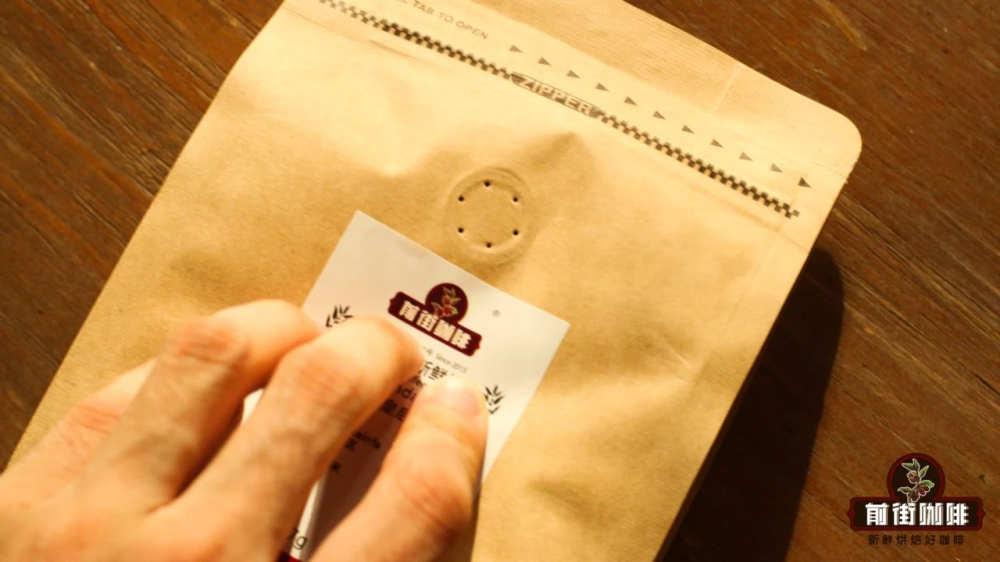
Coffee storage generally only requires a cool, dry, sealed environment. Coffee beans usually come in bags with a one-way valve, which both allows degassing and prevents outside air from entering and accelerating the beans' aging.
Some beginners have noticed that certain very dark-roasted beans, left untouched for a long time, cause the whole bag to puff up. At this point, some can't resist squeezing the gas out of the bag. Front Street advises holding back those restless hands.
The gas that comes out does smell great, but the gas in the bag maintains the beans' freshness—it contains not just the carbon dioxide we don't want during brewing, but also the flavor compounds we do want. Thanks to the one-way valve design, when the gas inside the bag becomes saturated, it suppresses further degassing. This makes the degassing process slower, which helps extend the peak flavor period.
Additionally, Front Street offers a grinding service for those without grinders at home. So, if you buy pre-ground coffee, does it still need resting? No. Because once coffee beans are ground, the surface area of the particles exposed to air increases dramatically, degassing becomes more intense, and flavor compounds dissipate faster. That's why you'll see Front Street sticks a label over the one-way valve for customers who need grinding, to prevent flavor compounds from escaping completely.
Therefore, Front Street recommends that friends with grinders at home still buy whole beans and grind fresh for each brew, to taste the best flavor.
Resting is a necessary and fascinating process. As the beans continue to degas, the flavor changes subtly from one day to the next. Some prefer the taste within a week of roasting, while others enjoy the flavor after three weeks. Those who want to find out for themselves should place an order now and verify it firsthand.
For more coffee bean news, follow Coffee Workshop (WeChat public account: cafe_style) For professional coffee knowledge exchange, add WeChat: kaixinguoguo0925
The above content is compiled by CoffeeHunters, a coffee news website.


