







Why does coffee roasting tips include a resting period?
Freshly roasted beans are not at their peak. High-temperature roasting traps carbon dioxide inside the bean, and brewing too soon lets that gas interfere with the bloom, causing turbulence and uneven extraction. Beans need to rest until roughly 60 to 70 percent of the gas has escaped, which is the optimal flavor window.
Resting time depends on roast level, and the roasting process continues to release gas slowly afterward, so flavor fades little by little past the window. Front Street Coffee gives specific resting recommendations per bean and notes that buyers often ask for the roast date. Emergency brewing methods exist for beans that have not rested well, and correct storage protects the window.
Many coffee lovers focus on the roast date when buying coffee beans, believing that the fresher the better. But in fact, freshly roasted coffee beans need a period of "resting" to allow the internal carbon dioxide to fully release before they reach peak flavor. This article will explain in detail the principles of bean resting, the resting times required for different roast levels, emergency brewing methods for beans that haven't rested well, and the correct storage approach. At the same time, using Front Street Coffee beans as an example, we provide specific resting recommendations to help you enjoy a good cup of coffee within its optimal flavor window.
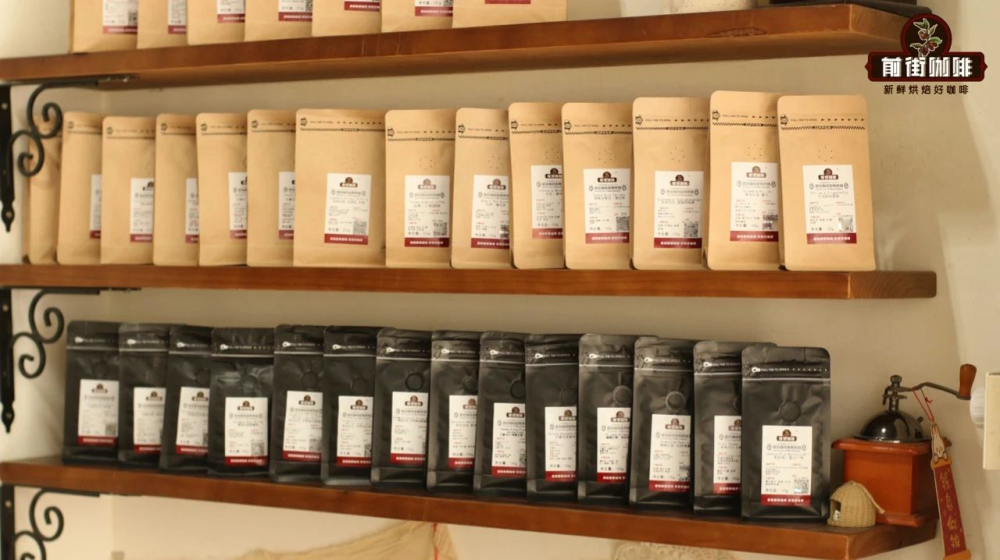
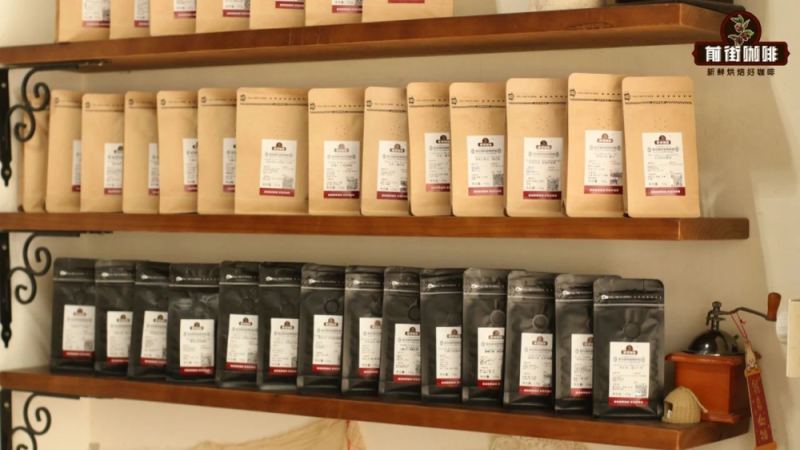
Many friends who visit Front Street Coffee stores to buy coffee beans always ask for the specific roast date after choosing their beans, which shows that people do care quite a bit about the freshness of coffee beans. However, Front Street Coffee wants to clarify one thing first: coffee beans are not necessarily better the fresher they are. In today's article, Front Street Coffee will talk with everyone about the knowledge of coffee bean resting.
What exactly does "bean resting" mean?
The whole roasted coffee beans we usually buy are transformed from green beans through high-temperature roasting. During the roasting process, the coffee beans expand and grow larger, while a large amount of carbon dioxide is generated inside and sealed within the bean body. Freshly roasted coffee beans carry a roasting aroma, and the internal gases are highly active. If brewed immediately at this point, after hot water contacts the coffee grounds, the gas has not been fully released during the blooming stage, which will interfere with the subsequent extraction of flavor compounds. In the later stages of extraction, if the coffee bed is still bubbling and releasing gas, it can easily cause turbulence, leading to uneven extraction and ultimately affecting the coffee's flavor performance.
Therefore, coffee beans that have completed roasting need to rest for a period of time to let most of the gas slowly release. After 60% to 70% of the gas has been released, the coffee's flavor will gradually approach its peak, which is what we usually call the "optimal flavor window." After that, as the gas continues to be slowly released, the flavor will weaken little by little.
How long does bean resting generally take?
Degassing is a continuous process. If all the gas inside the coffee beans has been released, that means the beans are no longer fresh, and the aroma has almost completely disappeared. So how should we determine the best time period for resting beans?
It should be understood that the darker the roast level, the longer the heating time, and the more carbon dioxide the coffee beans contain, so the degassing time naturally needs to be longer. This is especially true for dark-roasted beans that have undergone second crack, which have the greatest expansion and accumulate a large amount of carbon dioxide inside. Therefore, when storing dark-roasted coffee beans, as the resting time progresses, the gas will puff up the outer packaging, indicating that the beans are continuously degassing.
Taking the coffee beans sold by Front Street Coffee as an example, for medium-light roasted beans, Front Street Coffee recommends resting for 4–7 days; while medium-dark roasted coffee beans need about 7–10 days to enter the flavor stabilization stage.
Can coffee beans that haven't rested well be brewed?
After high-temperature roasting, coffee beans still retain a smoky taste inside. Brewing beans that haven't rested well directly will show obvious degassing during extraction, and the coffee can easily carry a grassy, harsh sensation, with the flavor not standing out, and the mouthfeel being blurry and not clear enough. So Front Street Coffee believes that resting beans is still very necessary. Then if you really can't resist wanting to taste them early, what should you do?
Front Street Coffee has two small tips here. During brewing, blooming is the most important degassing step, and we can extend the blooming time to let the coffee release more carbon dioxide. For example, the usual pouring process is a 30-second bloom, and at this point you can extend it by another 10 seconds, that is, pour the second stage of hot water after 40 seconds.
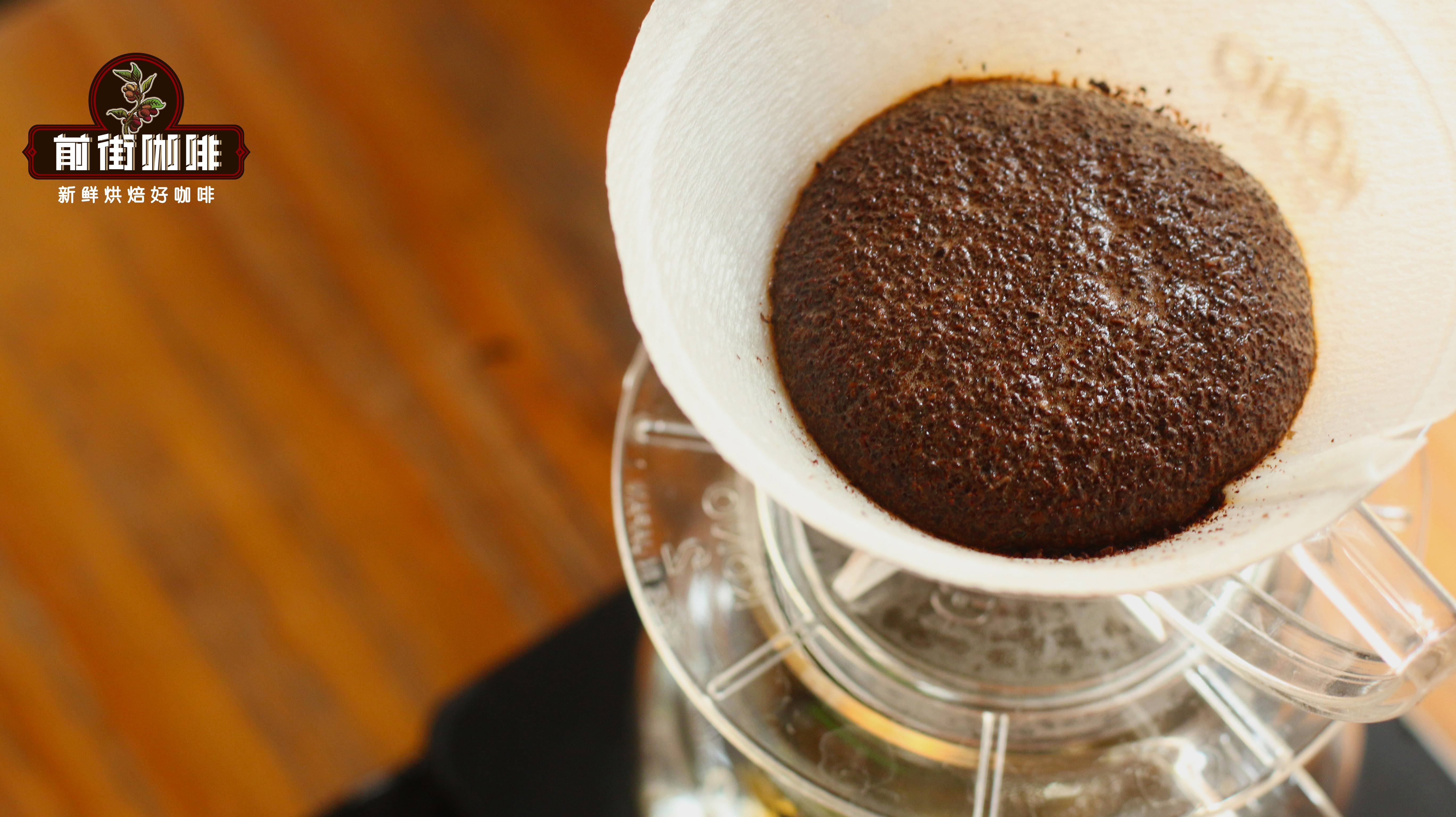
Another method is to grind the coffee beans into powder and leave them exposed to the air for 1–2 minutes before brewing. Grinding into powder increases the contact area between the coffee and air, allowing the gas to be released more fully. It should be noted that what evaporates is not only carbon dioxide, but also small-molecule gases that affect the coffee's flavor, which is also why coffee should be brewed and drunk as soon as possible after grinding.
How should beans be rested?
After saying so much, Front Street Coffee actually means that the coffee beans you receive do not need much extra handling. There is no need to open the bag and put them into a sealed jar, and no need to refrigerate. Just keep them in the original packaging and let them sit in a cool, dry place. Coffee bags usually have a one-way degassing valve. When the coffee beans release gas, the packaging bag will bulge, and the purpose of the valve is to prevent the bag from bursting and to maintain a balance between internal and external pressure. Once the recommended resting period is over, you can open it and taste it.
To ensure the freshness of the coffee beans, the coffee beans shipped by Front Street Coffee are all freshly roasted within 5 days, and usually arrive within 1–3 days. In this way, the coffee beans everyone receives are roughly within their optimal flavor window, and you can confidently begin exploring how to extract them.
The above content is compiled by CoffeeHunters, a coffee news website.


