







Why Does Coffee Bean Packaging Fail After Roasting?
A Costco Taiwan recall covered organic Sumatra coffee beans sold between May 22 and June 9 after buyers found incomplete bag seals and holes in the packaging. The likely cause is the one-way degassing valve, not a simple sealing defect, since roasted beans release large amounts of carbon dioxide.
When the valve cannot vent properly, internal pressure builds and pushes the seal open, exposing the beans to air. Home brewers buying whole beans to grind themselves should inspect bags on arrival, squeeze gently for leaks, and transfer stockpiled coffee into airtight containers stored away from heat, light and moisture.
In recent years, more and more people have chosen to buy whole coffee beans and make freshly ground coffee at home, and the coffee market has continued to expand. However, a recent recall notice issued by Costco in Taiwan sparked widespread attention—some organic Sumatra coffee beans were urgently recalled because the packaging seals were incomplete. Some consumers reported that upon inspection they found large holes in the bags or incomplete seals. It is worth pondering that this problem may not be a simple sealing defect, but may be related to the design of the one-way degassing valve on the bag. Coffee beans release a large amount of carbon dioxide after roasting. If the degassing valve fails to function properly, the pressure inside the bag becomes too great and pushes open the seal. In that case, will the coffee beans spoil? And how should beans stockpiled for daily use be stored properly? This article will answer these questions one by one.
Compared with instant coffee, more and more people today are willing to buy whole coffee beans and make freshly ground coffee at home with a coffee machine. The coffee market is constantly expanding. In addition to going to cafés, more people are starting to make coffee themselves at home.
Recently, members of a Costco store in Taiwan received a notice. The notice stated that because a small number of packages of "organic Sumatra coffee beans" were found to have incomplete bag seals, consumers who bought the product between May 22 and June 9 were urged to carefully inspect the product packaging, not eat it if they had concerns, and bring the product to the store for a return.
Some netizens said that because they had to peel open the adhesive backing of the coffee bean packaging to confirm whether the seal was intact, they had already finished a whole bag without noticing. Another netizen also reported that after receiving the notice, they checked and only then discovered a large hole in the packaging, which would not have been noticed without careful inspection.
Another netizen mentioned that after seeing recent news reports about problems with that brand's coffee bean packaging, they inspected a bag of organic Ethiopian coffee beans purchased several months earlier that had not yet been opened, and was surprised to find that the packaging seal was likewise incomplete. Fortunately, they had not drunk it yet.
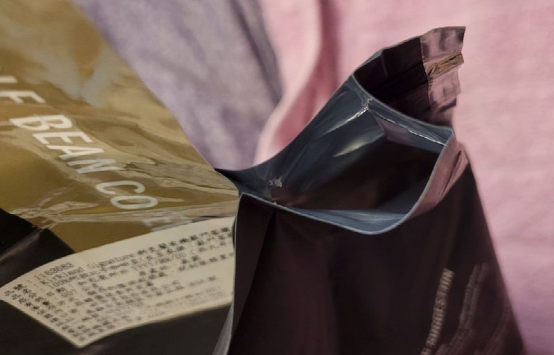
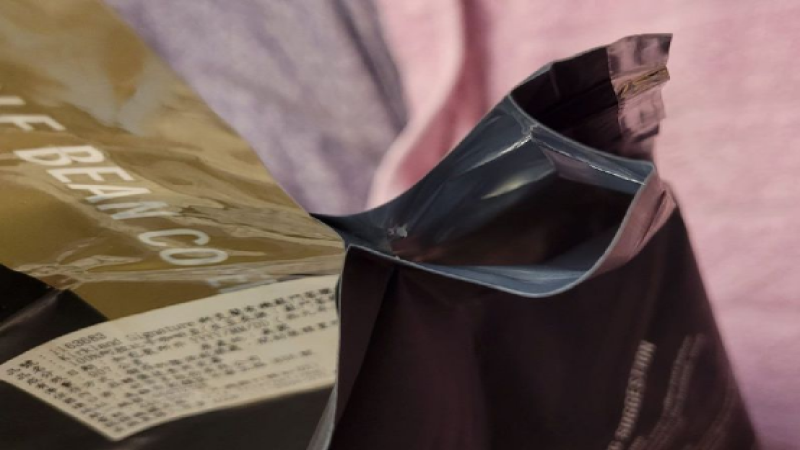
From the pictures provided by netizens, it can be observed that the reason the coffee bean bags were pushed open was not entirely because the seals were not airtight; it may also have been caused by the one-way degassing valve on the bag having too small an aperture or by a design defect.
Regardless of the roast level, coffee beans release a large amount of carbon dioxide after roasting, and at this time the one-way degassing valve plays a very critical role. Coffee beans kept in a completely sealed environment continuously release carbon dioxide, and when the carbon dioxide cannot escape through the valve, the gas pressure inside the package becomes too great and eventually pushes open the seal of the bag.
So in this situation, will the coffee beans spoil as a result? The answer is no! As long as the coffee beans are stored in a dry, cool environment, mold usually will not occur. But this applies only to the condition of the coffee beans themselves.
When coffee beans are exposed to air for a long time, the flavor molecules in the beans "escape" along with the release of carbon dioxide. Although the organic compounds in the coffee beans will not undergo changes that affect health, the coffee flavor will also become weaker, and the overall taste of the coffee will become bland and insipid.
Although the bags being pushed open this time may not have been entirely caused by incomplete sealing, no matter what reason caused the seals to open, the seller has an obligation to replace the product or issue a refund to consumers.
With growing demand for coffee consumption, many people have developed the habit of stockpiling coffee beans or ground coffee, and buying more than a month's supply at once has become very common. The ideal storage conditions for coffee beans and ground coffee are dry and cool. Because refrigerators are common food preservation appliances found in almost every household, and also to slow the oxidation rate of coffee beans, many coffee drinkers think of putting the coffee beans they buy into the refrigerator for storage.
However, the temperature difference between the inside and outside of a refrigerator is relatively large. When coffee beans or ground coffee are taken out of the refrigerator, the large temperature difference easily causes water vapor in the air to condense, thereby making the coffee beans or ground coffee damp.
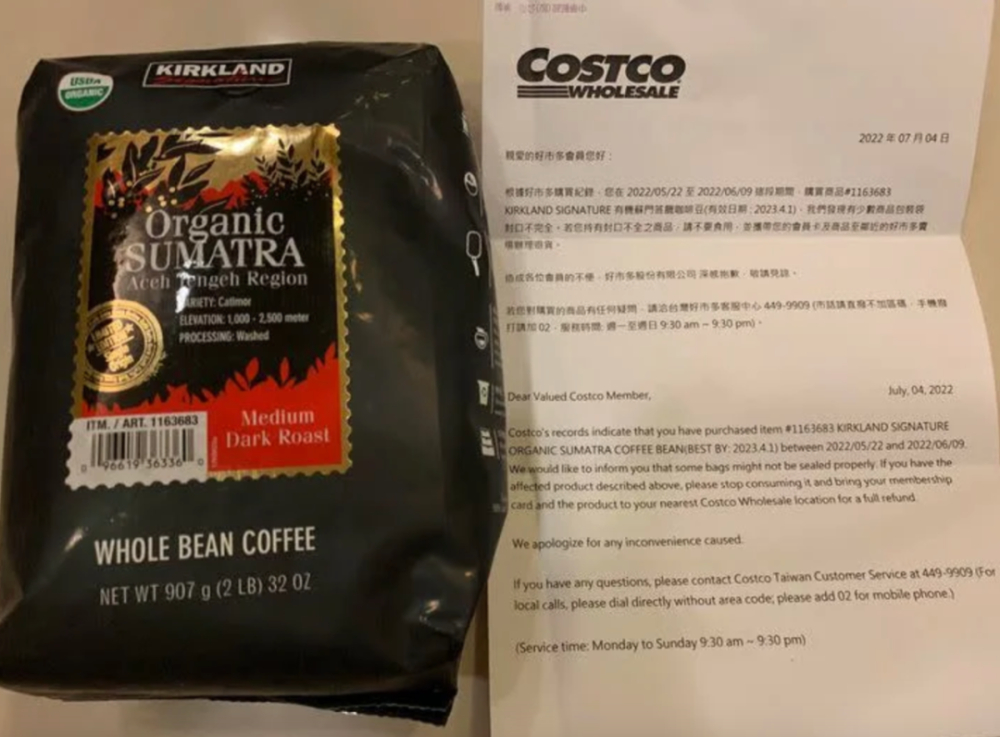
Most coffee bean packaging sold on the market today comes with a one-way degassing valve design. Excess gas in the bag is discharged through the valve, and when the pressure inside the bag decreases, the valve closes, so outside air and water vapor cannot enter the bag either. In other words, when the packaging is intact and stored at room temperature, the chance of coffee beans becoming damp is relatively low. To avoid incomplete packaging happening to you, it is recommended that you inspect the outer packaging of every bag of coffee each time you receive a shipment.
If you want coffee beans to retain their original flavor while also worrying about dampness, the method is actually very simple—finish one bag before buying the next.
Image source: Facebook, internet
For more coffee bean information, please follow Coffee Workshop (WeChat public account cafe_style) For professional coffee knowledge exchange, please add WeChat ID kaixinguoguo0925
The above content is compiled by CoffeeHunters, a coffee news website.


