








What separates Typica and Bourbon from other arabica bean varieties?
The arabica bean species accounts for roughly 75 percent of world coffee production and is grown across Central and South America, Brazil, Colombia, Ethiopia, Tanzania, Yemen and Indonesia. Plants typically reach 2.5 to 4.5 meters, tolerate low temperatures but not frost, and yield large beans with moderate acidity and slight bitterness.
Typica and Bourbon are the two oldest arabica varieties with the highest commercial value in specialty coffee. Bourbon, a Typica mutation, brings stronger aroma and bright acidity; later selections include Caturra, Catuai, Pacas, SL28, SL34, Villa Sarchi and Maragogype. Panama geisha coffee beans descend from the same species and show how far that genetic line can go in the cup.
Arabica has long been hailed as the blue blood of the coffee world. Not only does it boast outstanding flavor on its own, but its ancient derivatives, Typica and Bourbon, are also two of the most commercially valuable pillars of specialty coffee. From the perspective of Front Street Coffee, this article systematically reviews the origin distribution, growing conditions, and flavor performance of the Arabica species, and takes a deep dive into the origin stories, plant morphology, and cupping characteristics of varieties such as Typica, Bourbon, Caturra, Catuai, Pacas, SL28/SL34, Geisha, Villa Sarchi, and Maragogype, helping coffee lovers fully understand the ins and outs of these classic varieties.

\n\nFor more specialty coffee knowledge, welcome to follow our WeChat public account: Front Street Coffee (FrontStreet Coffee).\n\nArabica can be considered coffee royalty, with its superior flavor and mouthfeel enjoying universal praise. The varieties derived from it have inherited this excellent genetic heritage and occupy an important place in the coffee world, captivating countless coffee enthusiasts. Typica and Bourbon are precisely the two most representative ancient varieties among them, and also the members with the highest commercial value in the specialty coffee field. Today, Front Street will walk everyone through these two outstanding varieties and see what makes them so special.\n\nAccording to Front Street's research, the Arabica species was the earliest coffee variety discovered and is widely recognized as the best among coffee varieties. It is also currently the most widely cultivated variety globally. It is produced in countries across Central and South America, Brazil, Colombia, as well as Ethiopia, Tanzania, Yemen, and Indonesia in Africa. Arabica plants typically grow between 2.5 and 4.5 meters. They tolerate low temperatures but not frost, and have weak drought resistance. The beans are relatively large with excellent quality, a rich and mellow taste, moderate acidity, and slight bitterness, accounting for about 75% of world production. The small-bean Arabica coffee originated from the Ethiopian highlands. Due to its excellent flavor quality, it has been widely cultivated and has given rise to numerous varieties. Typica, Bourbon, Geisha, and others all belong to the Arabica coffee species and are among the oldest Arabica varieties, mainly cultivated in Brazil, Colombia, and other parts of Central and South America. They are also found in Central American regions such as Tico and Sidamo, Typica in Sumatra, Indonesia, and Jamaica Blue Mountain.\n\n
\n\nThe Arabica species is extremely sensitive to its growing environment, so areas suitable for its cultivation are mostly concentrated in the high-altitude coffee belt between the Tropic of Cancer and the Tropic of Capricorn. Arabica requires an altitude of between 800 and 2,000 meters, and generally the higher the altitude, the better the coffee quality. Currently, Arabica coffee is the most widely distributed coffee variety, grown in Asia, Central and South America, and Africa. Ethiopia, Kenya, Panama, Colombia, and Brazil are all renowned Arabica-producing countries.\n\nIn terms of flavor, Arabica coffee beans are considered the best coffee beans and have dominated the specialty coffee consumer market since the concept of specialty coffee emerged. Taking the Arabica subspecies Typica as an example, it possesses excellent acidity and scores very high in cupping. As the oldest coffee variety, its genetics are superb.\n\n
\n\nIn terms of appearance, Arabica beans are longer and flatter, with a central line forming an S-shaped curve; Robusta beans are sturdier with a rounder shape and a central line that is nearly straight. Even for the same Arabica coffee tree, planting it in different locations—affected by climate, soil, and other factors—can produce completely different flavors. For example, Geisha grown in Ethiopia versus Panama tastes entirely different.\n\nBourbon and Typica form the world's most culturally and genetically important C. arabica coffee group. Historical records show that coffee seeds were taken from the coffee forests of southwestern Ethiopia to Yemen, where they were cultivated as a crop. Recent genetic testing has confirmed that Bourbon and Typica were the main seeds transported from Ethiopia to Yemen. The descendants of Bourbon and Typica spread from Yemen around the world, laying the foundation for modern Arabica coffee cultivation.\n\n
\n\nArabica is the earliest discovered coffee variety and is considered the best of all varieties, with relatively good overall flavor. It is the main source of specialty coffee, but it has weak disease resistance and can only be grown at high altitudes. Humans have been cultivating Arabica coffee trees for over 700 years, and many varieties have been developed. Currently, common Arabica coffee bean types include Typica, Bourbon, Caturra, Pacas, Villa Sarchi, Maragogype, Pacamara, Mundo Novo, Catuai, Geisha, Tim Tim, Catimor, and others, with Arabica mostly appearing as specialty coffee.\n\nTypica:\n\nThe oldest native variety from Ethiopia; all Arabica varieties are derived from Typica. Typica's top leaves are bronze-colored, and the beans are oval or slender-tipped. The flavor is elegant, but the plant is relatively weak with poor disease resistance and low yield. Excellent estate beans such as Jamaica Blue Mountain, Sumatra Mandheling, and Hawaii Kona all belong to Typica.\n\n
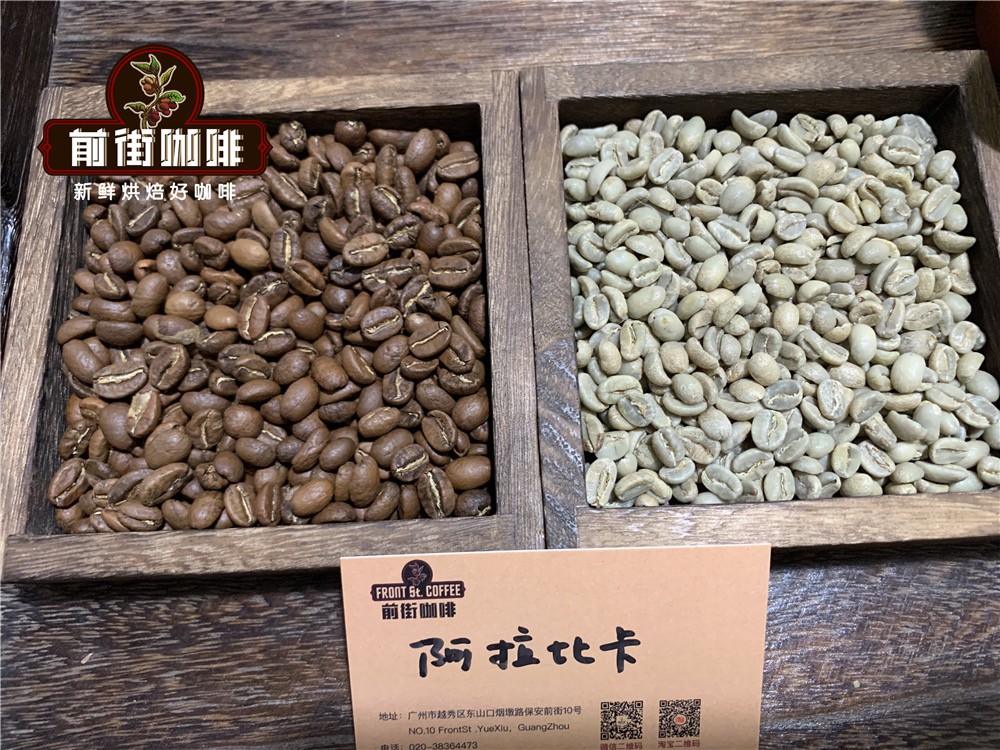
\n\nTypica has distinct characteristics and may be the easiest variety to identify. The plant overall is conical in shape, with a vertical main trunk that can reach up to 5 meters in height. This height means that compared to other varieties, the branches on the same stem are more sparsely distributed. Both the trunk and branches are not particularly thick. The leaves, coffee cherries, and green beans are typically slender, and the leaves during the growth stage have bronze-colored tips. The leaf surface is smoother than other Arabica varieties, with less pronounced wavy edges, and the mature coffee cherries are bright red.\n\n
\n\nThe caffeine content of Arabica beans is approximately 1.2%, while Robusta beans have a higher caffeine content of about 2.8% (often used to make instant coffee due to poor flavor). Pointed Bourbon has only 0.6%—not only low in caffeine but also without any reduction in its rich fruity flavors and mellow taste.\n\nBourbon:\n\nA mutation that occurred after Typica was transplanted to Yemen in early times (pre-coffee history), with the bean shape changing from slender-tipped to round. In 1715, France transplanted the round-bean Yemen Mocha to Bourbon Island off the east coast of Africa (renamed Reunion Island after the French Revolution), which is when it was named Bourbon. The round Bourbon bean was subsequently spread to Brazil and Central and South America in 1727. In 1732, the British transplanted Yemen Mocha to St. Helena Island (later the place of Napoleon's imprisonment), which was also the round Bourbon bean. Bourbon is a perennial champion in American specialty coffee cupping.\n\n
\n\nBourbon, like Typica, is tall and conical, but Bourbon has more secondary branches, making it appear denser. The main trunk and branches are thicker, making it sturdier than Typica but relatively less flexible. The branches are more densely packed, and this increased density means Bourbon can produce about 30% more coffee cherries than Typica.\n\n
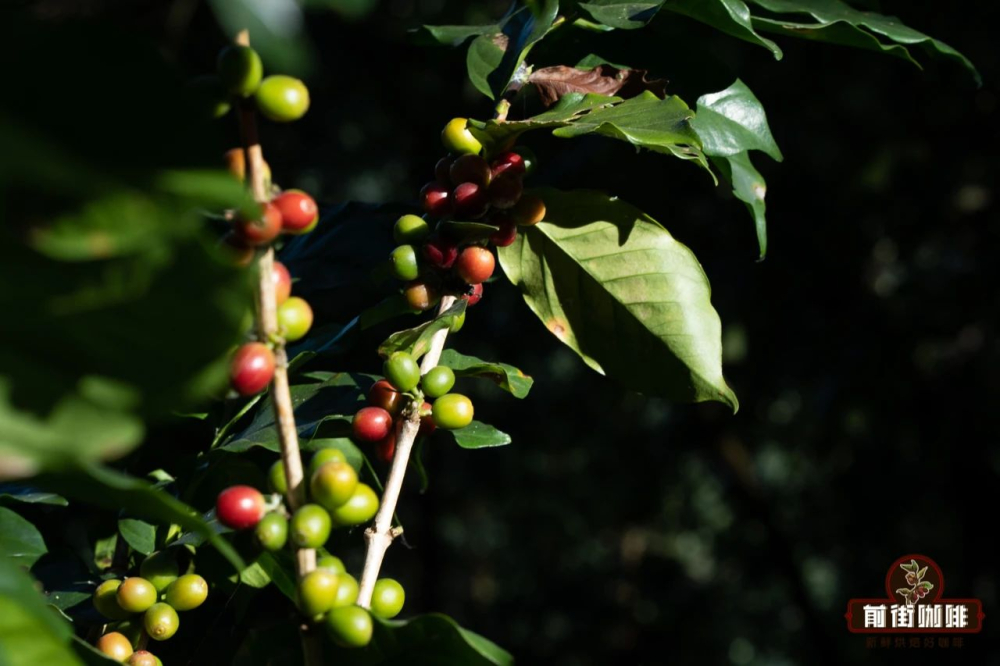
\n\nBourbon's leaves are wider than Typica's, with a rough texture and wavy edges. Young leaves are usually green but sometimes have bronze-colored tips. The coffee cherries are round and turn various colors when ripe, such as red, orange, or yellow (but the color is consistent on the same plant).\n\nCaturra:\n\n
\n\nA natural mutation of the Arabica variety Bourbon, discovered in Brazil in 1937. Its tree is shorter and more compact than Bourbon. Since it inherits Bourbon's lineage, its disease resistance is relatively weak, but its yield is higher than Bourbon's. Although discovered in Brazil, Caturra is not suited for growing in Brazil, so it was not widely planted there at scale. Instead, it became widespread in Central and South America—for example, Colombia, Costa Rica, and Nicaragua all cultivate Caturra extensively.\n\n
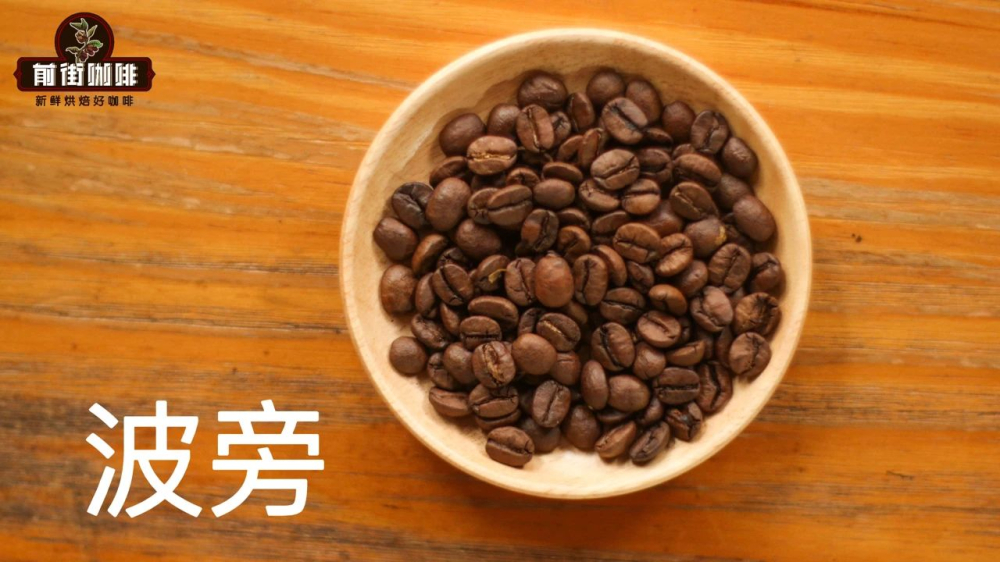
\n\nCatuai:\n\nCatuai is an artificially bred hybrid of Caturra and Mundo Novo. Mundo Novo is the result of a natural cross between Bourbon and Sumatra Typica. So Catuai carries Typica's genetics, which naturally manifests in its physical characteristics.\n\nCatuai coffee beans are oval and flat, with a relatively slender tail end. In Central and South America, many producing regions plant Caturra and Catuai together, so we can find both the smaller, rounder Caturra and the larger, more elongated Catuai among Central and South American beans.\n\n
\n\nPacas:\n\nPacas was discovered in El Salvador and is a mutation of Bourbon. In 1935, Salvadoran coffee farmer Pacas selected high-yielding San Ramon Bourbon plants and transplanted them to his farm. In 1956, a friend noticed that the Bourbon on his farm produced more fruit than the same type of coffee trees, so a University of Florida professor was invited to examine it. It was confirmed that a genetic mutation had occurred in the Bourbon, and the new variety was named "Pacas" after the farm. Due to its high yield and excellent quality, Pacas became quite popular in Central America and also played the role of a "stud" in breeding improved varieties. Currently, 68% of El Salvador's coffee is Bourbon varieties, 29% is Pacas, and the remaining 3% is Catuai, Caturra, and the noble Pacamara.\n\n
\n\nKenya's "SL28" and "SL34":\n\n
\n\nKenyan specialty coffee is wet-processed, resulting in a clean and bright flavor with more pronounced acidity. Many smallholders still insist on high-quality control, producing one outstanding specialty coffee after another. The phosphorus-rich Kenyan soil seems to suit both SL-28 and SL-34, these two Bourbon mutations, and they are precisely the contributors to the distinctive plum-like acidity. The unique plum-like acidity, citrus notes, wine-like delightful flavors, mixed with sugarcane sweetness, intense yet elegant aroma, clear and distinct layers, complex and deep flavors, and a full-of-personality acidity—all demonstrate the extraordinary character of Kenyan specialty coffee.\n\n
\n\nGeisha:\n\nGeisha coffee is surely the variety everyone is most familiar with, but many friends have only heard of it without seeing it, so Front Street will discuss its characteristics, starting with Panama Geisha as an example, because it has the highest recognizability. Panama Geisha coffee beans are slender in shape, pointed at both ends, plump and full in the middle. The roasted beans somewhat resemble a sausage roll.\n\n
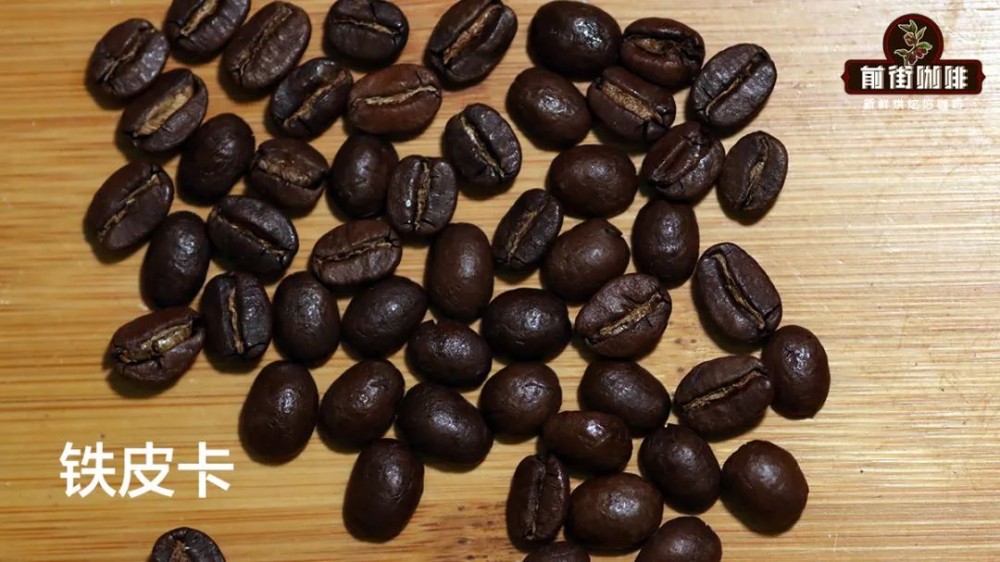
\n\nThis extremely popular coffee variety is easily identified by the angle of its top branches and the shape of the plant. Geisha's top branches extend skyward at 45-50 degrees. The Geisha plant is tall, with long distances between branches, and both the trunk and branches are thin, somewhat like Typica.\n\nThe leaves are smooth and slender, and the coffee cherries are also slender like Typica's. The most obvious difference between Geisha and Typica is that Geisha has an umbrella-like or flat-topped shape, while Typica is conical. Ripe Geisha cherries taste completely different from other varieties—they have citrus flavors and sweetness, as well as jasmine-like aromatics.\n\n
\n\nFor example, in the beans of Butterfly, which include Geisha, Caturra, and Catuai, we can first clearly distinguish the larger, elongated beans with pointed ends—these are the typical characteristics of Geisha coffee beans. Of course, the smaller Geisha coffee beans are slightly less recognizable, but upon careful observation, they also satisfy the characteristics of pointed ends and a plump middle.\n\n

\n\nHowever, this characteristic does not apply to Ethiopian Geisha, because Ethiopian Geisha coffee beans came about after Panama Geisha became famous—people traced back to find the forest in Ethiopia where samples were originally taken, and then searched the forest for varieties they believed had flavors similar to Panama Geisha.\n\n
\n\nFor example, the Geisha coffee varieties at Gesha Village are called Gori Gesha and Geisha 1931. The estate owner traced historical records to find a place called Gori Gesha Forest, believed that the British originally took Geisha seeds from there, so they also collected samples there and ultimately selected Geisha 1931. It was not selected through genetic testing, but rather by observing plant morphology, bean shape, and cupping flavor. From the samples, they believed this coffee variety was similar to Panama Geisha.\n\nAs for Gori Gesha, it was brought back by the estate owner when he re-entered Gori Forest in 2011. Even if they found the right place, with thousands of varieties in the Gesha forest, there is no guarantee that the varieties they found are the original Geisha (T2722). So it is normal for the bean shape characteristics to differ—after all, they are not the same variety.\n\n
\n\nGesha Village's Geisha varieties are all on the smaller side in terms of size. Geisha 1931 has slightly protruding tips at both ends and a plump middle. Gori Gesha is oval-shaped and relatively small.\n\nVilla Sarchi:\nA Bourbon mutation first discovered in Costa Rica in the 1960s.\n\nMaragogype:\nIts bean size is three times larger than Arabica, the largest in the world, hence its name. It is the most famous mutated variety of Typica, first discovered in 1870 in the Maragogipe coffee-producing region of Bahia, northeastern Brazil.\n\n
The above content is compiled by CoffeeHunters, a coffee news website.


