







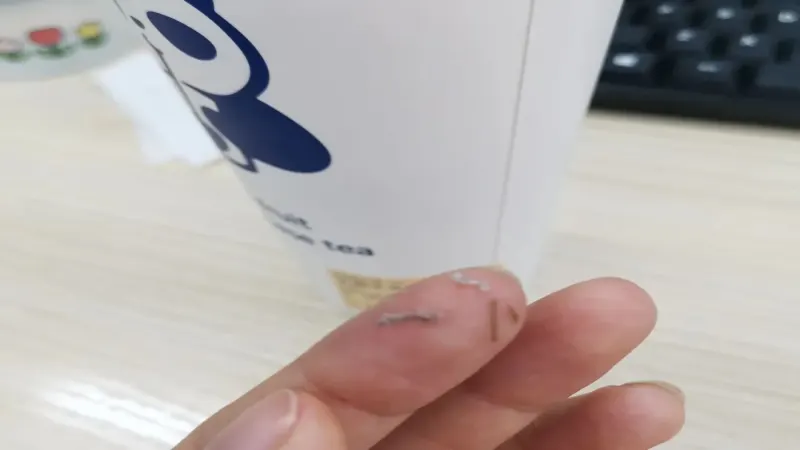
What does the ChaPanda foreign object case mean for coffee knowledge?
Consumers reported finding paper-like scraps and twig-like objects in drinks from ChaPanda, and the store responded that the substances were sweet potato rootlets contained in the taro paste ingredient, a natural part of the raw material rather than outside contamination. The claim spread quickly on social media and prompted questions about quality control at chain tea beverage brands.
The store's explanation points to how plant ingredients are handled before they reach the cup, which is the same kind of question raised in coffee knowledge circles about processing of coffee beans. Whether the material was natural or foreign, the case shows why brands are expected to document ingredient sourcing and inspection procedures and to answer customer complaints clearly.
Recently, consumers reported finding foreign objects resembling paper scraps and twigs in drinks from ChaPanda, sparking concern. The store later explained that these substances were actually sweet potato roots mixed into the taro paste ingredient, a natural component of the raw material rather than external contaminants. The incident continued to ferment on social media, with consumers raising questions about quality control and raw material processing procedures at chain tea beverage brands. This article reviews the course of the incident and the store's response, and also includes information on professional coffee knowledge exchange channels and specialty coffee bean recommendations for beverage enthusiasts' reference.
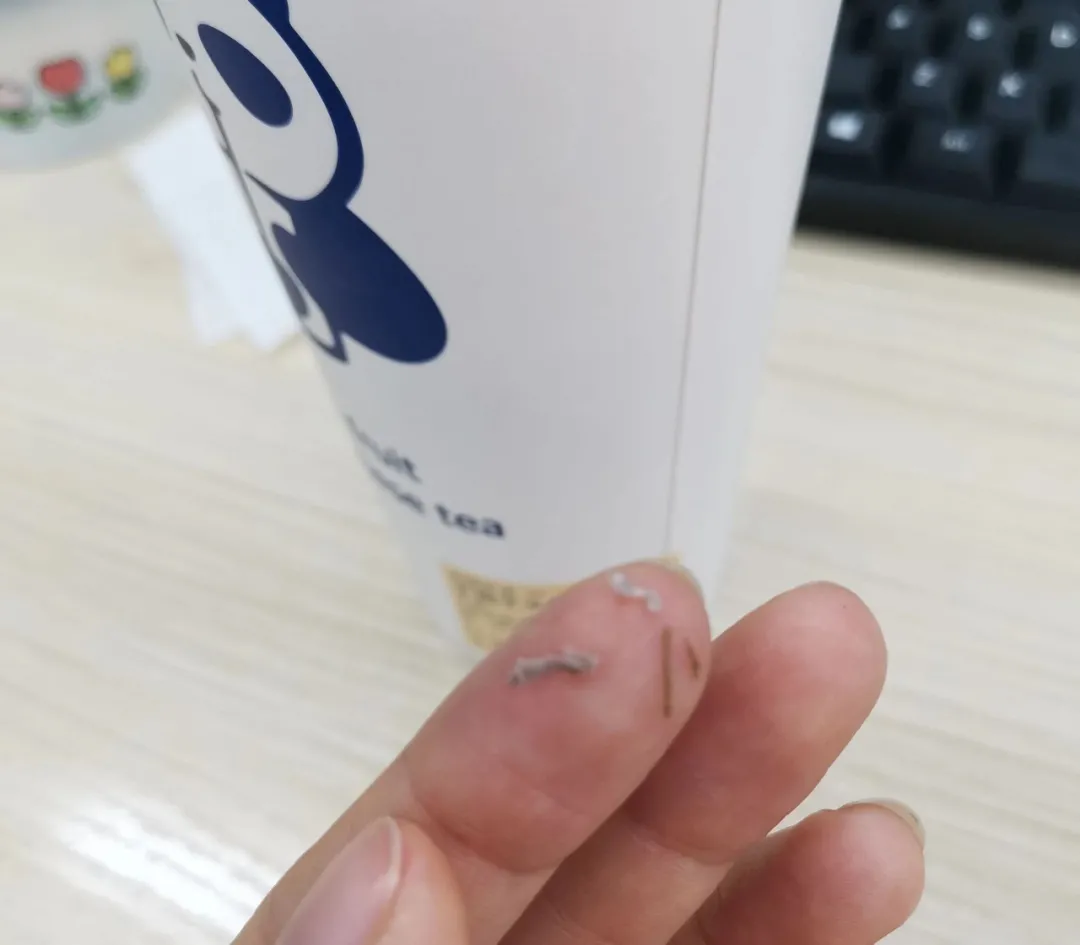
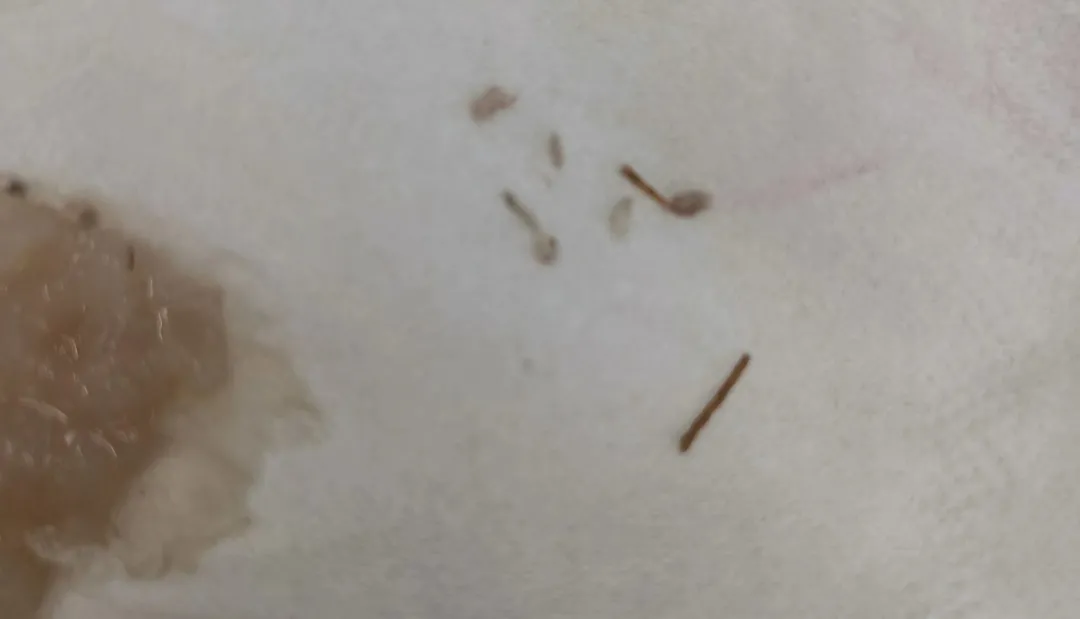
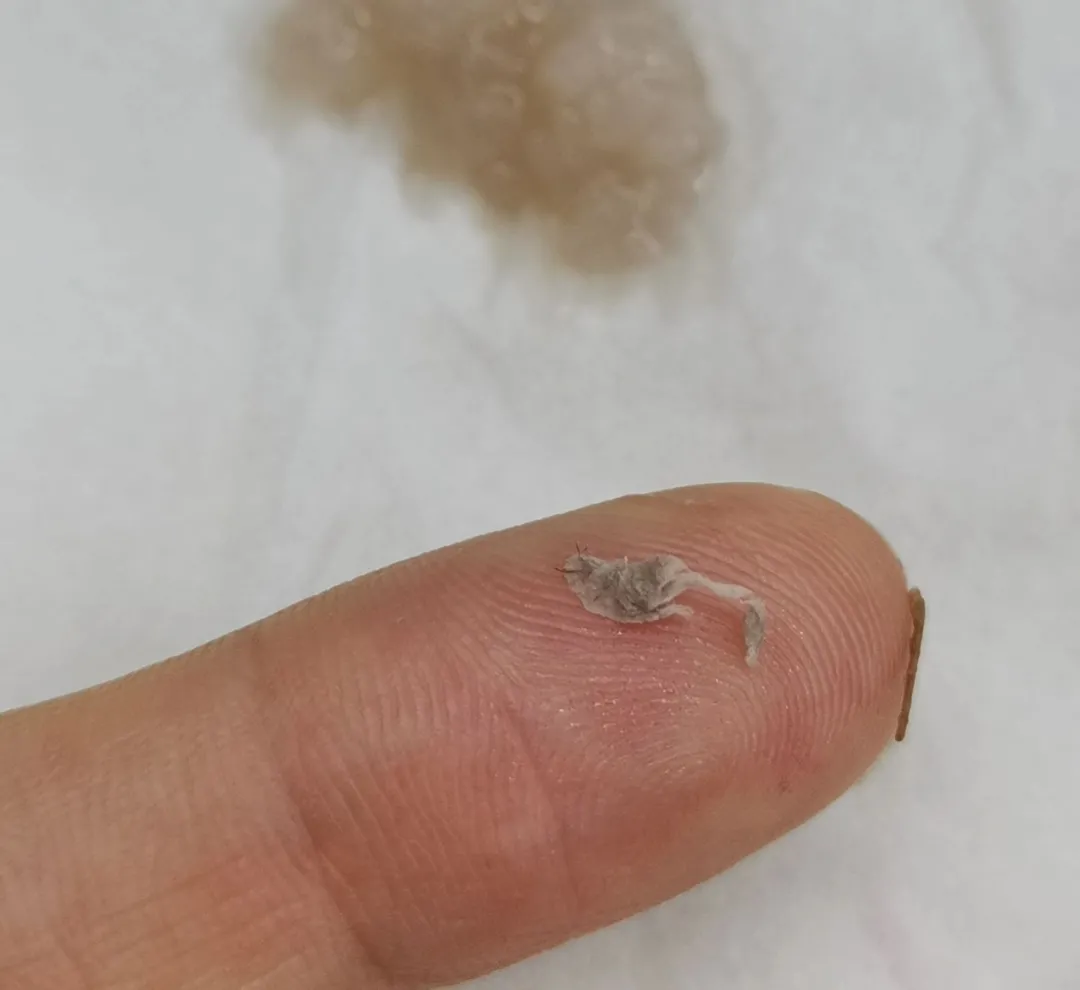
For professional coffee knowledge exchange and more coffee bean information, please follow Coffee Workshop (WeChat public account: cafe_style)
For more specialty coffee beans, please add the private WeChat of Front Street Coffee (FrontStreet Coffee), WeChat ID: kaixinguoguo0925
The above content is compiled by CoffeeHunters, a coffee news website.


