







Search Results for: blooming timer
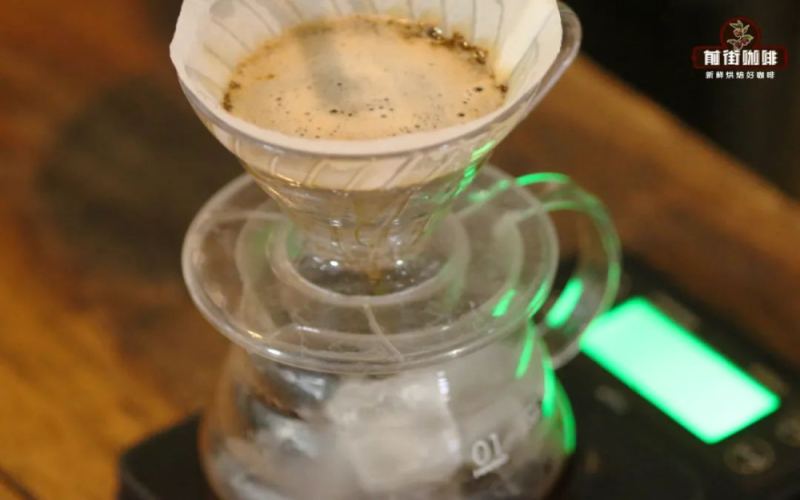
How should pour-over coffee extraction time be determined? The controversy and practical recommendations on whether blooming should be timed
When brewing pour-over coffee, the timer function on a digital scale is often overlooked, yet it is crucial for judging extraction results. Front Street Coffee recommends keeping the total extraction time at around 2 minutes, in practice falling between 1 minute 50 seconds and 2 minutes 10 seconds. However, there is disagreement over when to start the timer: should it begin the moment water is poured, or should the clock only be started after pouring is finished? Front Street believes that extraction begins the instant the coffee grounds touch water, and therefore insists on timing from the very first second of pouring. This article builds a pouring model around time milestones, explaining how to troubleshoot issues such as flow rate and grind size through segmented timing, making time an effective diagnostic tool for brewing. [more…]
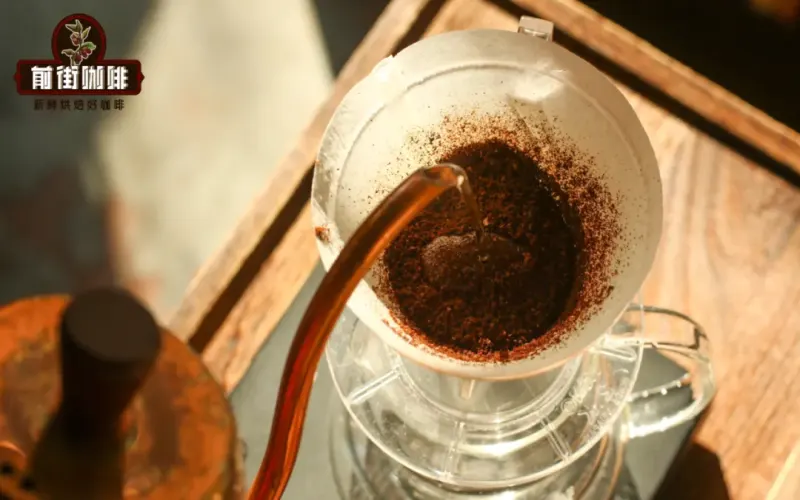
When Does the Bloom Timer Start for Pour-Over Coffee? A Detailed Explanation of Whether the Pouring Phase Counts Toward the Brew Time
Many coffee enthusiasts struggle with a question during pour-over brewing: should the blooming time be counted from the start of pouring water, or from when the pouring ends? Does the bloom count as the first pour of the brewing process? At Front Street Coffee, we perform a blooming step at the start of every brew, because a proper bloom makes it easier to get a delicious cup of coffee. This article starts from the practical function of blooming, explains where the recommendation of 30 seconds and twice the coffee dose in water comes from, and clarifies when to adjust the time and when to adjust the water amount. To figure out the timing and pour-segmentation questions, first understand why blooming exists—and the answer will naturally emerge. [more…]
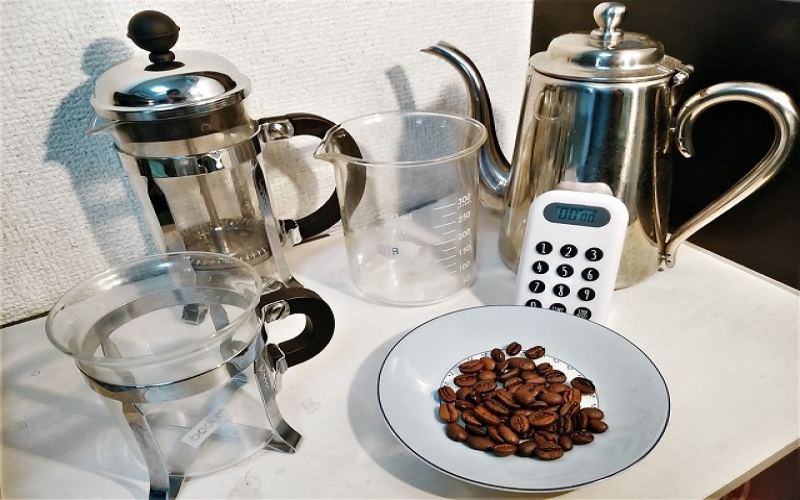
French Press Brewing Guide: Bean Selection Tips, Coarse Grind Standard, and the Full 4-Minute Extraction Process
The French press, with its simple operation and high degree of flavor fidelity, has become the preferred device for many coffee enthusiasts, both for getting started and for daily use. But if you want to brew a good cup with it, every step matters—from the freshness of the coffee beans and the coarseness of the grind, to the pouring method and the steeping time. This article will walk through the entire French press brewing process, covering equipment preparation, a reference for coffee dose, pouring rhythm, the bloom wait, plunger operation, and pouring technique, and will explain why freshly coarse-ground coffee and a 4-minute timer are the key to determining the quality of the final cup. It will also include suggestions for using Front Street Coffee beans in a French press, helping you consistently reproduce a clean, sweet cup of coffee. [more…]
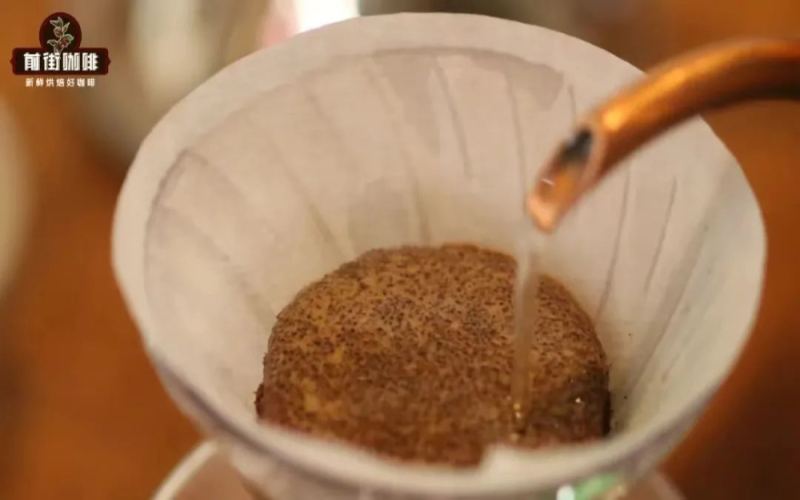
Five Common Operational Mistakes in Self-Learning Pour-Over Coffee, Analyzed One by One by Front Street Coffee with Correct Practices
In the process of learning pour-over coffee on their own, many enthusiasts unconsciously develop some not-so-correct operating habits. Front Street Coffee has summarized the five most common misconceptions: the choice of the starting point for bloom timing, imitating baristas in swirling and pouring water, mistakenly believing that a small stream is the most stable, using a large stream to wash down the coffee bed at the end, and removing the dripper before the coffee liquid has finished draining. These practices may each seem reasonable, but in fact they all have a negative impact on the final flavor. This article will analyze the principle behind each misconception one by one, explain why these operations cause problems, and give the correct alternatives recommended by Front Street to help everyone establish more scientific and more stable brewing habits. [more…]

The Coffee Industry's Off-Season Arrives: An Analysis of the Widespread Reduction in Working Hours for Both Part-Time and Full-Time Employees at Luckin Coffee
After the onset of winter, the coffee and tea beverage market enters its traditional off-season, with store foot traffic and order volumes declining noticeably. Recently, many part-time employees at Luckin Coffee have reported that their scheduled working hours have been significantly reduced, with some being assigned only one shift a week, or even working just over thirty hours in an entire month. Full-time employees have not been spared either, with working hours dropping from over 180 to between 110 and 170, which has also affected their base pay. To make up the target hours, some employees have had to voluntarily support other busier stores. What exactly is causing this widespread reduction in working hours? How do the situations of part-time and full-time employees differ? This article, based on accounts from multiple employees, sorts out the logic behind the current scheduling adjustments at Luckin Coffee stores and reminds practitioners to plan ahead and prepare countermeasures. [more…]
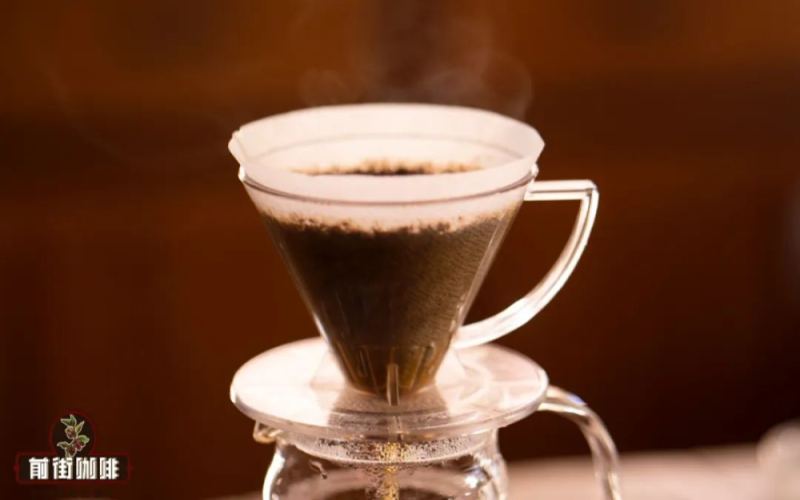
Five Common Misconceptions When Learning Pour-Over Coffee on Your Own: A Comprehensive Analysis from Brewing Logic to the Golden Cup Extraction
On the journey of learning pour-over coffee on your own, information is scattered and channels are many. Without guidance, it is easy to fall into certain deep-rooted misconceptions. Today, Front Street Coffee will sort out five of the most common "knowledge minefields" for everyone: from blindly pursuing brewing techniques and confusion over bloom timing, to judging freshness by the dome, using flow cutoff to avoid bitterness, and then to excessive superstition about the Golden Cup extraction. These misconceptions may seem minor, but they directly affect your understanding of extraction principles and the final presentation of flavor. Only by clarifying the underlying logic and understanding the interactive relationship among water temperature, grind size, and coffee-to-water ratio can you truly master different brewing methods and let every bean release the brilliance it deserves. [more…]
Front Street Kenya AA Coffee Pour-Over Tips: A Full Breakdown of Regional Flavor, Roast Profile, and Processing Method
Front Street Kenya AA coffee is renowned for its distinctive banana ester and citric acid aroma, and its flavor varies greatly with the roast level: a light roast reveals malted grain notes, a full city roast brings caramel cocoa with berry sweetness and acidity, while a city+ roast releases tropical fruit and white grape nuances. This article provides an in-depth analysis of Kenya AA's regional flavors and processing method characteristics, and shares in detail the pour-over method recommended by Front Street, with a focus on explaining the bloom assessment and concentric circle pouring technique, helping you precisely control extraction and enhance the coffee's cleanliness and sweetness. [more…]
Pour-Over Coffee Beginner's Guide: From Water Quality to Pouring Technique, Mastering the Key Points of Consistent Extraction
Friends who are just getting into pour-over coffee often feel that it is something of a mystery, but in fact, as long as you understand the principles of extraction, many confusions can be easily resolved. In daily conversations with customers, Front Street Coffee has found that most people brew inconsistently because they do not understand the logic behind pour-over. This article sorts out the core knowledge of pour-over coffee one by one, from water quality selection, coffee bean freshness, equipment and dripper pairing, grind size, water temperature control, blooming techniques, to pouring methods, and uses V60 staged extraction as an example to give specific parameters and operating steps, helping beginners build a systematic brewing framework and gradually improve consistency through repeated practice. [more…]
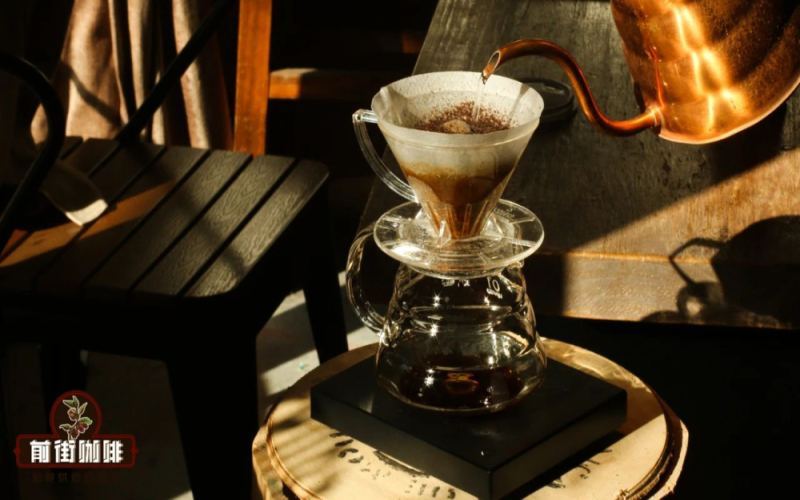
A Beginner's Guide to Pour-Over Coffee at Home: Complete Steps and Practical Tips from Water Quality and Beans to Pouring Technique
Making a delicious pour-over coffee at home doesn't have to be complicated. Through daily conversations with customers, Front Street Coffee has found that many people's brewing techniques are inconsistent because they don't truly understand the principles of pour-over extraction, resulting in sometimes over-extraction and sometimes under-extraction. This article focuses on the core knowledge of pour-over coffee, offering specific advice on water quality selection, coffee bean freshness, equipment and dripper pairing, grind size, water temperature, blooming techniques, and pouring methods. It also uses staged extraction as an example, providing actionable brewing parameters and steps to help beginners establish a stable brewing framework. Beyond theory, the most important thing is still repeated practice—only through hands-on experience can you truly master the rhythm and details of pour-over, bringing each cup closer to the ideal flavor. [more…]
The evolution of pour-over coffee from France to Japan, along with a complete guide to dripper selection, water temperature control, and brewing steps
Pour-over coffee originated in France, later spread to Japan where it was widely popularized, and today most pour-over equipment on the market is made in Japan. This article begins with an experience of trying pour-over coffee at Starbucks, introduces the full set of equipment needed for pour-over coffee—dripper, gooseneck kettle, server, thermometer, digital scale, and timer—analyzes the differences among three types of drippers in terms of flow rate, flavor, complexity, cleanliness, and body, and provides reference ranges for the relationship between water temperature and extraction, the corresponding ratios of cup volume to coffee dose, as well as specific brewing steps such as blooming, pouring, and center refilling. Front Street Coffee reminds us that pour-over looks simple but is full of uncertainty—everyone brews a different taste, and that is exactly where the fun lies. [more…]
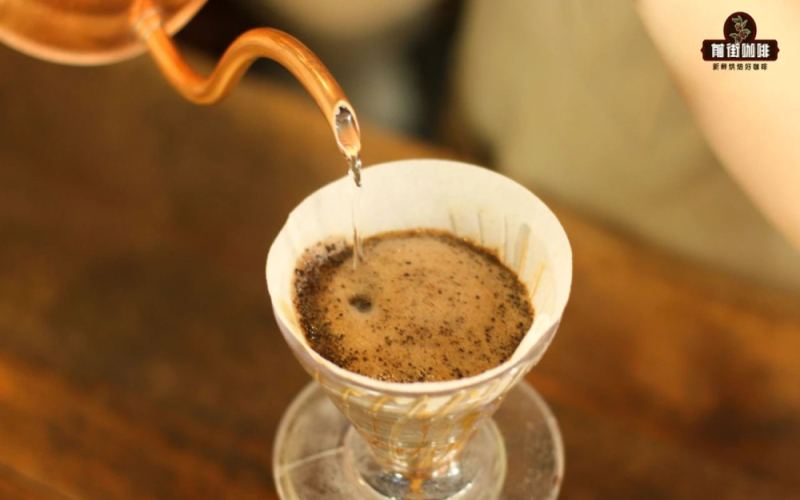
A Complete Guide to the V60 Three-Pour Hand Brew: How Pouring Rhythm and Parameters Make a Great Cup of Coffee
In the world of pour-over coffee, brewing styles emerge one after another—single-pour, 4:6 method, volcano pour, and Kono style each have their followers. However, Front Street Coffee has always insisted on the three-stage pour as the standard method for its shop offerings. This is not stubborn conservatism, but rather because three-stage brewing has extremely broad applicability and excellent reproducibility. This article will use a V60 dripper paired with Front Street Red Cherry coffee beans as an example to fully demonstrate the three-stage brewing process, from blooming, the second pour, to the third and final pour, breaking down key parameters such as water temperature, coffee dose, coffee-to-water ratio, grind size, and timing control one by one, to help coffee enthusiasts build a stable and repeatable pour-over framework. [more…]
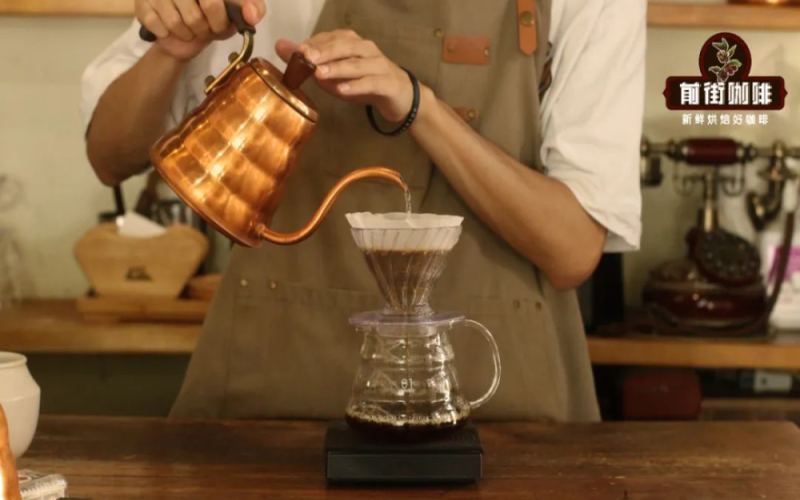
Avoid these pour-over coffee self-learning pitfalls, and only then will your brewing skills improve steadily.
Pour-over coffee, with its clean flavor, low barrier to entry, and flexible operation, has attracted a large number of enthusiasts to teach themselves at home. Although there are many tutorials online, they are often scattered and lack a systematic structure, causing many people to unknowingly fall into pitfalls during practice. From parameter control to bloom timing, from observing the "hamburger" to the direction of circling, and then to the timing of flow cutoff and the trade-offs of the Golden Cup theory, every step can affect the final flavor. This article sorts out six common misconceptions in self-taught pour-over brewing, analyzing them one by one based on practical brewing experience, to help you avoid detours on your self-learning journey, truly understand the essence of extraction, and thereby brew a cup of coffee that satisfies you. [more…]
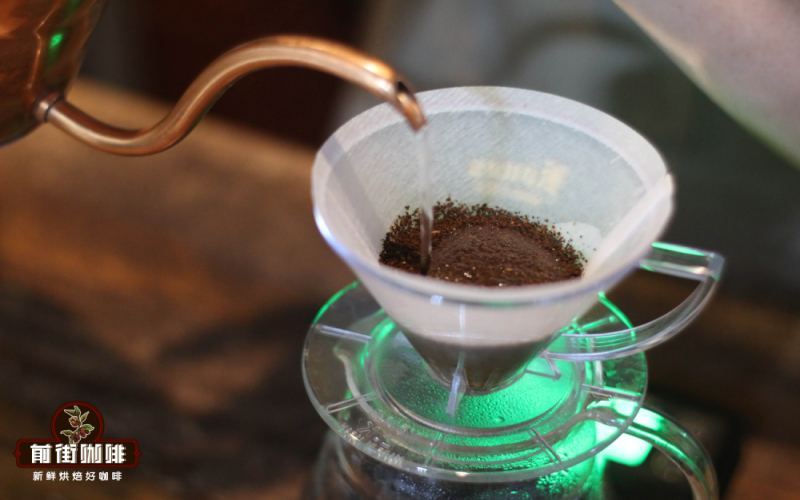
KONO dripper pour-over tutorial: from rib design to staged extraction, a detailed guide to brewing rich, full-bodied medium-dark roast coffee
With its unique short ribs and bottom convex groove structure, the KONO dripper delivers pronounced sweetness and a full-bodied mouthfeel when brewing medium-dark roasted coffee, making it the go-to device for many coffee enthusiasts. Drawing on the hands-on experience of Front Street Coffee, this article first explains the design principles and extraction logic of the KONO dripper, then uses Jamaica Blue Mountain No. 1 as an example to share in detail the coffee dose, water temperature, grind size, and multi-stage pouring technique, helping you reliably reproduce a rich, full-bodied, and layered Japanese-style pour-over coffee at home. [more…]
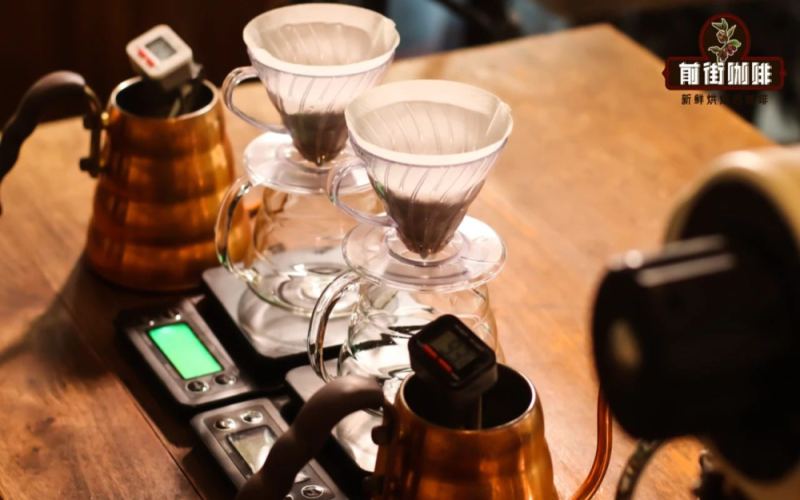
Pour-Over Coffee Techniques Explained | What Is the One-Pour Method? How Does It Differ from the Three-Stage Pour? Which Brews a Better Black Coffee?
For more specialty coffee knowledge, please follow: Front Street Coffee (Frontsteet Coffee). One of the great joys of pour-over coffee is using different brewing techniques to interpret a cup of coffee. And as for pour-over methods, I believe everyone pays close attention. So the most widely spread pour-over technique at present is the one-pour method. [more…]
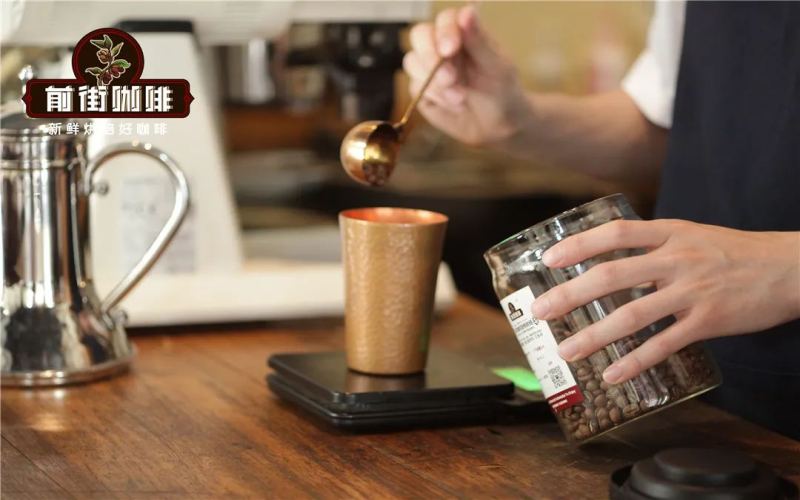
Brewing Time | The Impact of Pour-Over Coffee Brewing Time on Extraction Flavor: When Does Brewing Time Start Counting?
There are many important parameters in coffee brewing. If you want to enjoy a delicious cup of coffee, you need to precisely control the brewing parameters and follow them as closely as possible during brewing, so that you can have a high probability of getting a tasty cup of coffee. Among these, brewing time is crucial for pour-over coffee. Regarding the coffee dose, [more…]
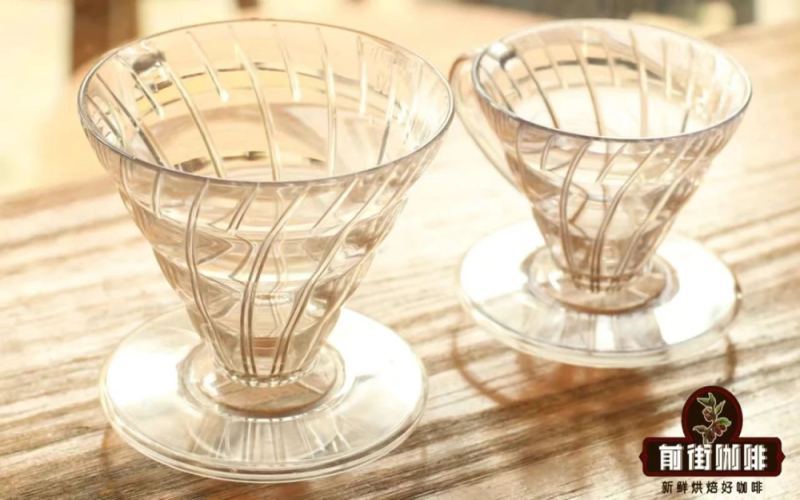
Hario V60 Dripper: Construction Principles and Pour-Over Techniques: A Complete Analysis from Design Logic to Practical Parameters
The V60 dripper, with its distinctive spiral ribs and large outlet hole, has become the go-to device for many coffee enthusiasts. Its conical structure stems from Hario's thinking on extraction efficiency: the 60-degree cone angle paired with spiral vent grooves not only speeds up the flow rate but also extends the water's path, subjecting the coffee grounds to more concentrated pressure and extracting layered, well-defined flavors. Drawing on Front Street Coffee's daily brewing experience, this article sorts through the V60's design origins, material differences, and brewing key points, and uses a three-pour method with 15 grams of coffee and a 1:15 coffee-to-water ratio as an example to break down blooming, pouring, and timing control in detail, helping you consistently reproduce a balanced, mellow pour-over coffee at home. [more…]
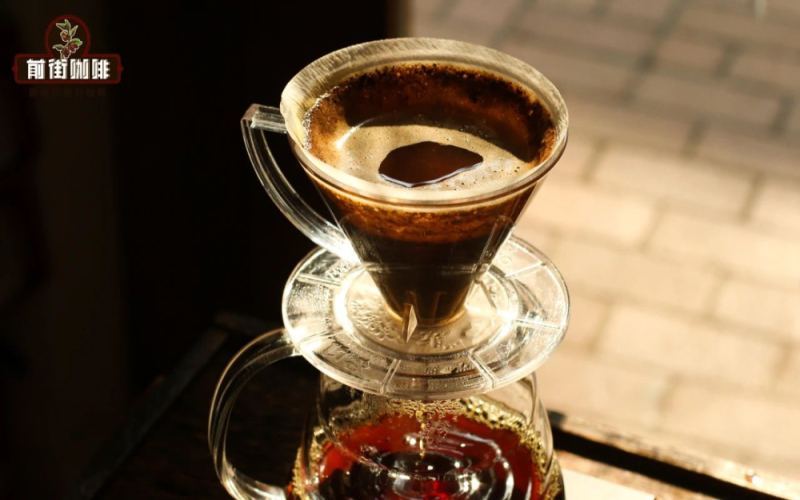
How to Determine the Coffee-to-Water Ratio for Pour-Over Coffee? A Practical Guide from Calculation to Three-Stage Pouring
The coffee-to-water ratio in pour-over coffee directly determines the strength and extraction yield of the final cup, and it is the first core parameter beginners need to master. Drawing on Front Street Coffee's brewing experience, this article first explains what the coffee-to-water ratio means and how to calculate it, then explains why water should be poured in stages, and provides a universal three-stage method suitable for beginners: 15 grams of coffee, a 1:15 ratio, 225 milliliters of total water, completed in three pours of 30, 95, and 100. The article also includes a list of equipment, bean selection advice, reference water temperature and grind size, and specific steps for using Front Street washed Yirgacheffe with a Hario V60, helping readers build a stable brewing framework. [more…]
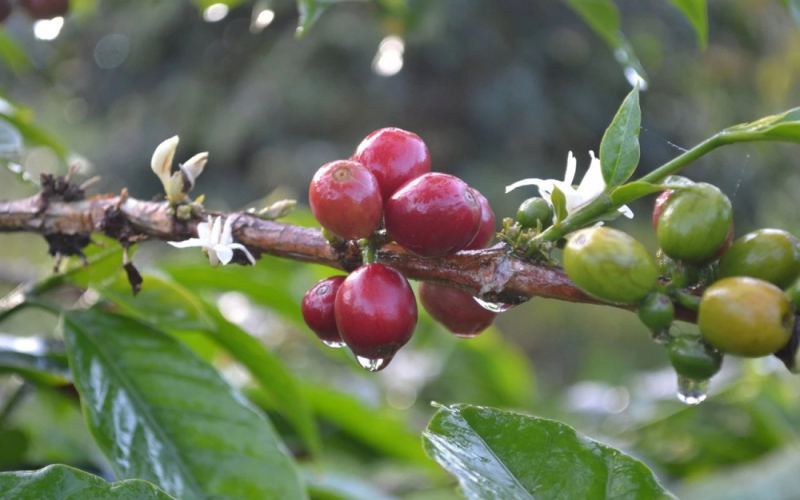
Indonesian Sulawesi Toraja Coffee: A Comprehensive Analysis of Flavor Characteristics, Ethnic Background, and Brewing & Roasting
Indonesian coffee has long been known for its herbal, spicy character and full body with low acidity, but beans from Sulawesi take a completely different path—bright acidity and distinct layers that feel refreshingly new. Toraja is both an ethnic group in the central highlands of Sulawesi skilled at growing coffee and a byword for the island's specialty beans. Annual production here is about 1,000 metric tons, and planting and harvesting are difficult, with yields of only about 300 kilograms per hectare. The semi-washed process gives the coffee a rich caramel sweetness and astringent herbal notes. This article will walk you through Toraja's geography and terroir, the story of its people, its three major estates, and its processing methods, along with Front Street Coffee's roasting and brewing recommendations. [more…]
Indonesian Sulawesi Toraja Coffee: A Rare, Floral High-Quality Specialty Bean Origin and Flavor Analysis
Indonesian coffee is often known for its herbal, spicy notes and full body with low acidity, but Sulawesi has developed a completely different style. Here in the high-mountain Toraja region, coffee is grown by an ethnic minority renowned for their coffee cultivation expertise. Annual output is scarce, at only about 300 kilograms per hectare, and the semi-washed process brings out bright acidity, caramel sweetness, and a subtle floral aroma. Compared with Sumatra Mandheling, Toraja is more layered and much more restrained in its herbal and spicy notes, and is regarded as a specialty bean even more precious than Golden Mandheling. This article will walk you through Sulawesi's terroir, the Toraja people, and three major estates, and share Front Street Coffee's roasting and brewing recommendations. [more…]
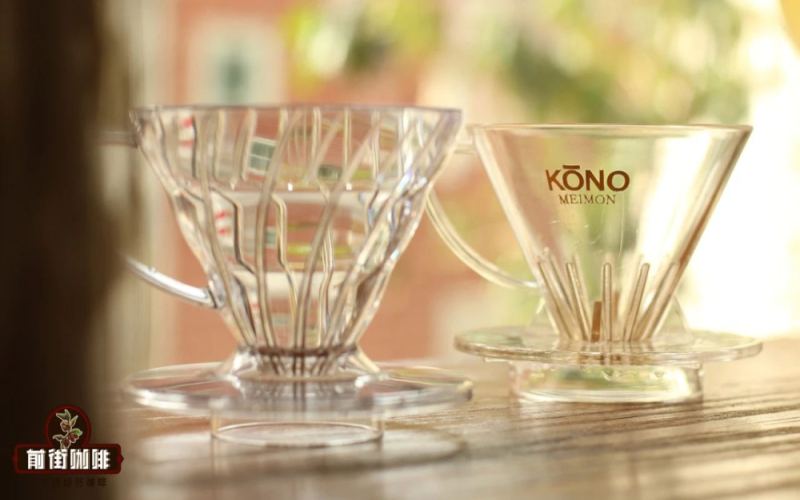
A Complete Analysis of Clever Dripper Coffee Brewing Parameters: Flavor Differences vs. Pour-Over and a Practical Comparison
Thanks to its unique piston valve design, the Clever Cup allows even coffee beginners to brew a stable, tasty cup with ease. This article breaks down the Clever Cup's brewing principles, steps, and parameters in detail, and compares it with pour-over coffee from equipment to technique. Using the Yirgacheffe Red Cherry as an example, Front Street Coffee intuitively presents the flavor differences brought by the two brewing methods, helping coffee lovers understand the choice between rich and full-bodied versus bright and clean. [more…]