







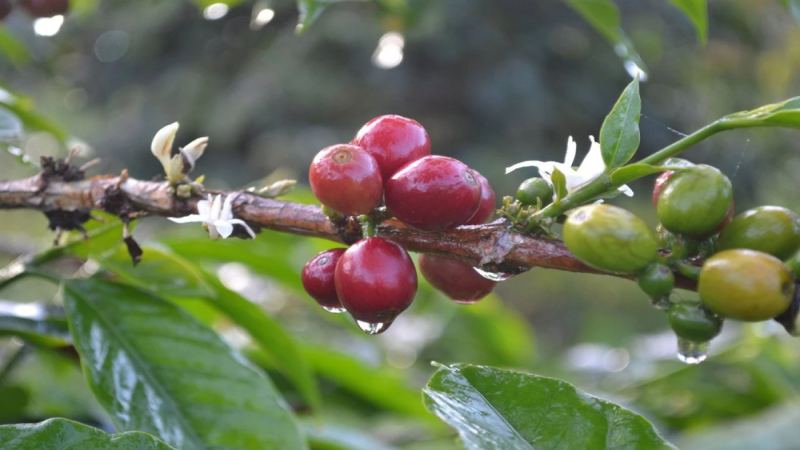
Why Does Sulawesi Toraja Coffee Taste Different?
Sulawesi Toraja coffee breaks the usual Indonesian pattern of herbal, spicy, full-bodied and low-acid cups. Beans from the island show bright acidity and distinct layers instead. Toraja names both an ethnic group in the central highlands that excels at growing coffee and the island's specialty beans.
Annual output is about 1,000 metric tons, and cultivation is difficult, with yields near 300 kilograms per hectare. The semi-washed process leaves rich caramel sweetness and astringent herbal notes. Readers comparing it with indonesian robusta coffee or indonesia robusta coffee beans will find the article covers Toraja's geography, three estates, processing methods and Front Street's roasting and brewing advice.
Indonesian coffee has long been known for its herbal, spicy, and full-bodied low-acidity profile, but beans from Sulawesi have taken a completely different path—bright acidity and distinct layers make it refreshingly unique. Toraja is both an ethnic group in the central highlands of Sulawesi skilled at growing coffee, and a byword for the island's specialty beans. Annual production here is about 1,000 metric tons, and cultivation and harvesting are difficult, with yields of only about 300 kilograms per hectare; the semi-washed process gives the coffee a rich caramel sweetness and astringent herbal notes. This article will walk you through Toraja's geography and terroir, its ethnic story, three major estates, processing methods, and Front Street's roasting and brewing recommendations.
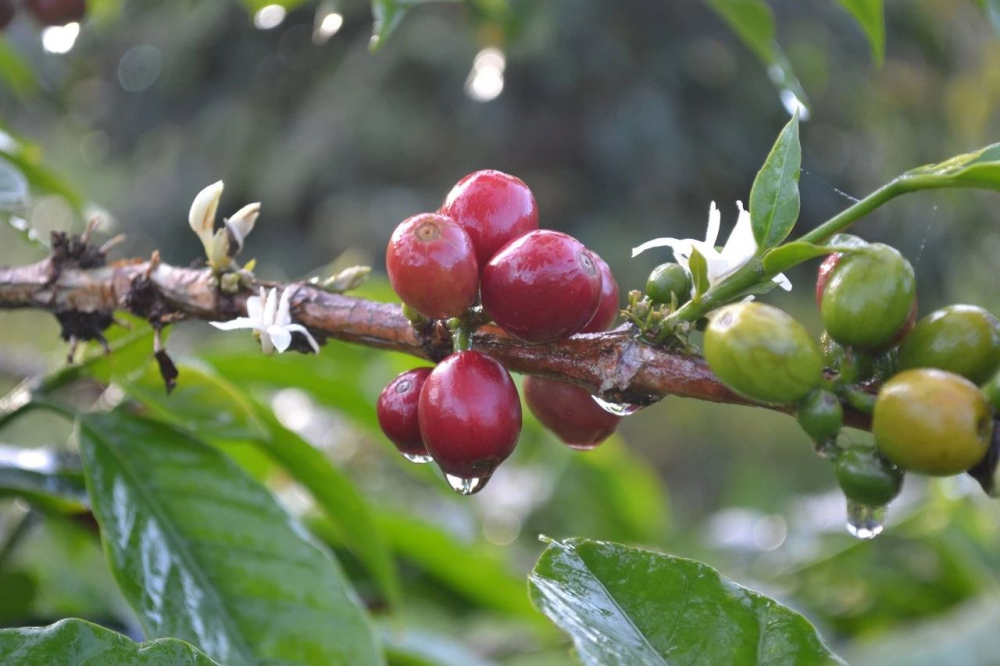
To learn more about specialty coffee, follow us: Front Street Coffee (Frontstreet Coffee).
Indonesian coffee has won the favor of many coffee lovers with its herbal, spicy, full-bodied, and low-acidity style. So, are all Indonesian coffee beans like this? Actually, no. Coffee beans from Indonesia's Sulawesi island show bright acidity and richer layers compared with beans from the Sumatra region.
Sulawesi Island Sulawesi
Sulawesi Island, formerly called Celebes, is one of the oldest islands in the archipelago, with exposed rocks over a million years old. In coffee-growing areas, yellow-red podzolic soil can be found, and beneath the surface of this soil there are often several layers of clay rich in iron. The island's most famous producing region is Toraja in the high mountains of South Sulawesi.
Toraja Toraja
Toraja is neither a place name, a city name, nor a variety name, but an ethnic group living in the central mountains of Sulawesi that excels at growing coffee, and it is also the name of the island's specialty beans. The Toraja people live in TANAH TORAJA in the central highlands of Sulawesi, Indonesia, and are a highly distinctive ethnic group that still preserves many primitive customs such as boat houses and hanging coffins. It is said that their ancestors were descendants of invading peoples who assimilated or eliminated the indigenous people when they ruled the island, and were later driven away by Muslim Indonesians, leaving the coast to settle in the highland mountains. The Toraja people are tough and warlike, and to avoid intrusions from other ethnic groups, they built their villages on high ground that was easy to defend and hard to attack.
The coffee beans produced in Toraja are among the world's rare specialty beans, with an annual output of about 1,000 metric tons, mainly distributed across rugged slopes at about 1,200 meters above sea level in central and southwestern Sulawesi. Both cultivation and harvesting are quite difficult, with an average annual yield of only 300 kilograms per hectare. The semi-washed method is a common processing method on Sulawesi island. The area also produces a good amount of robusta beans, and the name of this place is often used as a representative of Sulawesi coffee. The specialty coffee beans produced in Sulawesi Toraja have bright acidity, distinct layers, and rich caramel sweetness, while the full-bodied herbal and spicy flavors are much more restrained, with a slight floral note as well.
Toraja has three famous estates: Pt kapal Api owns 2,000 hectares of coffee gardens; CSR owns 1,100 hectares of coffee fields; and Toarco Jaya, the estate of Japan's Key Coffee company, owns 700 hectares of coffee gardens. In other words, coffee produced in Toraja is even more precious than Golden Mandheling.
Semi-washed process
Because it is located on a highland with extremely inconvenient transportation, most Toraja coffee beans are processed by farmers who use hand-cranked pulpers to remove the pulp from harvested coffee cherries, then soak the pulped cherries in a basin of water, put them into plastic bags to ferment, and then dry them in parchment.
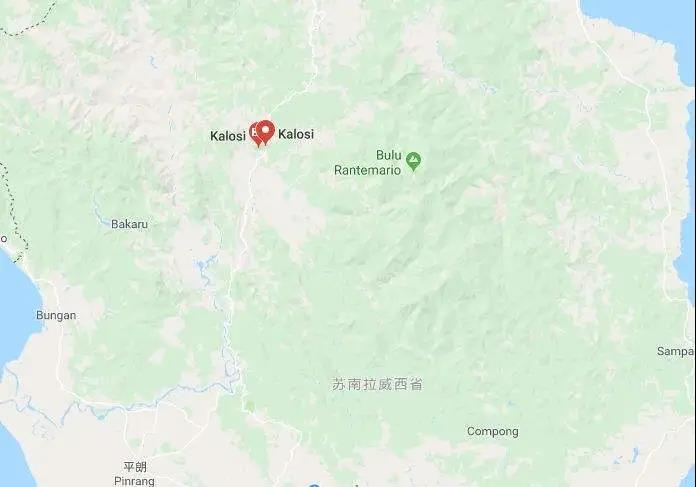
After drying (with moisture content between 11-13%), the coffee beans are transported from the producing mountains down to Kalosi at the foot of the mountain and sold through intermediaries or processing plants for further processing and refining, so the Kalosi area has become an important coffee collection and distribution center. This is also why some people call Toraja coffee Kalosi coffee.
Front Street roasting recommendations
In addition to the visible dark green appearance of Toraja green beans, the flavor presents low acidity and a full-bodied mouthfeel, and the soft, lingering fruit flavors highlight what makes Sulawesi Toraja coffee unique compared with Sumatra Mandheling.
The mild acidity carries some ripe grape notes, with a clean yet solid mouthfeel, and the caramel sweetness surging up in the finish lingers in the mouth. Front Street's roaster recommends using a medium roast for Sulawesi coffee beans.
Front Street brewing recommendations
Dripper: V60#01
Water temperature: 90-91℃
Dose: 15g
Coffee-to-water ratio: 1:15
Grind size: medium-fine grind (80% passing through a Chinese standard No. 20 sieve)
Front Street's three-stage extraction method: bloom with 30 grams of water for 30 seconds, then pour in a small stream in circles until 125 grams for the first stage (the timer will read about 1'00"), and when the water level is about to expose the coffee bed, continue pouring until 225 grams and stop (the timer will read about 1'50"); when the water level is about to expose the coffee bed again, remove the dripper. (Start timing at the beginning of the bloom.) The extraction time is 2'00"-2'10".
The above content is compiled by CoffeeHunters, a coffee news website.


